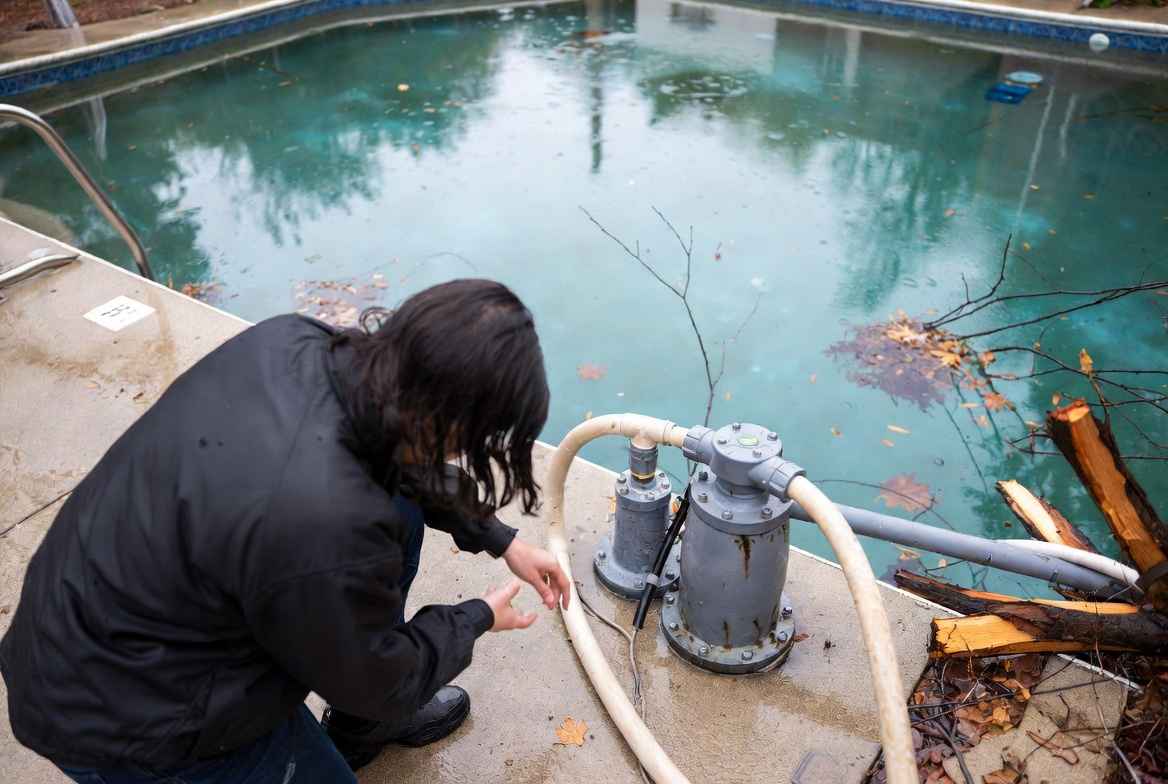
A pool inspection before buying house closing is the smartest $150 to $400 you’ll spend during the entire home-buying process. Standard home inspections touch on the pool, but they lack depth — a home inspector checks basic function, not pool-specific details. A dedicated pre-purchase pool inspection by a pool professional reveals structural cracks, failing equipment, plumbing leaks, chemistry neglect, and surface deterioration that a general inspector will walk right past.
In DFW’s pool-heavy market, this applies to thousands of home purchases every year. Here’s the full pool inspection checklist and how to use the results to protect yourself.
What a Dedicated Pool Inspection Checklist Covers
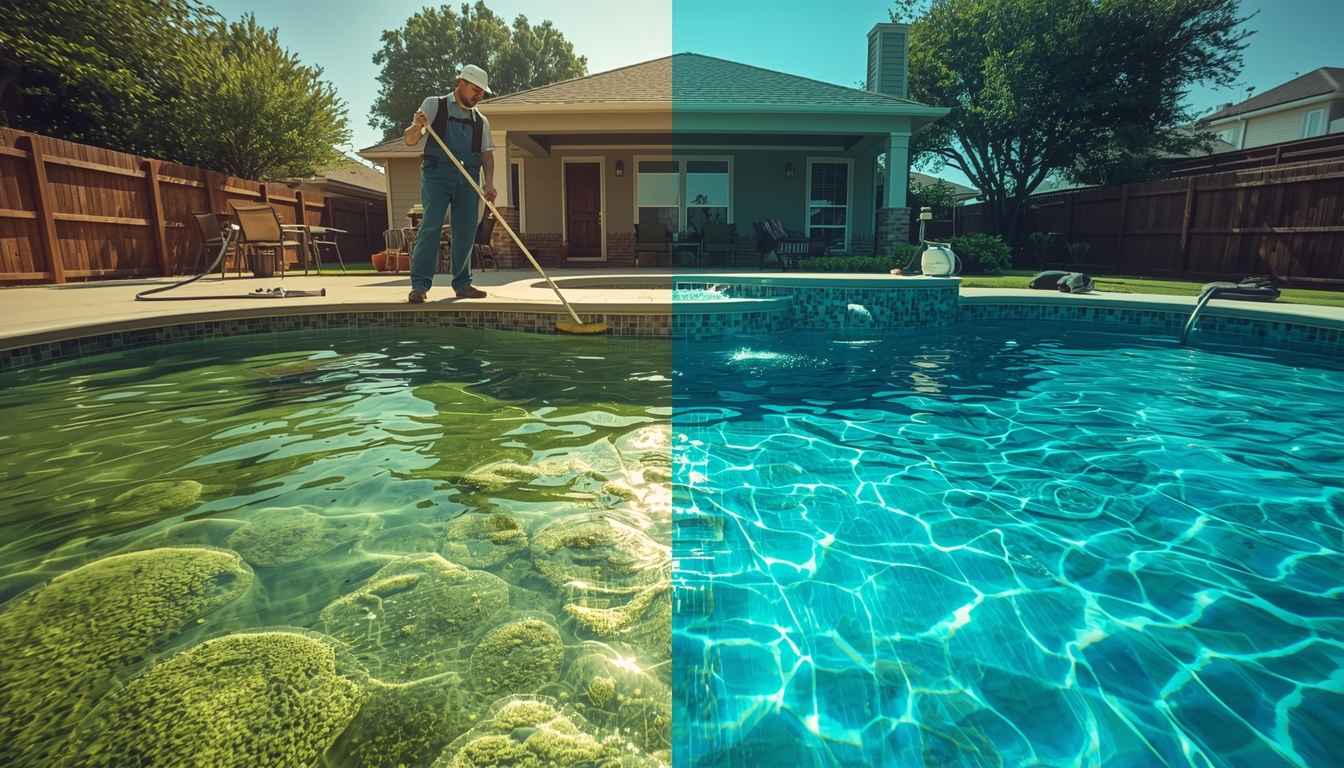
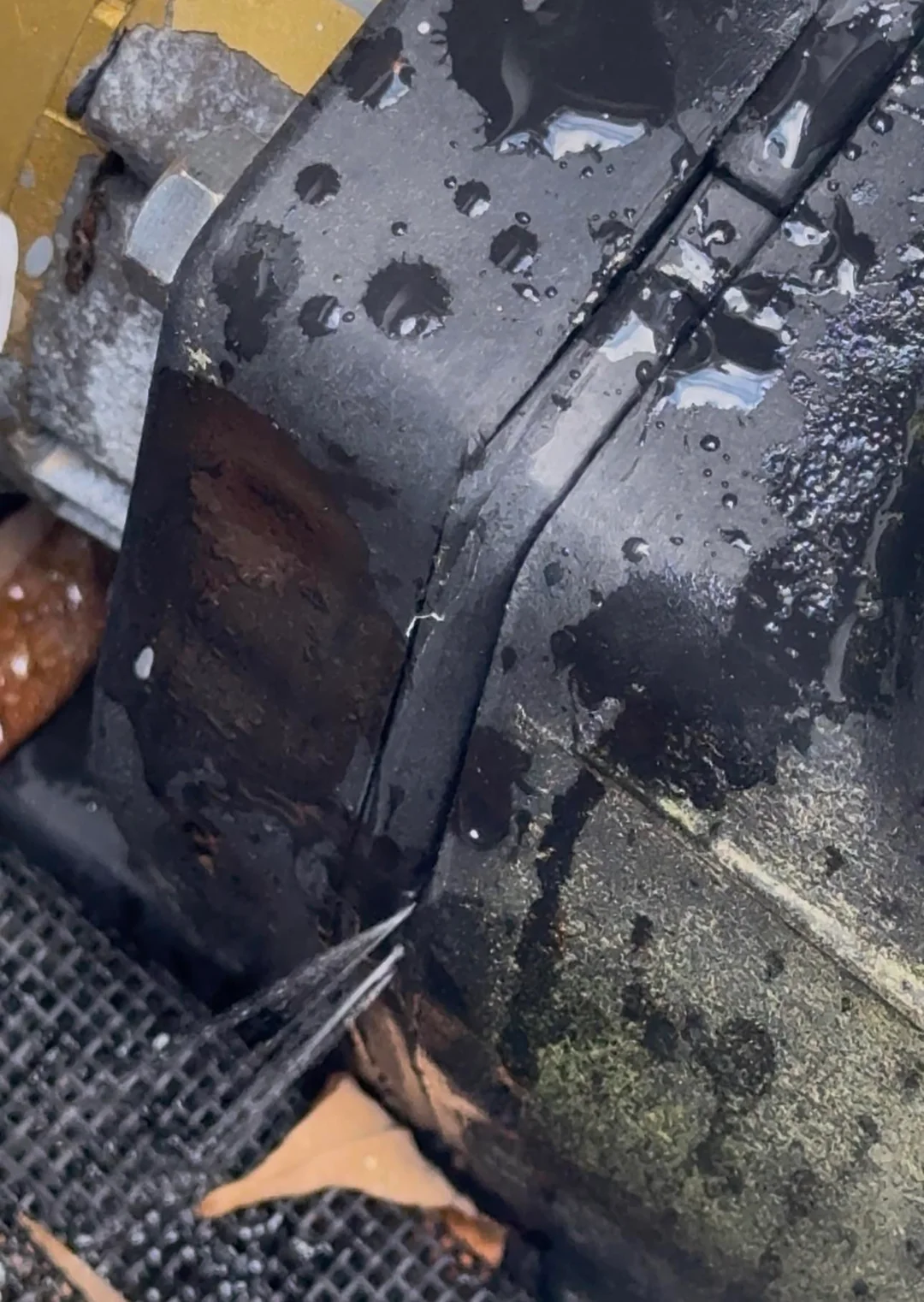
Pool structure and surface. A pool professional checks for cracks in the shell — structural versus cosmetic — and evaluates surface condition including roughness, staining, delamination, and plaster pitting. They inspect tile and coping for loose or cracked pieces and estimate the remaining life of the current surface. In DFW, our resurfacing options guide shows that surface replacement runs $5,000 to $15,000 — that’s something you want to know before you close, not after.
Deck and surrounding area. DFW’s clay soil causes deck cracking, settling, and heaving that signals deeper ground movement. A pool inspection before buying house should check deck-to-coping separation (water intrusion risk), trip hazards, drainage, and fence compliance — self-closing gate, self-latching hardware, proper height. The Texas DSHS has specific barrier requirements that non-compliant fencing can cost $2,000 to $10,000 to correct. Our deck repair guide covers DFW-specific soil movement damage.
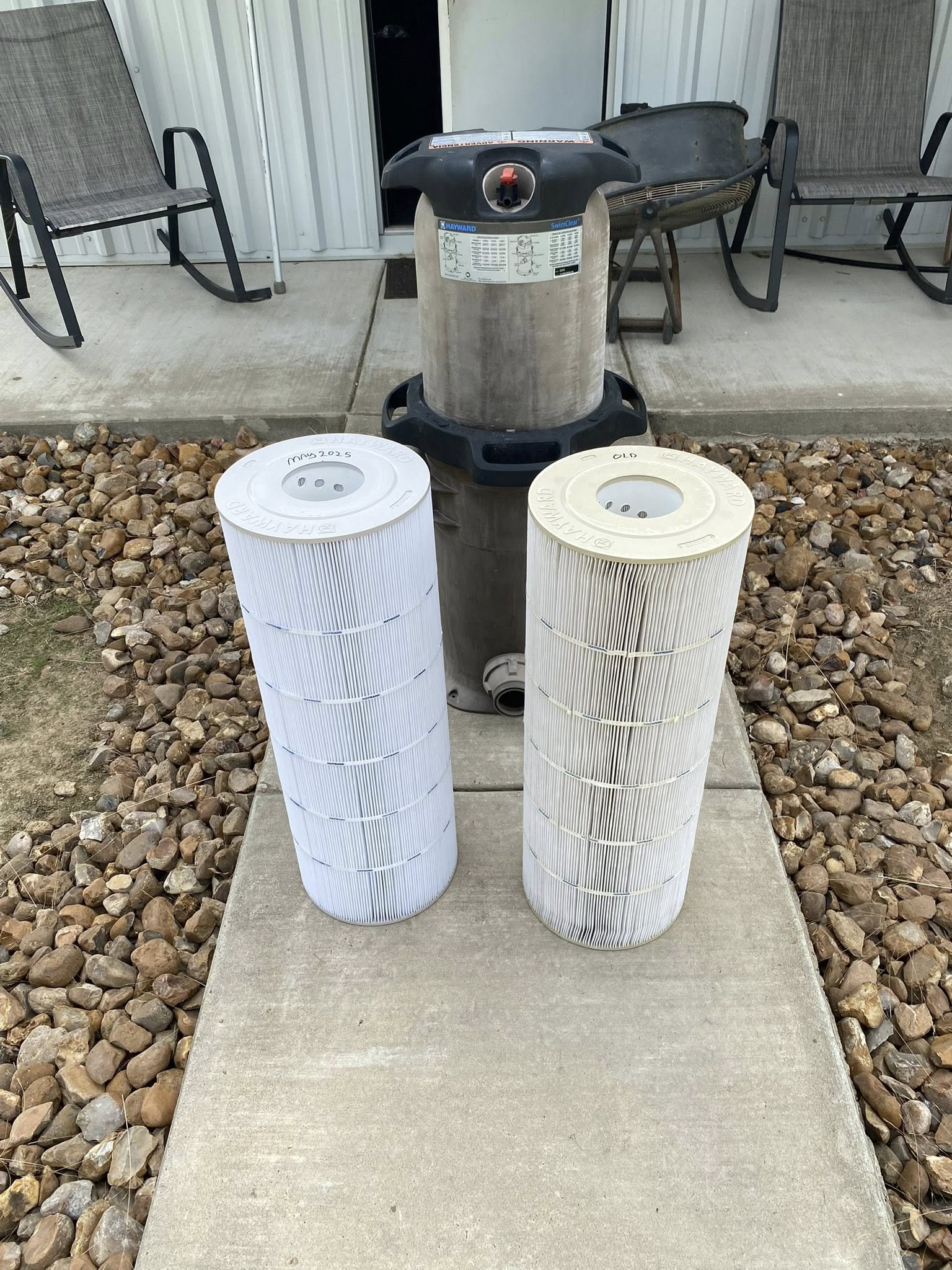
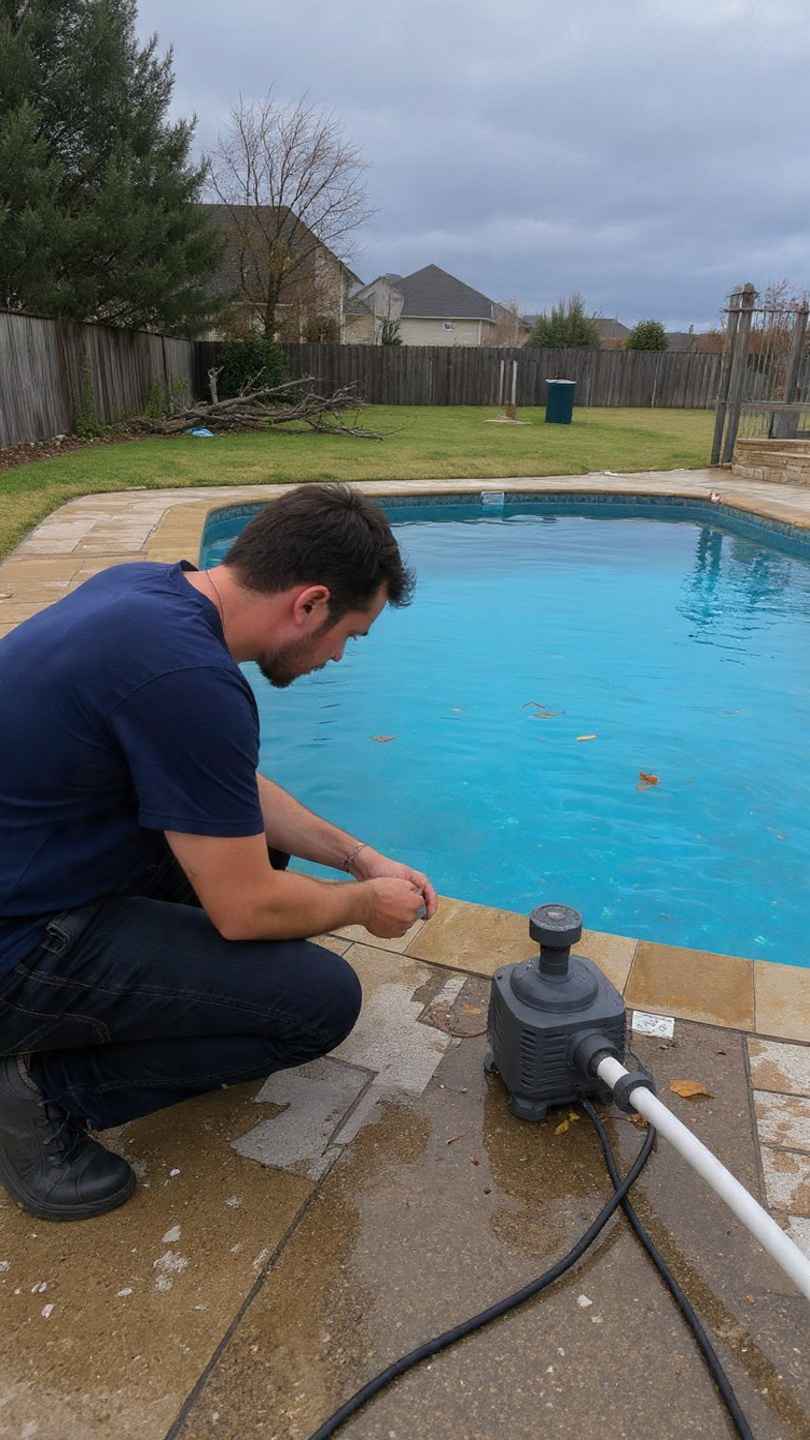
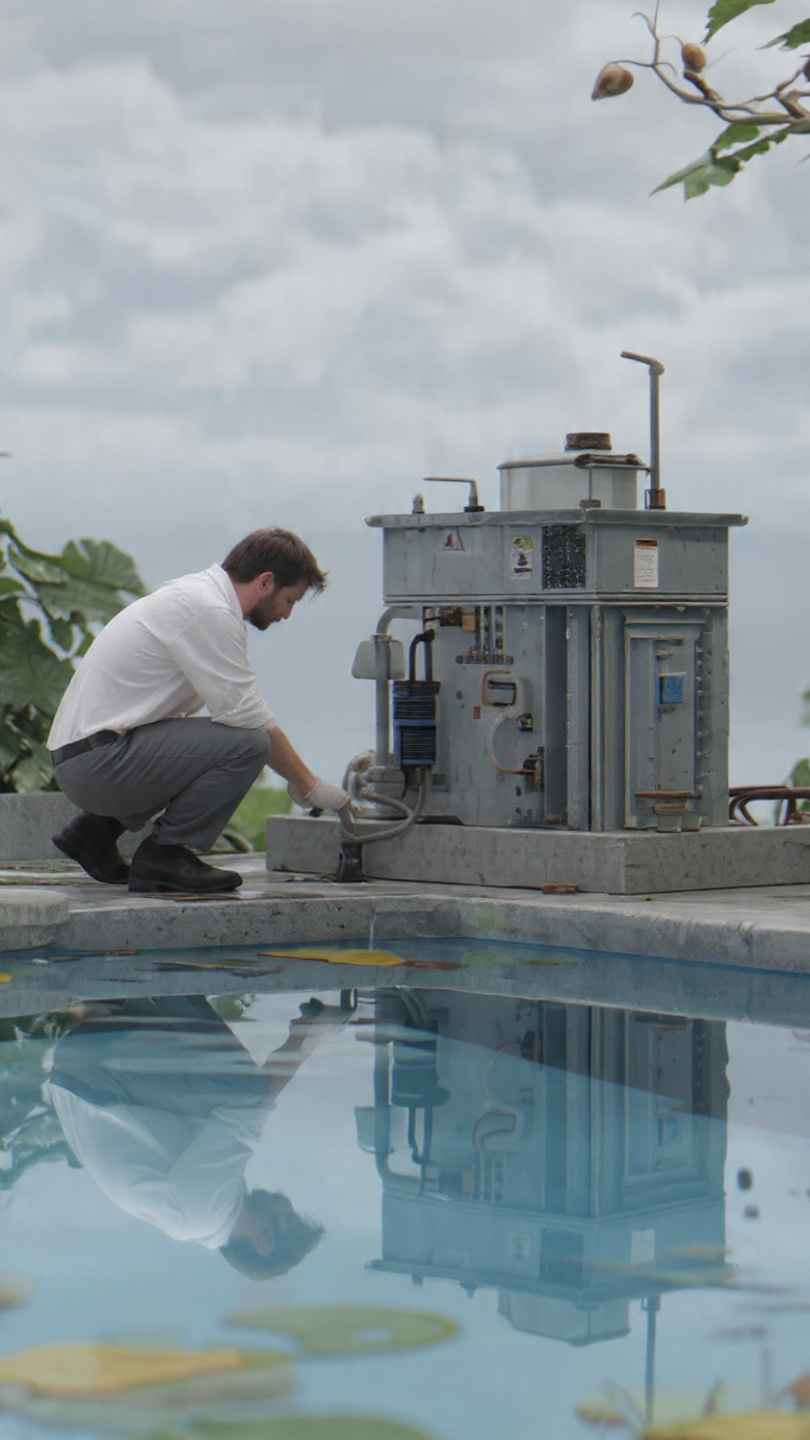
Equipment assessment. Age, brand, model, and condition of every piece — pump, filter, heater, salt system, automation. The inspector tests motor condition, priming, noise, heater ignition, heat output, salt cell health, and automation functionality. Most importantly, they estimate remaining useful life and replacement cost for aging equipment. According to HomeAdvisor’s pool data, equipment replacement for a typical DFW pool runs $5,000 to $15,000 when everything ages out around the same time. A pre-purchase pool inspection gives you that number before you negotiate.
Plumbing and electrical. Visible leak checks at all equipment connections, pressure testing of plumbing lines if accessible, and water loss rate assessment. On the electrical side: GFCI functionality, bonding verification, wiring condition, and pool light testing. The Consumer Product Safety Commission notes that electrical issues in pools are among the most dangerous residential hazards — a dedicated pool inspection catches bonding and grounding problems that home inspectors aren’t trained to evaluate. Our electrical repair guide covers what these findings mean.
Water chemistry. A full chemistry panel tells the pool’s maintenance story. High CYA means the pool has been on tablets without draining for years. Extreme calcium hardness indicates poor hard water management. High TDS means the water hasn’t been refreshed in a long time. These numbers reveal whether the pool was professionally maintained or neglected. Our water test results guide explains what each number means for DFW conditions.
Red Flags That Should Change Your Offer
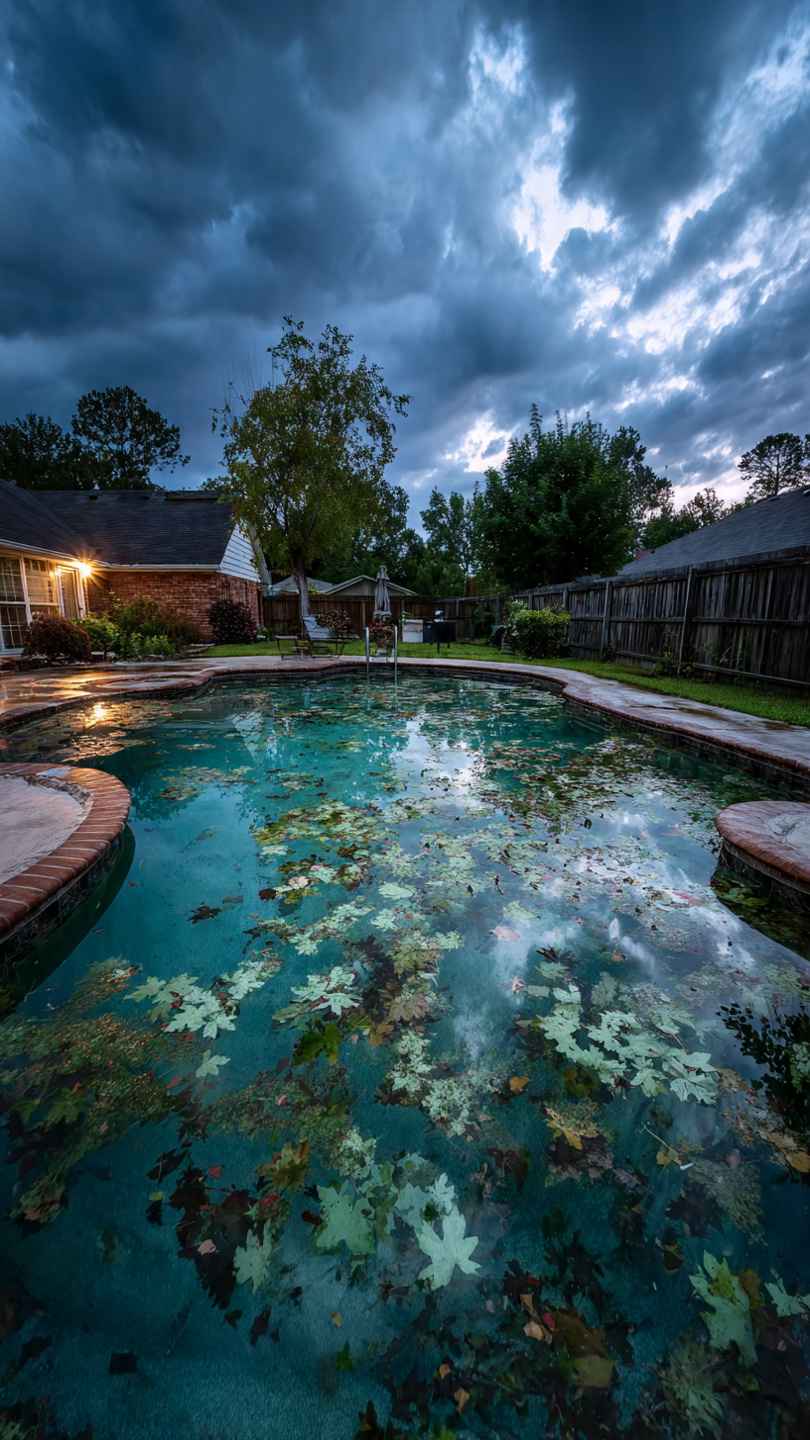
Major structural cracks in the pool shell: $5,000 to $20,000+ repair. Active plumbing leaks: $500 to $3,500. All equipment over 10 to 12 years old: $5,000 to $15,000 in upcoming replacements. Severely deteriorated surface: $5,000 to $15,000 for resurfacing. CYA above 150 ppm: needs an immediate drain and refill ($300 to $800). Non-compliant pool fence: $2,000 to $10,000 to fix. No documented maintenance history: unknown liability. The Pool & Hot Tub Alliance recommends that buyers treat undocumented pool maintenance history the same way they’d treat undocumented home repair history — assume the worst until proven otherwise.
How to Use Pool Inspection Results in Negotiation
Request seller credits for identified repairs — get quotes from a licensed pool company and present them during the option period. For critical safety issues like fencing, electrical, or active leaks, request the seller complete repairs before closing with verification from a licensed professional. For equipment approaching end of life, factor $5,000 to $15,000 in upcoming costs into your offer. If total deferred maintenance exceeds $20,000 to $30,000 and isn’t reflected in the price, consider walking away. According to Texas Realtors data, buyers who present documented pool inspection findings with professional repair quotes have the strongest negotiating position. Our pool home value guide shows how pool condition directly affects what a property is worth.
Pool Inspection Cost in DFW
Basic pool inspection: $150 to $250. Comprehensive inspection with pressure testing and full equipment assessment: $250 to $400. Water chemistry analysis is usually included or $25 to $50 as an add-on. Always use a pool professional rather than relying on the home inspector’s pool section — the depth of expertise isn’t comparable. The cost of a pool inspection before buying house is nothing compared to discovering a $5,000 to $20,000 problem after you’ve already signed.
People Also Ask
Should I get a pool inspection before buying a house?
Yes, always. Home inspectors lack the specialized knowledge to evaluate pool structure, equipment condition, plumbing integrity, and chemistry history. A dedicated pool inspection before buying house catches problems worth thousands that general inspections miss.
How much does a pool inspection cost in DFW?
$150 to $400 depending on scope. Comprehensive inspections with pressure testing and full equipment assessment are at the higher end. It’s a fraction of what undetected pool problems cost after closing.
Can I negotiate home price based on pool condition?
Absolutely. Documented findings from a pre-purchase pool inspection with professional repair quotes give you concrete negotiating leverage during the option period. Equipment age, surface condition, and active leaks are all legitimate negotiation points.
Do home inspectors check the pool?
They check basic function — does the pump run, is there water. They don’t evaluate equipment remaining life, test for plumbing leaks, assess surface condition in detail, or analyze water chemistry history. A pool professional does all of that. Our maintenance services page covers the level of detail we bring to every inspection.
What are red flags in a pool inspection?
Structural shell cracks, active leaks, equipment over 10 years old, severely deteriorated surface, CYA above 150 ppm, non-compliant fencing, and no documented maintenance history. Any of these should factor into your offer or walk-away decision.
Buying a Home With a Pool? PoolBurg Protects You From Surprises
Our pre-purchase pool inspection covers structure, equipment, plumbing, electrical, chemistry, and deck condition with a written report and estimated costs. Contact PoolBurg before you close and know exactly what you’re buying. A pool inspection before buying house is the cheapest insurance in real estate.