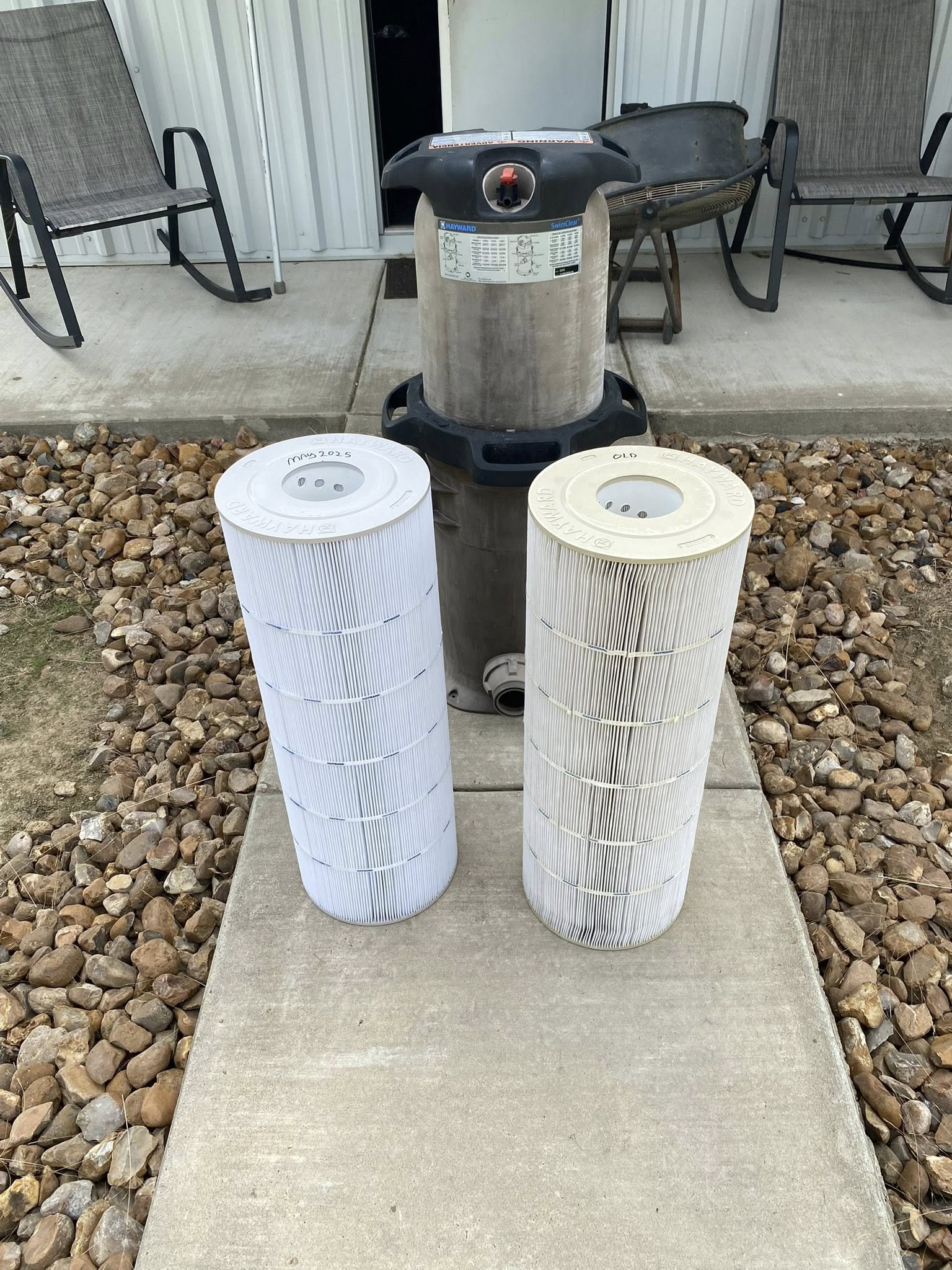
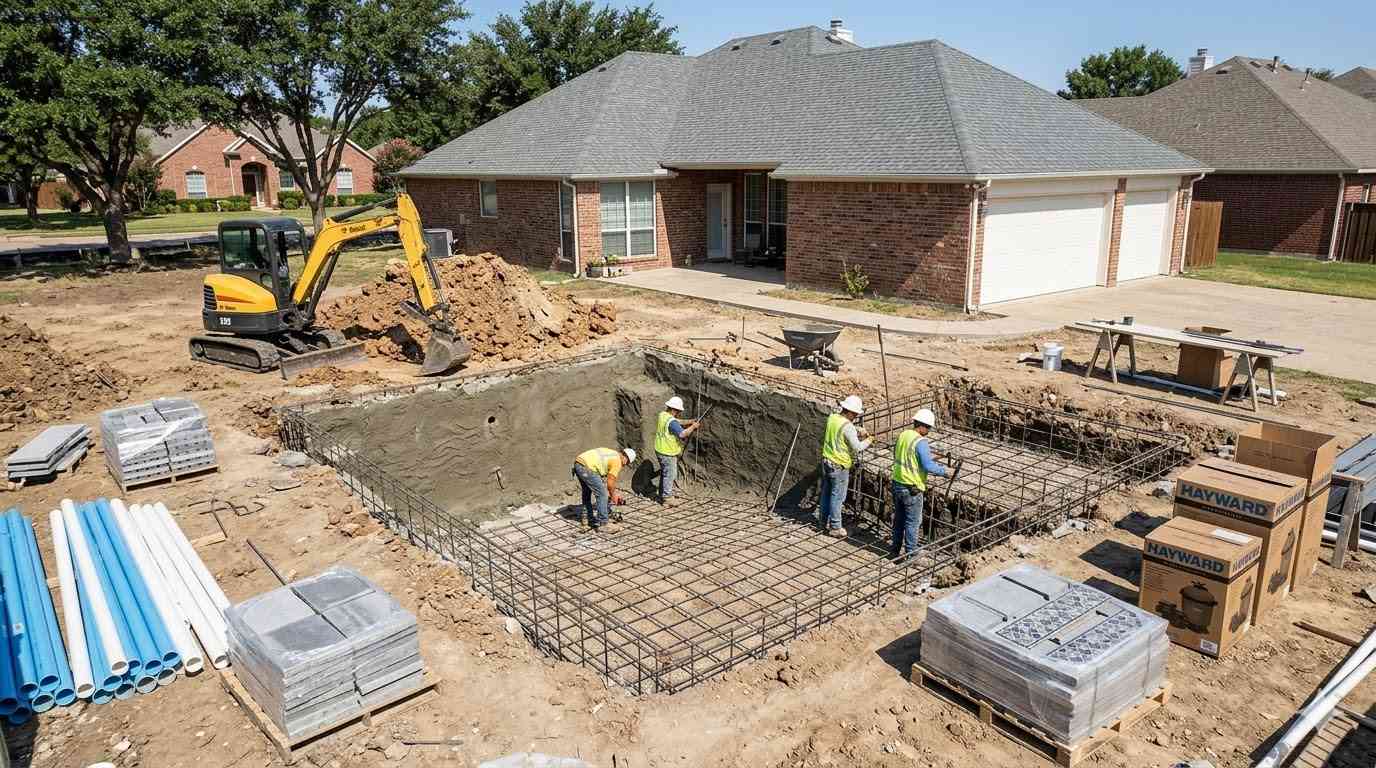
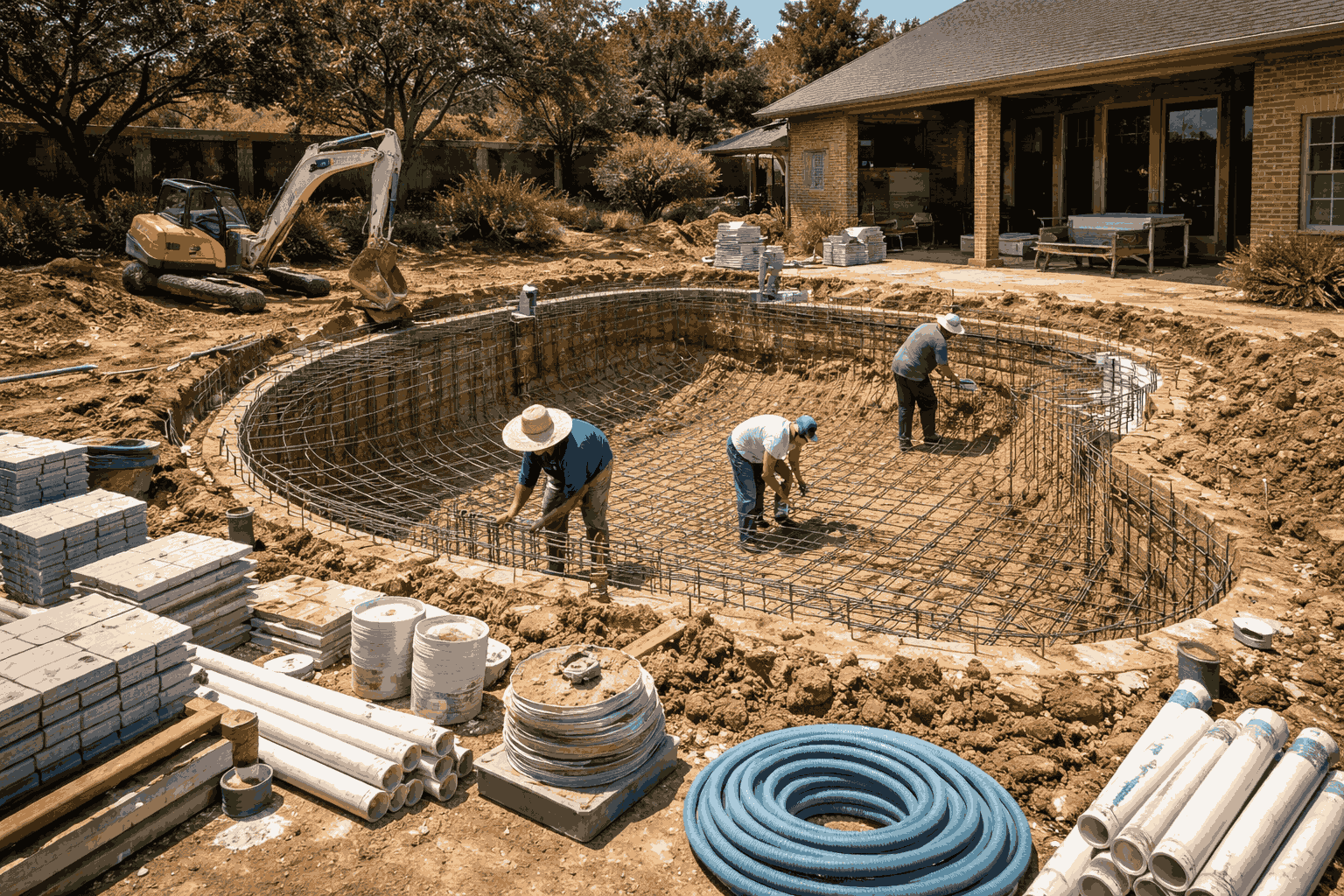
HOA pool rules DFW homeowners deal with add a layer of complexity that pool owners outside of managed communities never face. The majority of pools in Frisco, Prosper, McKinney, Allen, and The Colony sit inside HOA-governed master-planned communities, and every one of those communities has its own set of pool requirements in HOA documents. If you’re building a pool in master planned community neighborhoods, renovating an existing pool, or even just maintaining one, understanding these rules before you start saves you from fines, delays, and expensive do-overs.
Common HOA Pool Rules DFW Communities Enforce
Fence requirements. Most DFW HOAs require wrought iron or aluminum pool fencing — chain link is almost always prohibited. Colors are typically restricted to black, bronze, or specific approved options. Height requirements may exceed the city minimum — some HOAs require 5 feet versus the city’s 4-foot minimum. Even mesh safety fences may need HOA approval. The Texas DSHS sets the state minimum barrier requirements, but your HOA can go stricter. Our pool safety guide covers what’s required at the city and state level.
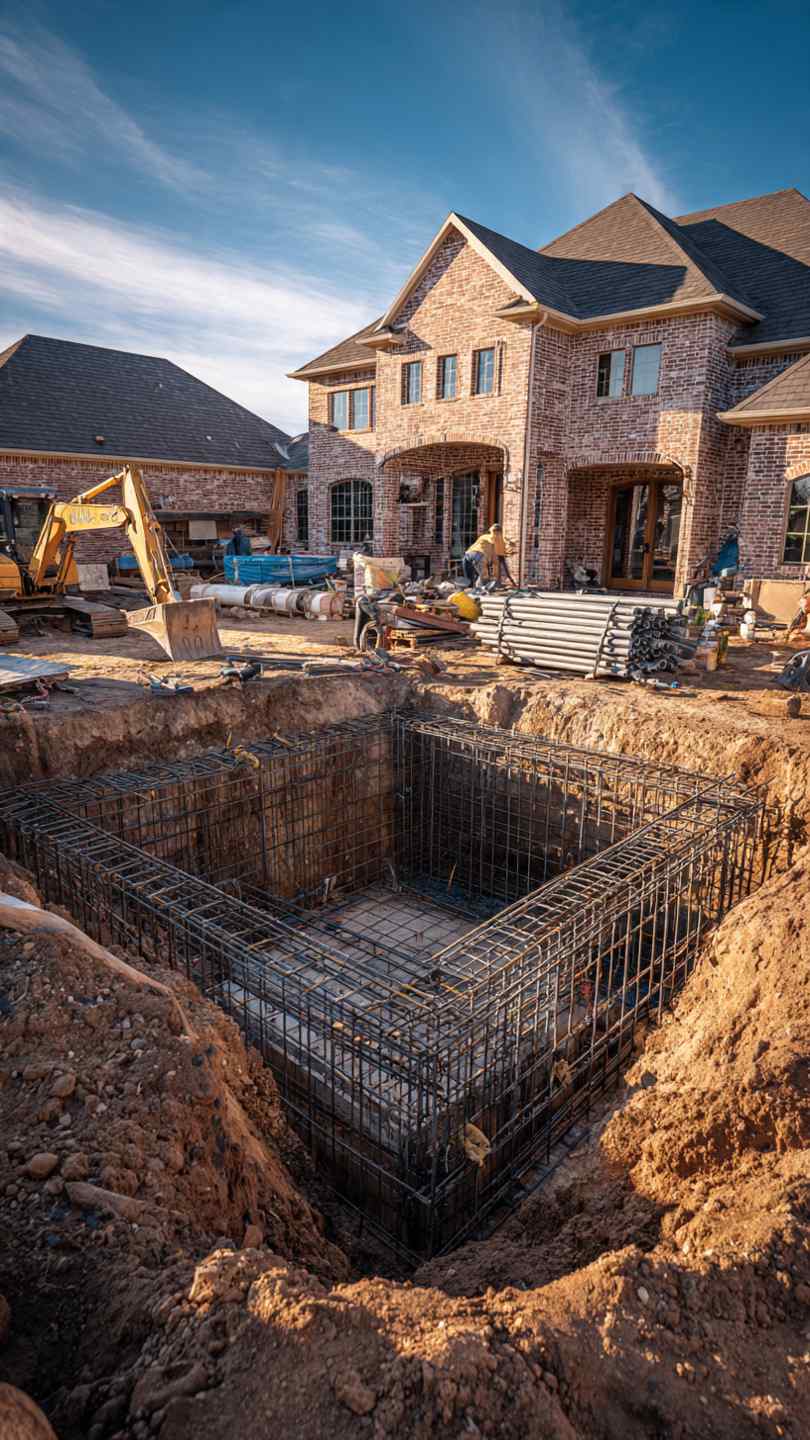
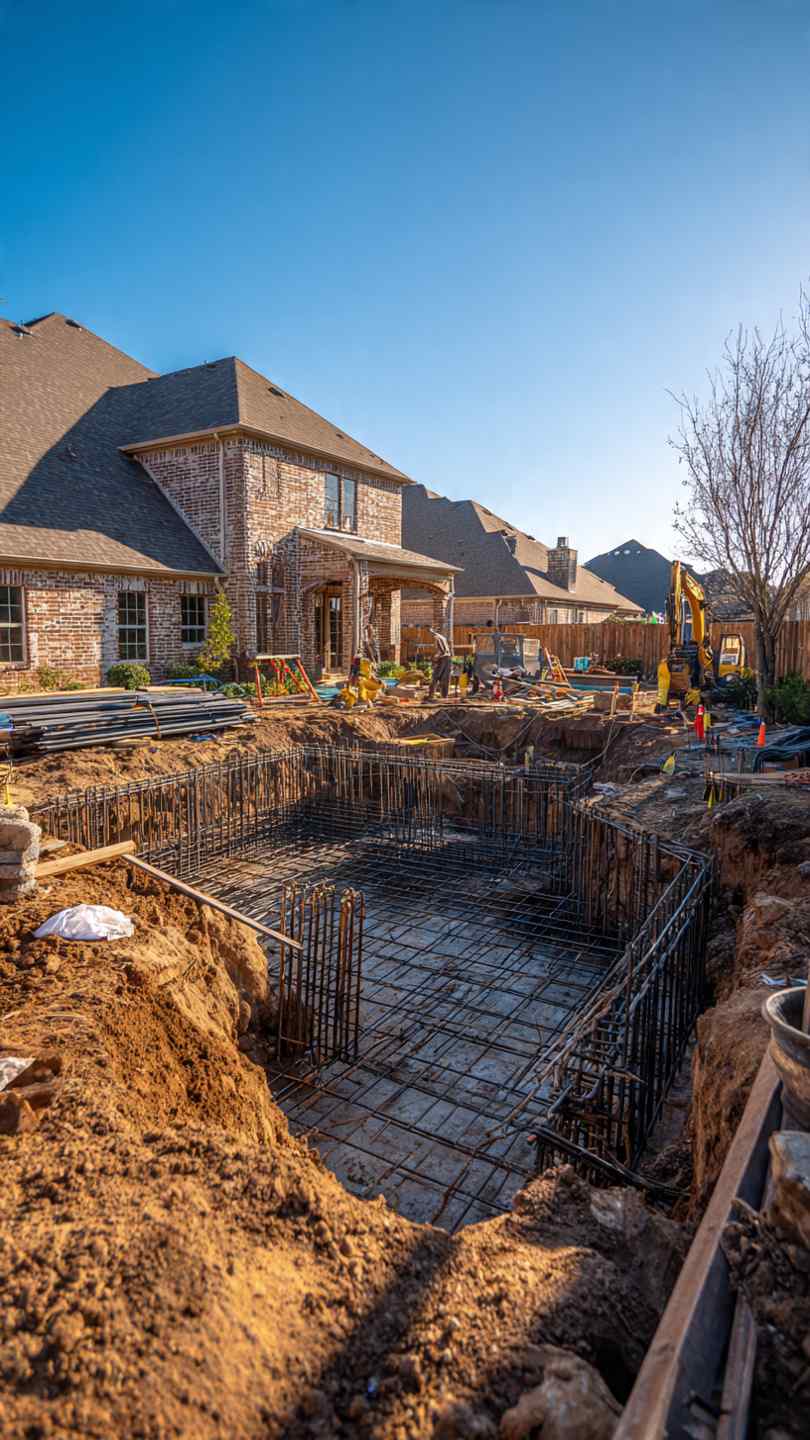
Construction and design approval. Almost every DFW HOA requires Architectural Review Committee (ARC) approval before pool construction begins. You submit plans, equipment layout, fencing design, and landscaping. Approval takes 2 to 6 weeks — start this before applying for your city permit, not after. Common pool requirements in HOA communities include specific setback lines, screened equipment pads, and approved deck materials. Building without ARC approval can result in forced modifications at your expense. Our pool cost guide covers what permitting and HOA approval add to the overall timeline and budget.
Equipment screening and noise. Many DFW HOAs require that pool equipment be screened from neighbors’ view using masonry walls, landscape screening, or equipment enclosures. Some communities have decibel limits that affect pump selection — a variable speed pump runs significantly quieter than old single-speed models, which matters in noise-conscious neighborhoods. Equipment can’t encroach on easements or setback areas. The Pool & Hot Tub Alliance notes that equipment noise complaints are among the most common HOA pool issues in master-planned communities nationwide.
Pool appearance and maintenance standards. Your HOA’s CC&Rs likely require the pool to be maintained in “good condition” — and the definition varies by community. Green or neglected pools trigger violation notices. Some HOAs conduct periodic property inspections that include the pool. Fines for pool maintenance violations run $25 to $200+ per occurrence and escalate with repeat offenses. According to Texas Realtors data, HOA violation history can affect property resale — repeated pool violations show up in HOA records that buyers review during due diligence.

HOA Pool Violations and How to Avoid Them
The most common pool-related HOA pool rules DFW violations we see: green or cloudy water visible from outside the property, unapproved fencing material or style, equipment visible without required screening, construction without ARC approval, and excessive noise from old single-speed pumps. Every one of these is preventable.
The fix is straightforward. Maintain consistent professional pool service so your pool never goes green. Get ARC approval for any visible change — fencing, equipment, decking, anything. Know your specific HOA’s CC&Rs before making changes. Upgrade to a variable speed pump if noise is a concern. Keep the equipment pad clean and screened. According to HomeAdvisor’s pool data, homeowners on regular professional service in HOA communities report fewer violation notices than those maintaining pools themselves.
DFW Master-Planned Communities With Strict Pool Requirements in HOA Rules
Some DFW communities are known for particularly detailed pool rules. Phillips Creek Ranch and Starwood in Frisco have specific material requirements and high aesthetic standards. Craig Ranch and Stonebridge Ranch in McKinney run comprehensive pool design reviews — Stonebridge is one of the largest HOAs in Texas. Tribute in The Colony has evolving rules as the community grows. Timarron in Southlake holds luxury appearance standards. Rules change regularly, so always verify with your specific HOA before starting any pool work.
HOA Community Pools vs. Private Pools — Different Rules
HOA community pools (the shared amenity pools) are governed by Texas health department commercial pool regulations, require Certified Pool Operator oversight, and need more frequent service — often daily. Our commercial pool service page covers what that involves. Private residential pools inside HOA communities follow your HOA’s CC&Rs plus city and state code. The HOA’s concern with your private pool is primarily appearance and compliance, not how you operate it day to day. The Consumer Product Safety Commission has residential pool safety standards that apply regardless of whether you’re in an HOA or not.
People Also Ask
Can my HOA tell me what pool fence I need?
Yes. HOAs can set fence material, color, height, and style requirements that exceed city code. Review your CC&Rs before purchasing fencing. Unapproved fencing is one of the most common HOA pool rules DFW violations.
Do I need HOA approval to build a pool in Frisco?
If you’re in an HOA community, almost certainly yes. Frisco’s master-planned communities require ARC approval before construction. Submit plans early — approval takes 2 to 6 weeks on top of city permitting.
Can my HOA fine me for a green pool?
Yes. Most DFW HOAs include pool maintenance in their appearance standards. A visibly green or neglected pool can trigger violation notices and fines of $25 to $200+ per occurrence, escalating with repeat offenses. Professional service prevents this entirely.
What happens if I build a pool without HOA approval?
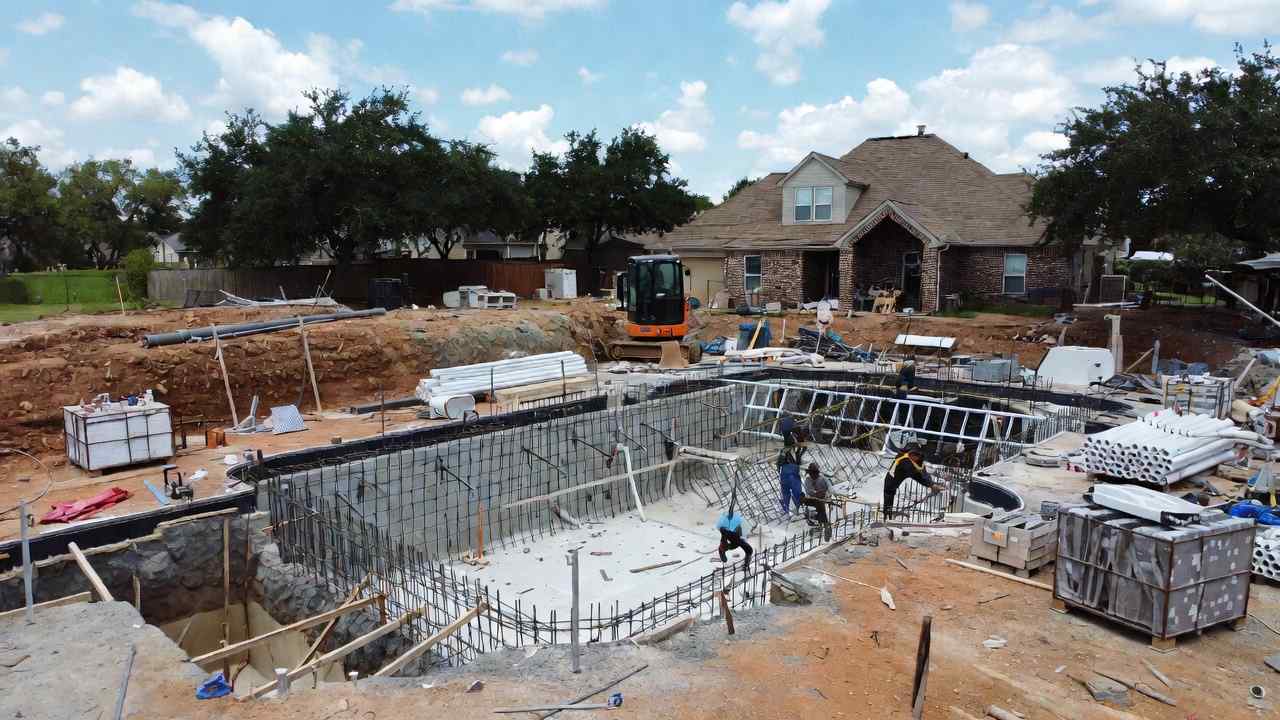
The HOA can require you to modify or remove non-approved elements at your expense. They can fine you for the violation and place a lien on your property for unpaid fines. It’s never worth skipping ARC approval.
Do HOA pool rules override city code?
HOA rules can be stricter than city code but cannot be less strict. If the city requires a 4-foot fence and the HOA requires 5 feet, you build 5 feet. If the city requires something the HOA doesn’t address, city code still applies. Our maintenance services keep your pool compliant with both.
PoolBurg Keeps Your Pool HOA-Compliant
Living in a pool in master planned community neighborhood means your pool needs to look good at all times. Contact PoolBurg for professional service that ensures your pool never triggers a violation notice. We understand HOA pool rules DFW communities enforce and maintain your pool to exceed every standard.