Pool maintenance with pets is something a lot of DFW homeowners figure out the hard way — after their dog’s been swimming all summer and the pool chemistry is a mess. North Texas is one of the most pet-friendly regions in the country, and in brutal DFW heat, letting your dog in pool water feels like the right thing to do. It is — as long as you understand what it does to your water, your equipment, and your maintenance routine. If you’ve been wondering is pool chlorine safe for dogs, the answer might surprise you. Here’s the full guide.
Is Pool Chlorine Safe for Dogs?
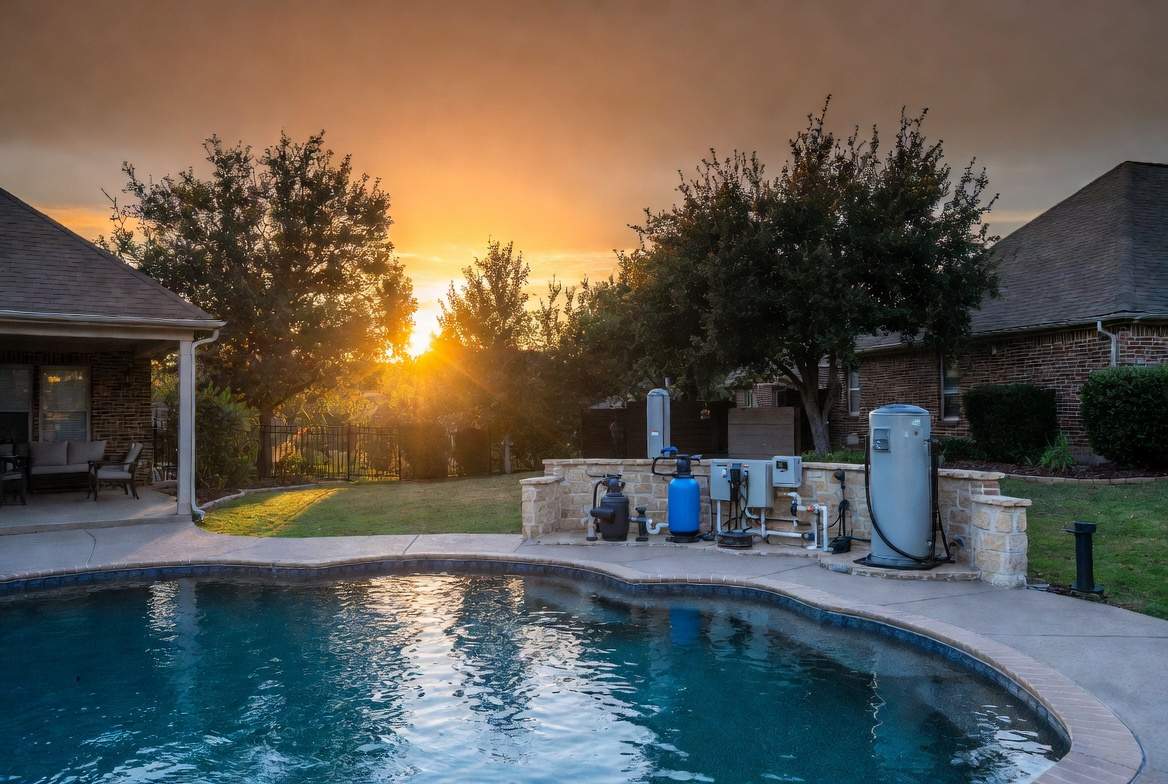
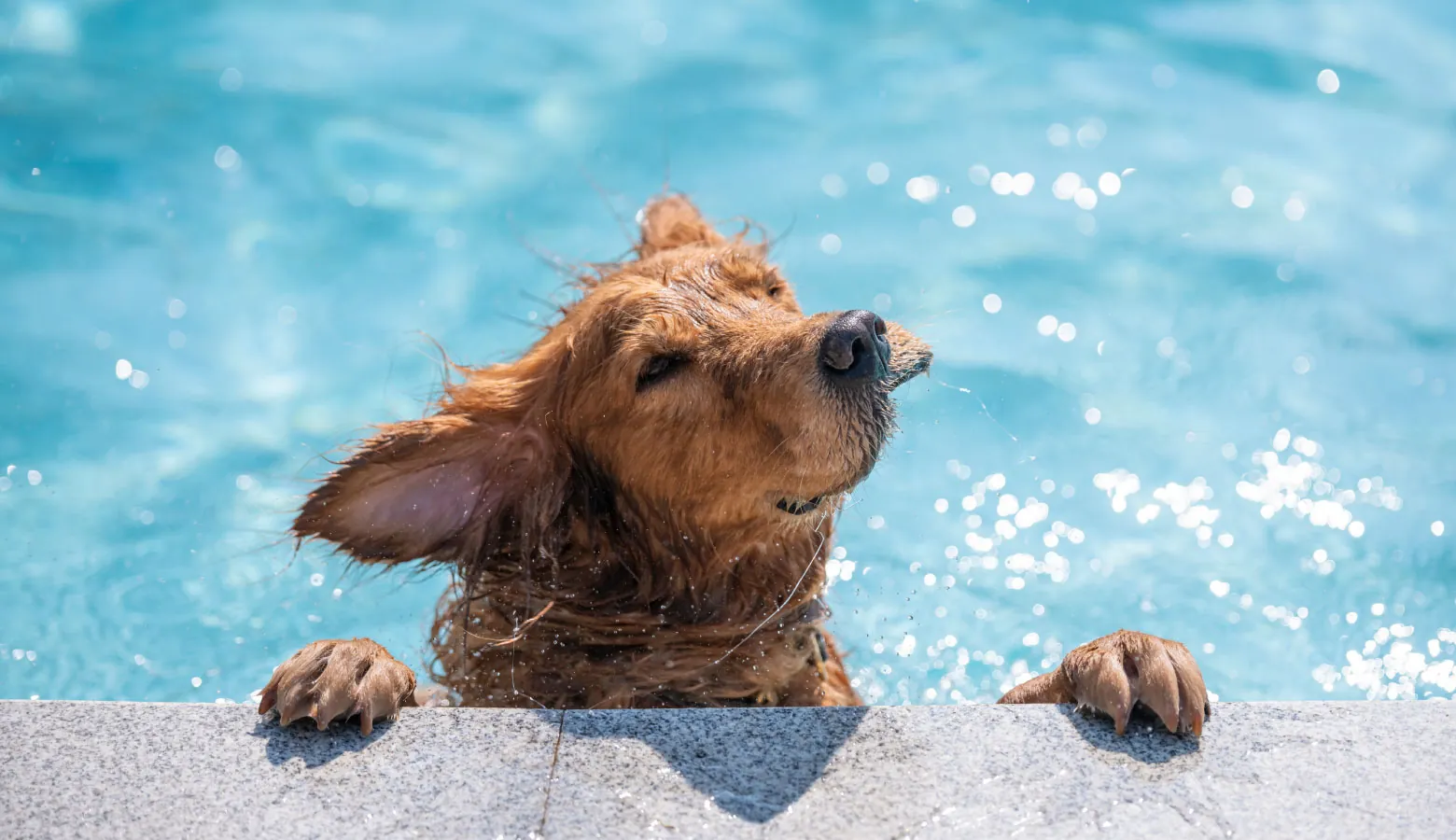
Yes — in a properly maintained pool. Chlorine levels safe for humans at 2 to 4 ppm are also safe for dogs. The same chemistry that makes water safe for your kids makes it safe for your pets. The American Veterinary Medical Association confirms that dogs can swim in chlorinated pools without health risk at normal chemical levels. So is pool chlorine safe for dogs? At maintained levels, absolutely.
When it’s not safe: immediately after shocking when chlorine is above 5 to 10 ppm, if the pool is green or cloudy with bacteria that could cause infections, if chemicals were just added (wait at least 30 minutes for routine additions), or if the dog has open wounds or skin conditions. Salt water pools are safe too — pool salt concentration at 3,000 ppm is far lower than ocean water at 35,000 ppm. Just discourage dogs from drinking pool water because large amounts of salt can cause stomach upset. Our chemical safety guide covers safe timing after chemical additions.
How a Dog in Pool Affects Your Maintenance
Here’s the part that catches people off guard: one dog in pool water equals roughly three humans of bather load. Dog fur, skin oils, dirt, and organic matter consume chlorine rapidly. A large dog swimming daily is equivalent to three extra people using your pool every day. That changes the math on everything. According to CDC healthy swimming guidelines, any increase in bather load — whether human or animal — requires proportional increases in sanitizer management.
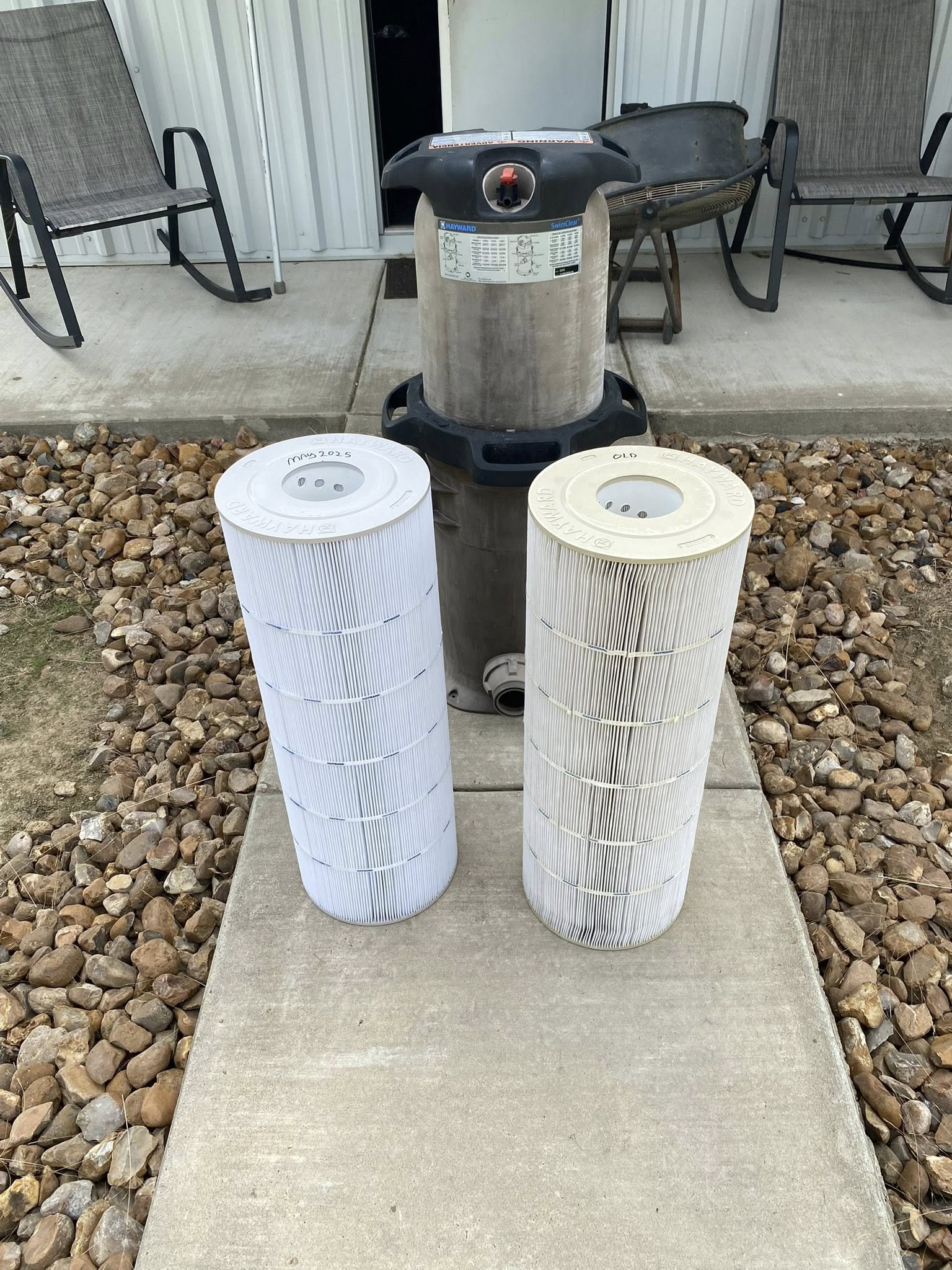
Chlorine demand increases 20 to 40% with regular dog swimming. pH fluctuates more frequently. Phosphate levels climb from organic matter. Algae risk goes up because of the nutrient loading. Dog hair clogs skimmer baskets, pump baskets, and filter media faster than anything else. Expect to clean baskets 2 to 3 times more often. Dog hair is especially notorious for clogging cartridge filters. Our filter maintenance guide covers how increased debris load affects filter life and cleaning frequency.
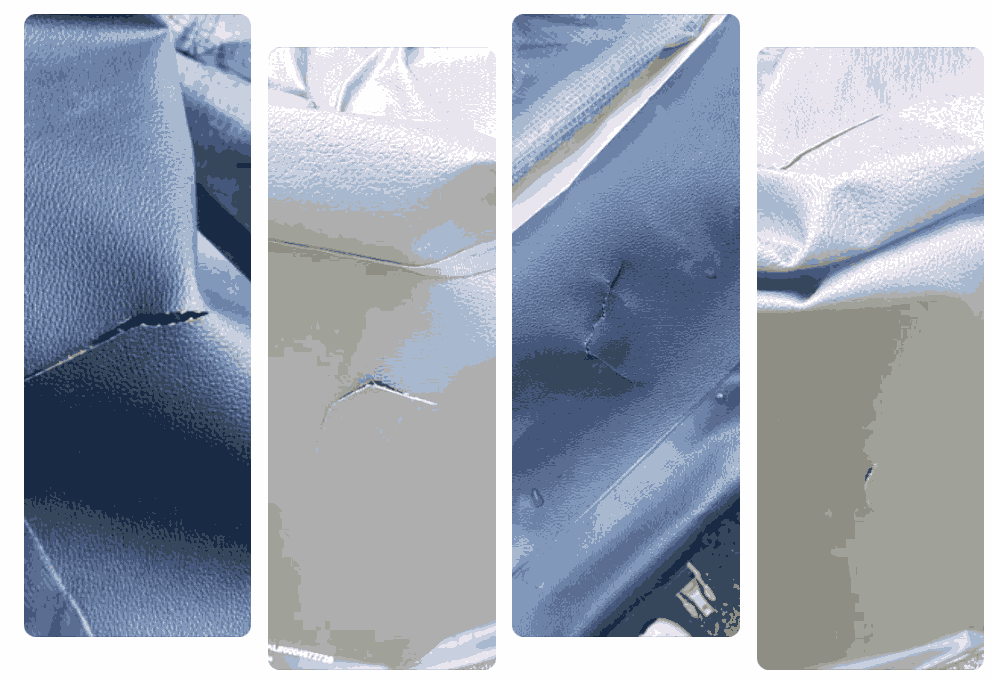
On surfaces, dog nails can scratch vinyl liners — vinyl pools and regular dog in pool use don’t mix well. Gunite, plaster, and fiberglass pools are generally resistant to nail scratches. Dogs exiting on steps or tanning ledges may cause cosmetic wear over time, but nothing structural. On equipment, dog hair in the pump impeller can cause jams. Automatic cleaners need more frequent emptying. Pool maintenance with pets is absolutely doable — it just requires adjustments.

Pool Maintenance With Pets — The Rules That Keep Water Clean
Rinse your dog before they swim. This removes dirt, loose fur, and surface oils that would otherwise go straight into the water and consume chlorine. Rinse them after swimming too — removes chlorine from fur and skin to prevent irritation. The Pool & Hot Tub Alliance recommends pre-swim rinsing for both humans and pets as one of the simplest ways to reduce chemical demand.
Clean skimmer and pump baskets every 2 to 3 days if dogs swim daily. Use a skimmer sock — a fine mesh that fits over the basket and catches dog hair before it reaches the pump. Cost: $5 to $15 for a pack. Increase chlorine testing and dosing frequency. Use an enzymatic pool cleaner weekly to break down organic oils from dog swimming. Brush and vacuum more often because dog hair settles on the floor and walls. Our maintenance tips page covers how to adjust your routine for heavier bather loads.
Trim your dog’s nails to minimize any surface scratching. And always provide a pool exit ramp or make sure your dog knows where the steps are. Dogs can’t always find their way out, and a dedicated pet ramp ($30 to $100) gives them a safe exit point. According to HomeAdvisor’s pool data, pet-owning pool households that adjust their maintenance routine proactively spend significantly less on emergency chemistry corrections and filter replacements than those who don’t.
Dog Pool Safety in DFW
Not all dogs are natural swimmers. Breeds like bulldogs, pugs, dachshunds, and corgis struggle in water. Dog life vests are available and worth the investment for breeds that need help. Never force a dog into the pool — let them enter voluntarily. Watch for signs of exhaustion because dogs will keep swimming past their stamina. After every swim, check their ears for moisture — ear infections from pool water are common in dogs. And the most important rule: never leave dogs unsupervised in the pool. The AVMA stresses that pet drowning is a real risk even for dogs that enjoy swimming. Our pool safety guide covers broader safety protocols for the entire pool area.
People Also Ask
Can dogs swim in a chlorinated pool?
Yes. Chlorine at normal pool levels (2 to 4 ppm) is safe for dogs. Avoid letting dogs swim immediately after shocking or when the pool is green or cloudy. Is pool chlorine safe for dogs at maintained levels? Absolutely.
Is pool water safe for dogs to drink?
Small amounts won’t harm them, but discourage it. Chlorinated water in small quantities is fine, but salt water pools and large amounts of any pool water can cause stomach upset. Provide fresh drinking water near the pool.
How much does a dog affect pool chemistry?
One dog equals approximately three humans of bather load. Chlorine demand increases 20 to 40%, filter load increases significantly, and phosphate levels climb. Pool maintenance with pets requires more frequent testing, dosing, and basket cleaning.
Should I rinse my dog after swimming in the pool?
Yes, both before and after. Rinsing before removes dirt and oils that consume chlorine. Rinsing after removes chlorine from fur and skin to prevent dryness and irritation.
Can dog hair clog my pool filter?
Yes. Dog hair is one of the worst filter cloggers. It wraps around cartridge pleats, fills baskets fast, and can jam pump impellers. Use a skimmer sock, clean baskets frequently, and expect to clean your filter more often. Our filter guide covers maintenance for pet-heavy pools.
Got a Pool Dog? PoolBurg Adjusts for Pets
Pool maintenance with pets is our thing. Tell us you’ve got a swimmer at home and we’ll adjust your service plan — extra chemistry attention, more frequent basket cleaning, and the right products to handle increased bather load. Contact PoolBurg and let us keep the water perfect for everyone in the family, four legs included.