Your first pool service visit should feel like someone just lifted a weight off your shoulders — not like someone is trying to sell you things you don’t need. Starting pool service is one of the best decisions a DFW pool owner can make, but if you’ve never hired a professional before, you might not know what the process looks like. This guide walks through the entire experience from initial call to stabilized pool so you know exactly what to expect from pool service and when you’ll start seeing results.
Before Your First Pool Service Visit — Onboarding
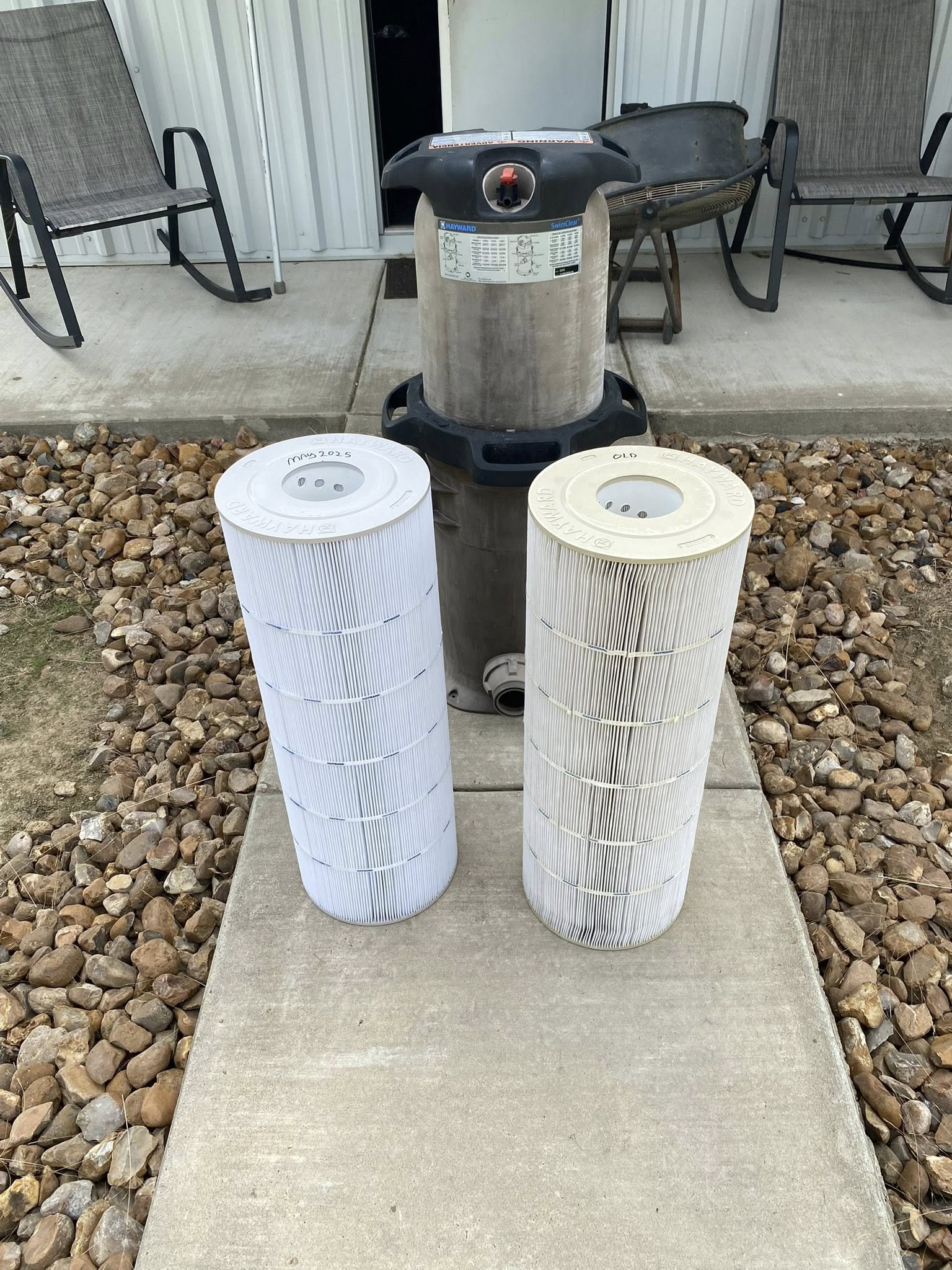
Under normal conditions, every 2 to 4 weeks. During pollen season from March through June, bump that to every 1 to 2 weeks because pollen loads up the pleats fast. Heavy debris periods like fall leaf drop and post-storm cleanup may require weekly cleaning. After any algae treatment, clean the cartridge within 24 hours because dead algae packs into the fabric and restricts flow immediately.
The pressure gauge is your best guide for pool cartridge filter cleaning timing — clean when pressure rises 8 to 10 PSI above your clean baseline. The Pool & Hot Tub Alliance recommends pressure-based cleaning over calendar-based to avoid both under-cleaning and unnecessary wear from over-handling.
How to Clean Pool Cartridge Filter — Step by Step
Step 1: Turn off the pump. Never open the filter housing with the pump running.
Step 2: Relieve pressure. Open the air relief valve on top of the filter to release trapped pressure before removing the lid.
Step 3: Remove the filter lid. Unscrew the clamp band or bolts holding the top in place. Lift straight up.
It starts with an initial consultation — phone, text, or in-person. We learn about your pool: size, surface type, equipment, current condition, specific concerns, and schedule preferences. We discuss service plan options so you choose the right level for your needs. The Pool & Hot Tub Alliance recommends that homeowners share as much pool history as possible during onboarding because it helps the technician understand what they’re walking into.
What to have ready before your first pool service visit: make sure the gate is accessible and equipment area is clear, write down any specific concerns or problems you’ve noticed, and share any maintenance history you know — even approximate dates of last filter cleaning, last drain, or last equipment repair help.
What Happens at the First Pool Service Visit
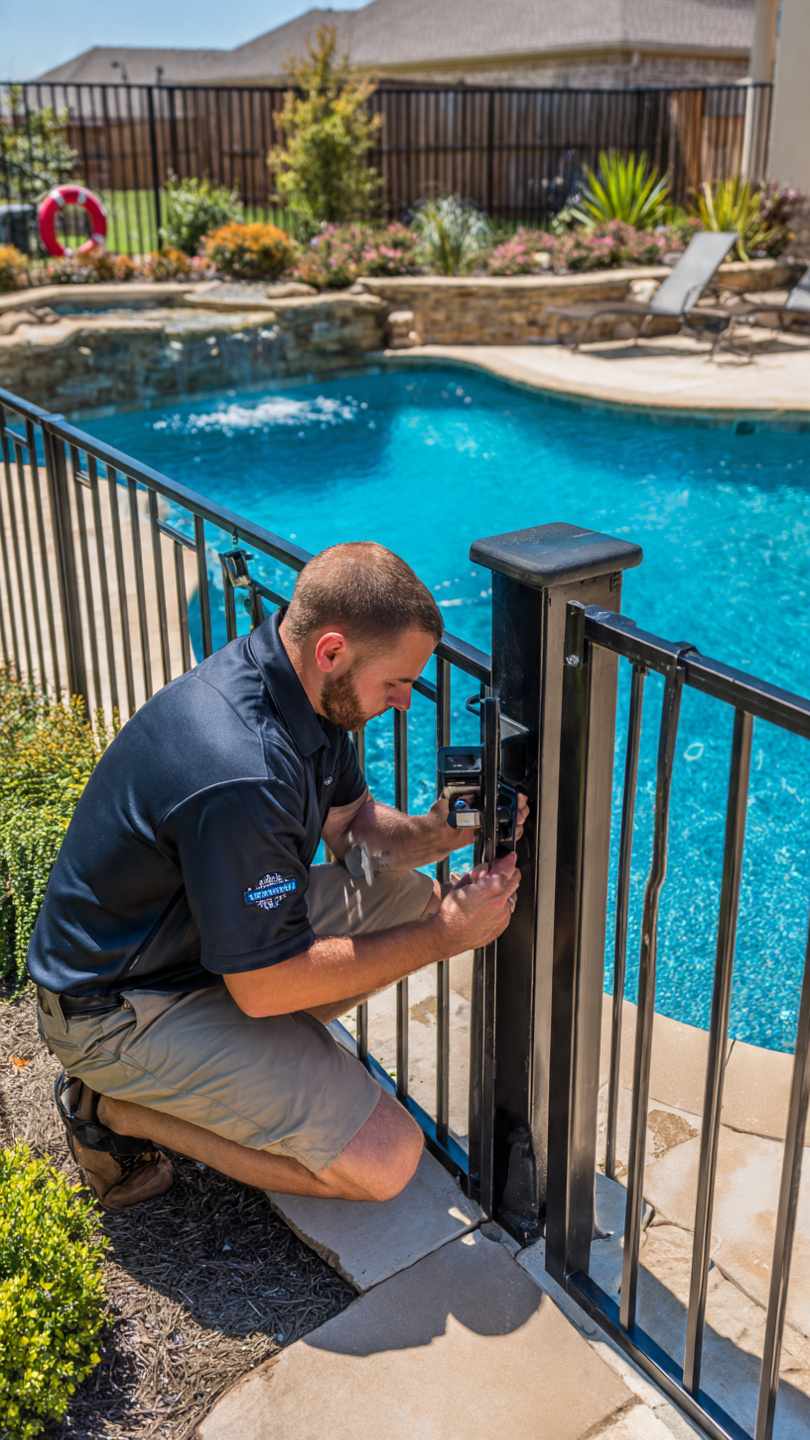
The first visit takes longer than a normal service — usually 15 to 30 minutes beyond the standard time. Your technician is learning your pool. They document pool size, surface type, and every piece of equipment: brand, model, age, and condition. They photograph the equipment pad for records. They run a comprehensive water chemistry test — a full panel, not just chlorine and pH. They inspect the pump, filter, heater, salt system, automation, lights, and valves.
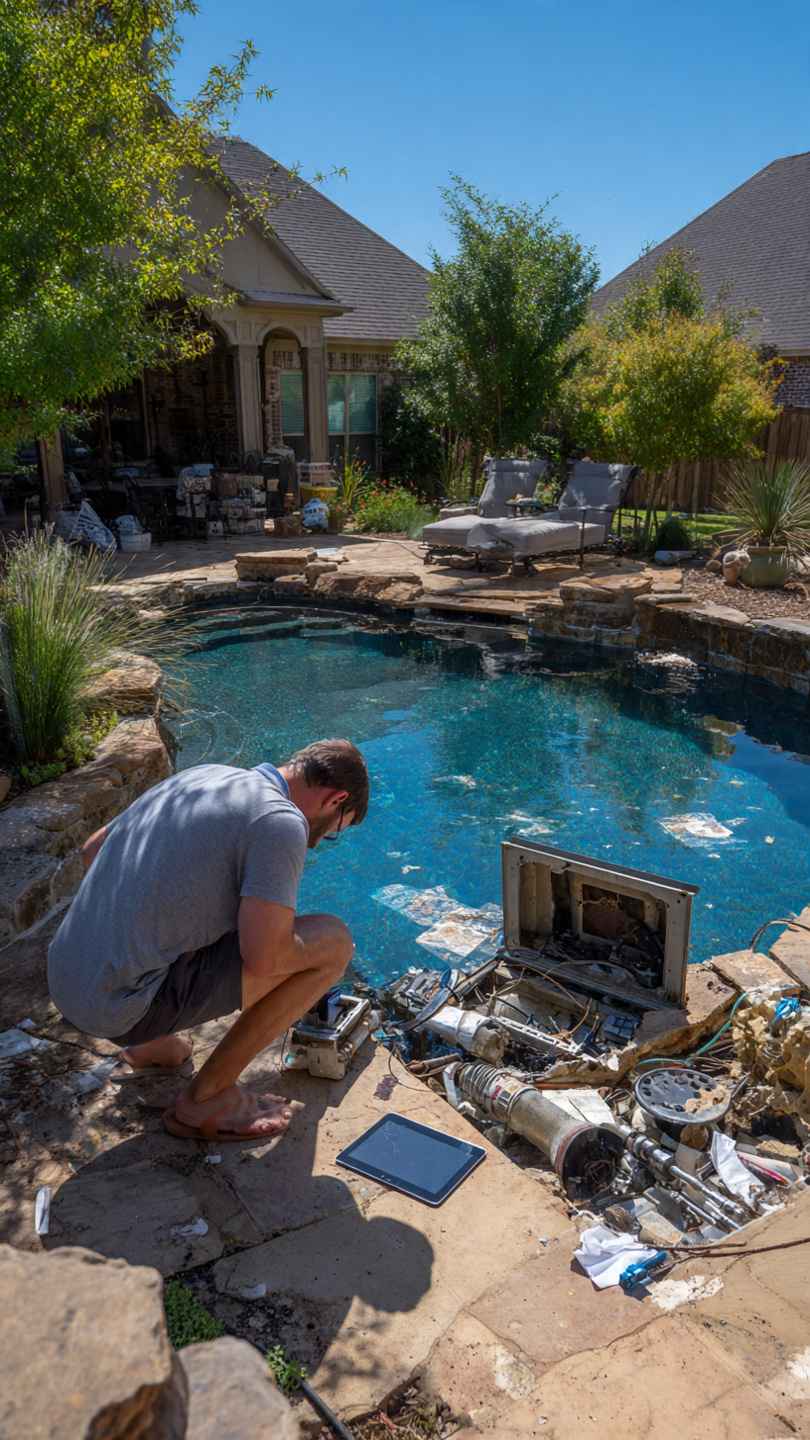
They note immediate concerns and any safety issues. According to HomeAdvisor’s pool data, pools that receive a thorough initial assessment have significantly fewer emergency service calls in the first year compared to pools where service started without a baseline evaluation.
Then the actual service happens. Skim, brush, vacuum. Clean all baskets. Full chemical testing and balancing to DFW target ranges — our water chemistry guide covers what those ranges are. Filter inspection and cleaning if needed. Equipment pad cleanup. After the visit, you get a digital report: chemical levels before and after, equipment condition notes, concerns and recommendations, and photos if relevant. This becomes your baseline — every future visit is measured against it.
Your dedicated technician introduces themselves, explains findings, actions taken, and any concerns. If repairs are needed, pricing is transparent — no pressure, no upselling. The first pool service visit sets the tone for the entire relationship.

What Changes After Starting Pool Service
Visits 2 through 4: stabilization. It takes 2 to 4 visits to fully dial in your pool, especially if it was previously neglected or on DIY maintenance. Chemistry may need several rounds of adjustment. CYA may be too high and need a drain plan. Equipment issues discovered on the first visit may need scheduling. But water improves noticeably each week. The CDC notes that consistent professional chemistry management brings pool water into compliance ranges faster and more reliably than intermittent DIY testing.
Visits 5 and beyond: maintenance mode. Your pool is stabilized. Each visit is consistent — test, balance, clean, inspect, report. Your tech knows your pool’s patterns and adjusts proactively. Seasonal adjustments happen automatically based on our monthly maintenance calendar. You stop thinking about pool chemistry and start just enjoying the pool.
What You Should Do as a New Pool Service Customer
Do communicate. Tell us about upcoming parties, vacations, equipment issues, or anything unusual — it helps us prepare. Do maintain water level between visits because DFW evaporation is real, especially in summer. Do empty skimmer baskets between visits if they fill up. Our maintenance tips page covers what’s helpful between service visits.
Don’t add your own chemicals between visits — it disrupts our balancing and can create problems we have to fix next time. Don’t worry about testing between visits because we test every time. And don’t expect perfection on day one. Stabilization takes 2 to 4 visits, but the improvement is dramatic. According to the U.S. Department of Energy, professionally managed pools maintain more stable chemistry with less total chemical consumption than owner-managed pools.
How to Know Your Pool Service Is Working
After one month, water should be noticeably clearer and more consistently balanced. After two months, equipment is running optimally and chemistry is stable. After three months, you’re thinking “why didn’t I do this sooner?” After six months, you’ll see reduced chemical costs, zero algae incidents, and equipment running smoothly. If you’re not seeing improvement after a month, communicate with your company — something needs adjustment. Our crystal clear water guide covers the benchmarks for what properly maintained DFW water looks like.
People Also Ask
What happens at the first pool service visit?
A thorough pool assessment: equipment documentation, comprehensive water testing, full cleaning, baseline chemistry balancing, and a digital report with findings and recommendations. The first pool service visit takes longer than normal because the technician is learning your pool.
How long does it take for pool service to get my pool looking good?
Noticeable improvement after the first visit. Full stabilization takes 2 to 4 visits. After a month of consistent service, water clarity and chemistry should be dramatically better than when you started.
Should I add chemicals between pool service visits?
No. Adding chemicals between visits disrupts the balancing your technician is doing. The only exception: if your service company specifically asks you to add something between visits for a specific reason. Otherwise, leave the chemistry to the professionals.
How do I know if my pool service is doing a good job?
Consistently clear water, stable chemistry, clean equipment pad, regular digital reports, proactive communication about concerns, and transparent pricing on any repairs. If algae shows up regularly or water is frequently off, something needs to change. Our maintenance services page covers what professional service should include.
Can I switch pool service companies if I’m not happy?
Absolutely. Most residential pool service is month-to-month with no long-term contracts. If your current provider isn’t delivering results after reasonable time, switching is straightforward. What to expect from pool service should include visible results within 30 days.
Your First Pool Service Visit Is Free With PoolBurg
Free initial pool assessment, transparent pricing, no commitment required. Your first pool service visit should feel like a relief — and with PoolBurg, it does. Schedule your free assessment today and experience the difference professional DFW pool care makes from day one.