While it might seem like a sharp scent confirms a sanitized environment, a strong chlorine smell in pool water is actually a distinct warning signal. In reality, a properly balanced backyard oasis should have a very mild aroma rather than an overwhelming chemical punch. If you notice a pool smells like chlorine—particularly when paired with burning eyes in pool water—the culprit is likely combined chlorine, or chloramines in pool water, which indicates the sanitizer is struggling rather than simply being over-applied.
For homeowners in Allen, Frisco, Plano, McKinney, The Colony, Lewisville, Wylie, and Prosper, this shows up a lot after big swim weekends, kids parties, sunscreen-heavy days, or warm stretches where the pool is working overtime. The fix is not always to dump in more chlorine. The smarter move is to test the water, find out what the chlorine is reacting with, and clean up the cause.
Why a Strong Chlorine Smell in Pool Water Is Misleading
A strong chlorine smell in pool water is usually tied to chlorine reacting with sweat, oils, sunscreen, urine, dirt, and other organic stuff swimmers bring into the water. That reaction can create chloramines in pool water, which are the compounds most people notice as that sharp pool chemical smell.
In plain English, the chlorine is not just sitting there doing nothing. It is fighting contamination. Once too much chlorine gets tied up as combined chlorine, the pool can smell harsher while actually becoming less comfortable and less effective at staying clean.
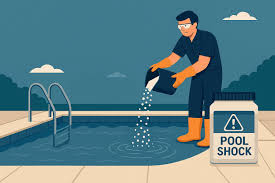
What Causes Strong Chlorine Smell?
The most common cause is a heavy contaminant load. That can be sweat, sunscreen, body oils, leaves, pollen, or swimmers who did not rinse before jumping in. A pool smells like chlorine faster when there are more people in the water and not enough free chlorine available to keep up.
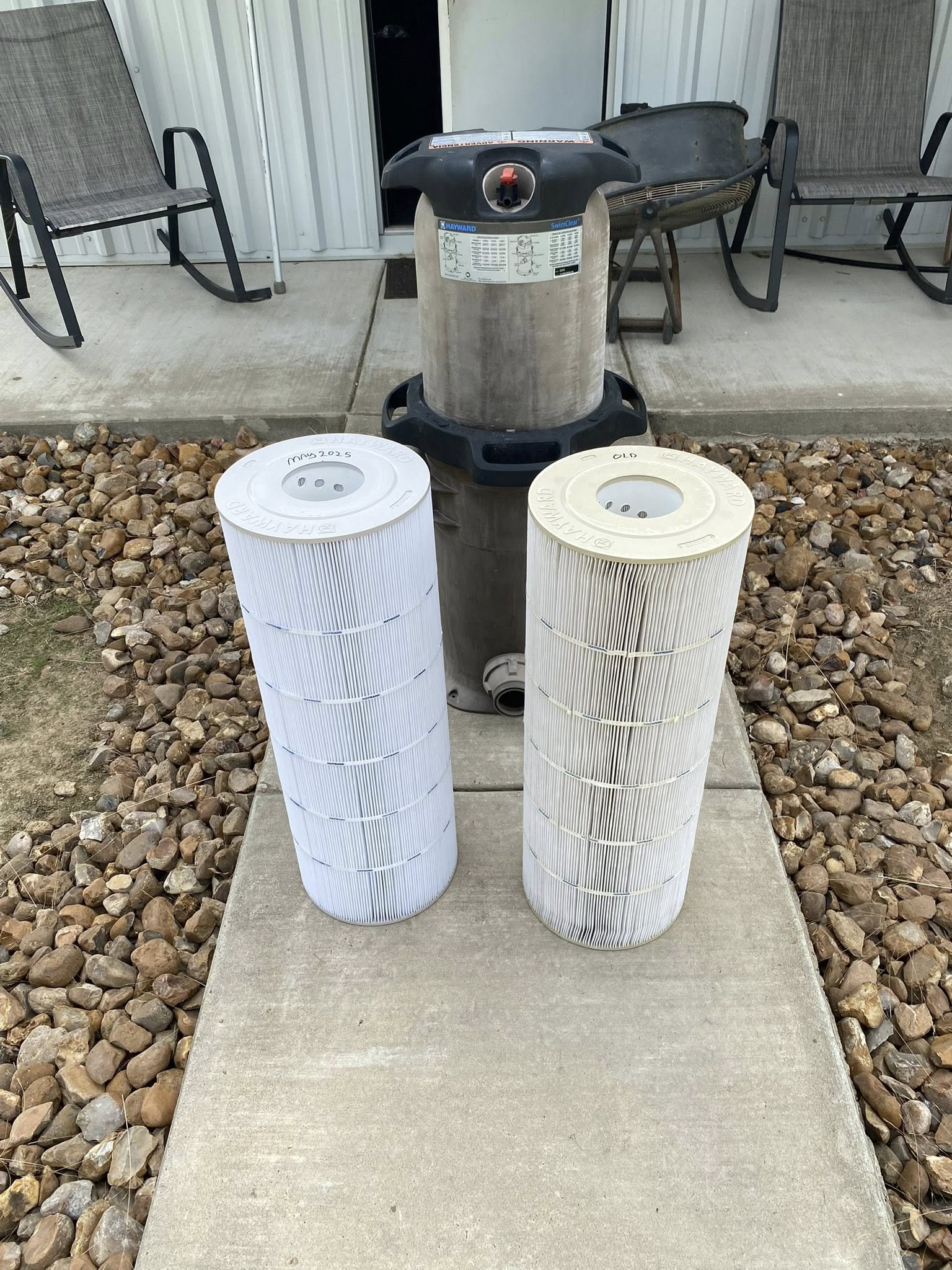
Low free chlorine, high combined chlorine, poor circulation, a dirty filter, and weak brushing can all make the problem worse. If the water is dull or cloudy at the same time, the pool may need more than a quick chemical adjustment. It may need circulation, filtration, and cleanup working together.
Signs Chloramines May Be the Problem
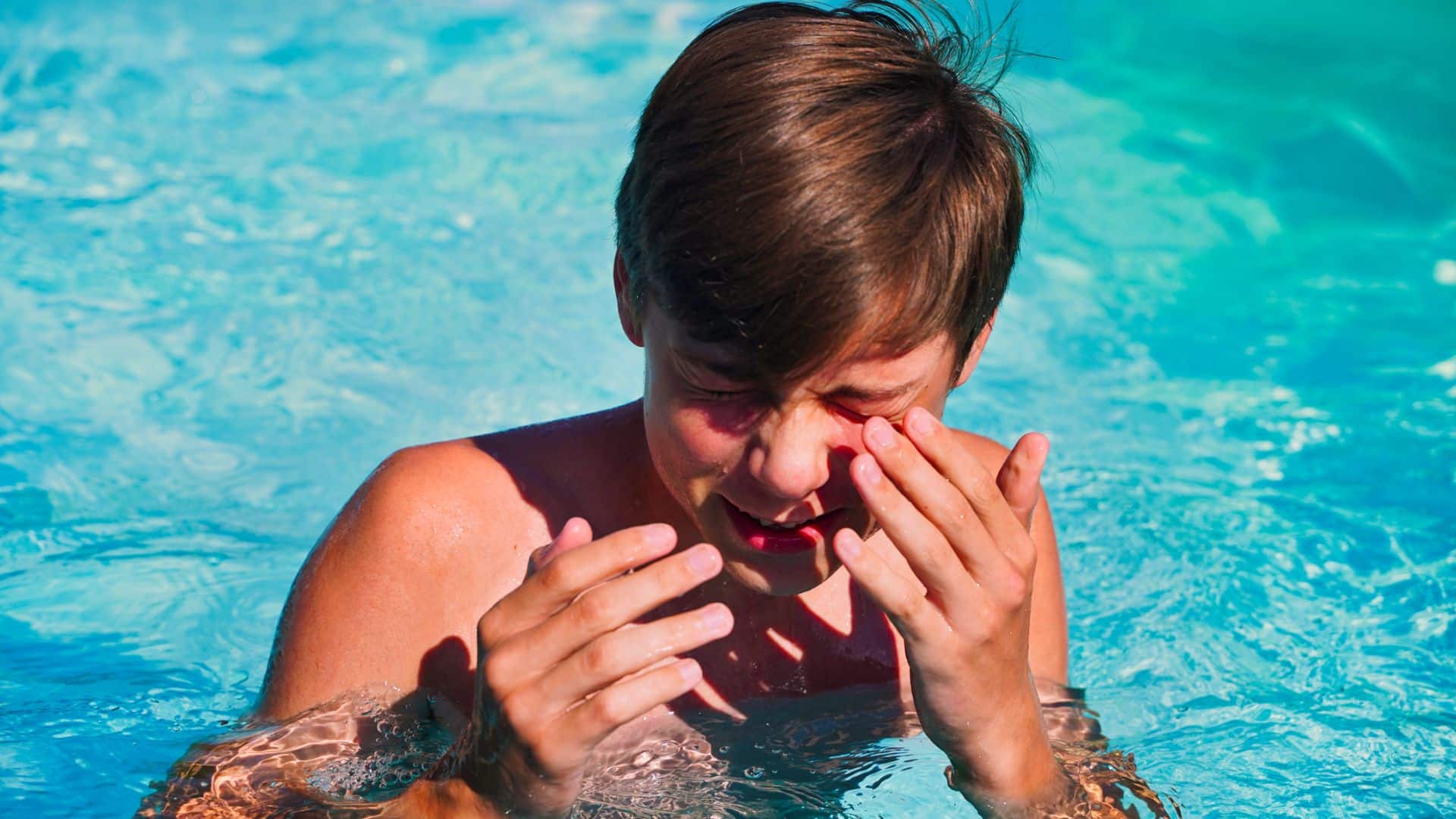
The biggest clues are smell and swimmer comfort. A strong chlorine smell in pool water, burning eyes in pool water, itchy skin, irritated throat, coughing around the pool, or that heavy “chemical” feeling after swimming can all point toward chloramines.
This is why the old idea that “a strong-smelling pool is a clean pool” gets homeowners into trouble. A balanced pool should smell mild, not harsh. If swimmers complain every time they get out, the water is asking for a real test, not a guess.
How to Fix Strong Pool Chemical Smell
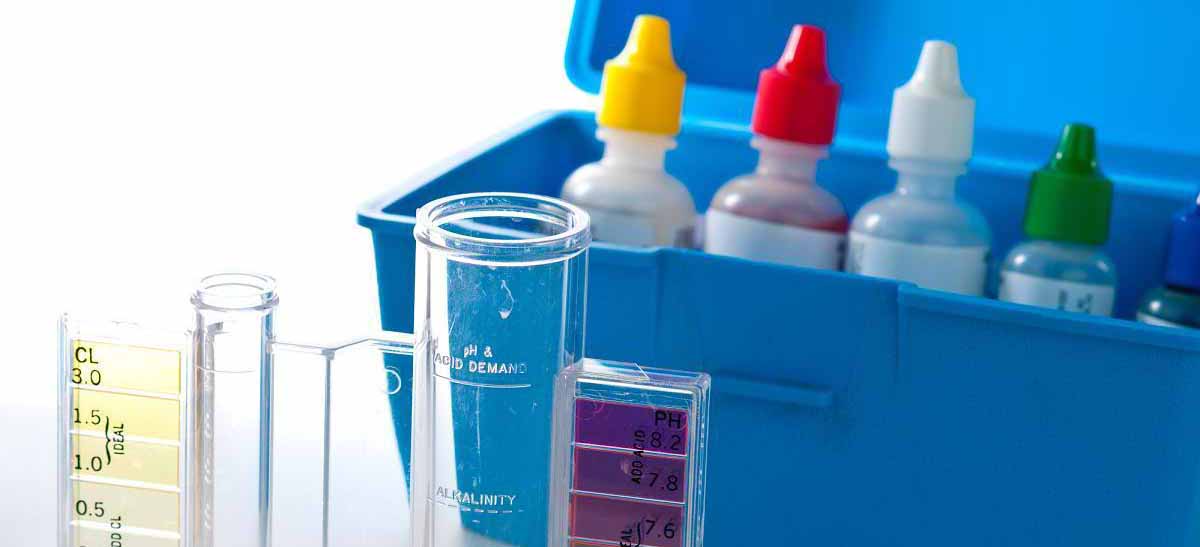
Start by testing free chlorine, total chlorine, combined chlorine, and pH. Combined chlorine is found by comparing total chlorine and free chlorine. If combined chlorine is high, the pool may need proper shocking, better circulation, filter cleaning, brushing, and time to clear the waste load.
Do not just keep adding random products. If pH is off, chlorine can feel harsh or act weaker. If the filter is dirty, contaminants stay in the water longer. If the pump schedule is too short, chemicals do not mix evenly. A strong chlorine smell in pool water often improves when the entire water system is corrected, not just one number.
A simple homeowner checklist:
- Test free chlorine, total chlorine, combined chlorine, and pH.
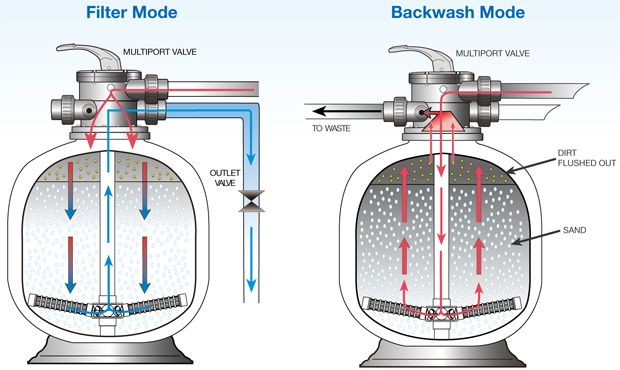
- Clean or backwash the filter if pressure or flow looks off.
- Brush steps, corners, benches, and shaded areas.
- Skim out leaves, pollen, and sunscreen scum at the surface.
- Ask swimmers to rinse before getting in, especially before parties.
Why pH Still Matters
pH is the sneaky part. CDC home-pool guidance recommends checking chlorine and pH regularly because both affect safety and comfort. When pH drifts too high, chlorine becomes less effective. When pH drops too low, water can feel aggressive and irritating. Either way, pool water balance matters.
So if your pool smells like chlorine and everyone says their eyes burn, do not assume the answer is “more chlorine.” The answer may be better testing, pH correction, cleaner filtration, or a proper shock process that targets chloramines in pool water.
When to Call for Help
Call a pool professional when the smell comes back quickly, the pool stays cloudy, combined chlorine keeps reading high, or the filter and circulation system do not seem to be keeping up. PoolBurg can test free chlorine, combined chlorine, pH, filtration, and circulation so the pool smells clean for the right reasons.
For busy family pools across North Texas, this matters. A strong chlorine smell in pool water is not something to ignore or cover up. It is a clue. Once you know what the water is reacting to, you can fix the pool instead of chasing the smell all summer.
People Also Ask
Why does my pool smell strongly like chlorine?
A strong chlorine smell in pool water usually means chlorine is reacting with swimmer waste, oils, sunscreen, or other contaminants. The smell often comes from chloramines, not clean free chlorine.
Does chlorine smell mean too much chlorine?
Not always. A pool chemical smell often means there is too much combined chlorine and not enough effective free chlorine doing the job comfortably.
What are chloramines?
Chloramines are combined chlorine compounds formed when chlorine reacts with ammonia and organic waste such as sweat, urine, dirt, and body oils.
Why do my eyes burn in the pool?
Burning eyes in pool water can come from chloramines, poor pH balance, or both. Testing free chlorine, combined chlorine, and pH gives a much clearer answer.
Should I shock a pool that smells like chlorine?
Sometimes, yes, but only after testing. If combined chlorine is high, proper shocking may help. If pH or filtration is the bigger issue, shock alone may not solve it.
Can dirty filters cause chemical smell?
Yes. A dirty filter can leave contaminants in the water longer, which gives chlorine more waste to react with and can worsen smell, cloudiness, and irritation.
PoolBurg Can Help Clear the Smell the Right Way
If your pool has a strong chemical odor, burning eyes, cloudy water, or swimmers complaining after every dip, PoolBurg can test the real water chemistry and check the equipment behind it. Instead of guessing, we can identify whether the problem is chloramines, pH, poor filtration, heavy swimmer load, or circulation trouble.