Broken pool pump motor problems are one of the most common equipment failures pool owners face. When a broken pool pump motor occurs, water circulation stops, filtration shuts down, and algae can begin forming quickly. The good news is that many broken pool pump motor issues can be repaired by replacing specific components rather than the entire pump system.
Understanding the best replacement parts for a broken pool pump motor can save hundreds of dollars while keeping your pool equipment running smoothly. According to the Pool & Hot Tub Alliance equipment maintenance guide, proper maintenance and timely repairs significantly extend pump life.
Why Pool Pump Motors Fail So Often in DFW
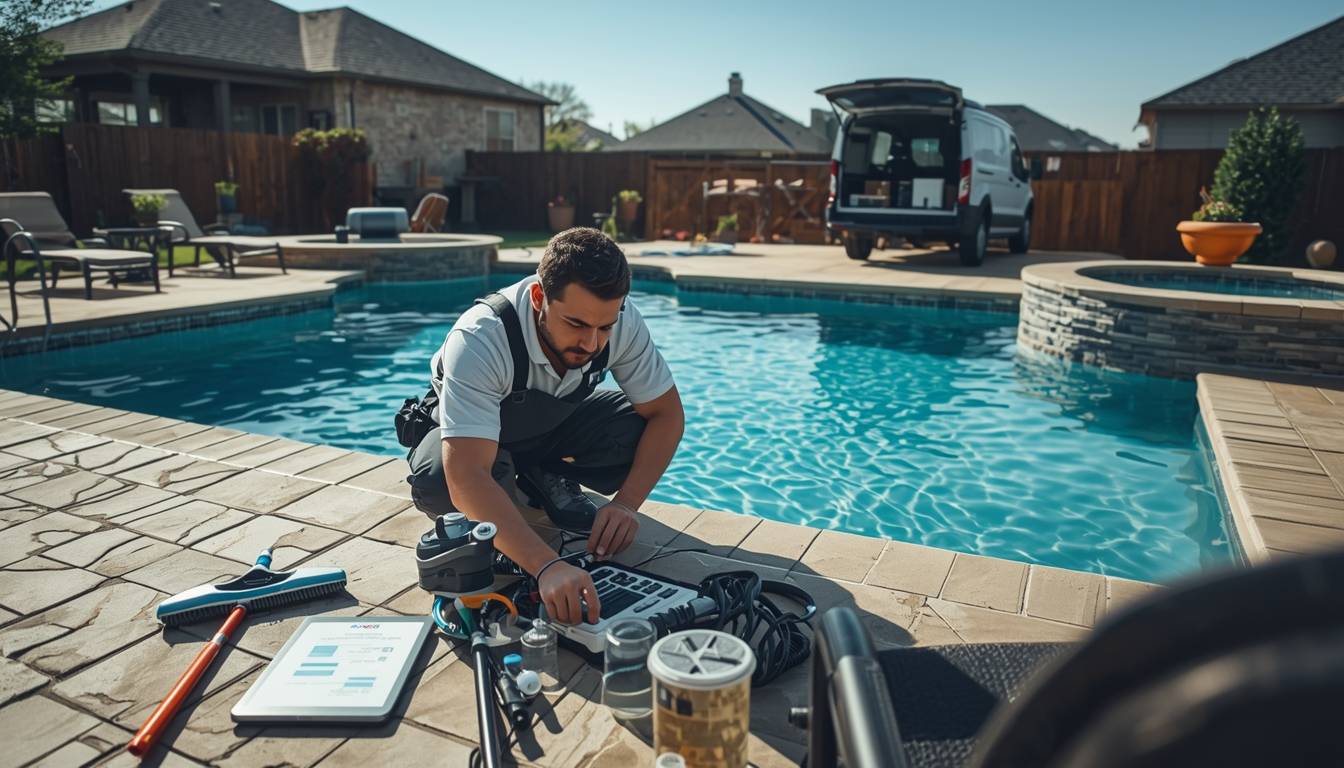
North Texas pool equipment works harder than most regions due to climate conditions. Long summers mean pumps often run 10–12 hours per day, placing heavy stress on motors.
Heat is a major factor. High temperatures force motors to run hotter, especially older single-speed pumps. Dust, pollen, and yard debris common in the region can clog motor ventilation openings, causing overheating.
Another challenge is mineral-heavy water. According to EPA water hardness resources, hard water contains high calcium levels that can slowly damage internal pump components.
Many pump failures happen because early warning signs are ignored. Strange noises, overheating, or reduced performance often signal that a broken pool pump motor may be developing.
The Most Common Pool Pump Motor Parts That Need Replacement
Pool pump motor (entire motor assembly)
If the motor is burned out, seized, or severely corroded, replacing the entire motor assembly is the best option. Most motors last 7–12 years depending on maintenance and run time.
When replacing a broken pool pump motor, it’s important to match horsepower, voltage, and frame size. Many homeowners also choose to upgrade to newer, more efficient motors.
You can see pump efficiency guidelines from the U.S. Department of Energy pump efficiency standards.
Motor shaft seal
The shaft seal is a small but extremely important component. It prevents water from leaking from the pump housing into the motor.
Whenever a broken pool pump motor is replaced, technicians almost always install a new shaft seal as well. If this seal fails, water enters the motor housing and causes corrosion or electrical damage.
Capacitor (start or run capacitor)
A capacitor helps the motor start and maintain proper speed. One common symptom of capacitor failure is when the pump hums but does not start.
Fortunately, capacitors are relatively inexpensive compared to replacing the entire broken pool pump motor.
Detailed electrical explanations can be found in InterNACHI’s motor capacitor overview.
Motor bearings
Bearings allow the motor shaft to spin smoothly. Over time they wear out, especially if exposed to moisture or heat.
When bearings fail, the pump usually produces loud grinding or screeching noises. This often means the broken pool pump motor is nearing the end of its usable life.
Best Replacement Motor Options for Pool Pumps


OEM replacement motors
OEM motors are produced by the same manufacturer as the original pump. These replacements ensure perfect compatibility with the existing pump housing.
Many pool technicians recommend OEM replacements for fast and reliable broken pool pump motor repairs.
Upgraded energy efficient motors
Modern high-efficiency motors use less electricity and produce less heat. According to ENERGY STAR pool pump efficiency resources, efficient pumps can dramatically reduce energy consumption.
Replacing an older broken pool pump motor with a high-efficiency model can lower operating costs over time.
Variable speed pump upgrades
Variable-speed pumps are the most energy-efficient option available today. These systems adjust motor speed depending on filtration needs.
Many homeowners replace a broken pool pump motor by upgrading the entire system to a variable-speed pump because it can reduce energy costs by up to 80%.
Factors to Consider When Choosing Replacement Motor Parts
Horsepower and motor frame size
Replacement motors must match the original pump design specifications. Incorrect sizing can damage the pump or reduce water circulation.
Voltage compatibility
Most residential pumps operate on either 115V or 230V. A replacement motor must match the electrical configuration of the pool equipment.
Pump brand and model
Different brands require specific motor designs. Some of the most common manufacturers include Pentair, Hayward, and Jandy.
Manufacturer specifications are usually available in equipment manuals such as those found in Pentair’s pool equipment documentation.
Energy efficiency and operating costs
Upgrading during a broken pool pump motor repair can reduce long-term energy bills while improving pump reliability.
Signs Your Pool Pump Motor Needs Replacement Parts
Pump motor humming but not starting
Often caused by a failed capacitor or a seized motor shaft.
Loud grinding or screeching noises
This usually indicates worn motor bearings.
Pump repeatedly shutting off or overheating
Overheating often signals internal motor damage.
Water leaking between the pump and motor
A failed shaft seal can allow water into the motor housing and cause a broken pool pump motor.
People Also Ask
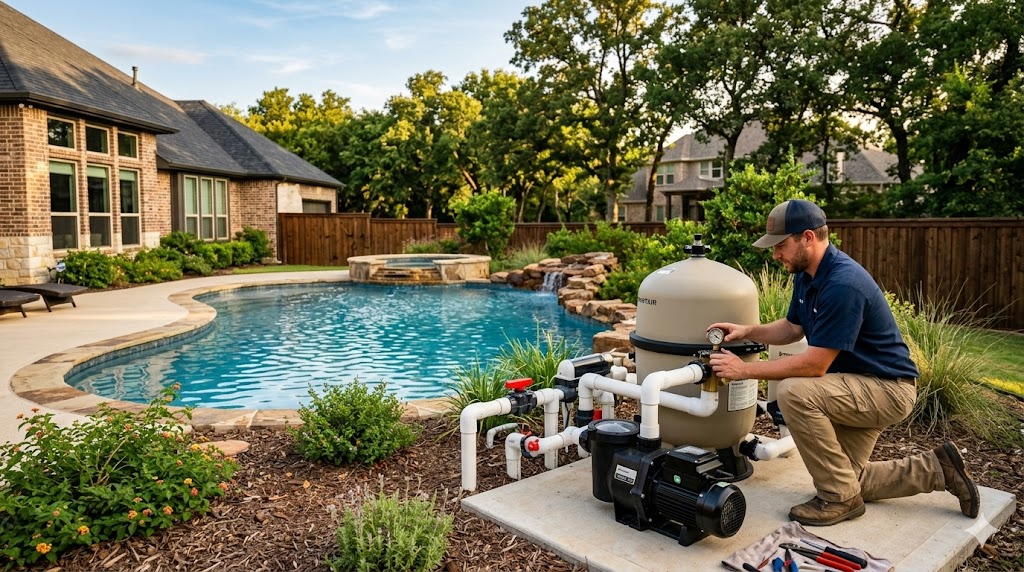
Can a pool pump motor be repaired or should it be replaced?
Some components like capacitors or seals can be replaced. However, severe damage may require replacing the entire motor.
How much does it cost to replace a pool pump motor?
Motor replacement typically ranges from $300 to $900, depending on motor type and labor.
What causes pool pump motors to burn out?
Overheating, poor ventilation, worn bearings, and electrical issues are common causes.
How long should a pool pump motor last?
Most motors last 7–12 years with proper maintenance.
Can I replace a pool pump motor myself?
Technically yes, but it requires electrical and mechanical knowledge. Most homeowners hire professionals.
Is it better to replace the motor or the entire pump?
If the pump housing is in good condition, replacing the motor is usually sufficient. Older systems may benefit from full pump upgrades.
PoolBurg Diagnoses and Replaces Pool Pump Motors Quickly
When a broken pool pump motor happens, fast diagnosis is critical. PoolBurg technicians identify whether the problem involves the motor, capacitor, bearings, or seals.
We install high-quality replacement components designed for long-term reliability. When appropriate, we also recommend energy-efficient upgrades such as variable-speed pumps.
If your pool pump motor has failed, PoolBurg technicians can diagnose the problem and install the right replacement parts to get your pool running again.