Fix broken pool heater problems quickly and you can often avoid a much bigger bill later. Many homeowners ignore early warning signs like strange noises, inconsistent heating, or the heater refusing to start. Unfortunately, small heater issues rarely stay small for long.
In North Texas, pool heaters work hard to extend the swimming season during spring and fall, and when something goes wrong, many pool owners immediately start searching for ways to fix broken pool heater systems before the next cold front arrives.
According to Pool & Hot Tub Alliance heater maintenance recommendations, regular inspection and early repair can significantly extend the lifespan of pool heating equipment.
Why Pool Heater Repairs Are Common in North Texas
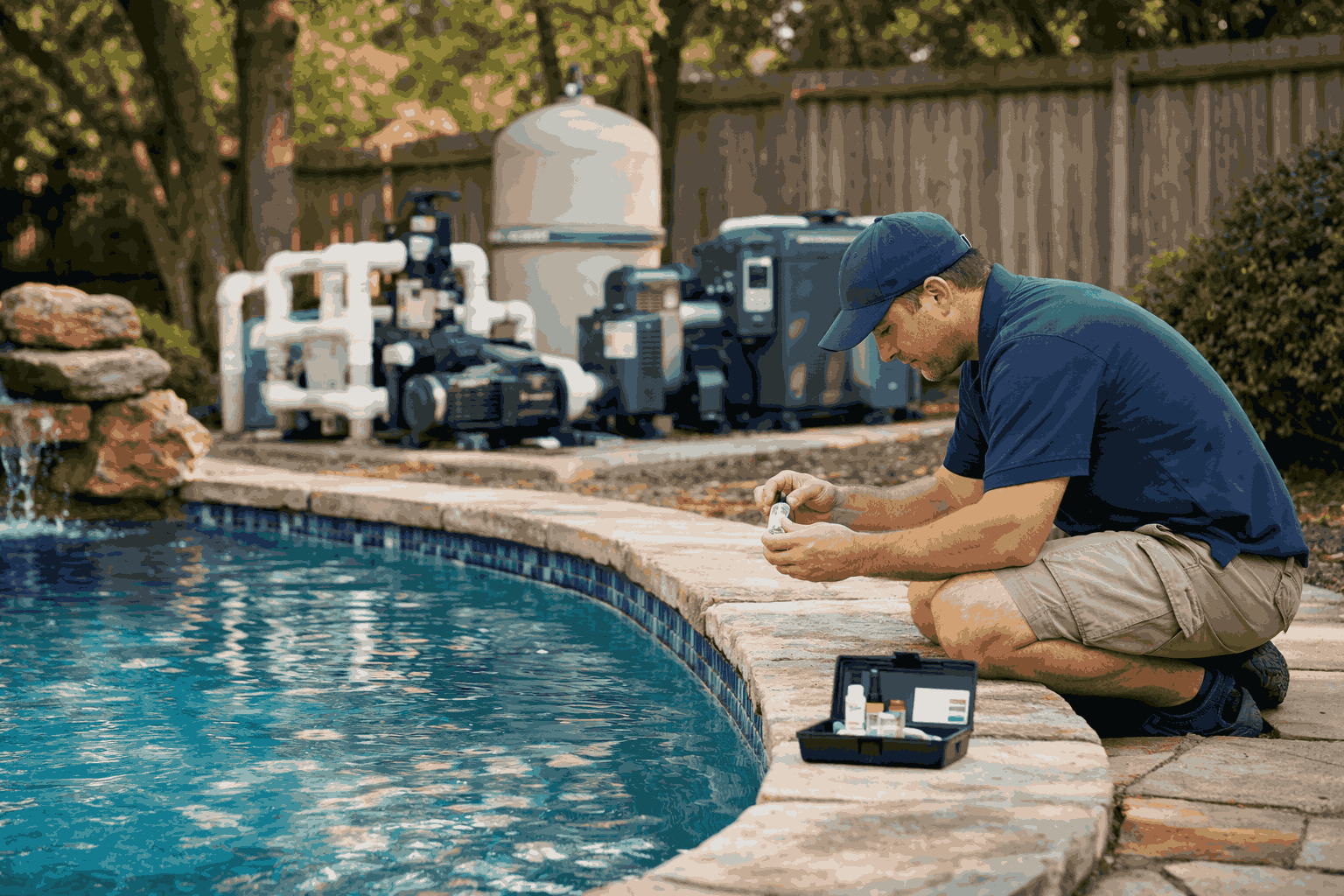
Pool heaters tend to break more frequently in North Texas than in many other regions. One reason is the rapid temperature swings between warm afternoons and cool nights, which constantly cycle heater components on and off.
Another factor is hard water. North Texas water often contains high calcium levels that can cause scale buildup inside heater heat exchangers. Over time, this buildup restricts heat transfer and can damage internal components.
The EPA guide to water mineral content explains how high mineral levels accelerate scaling inside heating equipment.
When heater issues are ignored early, something simple like a sensor failure can eventually turn into a full heat exchanger replacement.
Average Cost to Fix a Broken Pool Heater in Texas
Most homeowners are surprised that the cost to fix broken pool heater issues varies widely depending on the exact problem.
Typical pool heater repair costs range between $150 and $900, though major component repairs can exceed that range.
Minor repairs such as igniters or sensors fall on the lower end of the spectrum. Larger components like control boards or heat exchangers are significantly more expensive.
Labor also plays a role. In many parts of Texas, professional pool equipment technicians charge $100–$150 per hour for diagnostics and repair work.
During peak pool season, emergency service calls may also increase the total repair cost.
Most Common Pool Heater Repairs and Their Costs


Igniter or pilot assembly replacement
Cost: $150–$350
Gas heaters frequently fail to start because of worn or corroded ignition components. Replacing the igniter is one of the most common ways technicians fix broken pool heater systems.
Pool heater sensor replacement
Cost: $150–$300
Temperature sensors and pressure switches monitor heater safety systems. When they fail, heaters may shut down unexpectedly or refuse to start.
Gas valve replacement
Cost: $300–$600
Gas valves regulate fuel flow. If the valve sticks or fails, the heater cannot ignite properly and will need professional repair.
Control board replacement
Cost: $400–$900
Modern heaters rely on electronic control boards to manage ignition, temperature control, and safety features. Electrical surges or moisture can damage these systems.
The National Swimming Pool Foundation equipment guide explains how modern heater electronics play a critical role in pool equipment operation.
Heat exchanger repair or replacement
Cost: $700–$2,000
The heat exchanger is the most expensive component in many heaters. Hard water scale buildup can restrict water flow and eventually damage the exchanger.
The U.S. Department of Energy heating system efficiency resources note that mineral buildup reduces heating efficiency in many types of equipment.
Factors That Affect Pool Heater Repair Costs
Type of pool heater
Gas heaters, electric heat pumps, and solar heaters all have different repair costs. Gas heaters remain the most common option in North Texas pools.
Heater age and condition
Older heaters often require discontinued or hard-to-find replacement parts. Units older than 10–12 years may not be worth repairing.
Water chemistry and calcium buildup
Poor water balance can shorten heater lifespan significantly.
The CDC Healthy Swimming chemical balance guidance explains how improper pool chemistry can damage equipment.
Accessibility of equipment
Heaters installed in tight equipment pads can increase labor time and make repairs more difficult.
Signs Your Pool Heater Needs Repair
Heater will not turn on
Ignition failure, gas supply problems, or faulty sensors are often responsible.
Heater turns on but does not heat the water
This usually points to thermostat or heat exchanger issues.
Heater shuts off unexpectedly
Pressure switches and safety sensors may be malfunctioning.
Unusual noises from the heater
Popping or banging noises often indicate scale buildup inside the heater.
When It Makes More Sense to Replace a Pool Heater
Sometimes it does not make financial sense to fix broken pool heater equipment.
If repair costs approach half the cost of a new heater, replacement may be the smarter long-term investment.
Most gas heaters last 8–12 years with proper maintenance. Newer models are also significantly more energy efficient, which can lower heating costs over time.
People Also Ask
How much does it cost to repair a pool heater in Texas?
Most repairs fall between $150 and $900, though major component replacements can cost more.
Is it worth repairing an old pool heater?
If the heater is more than 10 years old and repair costs are high, replacement may be the better option.
Why is my pool heater not heating the water?
Common causes include ignition failures, sensor problems, gas valve issues, or heat exchanger damage.
How long do pool heaters typically last?
Gas heaters generally last 8–12 years with proper maintenance and balanced water chemistry.
What is the most common pool heater problem?
Ignition failure and sensor malfunctions are among the most common issues technicians encounter.
Can hard water damage a pool heater?
Yes. High calcium levels can cause scale buildup that reduces heater efficiency and damages internal components.
PoolBurg Provides Professional Pool Heater Diagnosis and Repair
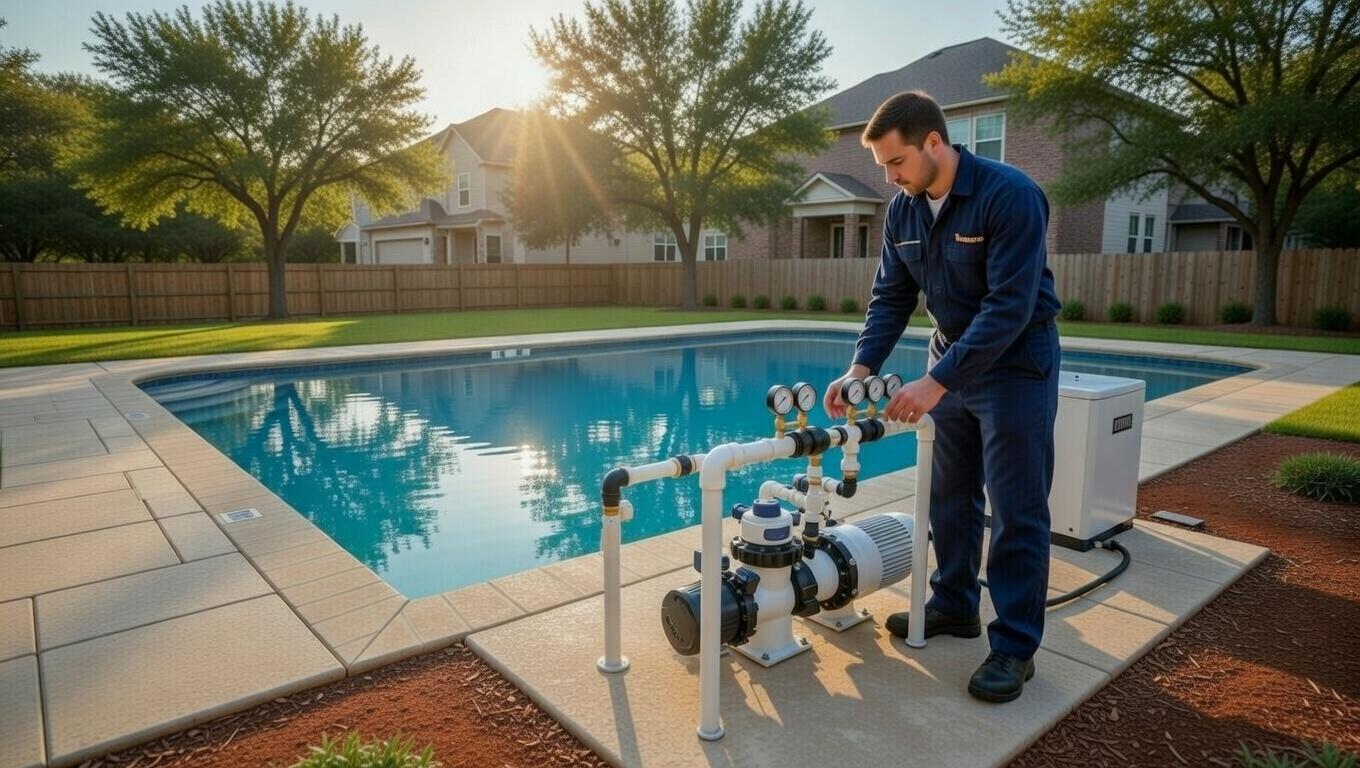
When a pool heater stops working, guessing rarely solves the problem. PoolBurg technicians use professional diagnostic equipment to fix broken pool heater systems quickly and safely.
Our technicians inspect ignition systems, sensors, gas valves, and control boards while also checking pool water chemistry to prevent future heater damage.
If your pool heater is not working, PoolBurg can diagnose the issue and restore your pool heating quickly so you can get back to enjoying your pool.