Anti entrapment pool drain cover checks are one of those small pool safety details that families rarely think about until something looks broken, loose, or missing. But if you own a backyard pool in The Colony, Lewisville, Carrollton, Farmers Branch, Addison, Wylie, or anywhere around DFW, this belongs on the same safety list as fencing, gates, covers, and chemical storage. A drain cover is not just a plastic grate at the bottom of the pool. It is part of the suction system that moves water back to the pump, and when that cover is damaged or outdated, the risk becomes much more serious than “it looks ugly.”
PoolBurg already treats visible safety items like drains and barriers as part of a real pool inspection, because pool drain cover safety is not something to guess on.
What an Anti Entrapment Pool Drain Cover Is Meant to Do
Breaking body blockage
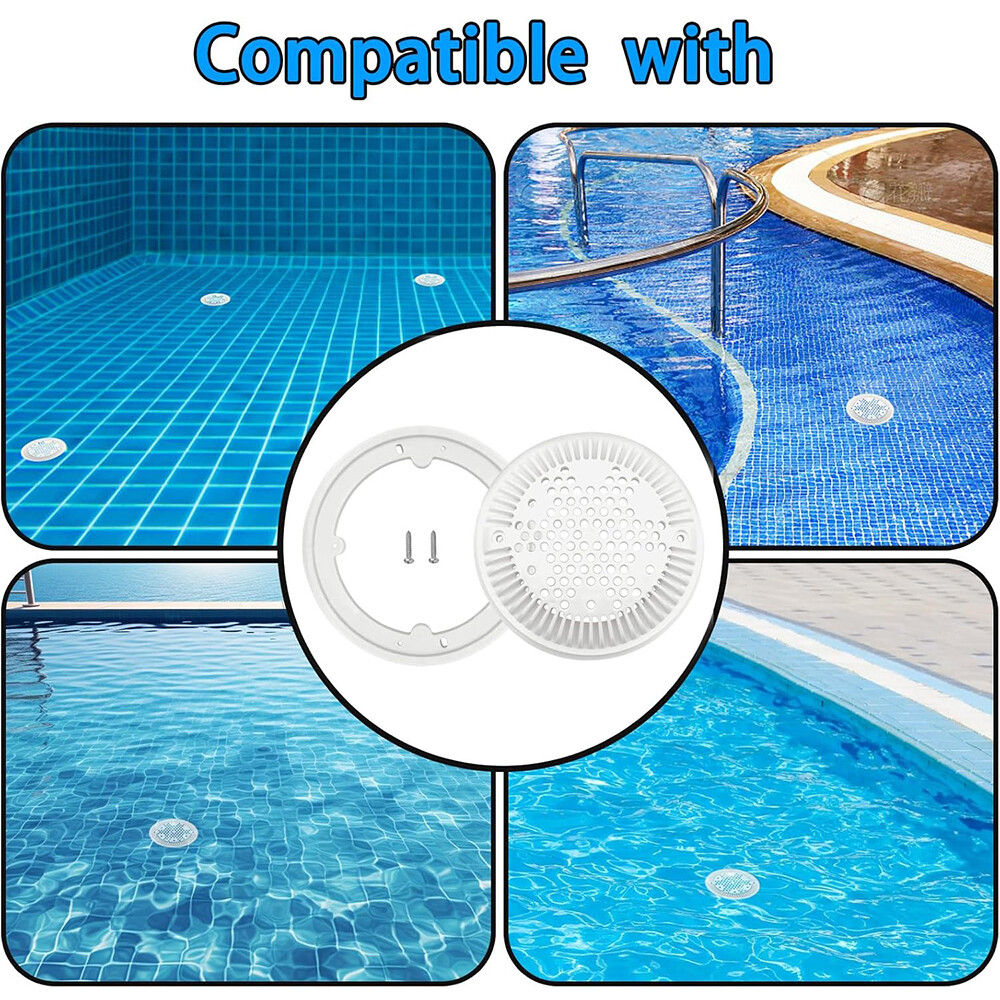
An anti entrapment pool drain cover is designed to reduce the chance that a swimmer’s body can seal over a suction outlet. That matters because suction entrapment can hold someone underwater if the cover is missing, flat, broken, or paired with the wrong drain setup. Modern covers are shaped, rated, and installed to help water move while reducing the chance of a dangerous seal.
Improving circulation safety
A proper anti entrapment drain cover also protects the circulation system from becoming an open suction point. It does not replace supervision, fences, or common sense, but it is one layer in a safer pool. For busy family homes, one good rule is simple: if the cover looks cracked, loose, faded, or questionable, nobody should treat it like a harmless cosmetic issue.
How Suction Entrapment Accidents Happen
Hair, limb and body blockage risks
Pool suction safety matters because the pump is pulling water through the drain. Hair, jewelry, loose swimwear, limbs, or the body can become trapped when a suction outlet is unsafe. The risk is especially scary around children because they may play near drains without understanding what the suction is doing.
Why broken or missing covers matter
The U.S. Consumer Product Safety Commission says public pools and spas must use anti-entrapment drain covers that comply with federal drain-cover rules, and it also explains that certain single-drain setups need extra protection. That public-pool rule does not mean homeowners should ignore the same hazard in private pools. If your backyard cover is broken, missing, loose, or the age is unknown, treat it as a stop-and-check moment. The Pool Safely safety steps also warn not to use a pool or spa if drain covers are broken or missing.
What Homeowners Can Inspect Visually
Cracks, loose screws and ageing plastic
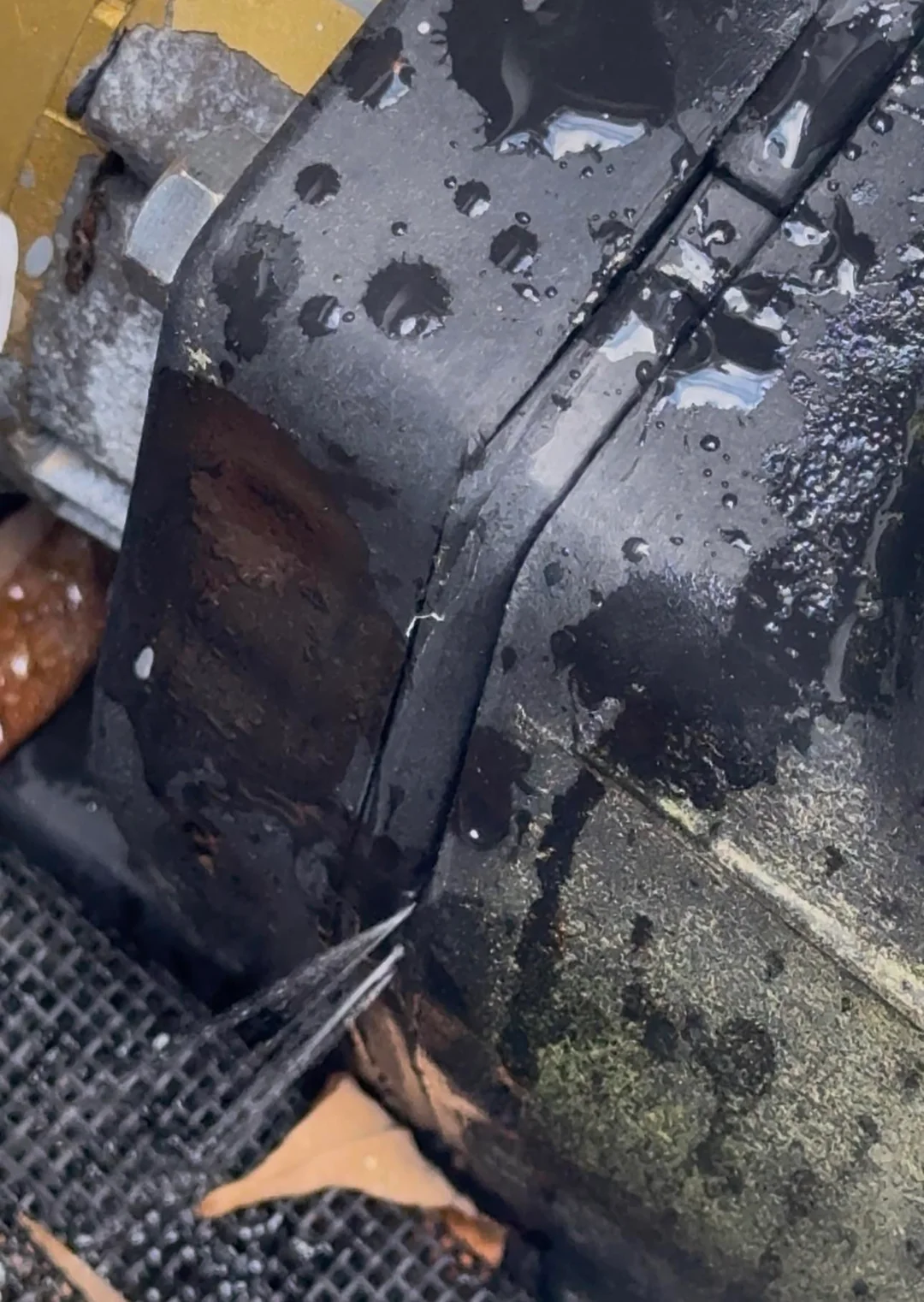
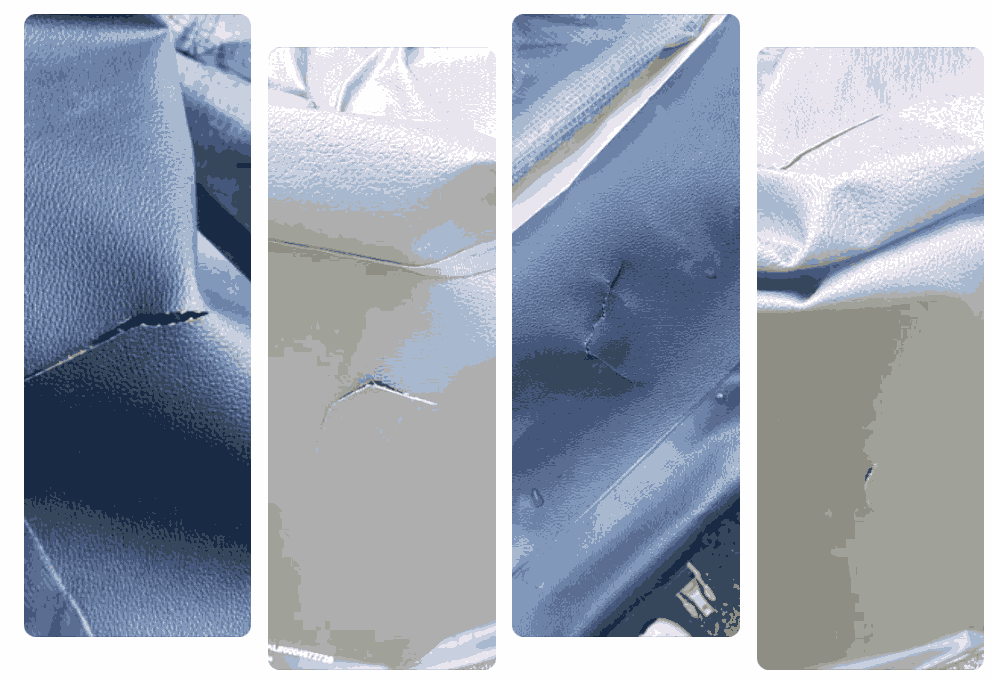
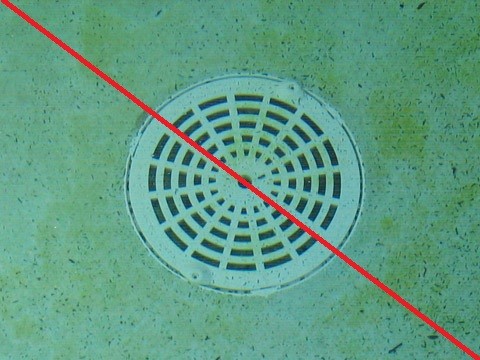
You do not need to become a pool engineer to notice obvious red flags. Look for cracks, missing screws, loose edges, warped plastic, faded markings, broken ribs, sharp edges, or covers that no longer sit flush. If the cover moves when brushed gently with a pool pole, that is not normal. If you cannot tell when it was installed, that is another reason to ask a professional.
Missing parts
A drain without a proper cover should be treated seriously. Do not swim around an exposed suction outlet. Turn the system off and book a safety check. Main drain cover replacement is not a “grab anything that fits” job. The replacement needs to match the sump, flow rating, mounting style, and manufacturer requirements.
Quick Visual Safety Check
| What you see | What it may mean | Best next step |
| Cracked or broken cover | Cover may not protect properly | Stop use and schedule inspection |
| Loose screws or movement | Cover may detach under flow | Do not swim until secured |
| Unknown age or faded markings | Service life may be expired | Have the model and rating checked |
| Missing cover | Open suction hazard | Turn system off and call for service |
When a Drain Cover Should Be Replaced
Damage
Any visible damage is enough to justify a professional look. A cracked anti entrapment pool drain cover should not be “watched for a while,” especially in pools used by kids, guests, or renters. Plastic weakens with age, sun, water chemistry, and pressure changes.
Unclear age
Drain covers are not meant to last forever. Some covers include service-life markings, model information, and flow ratings. If those markings are unreadable or the pool changed owners and no one knows the replacement history, it is smart to verify it during routine service or renovation planning.
Renovation windows
Pool resurfacing, equipment upgrades, and major repairs are perfect times to check drain-cover compliance. If the pool is already drained or the system is being worked on, ask about pool suction safety before everything gets put back together.
Why This Belongs in Routine Pool Safety Conversations
It is not just a public-pool topic
The Virginia Graeme Baker Pool and Spa Safety Act made drain safety a major national conversation after tragic suction-entrapment incidents. Even though homeowners usually hear more about fences and alarms, drain covers deserve a place in the same conversation. PoolBurg’s swimming pool safety guide covers safety features like drain covers, GFCI protection, equipment checks, fencing, and gates because backyard safety works best in layers.
Backyard owners still need awareness
For family pools in The Colony, Lewisville, Carrollton, Farmers Branch, Addison, and Wylie, safety habits need to fit real life. Kids invite friends over. Guests do not know your pool. A sitter may not notice a loose cover. That is why a quick drain-cover look during regular maintenance is worth it.
When to Call a Professional
Replacements and safety inspections
Call a professional if the cover is damaged, loose, missing, old, unlabeled, or installed after a major equipment change. Also call if you feel unusually strong suction at a drain, notice swimmers avoiding a spot, or see a cover moving when the pump is running. A proper inspection should check the visible cover condition, screws, fit, sump compatibility, flow rating, and whether any additional safety system is needed.
Any suction concerns
Do not troubleshoot suction hazards by diving down and pulling at the cover while the pump is running. Turn the system off and get help. PoolBurg can include drain-cover awareness with weekly pool service, safety inspections, and homeowner walkthroughs so the pool stays clean, comfortable, and safer to use.
People Also Ask
What is an anti-entrapment pool drain cover?
It is a drain cover designed to reduce suction-entrapment risk by making it harder for a body, hair, or loose material to block the outlet and become trapped.
Why are pool drain covers dangerous when broken?
A broken, missing, or loose drain cover can expose swimmers to direct suction. That can create hair, limb, body, or clothing entrapment risks.
How often should pool drain covers be inspected?
Homeowners should visually check drain covers during normal pool care and after heavy use, storms, repairs, or equipment changes. A professional should verify anything that looks loose, cracked, old, or unclear.
Can a cracked drain cover still be used?
No. A cracked anti entrapment pool drain cover should be treated as unsafe until a qualified pool professional checks or replaces it.
Are anti-entrapment covers only for public pools?
Public pools have specific federal requirements, but private pool owners should still take the same hazard seriously. Backyard pools can still have suction risks.
What are signs a drain cover should be replaced?
Cracks, loose screws, missing pieces, warping, faded markings, unknown age, or movement while the pump runs are all signs to schedule main drain cover replacement.
How does suction entrapment happen?
It can happen when pump suction traps hair, clothing, a limb, or the body against an unsafe drain or suction outlet.
Should homeowners include drain covers in pool safety checks?
Yes. Drain covers should be checked along with fences, gates, alarms, covers, chemical storage, electrical safety, and general equipment condition.
PoolBurg Can Help You Check the Safety Details People Miss
A clean pool is great, but a safer pool is the real win. If you are not sure whether your drain cover is current, secure, or safe for family use, PoolBurg can help with a practical pool-safety inspection. We will look at visible safety items, equipment condition, circulation concerns, and other details that are easy to overlook when the water looks blue. For help with your pool in The Colony, Lewisville, Carrollton, Farmers Branch, Addison, Wylie, or nearby DFW communities, contact PoolBurg and ask about a safety-focused pool inspection.