Commercial pool service is a completely different game from residential. When you’re responsible for a community pool that hundreds of families use, or a hotel pool that guests expect to be pristine at 6 AM, or an apartment complex pool that tenants judge the entire property by — there’s no room for missed visits, chemical drift, or failed inspections.
The Texas Department of State Health Services requires every public pool to meet strict chemical, safety, and operational standards, and the consequences for falling short include fines, closures, and liability exposure. That’s why choosing the right commercial pool service isn’t just a maintenance decision. It’s a risk management decision.
Who Needs Commercial Pool Service in North Texas?
HOA and Community Pools
This is the biggest commercial pool service category in DFW. Communities across Frisco, Prosper, McKinney, Allen, and Plano have hundreds of neighborhood pools that serve thousands of residents. HOA boards are responsible for compliance, and that responsibility falls directly on whoever they hire to maintain the water.
Hotel and Resort Pools
Hotels need their pools guest-ready every single day. A cloudy pool or a closed-for-maintenance sign directly impacts guest reviews and revenue. Commercial pool service for hotels means daily attention and zero tolerance for downtime.
Apartment Complex Pools
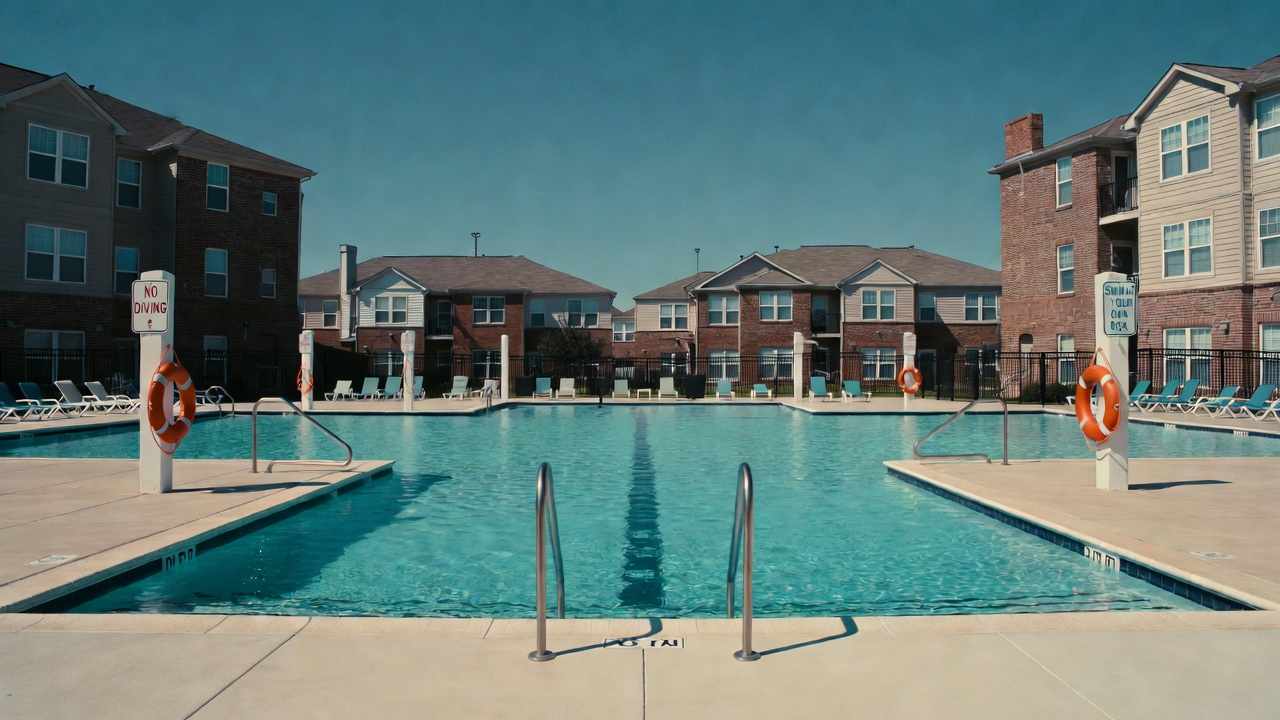
Apartment pools see heavy bather loads with less oversight than staffed facilities. The pool is a selling point for tenants and a liability concern for management. Consistent commercial pool service keeps it an asset instead of a problem.
Fitness Centers and Gym Pools
Indoor pools at fitness centers face unique challenges — higher humidity, ventilation requirements, and constant use throughout the day. Chemical demand is aggressive because of the nonstop bather load.
Water Parks and Splash Pads
Interactive water features and splash pads fall under the same Texas DSHS regulations as pools. They need the same water testing, chemical management, and record-keeping. Many property managers don’t realize splash pads require commercial pool service until an inspector shows up.
Swim Schools and Aquatic Facilities
Facilities with children in the water face the highest scrutiny. Water temperature, chemical levels, and safety systems must be maintained to exact standards. Commercial pool service for swim schools requires precision and documentation at every visit.
Commercial vs. Residential Pool Maintenance: The Key Differences
Higher Bather Loads Mean More Aggressive Chemistry
A residential pool might see 4 to 8 swimmers on a busy day. A community pool can see 50 to 200. Every swimmer introduces sweat, sunscreen, and organic waste that burns through chlorine rapidly. Commercial pool service accounts for this with higher chemical doses and more frequent testing.
Health Department Compliance and Inspections
Texas DSHS requires public pools to maintain free chlorine between 1.0 and 10.0 ppm, pH between 7.2 and 7.8, and maintain written water monitoring logs that must be available within five business days of a request. Records must be kept for a minimum of three years. Your commercial pool service provider should handle all of this documentation seamlessly.
Certified Pool Operator Requirements
Texas requires all Class A, B, and C public pools to be maintained under the supervision of a Certified Pool Operator. The CPO doesn’t have to be on-site at all times, but their name and contact information must be available to staff and to inspectors on request. Any commercial pool service company you hire should have CPO-certified technicians on staff.
More Frequent Service Visits
Residential pools get weekly service. Commercial pools typically need daily or multiple-times-per-week visits during swimming season. Some high-traffic facilities need daily chemical checks plus separate weekly deep cleaning visits.
Larger Equipment and Zero Downtime Tolerance
Commercial pumps, filters, heaters, and chemical feed systems are bigger, more complex, and more expensive than residential equipment. When they go down, the pool closes. That’s lost revenue for hotels, angry residents for HOAs, and potential lease-breaking for apartments. Commercial pool service means responding fast and fixing it right the first time.
Texas Health Department Pool Regulations You Need to Know

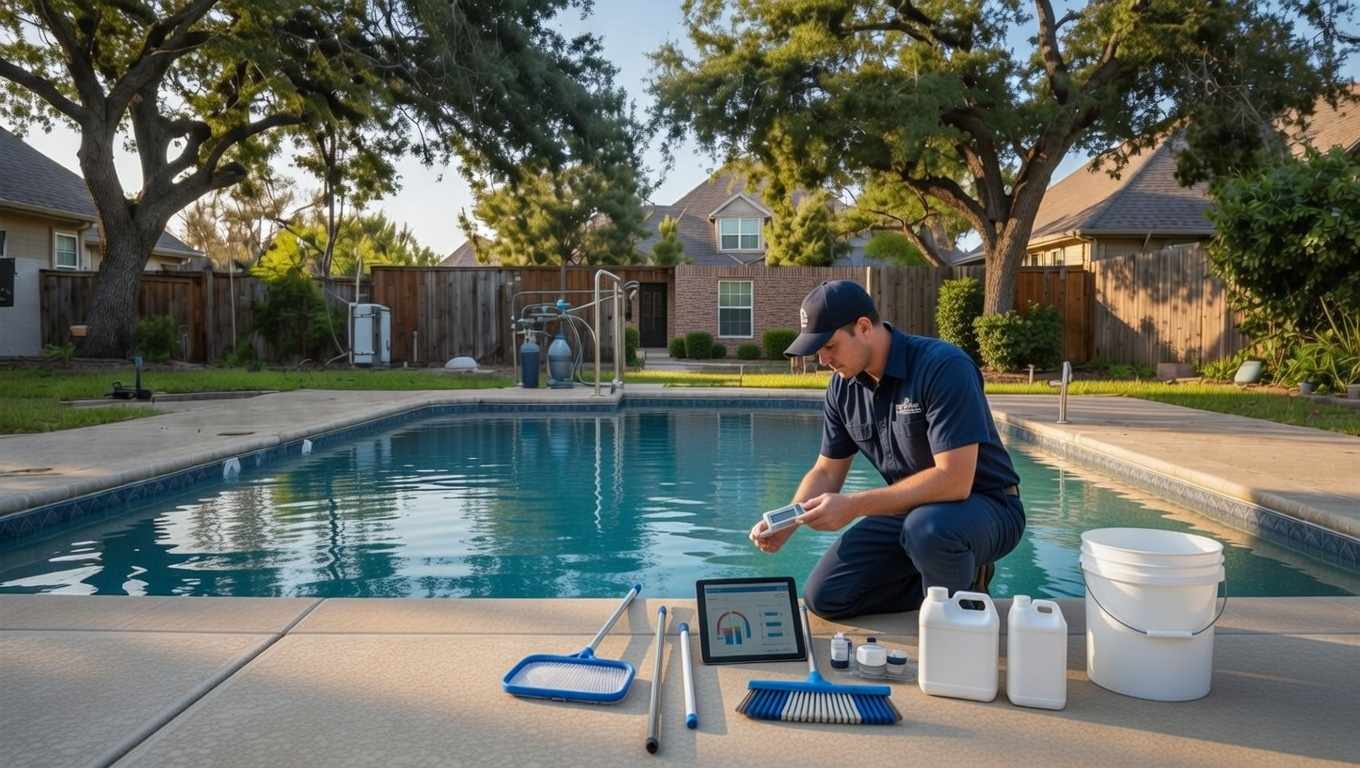
The Texas Department of State Health Services governs all public pools and spas under 25 TAC Chapter 265, Subchapter L. Key requirements include maintaining disinfectant residual at all times the pool is open, recording all chemical test results in a log that’s kept for at least three years, having a CPO-supervised maintenance program, meeting turnover rates specific to pool type (wading pools require at least one full turnover per hour), and providing one skimmer per 500 square feet of pool surface.
Non-compliance can result in fines, mandatory closures until corrections are made, and significant liability if a swimmer becomes ill. The right commercial pool service provider builds compliance into every visit so you never have to worry about an inspector finding a problem.
Commercial Pool Service Plans for DFW Properties
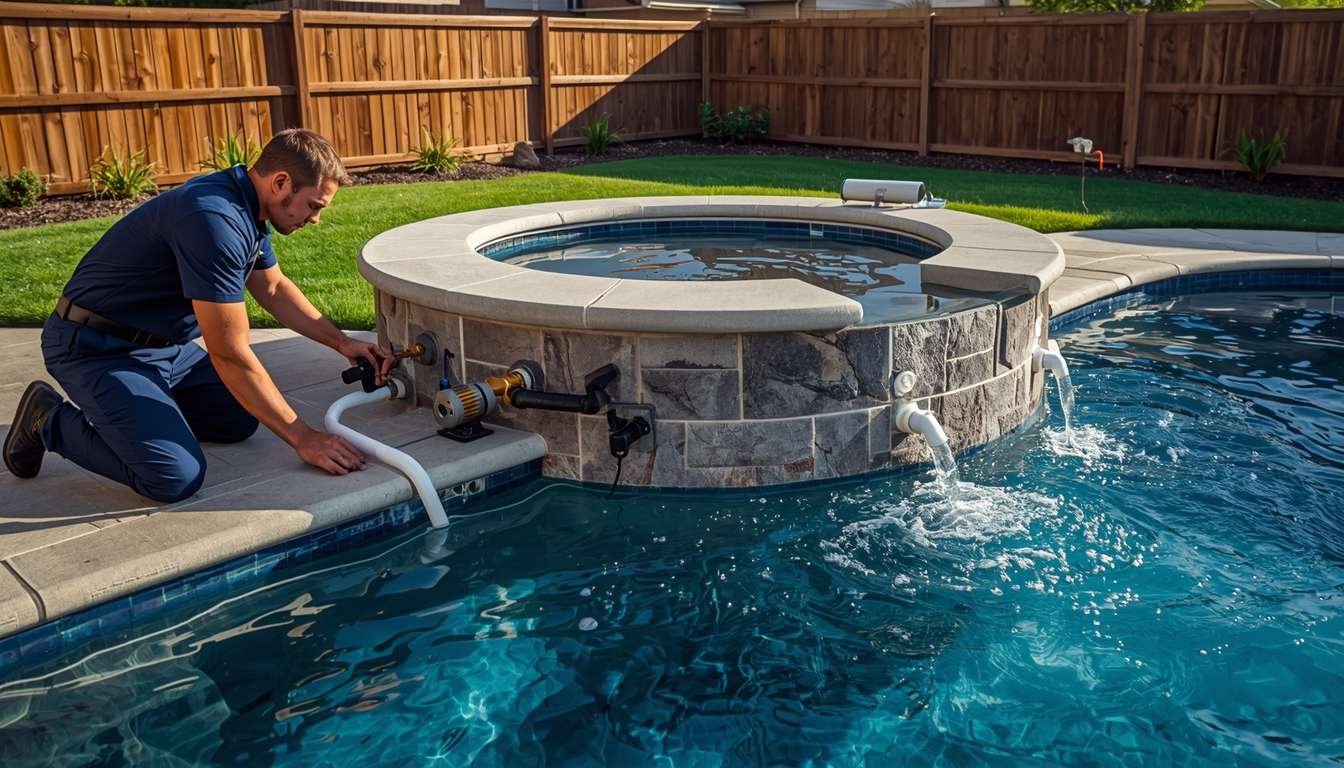
Daily Chemical Testing and Adjustment
Free chlorine, pH, and alkalinity tested and adjusted every service day. Results recorded in the compliance log with timestamps and technician initials.
Weekly Cleaning and Equipment Inspection
Full surface and floor cleaning, tile line brushing, basket and filter service, and thorough equipment inspection covering pumps, heaters, chemical feeders, and safety equipment.
Monthly Deep Cleaning and Comprehensive Check
Detailed filter teardown and cleaning, equipment pad inspection, plumbing connection checks, and comprehensive water analysis including calcium hardness, CYA, TDS, and metals.
Quarterly and Annual Compliance Reviews
Full audit of chemical logs, equipment condition reports, safety equipment inspection, and preparation for any scheduled health department inspections. Commercial pool service that includes compliance reviews prevents surprises.
Emergency Response and Repair
Equipment failures, contamination events, and weather damage don’t wait for scheduled visits. Priority emergency response should be part of any commercial pool service contract.
Commercial Pool Service Cost in North Texas
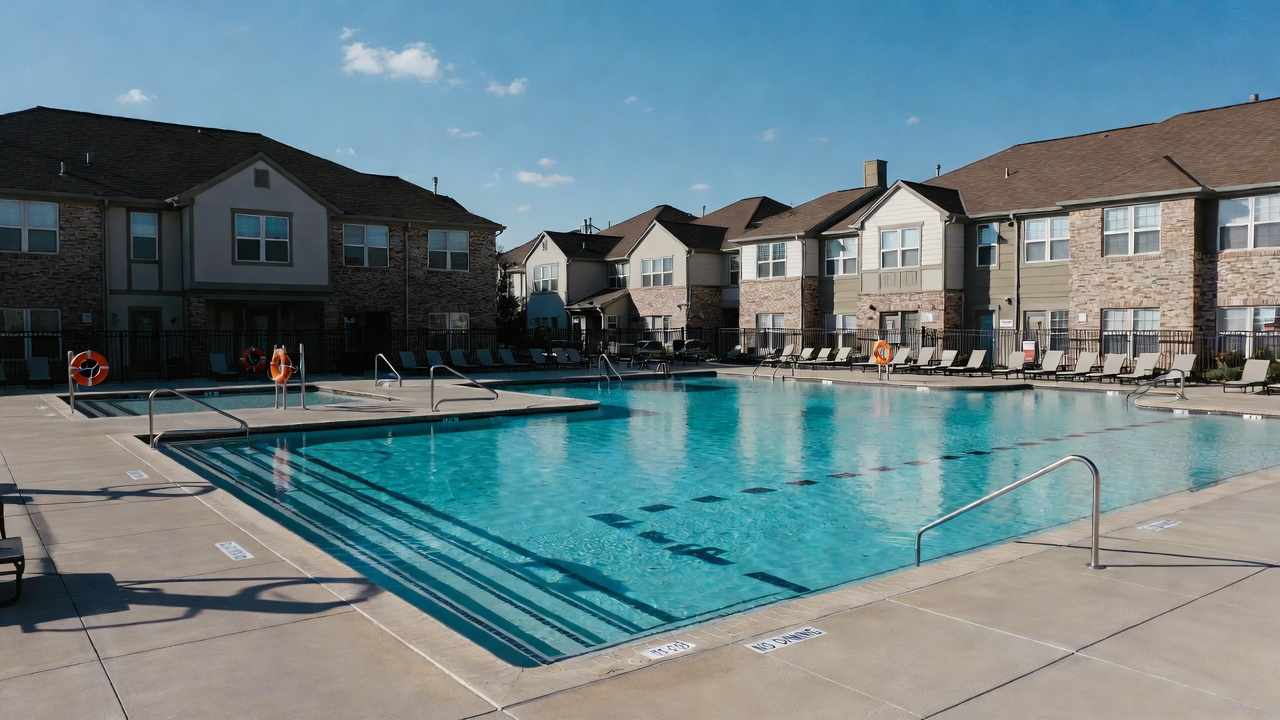
Commercial pool service cost varies widely by facility type and size. HOA community pools typically run $400 to $1,200 per month for 3 to 5 service visits per week during season with reduced frequency in winter. Hotel pools run $500 to $1,500 per month because they require daily service year-round. Apartment complex pools fall in the $350 to $1,000 range depending on pool count and size.
Factors that affect pricing include pool volume, number of pools on the property, equipment complexity, bather load, and whether chemical costs are bundled or billed separately. Commercial pool service costs more than residential, but the cost of a failed health inspection, a lawsuit from a waterborne illness, or an angry HOA membership is exponentially higher.
People Also Ask About Commercial Pool Service
How much does commercial pool maintenance cost per month?
$350 to $1,500 per month in DFW depending on facility type, pool size, service frequency, and whether chemicals are included. HOA pools average $400 to $1,200. Hotels and high-traffic facilities run toward the higher end.
Does my HOA pool need a Certified Pool Operator?
Yes. Texas requires all Class A, B, and C public pools — including HOA community pools — to be maintained under CPO supervision. The CPO doesn’t have to be on-site, but they must be accessible and their contact information available. Your commercial pool service company should provide this.
How often do commercial pools need to be serviced?
Daily chemical testing is recommended for most commercial pools during swimming season. Full cleaning visits typically happen 2 to 5 times per week depending on bather load and facility type. Off-season service drops to 1 to 3 visits per week.
What happens if a commercial pool fails a health inspection?
Depending on the violation, consequences range from a written notice with a correction deadline to immediate pool closure until the issue is resolved. Repeated failures can result in fines and increased scrutiny from DSHS or the local health authority. The liability exposure from a sick swimmer is even more serious.
Can the same company service residential and commercial pools?
Yes, but make sure the company has specific commercial experience, CPO-certified technicians, and understands Texas DSHS compliance requirements. Residential-only companies may lack the regulatory knowledge needed for commercial pool service.
PoolBurg’s Commercial Pool Service Is Built for DFW Communities
PoolBurg provides full commercial pool service across all 17 North Texas cities we serve. HOA community pools are our specialty — we understand the board dynamics, the resident expectations, and the compliance requirements that come with managing a public facility. CPO-supervised service, complete chemical documentation, daily or multi-weekly visits, equipment repair, emergency response, and transparent reporting to the board or property manager. We also service hotels, apartment complexes, fitness centers, and aquatic facilities. One company, one relationship, full compliance.
Pool and spa both need attention? One call handles everything.
Tell us what’s going on with both systems and we’ll diagnose them together for one service call.
Visit poolburg.com or call us today.