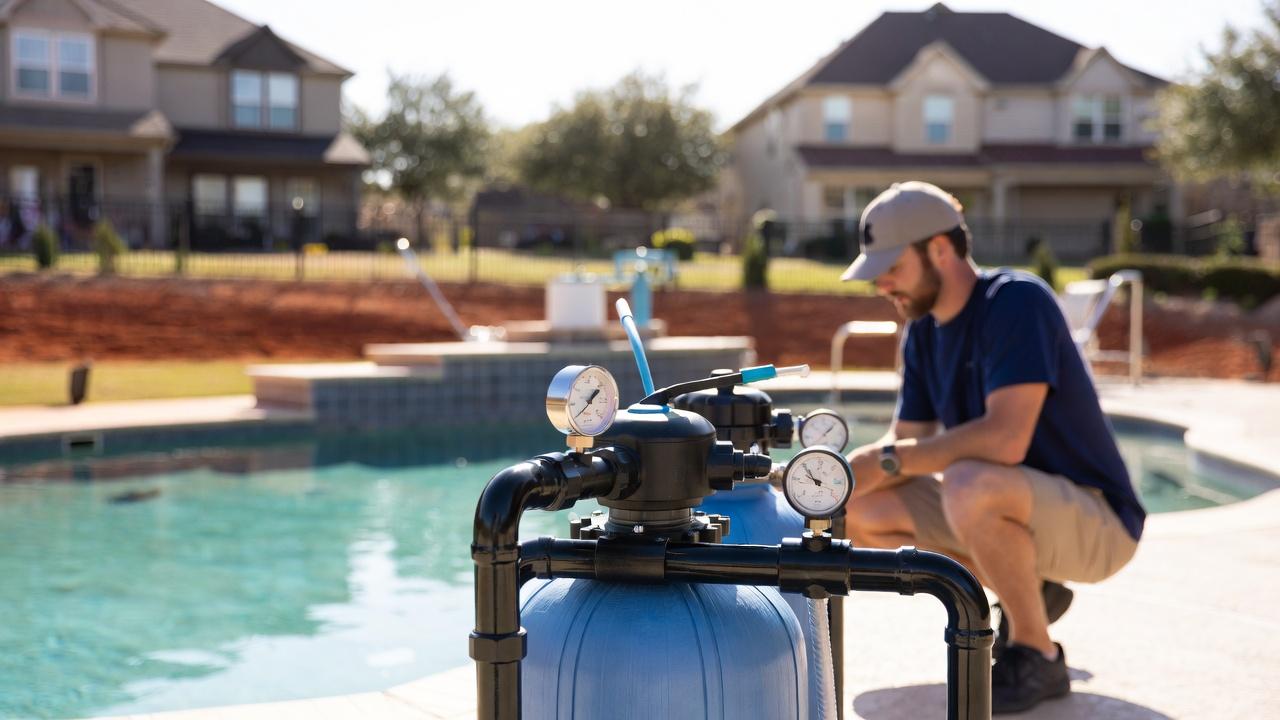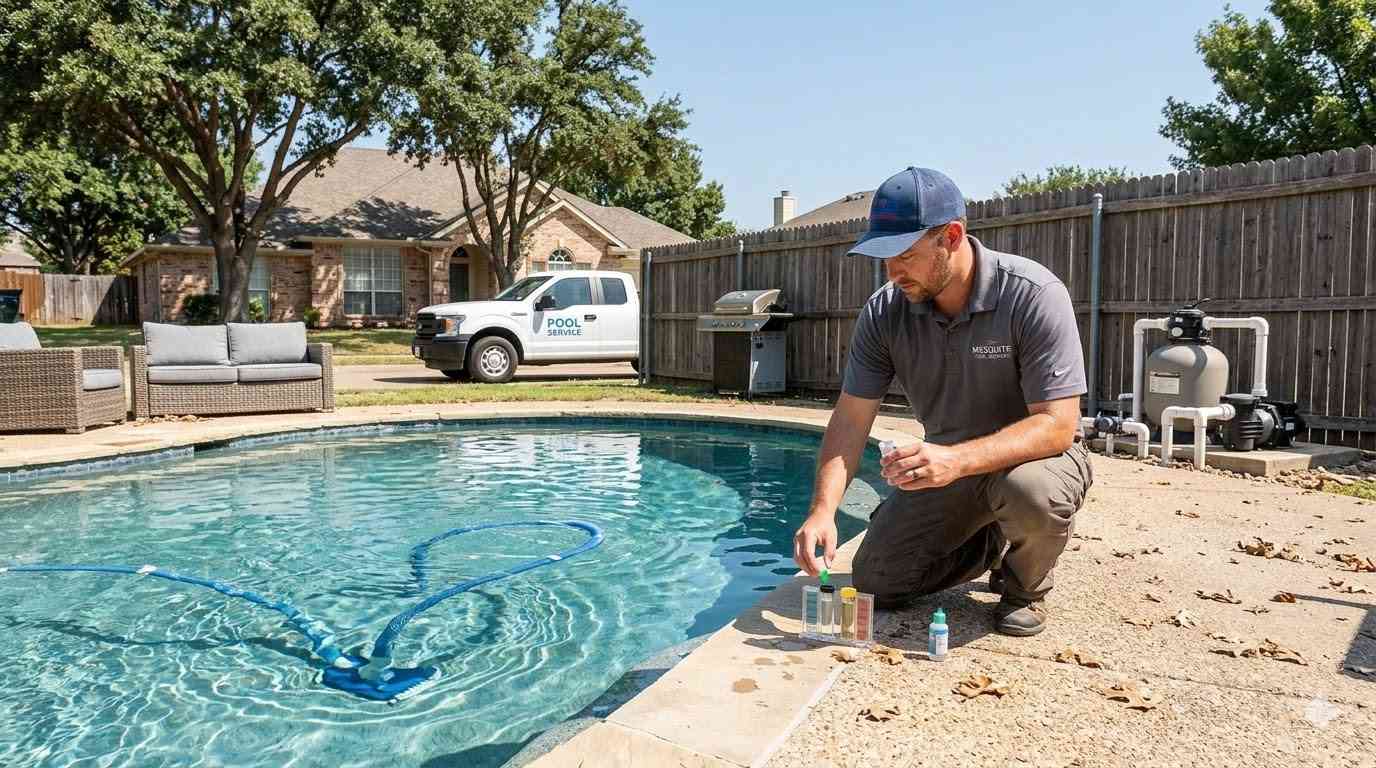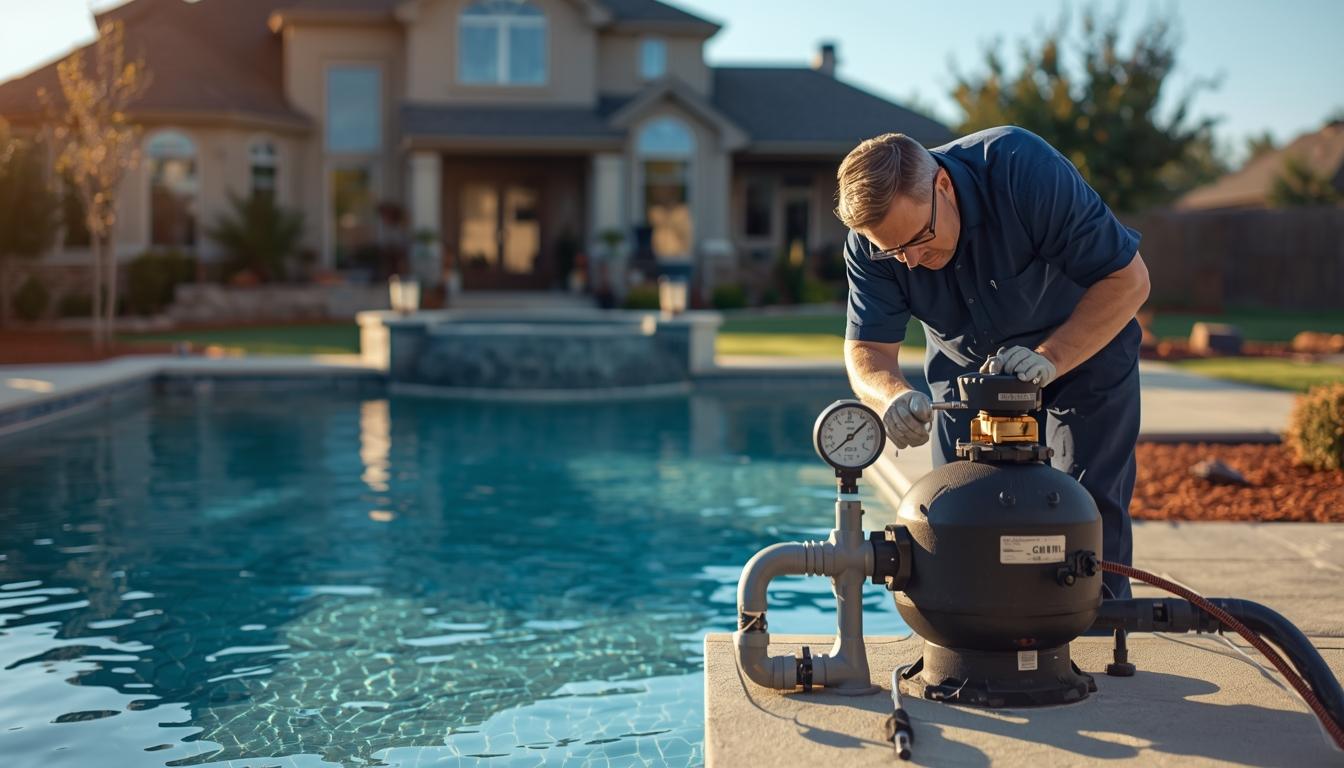

Damaged pool equipment is one of the most common reasons pools suddenly develop cloudy water, circulation issues, or unexpected repair bills. The tricky part is that damaged pool equipment rarely fails overnight. Pumps, filters, heaters, and plumbing almost always show small warning signs first. Learning to recognize these early signals can prevent major breakdowns and extend the life of your entire pool system. According to industry pool equipment maintenance guidelines, early equipment inspections are one of the best ways to prevent expensive pool repairs.
Why Identifying Damaged Pool Equipment Early Matters
In North Texas, pool systems work harder than many homeowners realize. High summer temperatures often require pumps to run longer hours, which puts constant strain on motors and seals.
Hard water also plays a role. According to water chemistry studies on calcium scaling, high calcium levels can accelerate scale buildup inside heaters, filters, and plumbing. Over time, this buildup contributes to damaged pool equipment and poor water circulation.
Small issues like a noisy pump or minor leak might seem harmless, but they often lead to bigger problems. Ignoring early warning signs can result in equipment failure, algae outbreaks, and costly replacements.
Common Types of Pool Equipment That Can Become Damaged
Pool pump
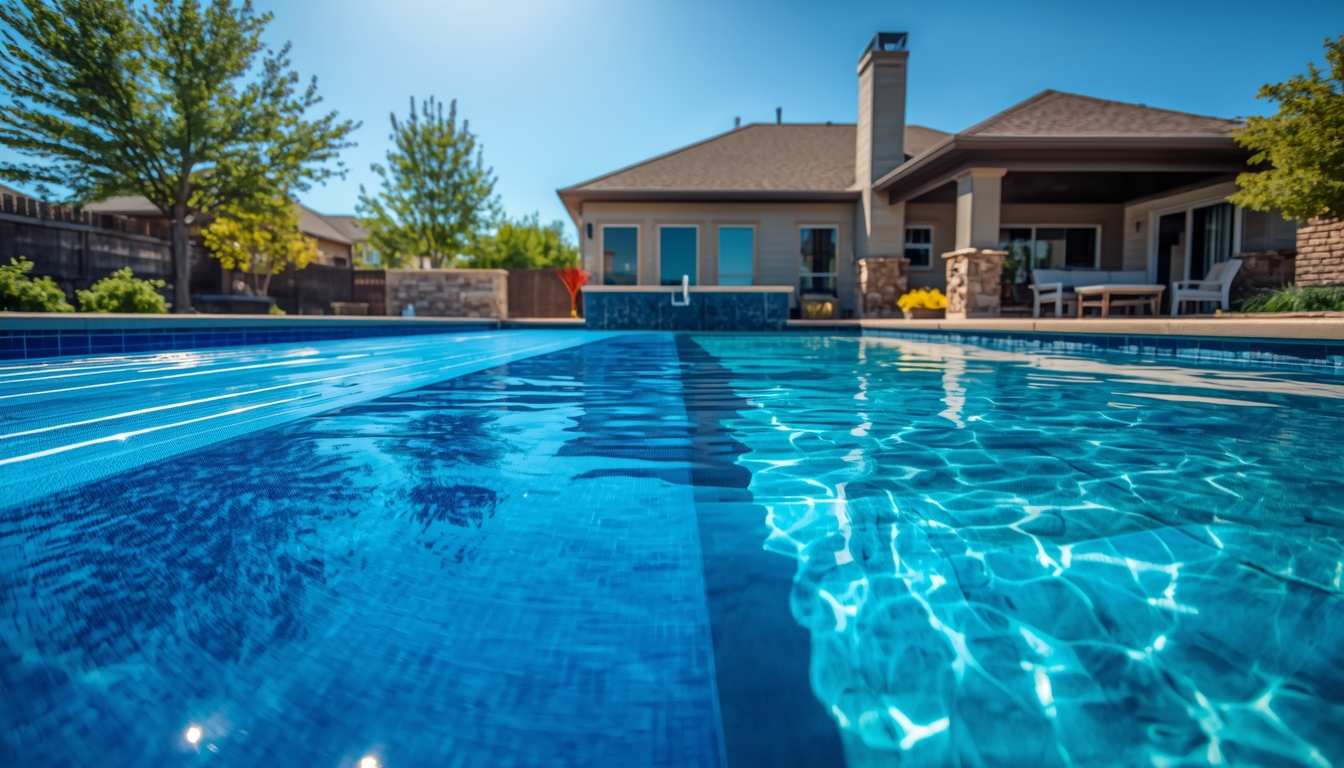
The pump is the heart of the pool circulation system and runs daily. Because of constant use, pumps are one of the most common sources of damaged pool equipment.
Early failures usually start with unusual noises, leaks, or reduced water movement.
Pool filter
Filters remove debris, dirt, and contaminants from the water. A damaged filter can reduce circulation and make it difficult to maintain clear water.
According to pool filtration system research, poor filtration is one of the main causes of cloudy pools.
Pool heater
Pool heaters are commonly used for spas and cooler months. Mineral buildup, corrosion, and sensor failures are frequent issues.
Pool plumbing and valves
Plumbing lines and valves control water flow throughout the system. Leaks and pressure problems often originate in these components.
Warning Signs Your Pool Pump May Be Damaged
Loud grinding or rattling noises
Unusual sounds often indicate worn motor bearings or debris stuck in the impeller.
Reduced water flow
Weak return jets can mean the pump motor is failing or the impeller is clogged.
Water leaking from the pump housing
Leaks usually signal worn seals or cracked components, both signs of damaged pool equipment.
Pump shutting off unexpectedly
Overheating motors or electrical problems can cause pumps to shut down automatically.
Signs Your Pool Filter May Be Failing
Cloudy water that does not improve
If chemicals are balanced but the water remains cloudy, the filter may be damaged or clogged.
High pressure on the filter gauge
High pressure readings indicate restricted water flow through the filter system.
Debris returning to the pool
If dirt blows back into the pool through return jets, the filter media may be torn or damaged.
Frequent cleaning or backwashing
A filter that needs constant cleaning may have worn internal components.
Signs of Pool Heater Damage

Heater failing to maintain temperature
Faulty sensors, ignition issues, or scale buildup inside the heat exchanger may cause heating problems.
Rust or corrosion around the heater
Mineral-heavy water can accelerate corrosion.
Popping or banging noises
These sounds are often caused by scale buildup inside the heater.
Signs of Plumbing or Valve Damage
Water leaks around equipment
Cracked pipes or worn seals are common causes.
Air bubbles in return jets
Air entering the system is a classic sign of plumbing leaks.
Difficulty turning valves
Valves may become worn, cracked, or internally damaged.
Common Causes of Damaged Pool Equipment
Hard water mineral buildup
Calcium deposits can clog plumbing and damage heaters. According to water hardness and scaling research, mineral deposits are a leading cause of equipment wear.
Extreme summer heat
Long pump run times increase wear on motors and seals.
Freeze damage
Winter freezes can crack pipes and equipment housings if water is trapped inside.
Poor maintenance
Dirty filters restrict water flow and force pumps to work harder than necessary.
People Also Ask

What are the signs of a failing pool pump?
Common signs include loud noises, weak water flow, overheating, and unexpected shutdowns.
How do I know if my pool filter is damaged?
Persistent cloudy water, high pressure readings, and debris returning to the pool may indicate filter damage.
Why is my pool equipment making loud noises?
Grinding or rattling noises usually indicate worn bearings, motor issues, or debris in the system.
Can damaged pool equipment affect water quality?
Yes. Poor circulation and filtration make it difficult to maintain balanced pool chemistry.
How long does pool equipment last?
Most pumps and filters last 8–12 years with proper maintenance.
When should equipment be repaired or replaced?
Small repairs should be handled quickly, while older systems may eventually require replacement.
PoolBurg Diagnoses and Repairs Damaged Pool Equipment
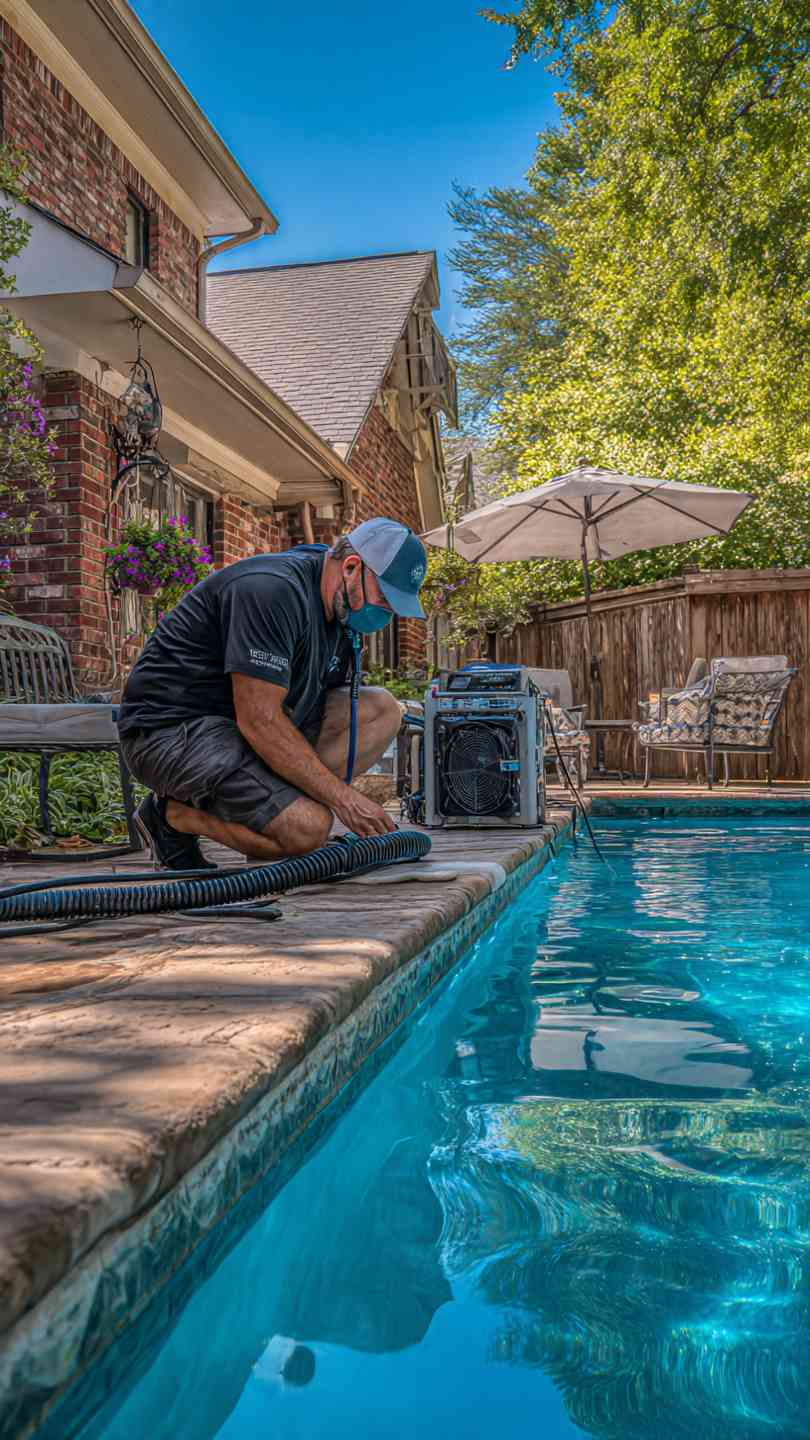
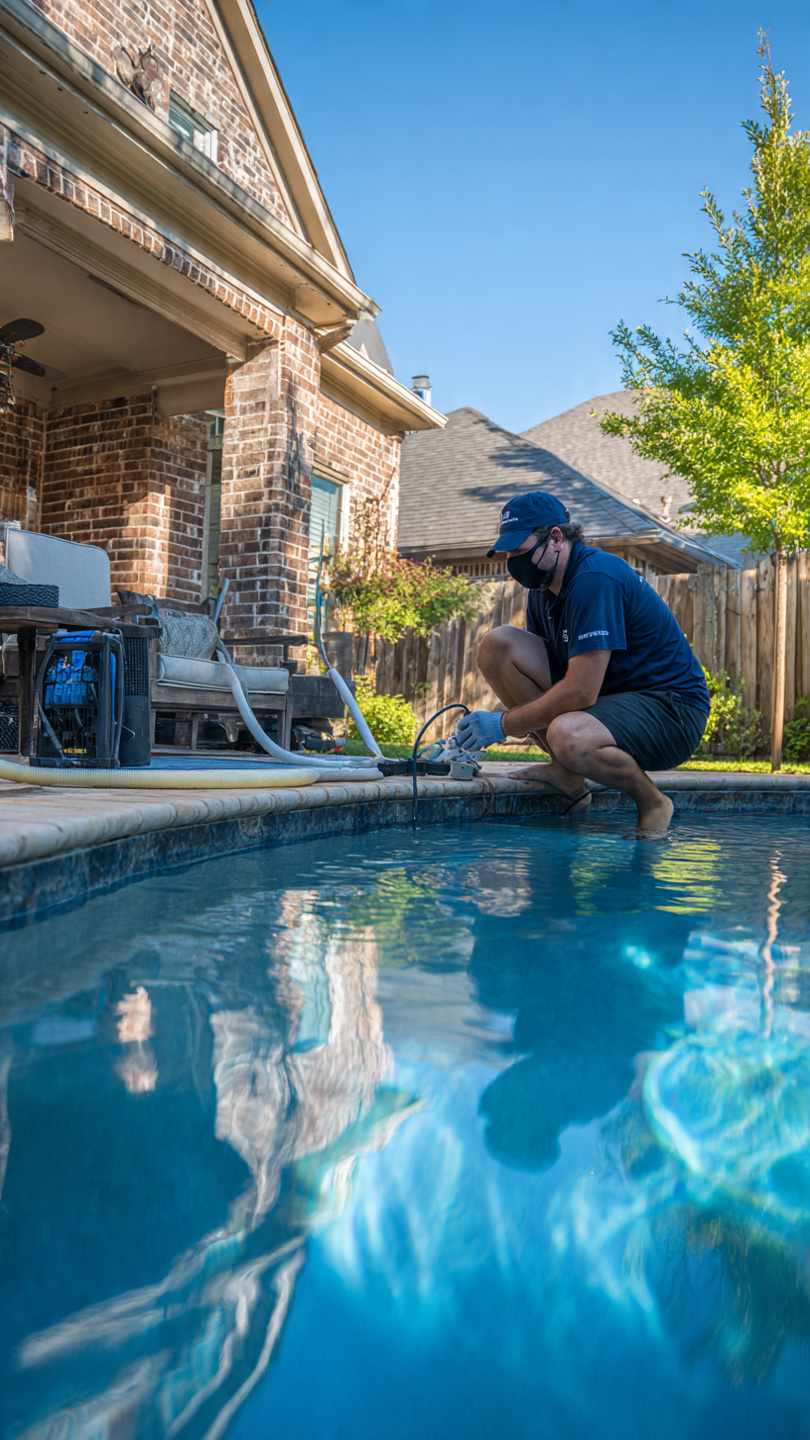
Professional inspections are the best way to catch damaged pool equipment early. During routine service visits, PoolBurg technicians check pumps, filters, heaters, plumbing, and valves for early warning signs.
Finding issues early helps prevent major equipment failures and keeps the entire pool system running efficiently.
Noticing unusual noises, leaks, or poor circulation? PoolBurg can diagnose and repair damaged pool equipment before it becomes a costly problem.