Hayward pool pump repair parts are designed to last for years, but intense summer heat, long run times, and mineral-heavy water can shorten their lifespan. In hot climates, many pool owners are surprised when Hayward pool pump repair parts start failing sooner than expected. Knowing which components wear out first can help prevent sudden pump breakdowns, expensive repairs, and circulation problems that lead to cloudy or green water.
When homeowners understand which Hayward pool pump repair parts fail most frequently, they can catch small issues before they turn into major equipment damage.
Why Pool Pump Parts Wear Out Faster in Texas Heat

Summer temperatures regularly climb above 100°F, and pool pumps often run longer during these months. Pumps that operate 10–12 hours daily naturally experience more wear on internal components.
Heat also accelerates rubber and plastic deterioration. Seals, gaskets, and O-rings become brittle faster under prolonged UV exposure and high temperatures.
Hard water adds another challenge. North Texas water often contains higher calcium levels, which can cause mineral deposits to form inside pumps and filters. According to Pool & Hot Tub Alliance equipment maintenance guidelines, mineral buildup can restrict water flow and damage pump components over time.
Understanding which Hayward pool pump repair parts fail most often allows pool owners to perform preventative maintenance before a small issue becomes a costly pump replacement.
The Most Common Hayward Pool Pump Repair Parts That Fail
Shaft seal
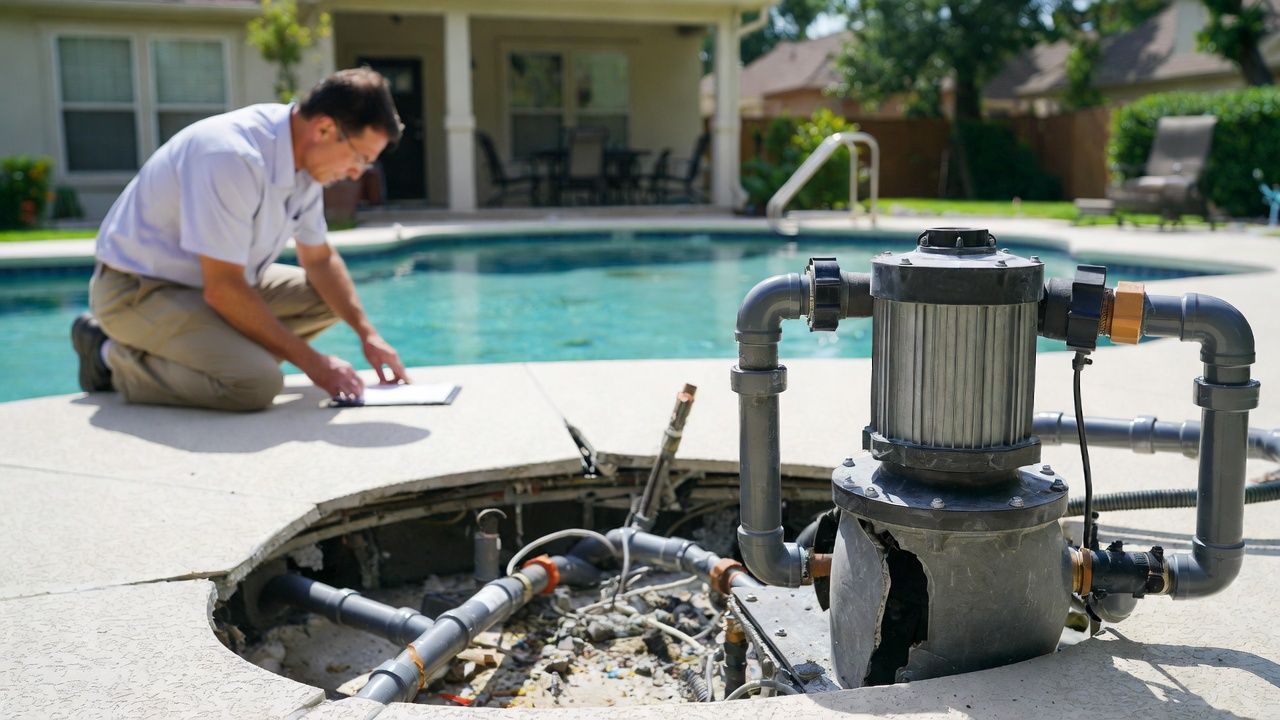
The shaft seal is the most common failure among Hayward pool pump repair parts. This small component prevents water from leaking along the motor shaft where the pump connects to the motor.
Heat, chemical exposure, and mineral buildup slowly damage the seal. Once it cracks or wears down, water begins leaking under the pump. In hot climates, shaft seals typically last two to four years before replacement becomes necessary.
Pump lid O-ring
The pump lid O-ring creates a watertight seal on the pump strainer lid. Without it, the pump cannot maintain proper suction.
High temperatures and sun exposure dry out the rubber over time. When this happens, air leaks enter the system and the pump may lose prime. Replacing this inexpensive component every one to three years can prevent many circulation issues.
Motor bearings
Motor bearings allow the pump shaft to spin smoothly. When these bearings wear out, the pump motor often begins making loud whining or grinding noises.
Long pump run times during summer place additional strain on bearings. According to InterNACHI pool equipment inspection standards, unusual pump noise is often one of the earliest warning signs of motor failure.
Impeller
The impeller is responsible for moving water through the pump and filtration system. Debris such as leaves, sand, or small pebbles can clog or damage the impeller blades.
Mineral deposits can also restrict water movement. When an impeller becomes clogged or worn, homeowners often notice weaker return jet pressure or poor circulation.
Diffuser
The diffuser directs water from the impeller into the pump housing. Cracks or wear can reduce pump efficiency and affect overall water flow.
While diffusers typically last longer than seals or O-rings, they can still require replacement if damaged or worn.
Signs Your Hayward Pump Parts Are Wearing Out

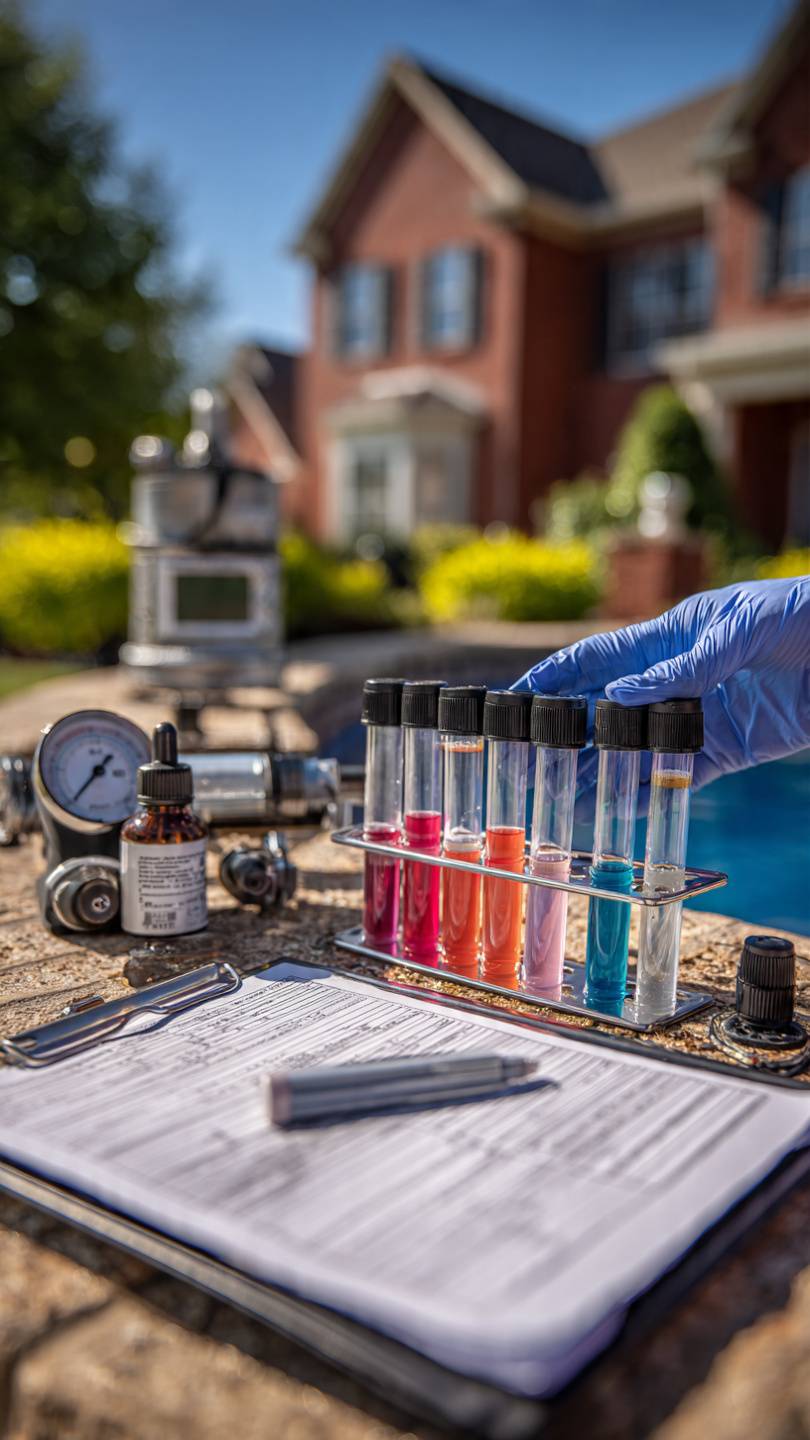
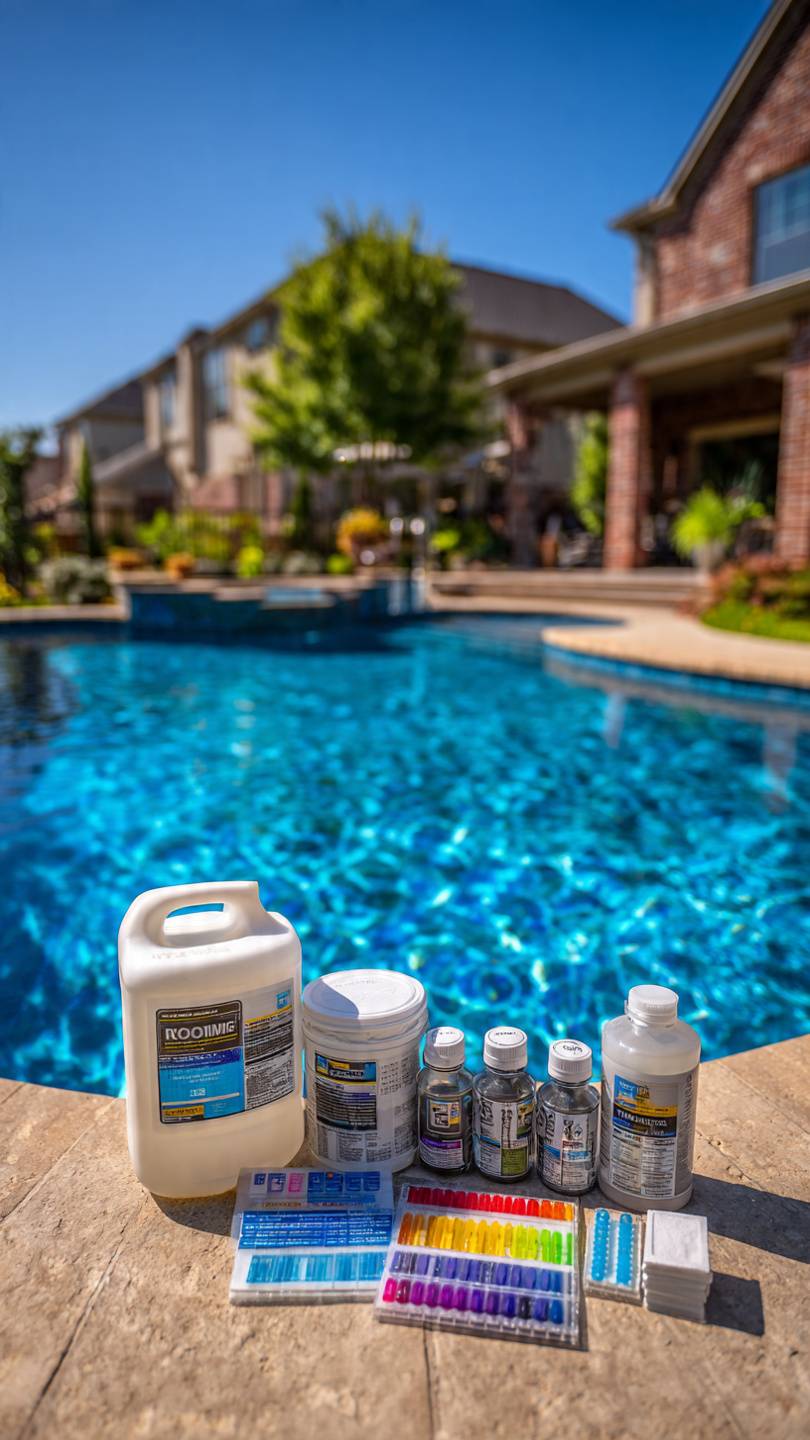
Recognizing early symptoms of failing Hayward pool pump repair parts can prevent major equipment damage.
Water leaking under the pump
This is commonly caused by a worn shaft seal. If ignored, the leak can eventually damage the motor.
Loud grinding or whining noise
A loud motor often indicates worn bearings or internal motor damage.
Pump losing prime
If your pump struggles to maintain suction, the lid O-ring may be worn or cracked.
Weak water flow
Reduced pressure at the return jets often points to a clogged or damaged impeller.
Why Pools Put Extra Stress on Pump Components
Longer pump run times
During peak summer heat, pool pumps may run 10–12 hours daily to maintain proper circulation.
High calcium levels
Hard water contributes to mineral buildup on internal pump parts. According to US Geological Survey water hardness research, calcium-rich water can lead to scale buildup in plumbing and mechanical systems.
Storm debris and pollen
Seasonal storms and heavy pollen increase debris in pools, which places extra strain on pump baskets and impellers.
Preventative Maintenance That Extends Pump Life
Replace O-rings and seals regularly
These inexpensive parts are among the most common Hayward pool pump repair parts that fail, and replacing them early can prevent costly pump damage.
Keep pump baskets and filters clean
Clogged baskets restrict water flow and force the pump to work harder than necessary.
Watch for small leaks
Even minor leaks can eventually damage the motor if left unrepaired.
Schedule annual pump inspections
Professional inspections can identify worn components before they cause a full pump failure.
People Also Ask
What are the most common Hayward pool pump parts that fail?
Shaft seals, pump lid O-rings, motor bearings, impellers, and diffusers are the most common Hayward pool pump repair parts that wear out.
How long does a Hayward pool pump last?
Most Hayward pumps last 8–12 years with proper maintenance and occasional part replacement.
How do I know if my pump shaft seal is bad?
Water leaking between the motor and pump housing usually indicates a worn shaft seal.
Can I replace Hayward pump parts myself?
Some parts like O-rings and pump lids are easy DIY replacements, but internal repairs are often better handled by professionals.
Why is my pump making noise?
Grinding or whining noises often indicate worn motor bearings or internal motor problems.
How much does pump repair cost?
Minor repairs like seal or O-ring replacement may cost under $150, while major motor repairs can cost several hundred dollars.
PoolBurg Repairs Hayward Pool Pumps Across DFW
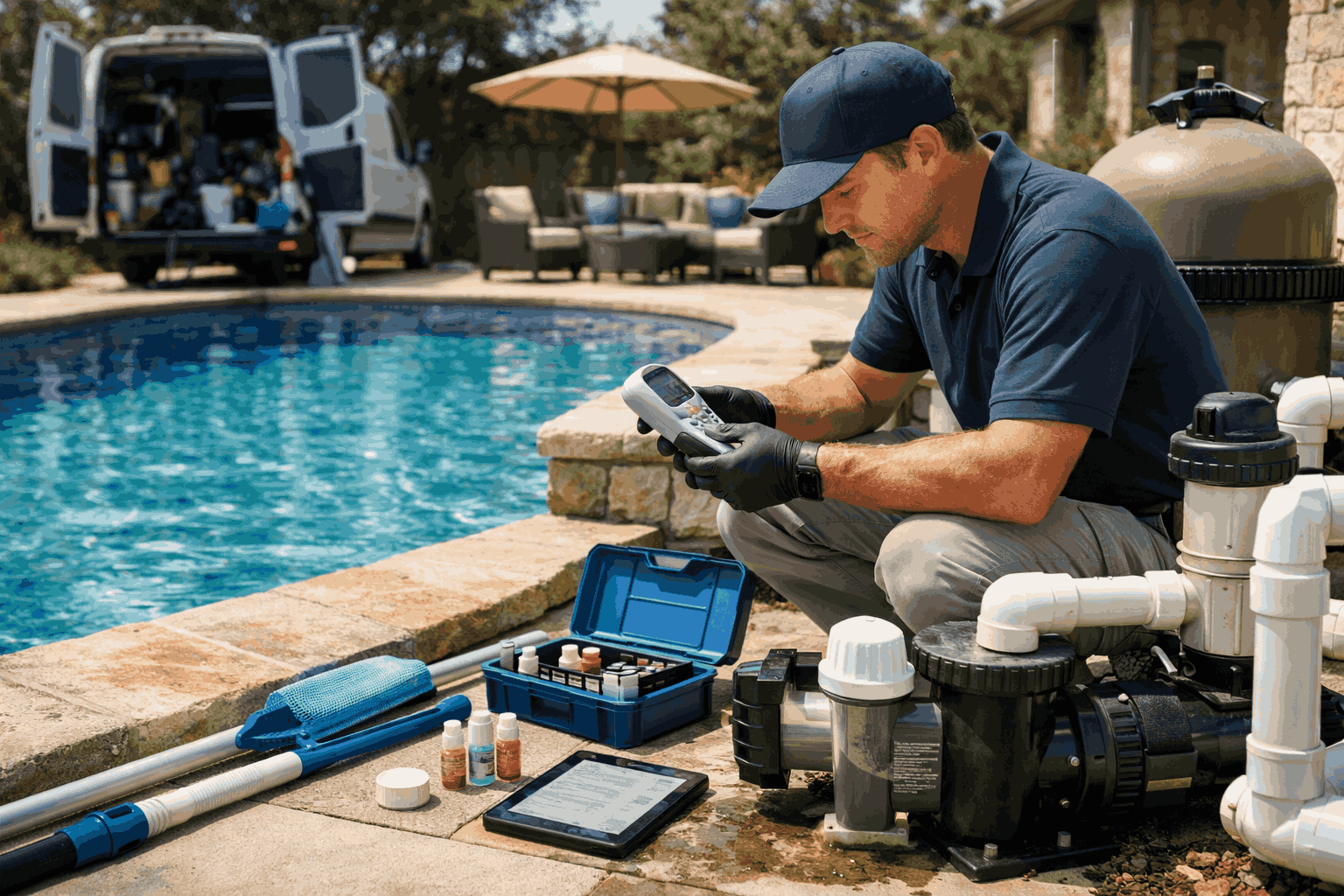
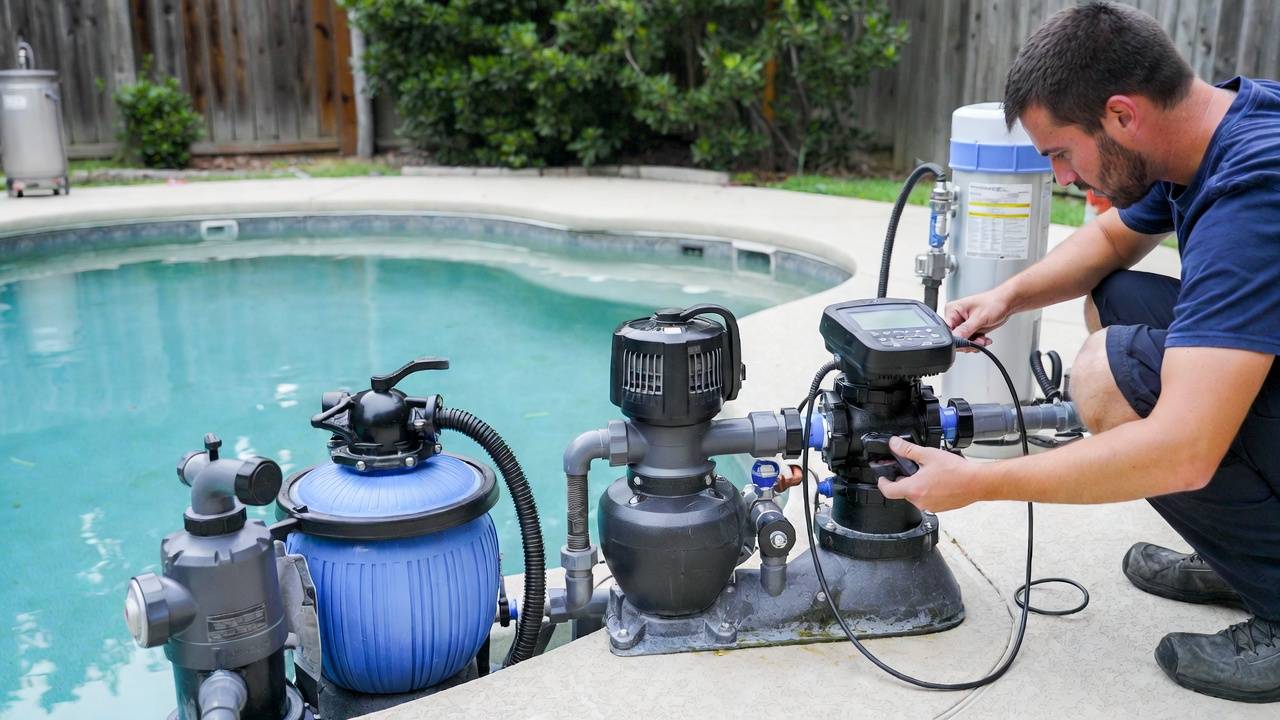
At PoolBurg, our technicians quickly diagnose worn Hayward pool pump repair parts and recommend the most cost-effective solution. Common repairs include replacing seals, impellers, O-rings, and worn motor components.
Professional pump repair restores proper circulation, protects your filtration system, and extends the life of your pool equipment.
Hearing strange noises or noticing leaks from your Hayward pump? PoolBurg can quickly diagnose and repair worn pump parts before they cause major equipment failure.