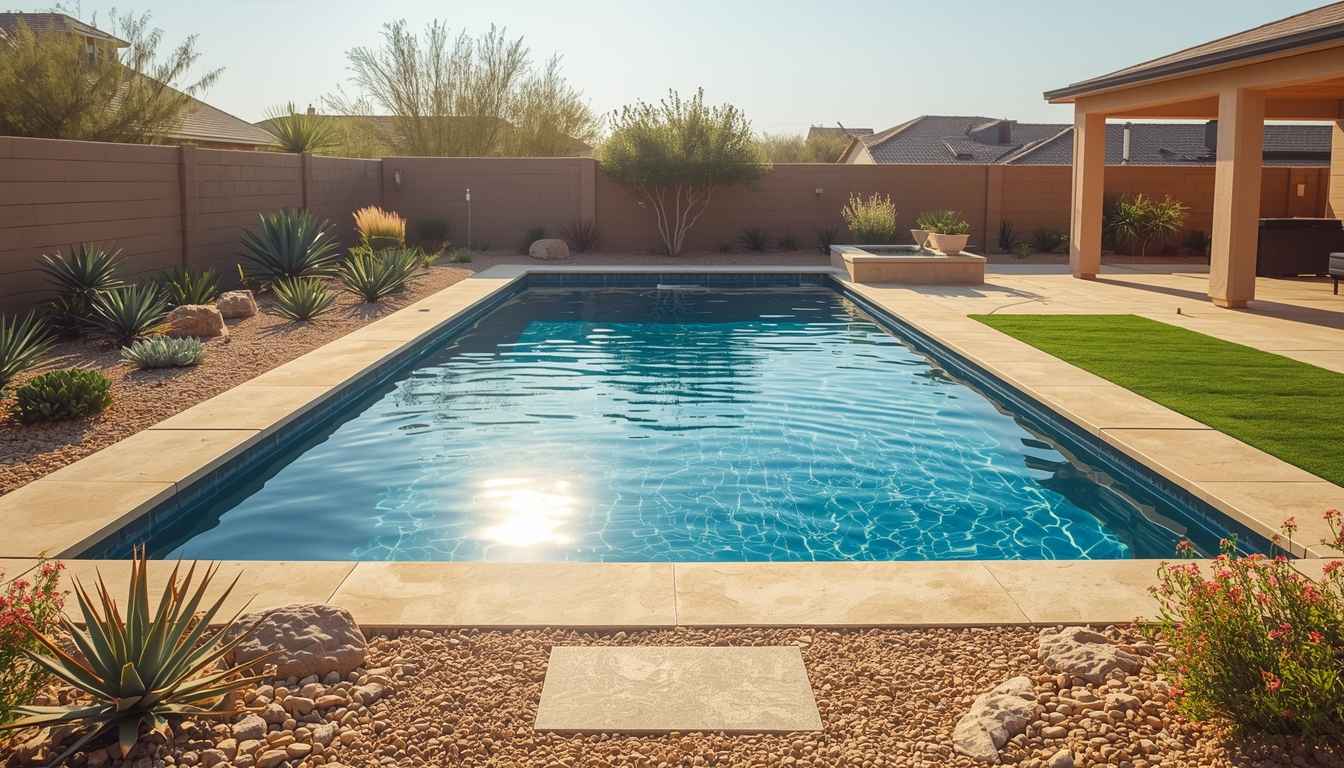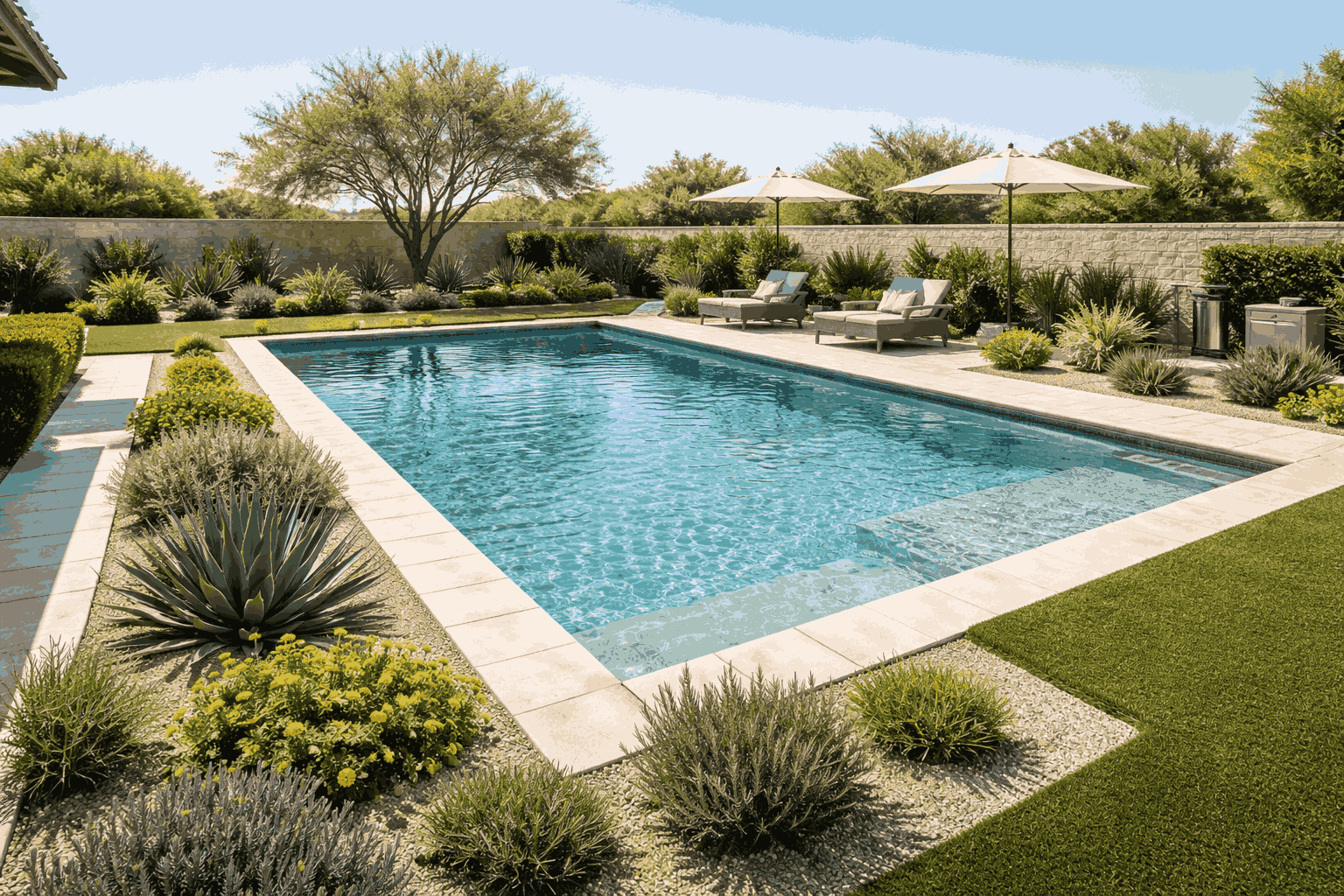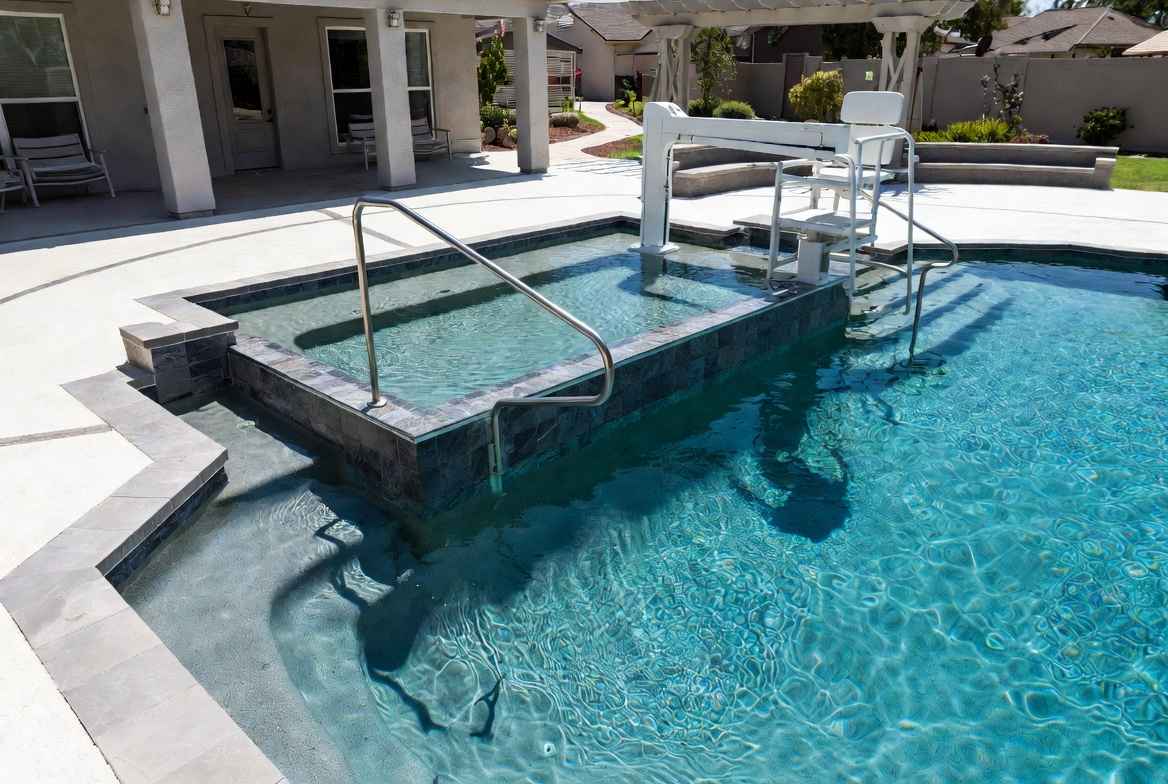
A natural swimming pool — no chemicals, just plants and biological filtration keeping your water clean — sounds like a dream. And in parts of Europe and cooler U.S. climates, it works. But if you’re wondering can you have a pool without chemicals Texas heat allows, the honest answer is: not safely. DFW’s extreme water temperatures create challenges that biological filtration alone can’t overcome. Before you invest $80,000 to $250,000 in a chemical free pool that may not deliver what you expect, here’s the unvarnished truth about natural swimming pool systems in North Texas — and the safer alternative that gives you nearly the same result.
What Is a Natural Swimming Pool?
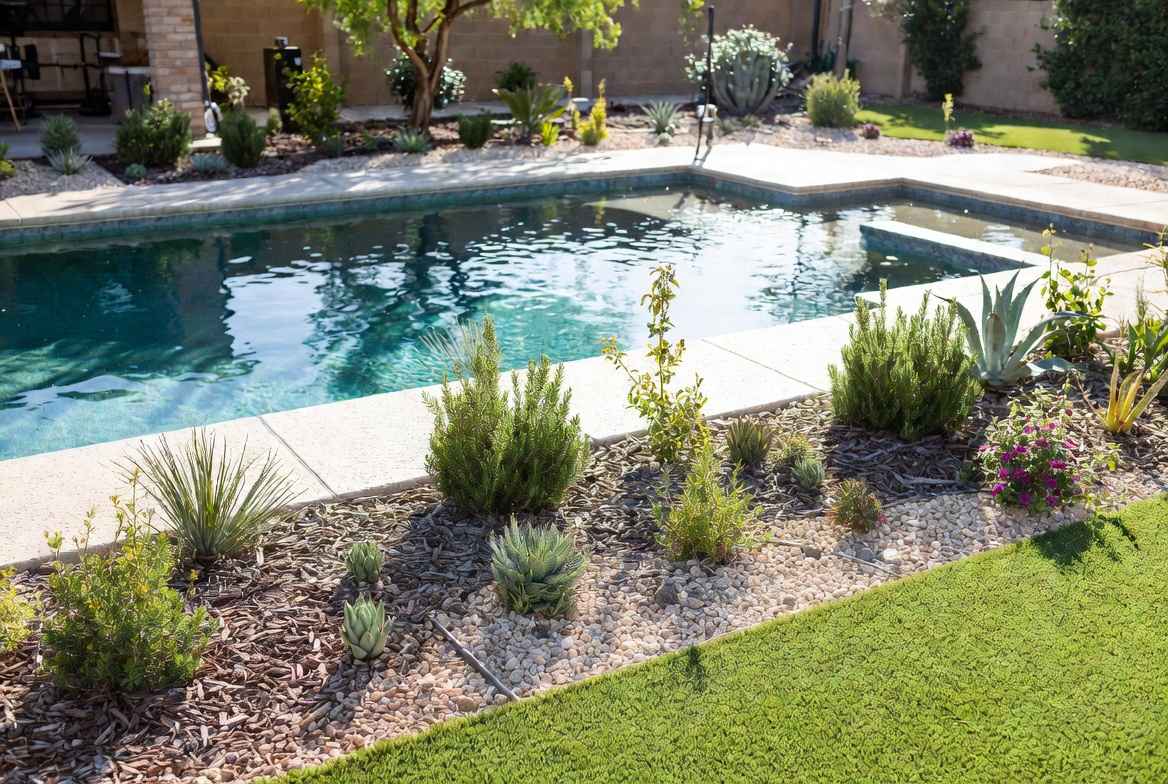
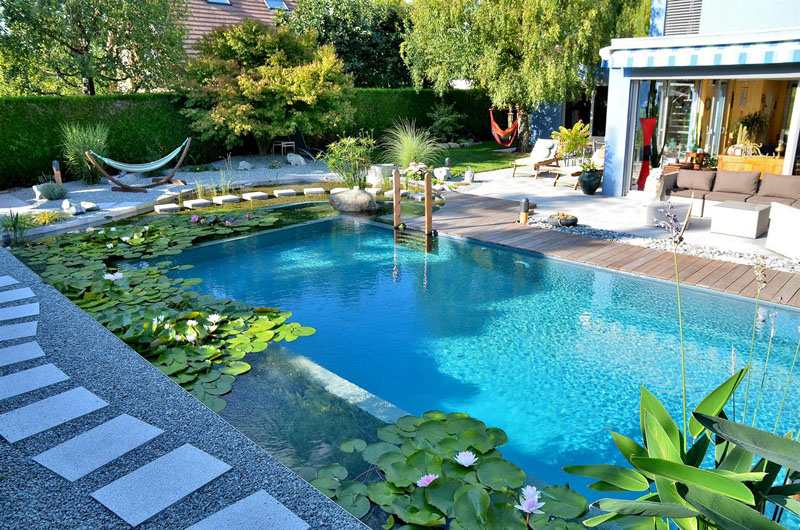
A natural swimming pool pairs a swimming area with a “regeneration zone” of aquatic plants and gravel beds that naturally filter the water. No chlorine, no salt, no chemical treatment — biology handles everything. They’re successful in Germany, Austria, and the UK where water temperatures stay below 75°F. Cooler water naturally suppresses bacteria and algae growth, and longer winter dormancy gives the biological system time to reset. The Pool & Hot Tub Alliance recognizes natural swimming pools as a legitimate category but notes that climate suitability varies dramatically by region.
Why a Natural Swimming Pool Is Extremely Challenging in DFW
Water temperature is the dealbreaker. DFW pools reach 88 to 95°F in summer. Bacteria and algae reproduce exponentially in warm water — doubling every 4 to 8 hours in nutrient-rich conditions at 90°F. European natural swimming pool systems work at 65 to 72°F where biological growth is slow enough for plant filtration to keep pace. At Texas temperatures, algae growth outpaces biological filtration by a wide margin. The CDC warns that warm recreational water without measurable sanitizer residual presents significant pathogen risk, particularly for bacteria like E. coli and parasites like Cryptosporidium.
Mosquito concerns. A natural swimming pool requires still or slow-moving water sections in the regeneration zone — exactly what mosquitoes need to breed. DFW’s West Nile virus history makes this a genuine public health concern, not just an annoyance. City code enforcement may have issues with standing water features that could serve as breeding grounds. Can you have a pool without chemicals Texas mosquito seasons demand protection against? The answer gets complicated fast.
Space and cost. The regeneration zone needs to be equal to or larger than the swimming area. A 400-square-foot swim area needs 400 to 600 square feet of regeneration zone — totaling 800 to 1,000+ square feet. That’s a challenge on DFW suburban lots. Cost runs $80,000 to $250,000+, significantly more than a conventional pool. And ongoing maintenance is not zero — plants need care, gravel needs cleaning, and the biological system needs monitoring. According to HomeAdvisor’s pool data, natural swimming pool installations in warm climates cost 2 to 3 times more than conventional pools of the same swim area size.
DFW hard water creates additional problems — calcium deposits build up on biological filtration media and plant root systems, reducing their effectiveness over time. And Texas health department regulations, while not specifically addressing residential natural pools, create liability questions around pools without measurable sanitizer residual.
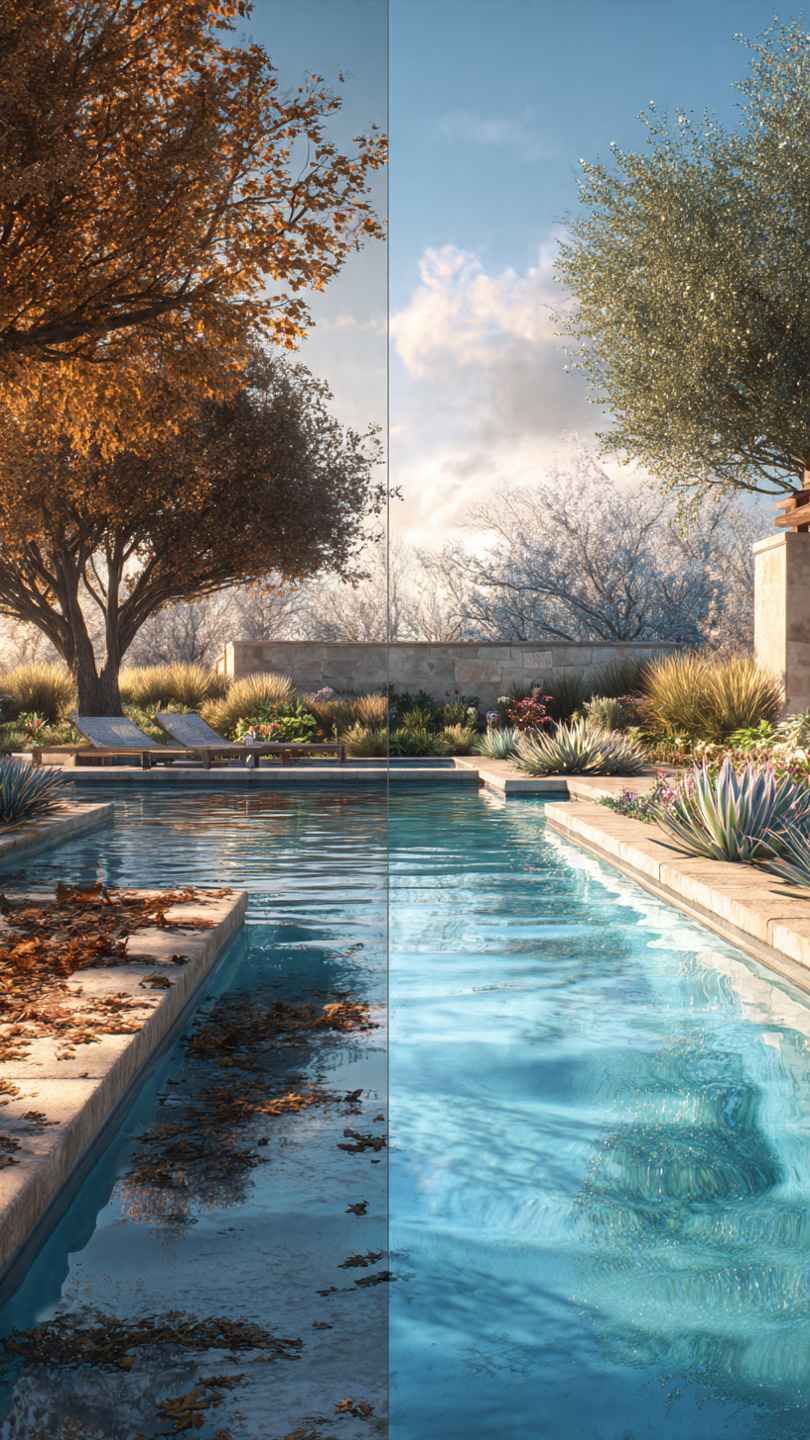
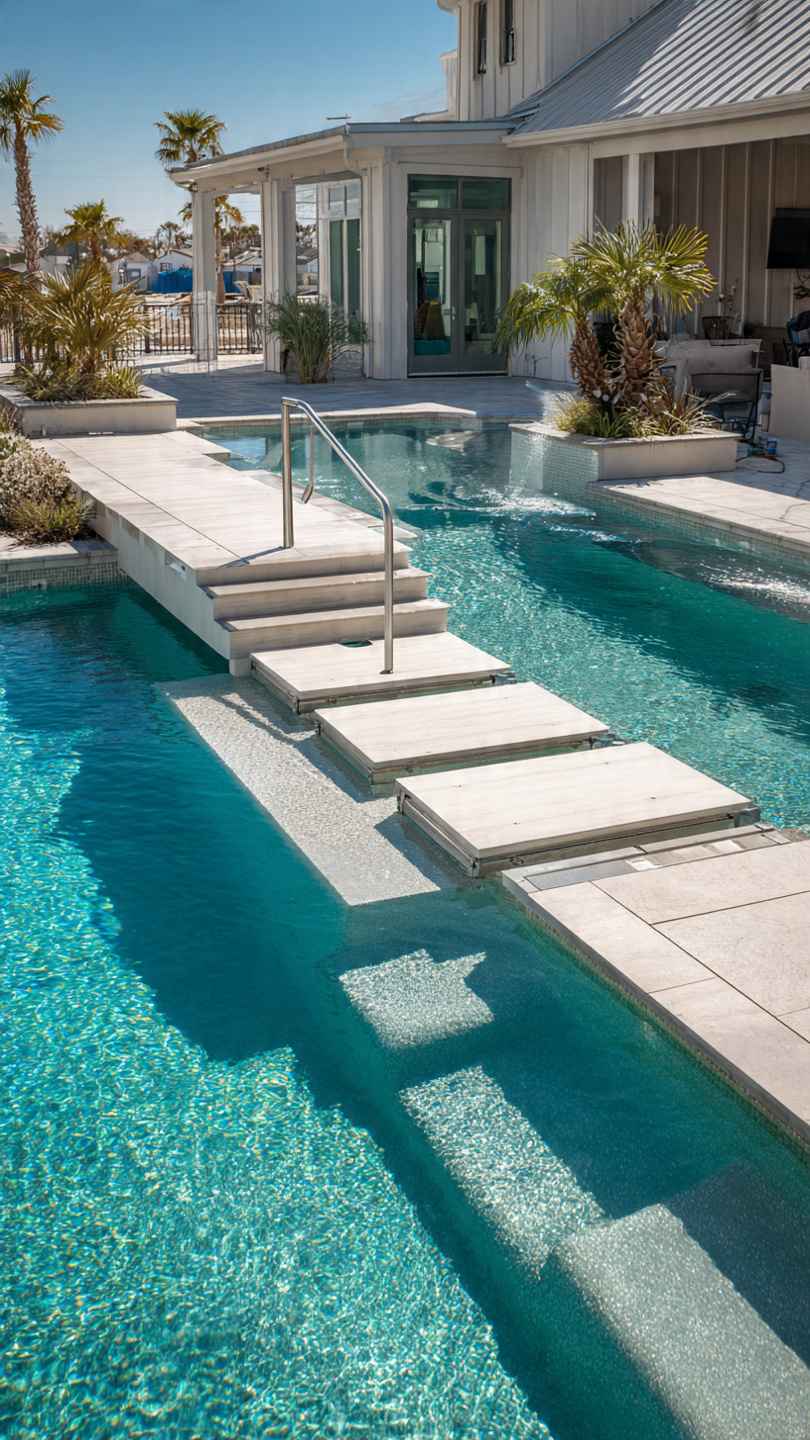
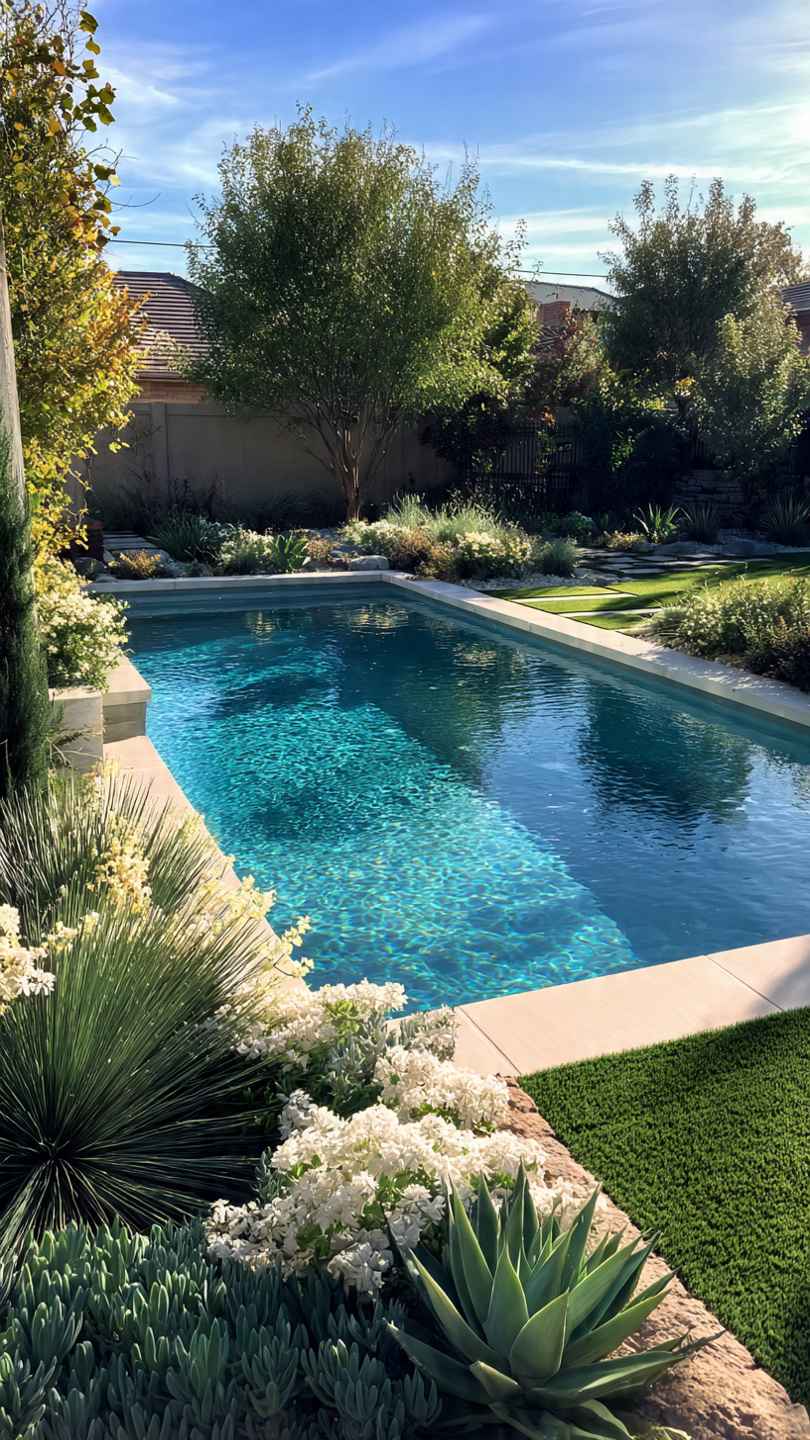
The Honest DFW Verdict on Natural Swimming Pool Options
Truly chemical free pool: not recommended in DFW. Texas heat makes biological-only sanitation unreliable and potentially unsafe. Bacteria risk is too significant at 88 to 95°F water temperatures. Mosquito breeding in regeneration zones creates community health concerns beyond just your property.
Hybrid approach: possible with caveats. A regeneration zone paired with minimal UV or ozone supplemental sanitation gives you the natural aesthetic with the pathogen protection biology can’t guarantee at 90°F. Plants handle primary filtration. UV or ozone provides the kill step. Still requires professional monitoring and costs more than conventional. The U.S. Department of Energy notes that hybrid biological-mechanical pool systems can achieve excellent water quality when properly designed for local climate conditions.
Best alternative for natural-minded DFW homeowners. A conventional pool with an AOP system running at just 0.5 ppm chlorine — barely detectable. Crystal clear, gentle water with proven technology that works reliably in DFW heat. You get 80 to 90% chlorine reduction, the softest water achievable, and none of the risks or space requirements of a natural swimming pool. Our sanitation alternatives guide compares every low-chemical option with costs and DFW performance data. Our chlorine sensitivity guide covers why the remaining 0.5 ppm is comfortable for even the most sensitive swimmers.
What About Cold Plunge Pools?
Cold plunge pools at 45 to 60°F have different dynamics entirely. Cold water naturally suppresses bacteria and algae. Smaller volume is easier to manage. Mineral or UV sanitation may be sufficient. They’re a growing trend in DFW wellness communities, but they’re cold therapy tools — not swimming pools. If you’re interested in chemical free pool concepts, a cold plunge is one of the few scenarios where minimal-chemical sanitation is genuinely viable in Texas.
People Also Ask
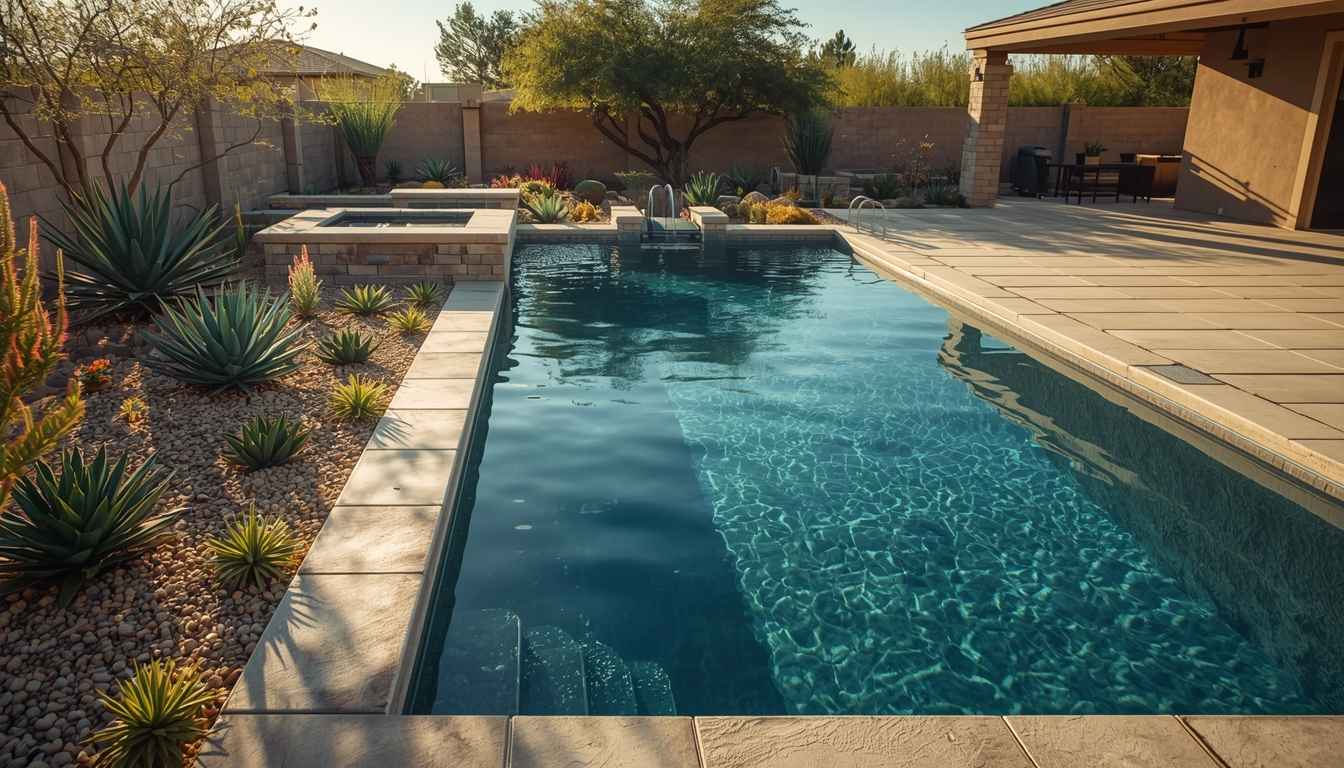
Can you have a pool without chemicals in Texas?
Not safely in an outdoor swimming pool. DFW water temperatures of 88 to 95°F create bacteria and algae growth rates that biological filtration alone can’t control. You can dramatically reduce chemicals with UV, ozone, or AOP systems, but some sanitizer residual is always needed.
Do natural swimming pools work in hot climates?
Poorly. Natural swimming pool systems are designed for water temperatures below 75°F. In DFW’s 88 to 95°F summer water, biological filtration can’t keep pace with bacterial and algae growth. Hybrid systems with supplemental UV or ozone offer a middle ground.
How much does a natural pool cost?
$80,000 to $250,000+ in DFW, including the regeneration zone. That’s 2 to 3 times more than a conventional pool of the same swim area. Ongoing maintenance is not zero — plants, gravel, and biological systems need professional care.
What is the lowest-chemical pool option for DFW?
A conventional pool with an AOP system at 0.5 ppm chlorine. This gives you 80 to 90% chlorine reduction with proven, reliable sanitation in Texas heat. Our sanitation alternatives guide covers every option with DFW-specific recommendations.
Are natural pools safe for swimming?
In cool climates with proper design, yes. In DFW’s heat, a purely biological natural swimming pool carries meaningful bacteria risk. A hybrid system with UV or ozone supplementation can be safe but requires professional design and monitoring. Our maintenance services support all sanitation system types.
Want the Lowest-Chemical Pool Possible in DFW?
PoolBurg advises on systems that actually work in Texas heat — UV, ozone, AOP, and mineral systems that reduce chlorine dramatically while keeping your water safe. A natural swimming pool sounds appealing but the safer alternative delivers almost the same result. Contact PoolBurg for honest guidance on the lowest-chemical option that fits your pool and budget.