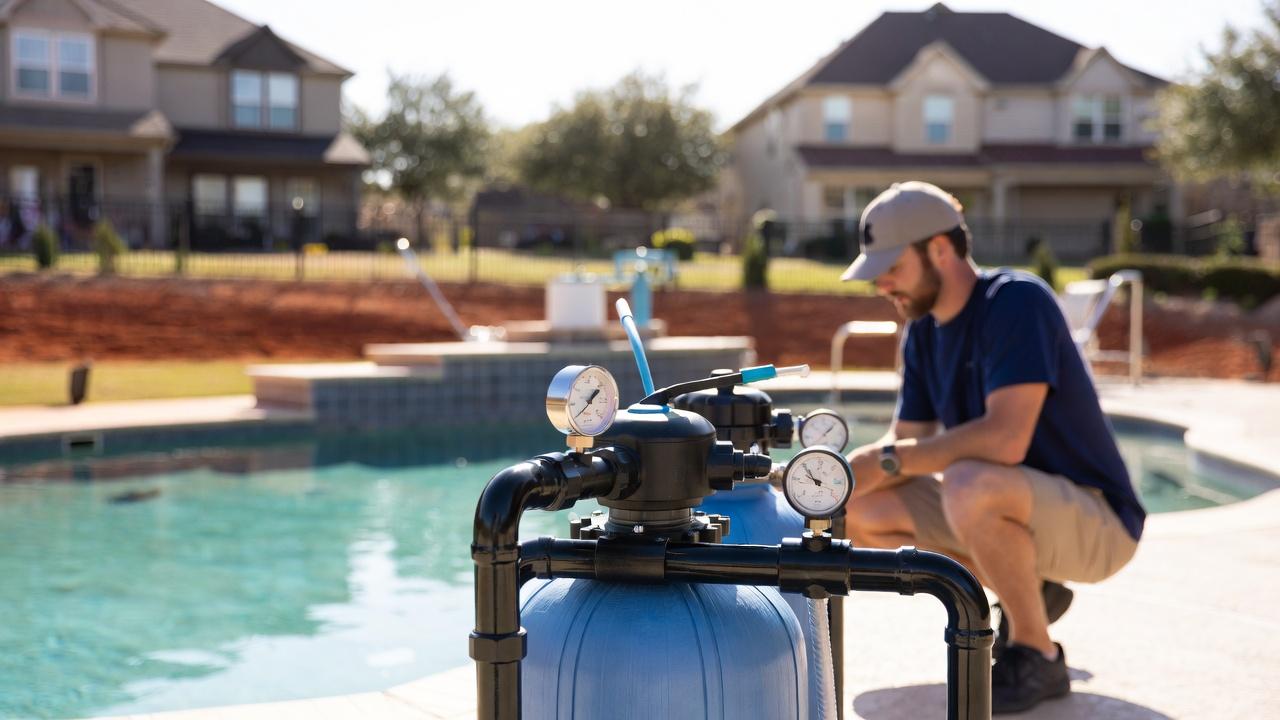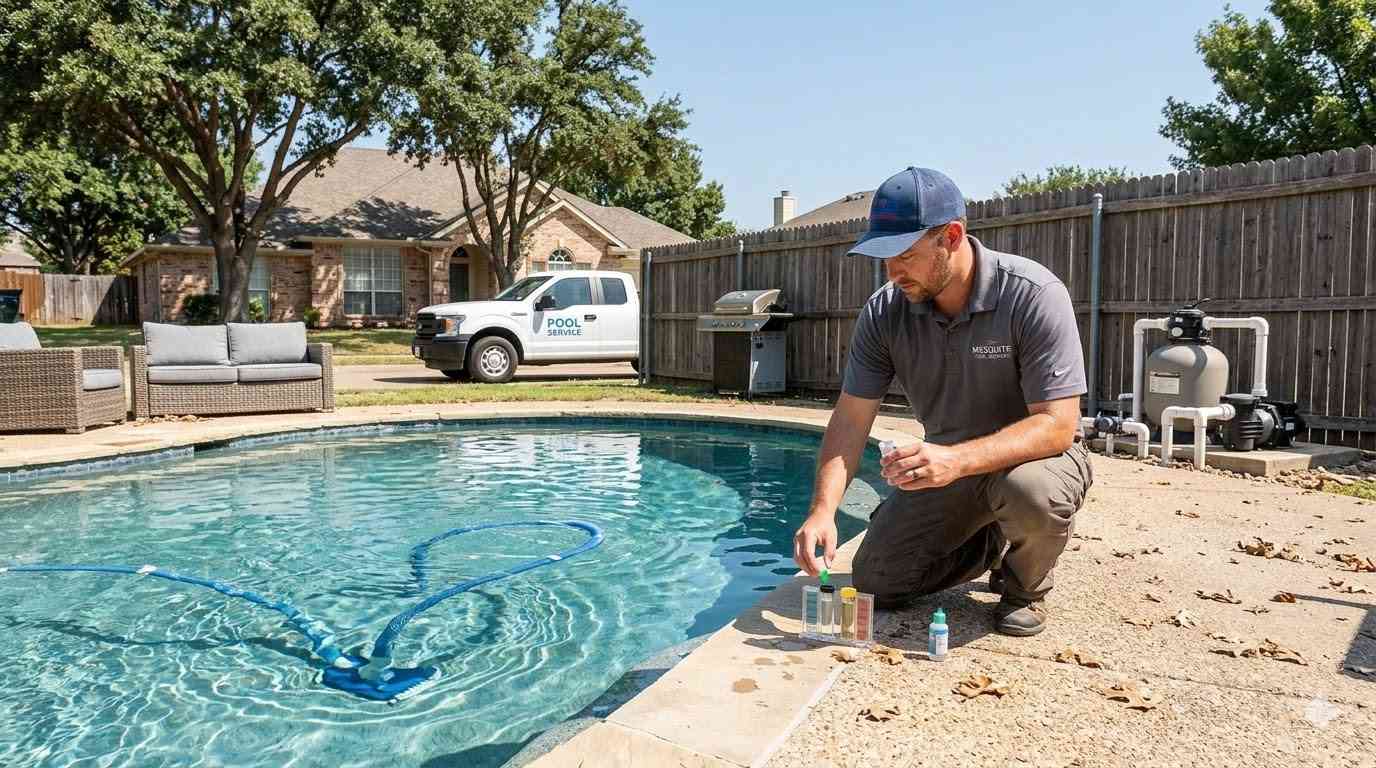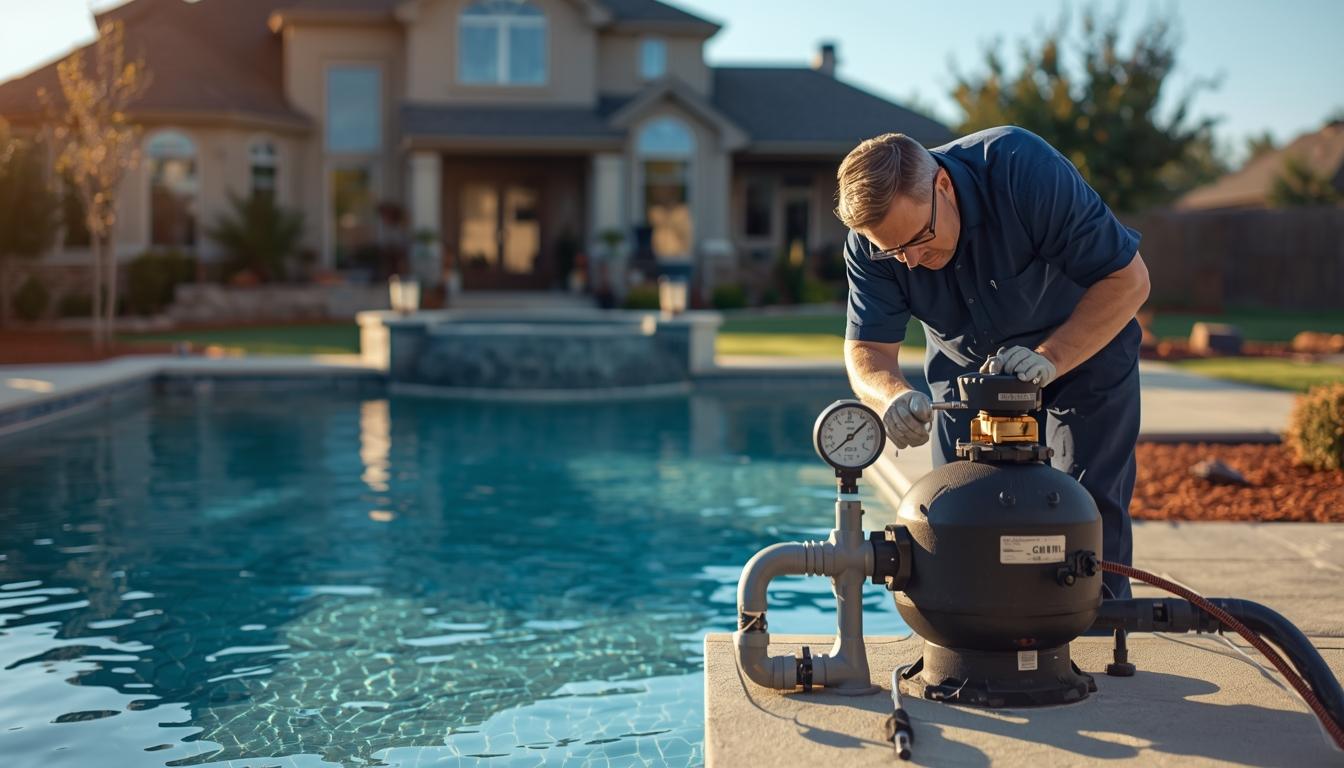
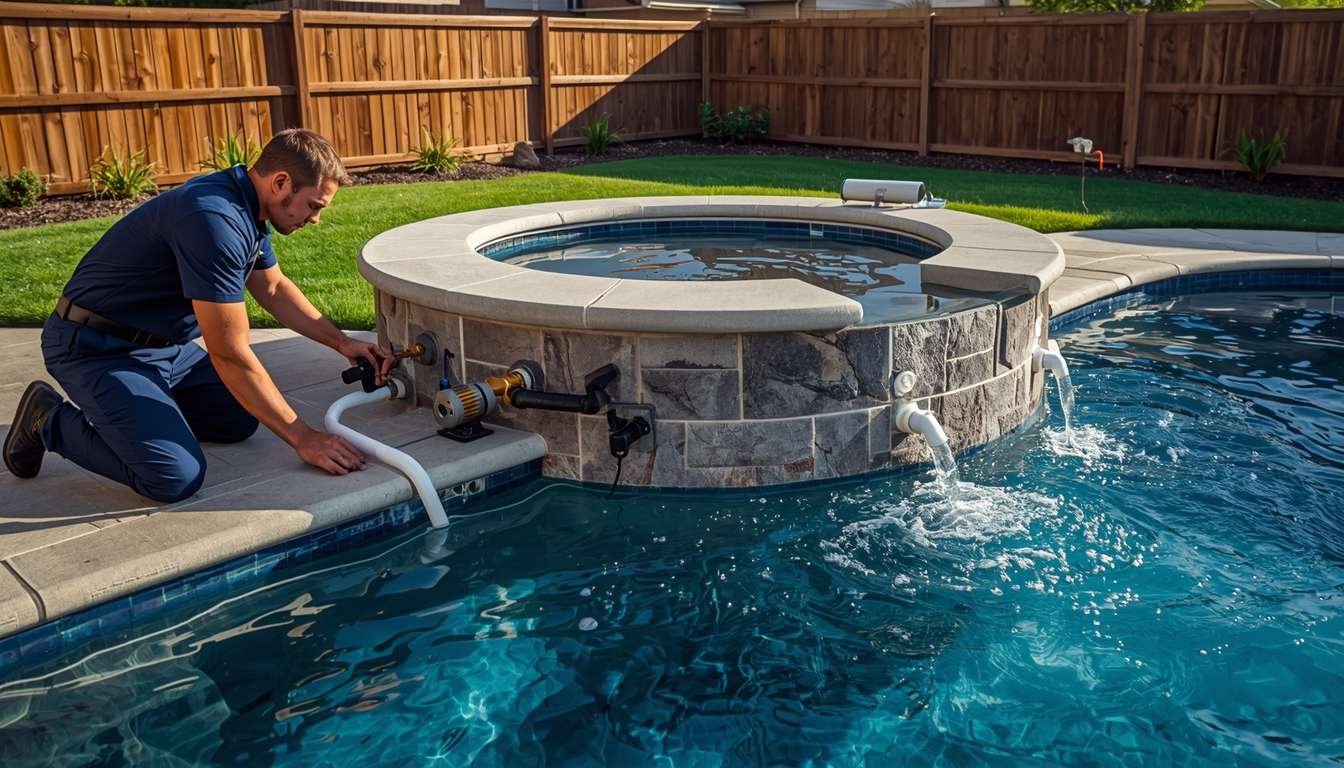
Pool and spa repair requires someone who understands how both systems work together, not just separately. If you have a pool with an attached spa or hot tub — and a huge number of homes in DFW do — then your plumbing, heater, pump, and automation are shared between the two. When something goes wrong on one side, it almost always affects the other. The frustrating part is that many general pool companies treat the spa as an afterthought, or they’ll fix the pool side but miss the spa-specific issue entirely. That’s where proper pool and spa repair makes all the difference.
Why Pool and Spa Systems Need Specialized Service
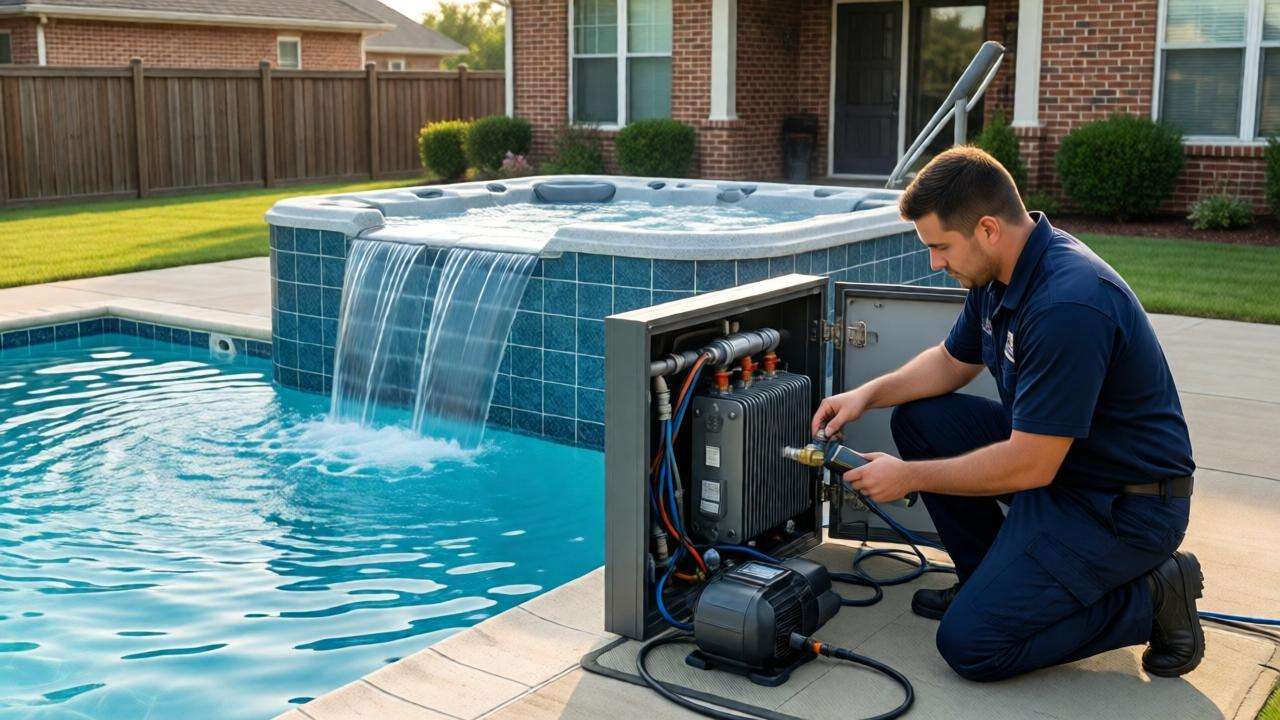
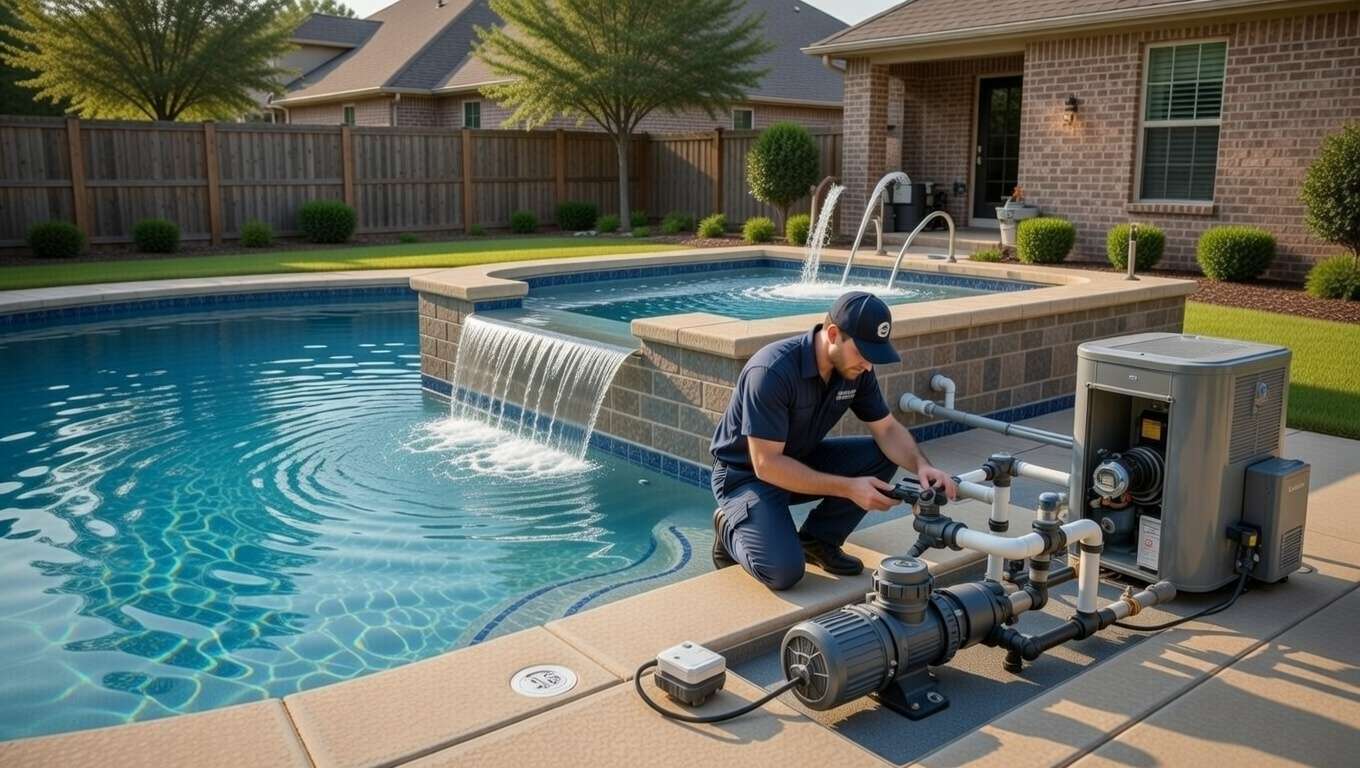
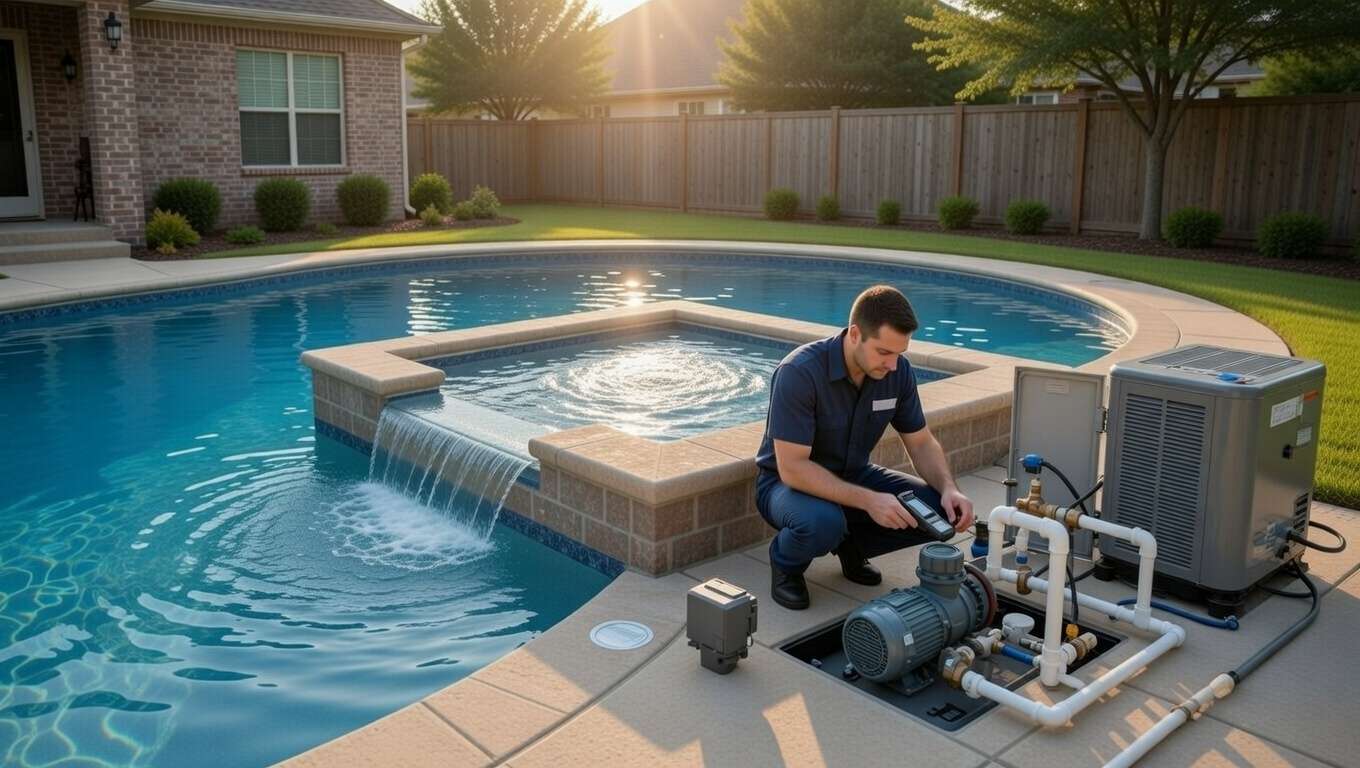
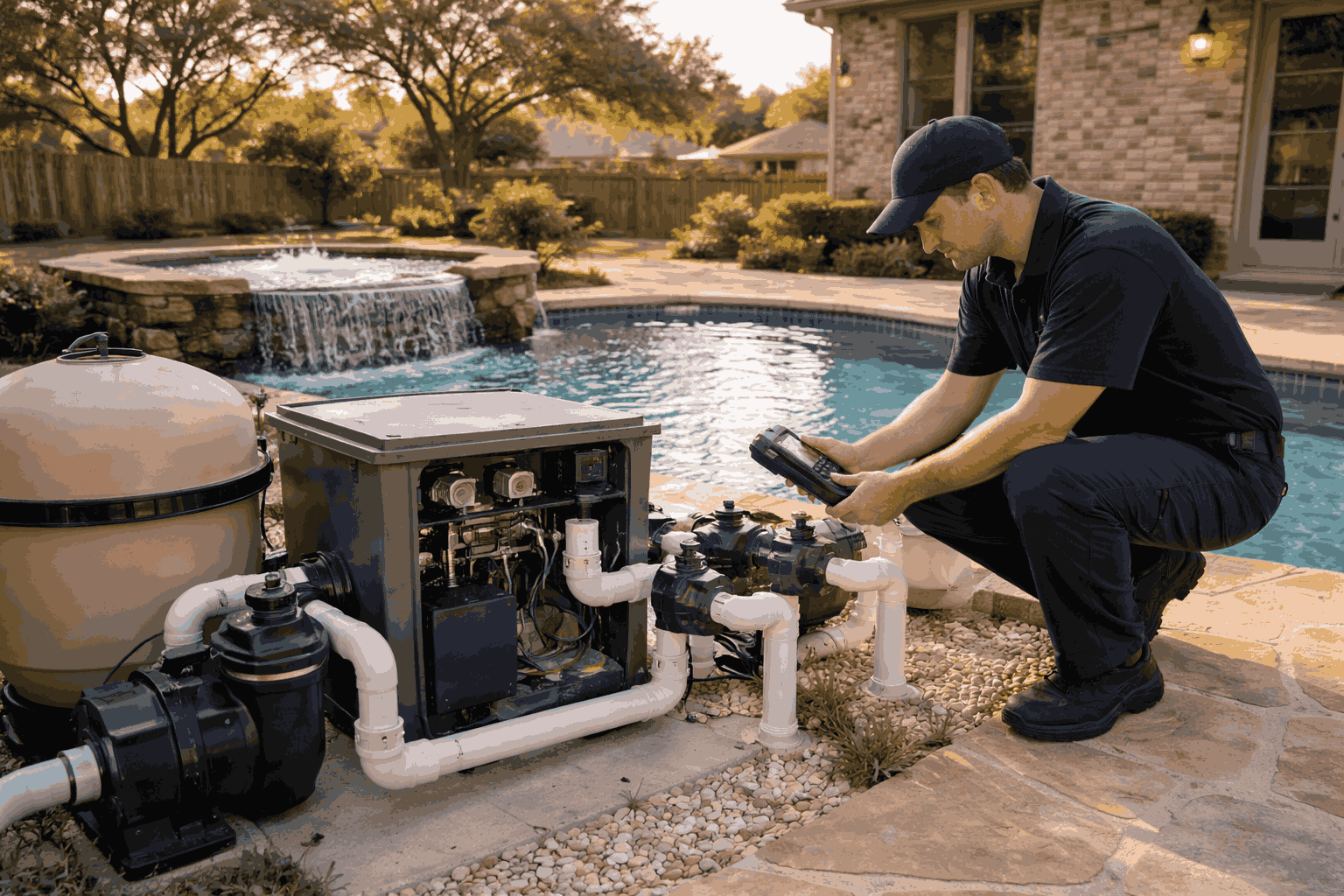
Most residential pool and spa setups in North Texas share critical equipment. One pump circulates water for both. One heater warms both. A diverter valve switches flow between the pool and spa. Automation controllers like Pentair IntelliCenter, Hayward OmniLogic, and Jandy AquaLink manage both systems through a single interface. This means a problem that shows up in the spa — weak jets, no heat, poor water quality — might actually originate in shared equipment. Pool and spa repair done right means diagnosing the entire system, not just the symptom. A technician who only knows pool-side equipment will miss spa-specific components like blower motors, dedicated spa jets, air venturi valves, and the diverter mechanisms that control where water flows.
Common Pool and Spa Repair Needs in North Texas
Spa Heater Not Heating
This is the number one pool and spa repair call we get in fall and winter. Common causes include a failed gas valve, worn igniter, clogged burner tray, or corroded heat exchanger. DFW’s hard water accelerates heat exchanger corrosion, so this issue comes up earlier here than in softer-water markets.
Spa Jets Weak or Not Working
Weak jets usually point to a stuck or failing diverter valve that isn’t directing enough flow to the spa side. It can also be a worn pump impeller, air lock in the plumbing, or clogged jet inserts. Getting this right requires understanding the pool-to-spa flow path.
Spa Lights Out
Spa light failures are usually a burned-out bulb or LED module, a tripped GFCI breaker, or a failing transformer. Underwater light work requires careful handling because of the water-and-electrical combination. Always have a licensed technician handle spa light pool and spa repair.
Diverter Valve Stuck or Leaking
The diverter valve controls whether water flows to the pool, the spa, or both. When it sticks or leaks internally, you get weak spa performance, heater issues, or water flowing to the wrong destination. Valve actuators wear out over time and replacement runs $200 to $500.
Shared Equipment Failures
When the pump or heater that serves both systems fails, everything goes down at once. Pool and spa repair for shared equipment means considering flow rates, heat demand, and plumbing configurations for both systems when selecting replacement components.
Spa Blower Motor Failure
The blower adds air bubbles to the spa jets for that relaxing effect. When it fails, you lose the bubble action entirely. Moisture intrusion and debris are the main killers. Replacement runs $200 to $450 installed.
Chemical Imbalance Between Pool and Spa
Spa water runs 100 to 104 degrees while pool water sits in the 80s. That temperature difference means the spa burns through chlorine faster, pH drifts more aggressively, and bacteria grows more quickly. Many homeowners test the pool and assume the spa is fine — it almost never is. Separate testing is a critical part of any pool and spa repair and maintenance program.
Pool and Spa Maintenance: What’s Different About Servicing Both?
Spa Heat Accelerates Chemical Consumption
Water at 102 degrees burns through sanitizer two to three times faster than water at 82 degrees. Spa chemistry needs checking at every visit, not just when it looks off. This is one of the biggest things general pool companies miss.
Spa Water Needs Draining Every 3 to 4 Months
Because of the small volume and high bather load relative to size, spa water accumulates dissolved solids, body oils, and chemical byproducts much faster than pool water. A full drain and refill every 3 to 4 months keeps the water fresh and reduces equipment strain.
Separate Chemical Testing for Pool and Spa
Even in shared systems, the pool and spa are different bodies of water with different temperatures and different demands. Testing should happen independently for each. A single set of readings from the pool tells you nothing about the spa.
Spa Filters Need More Frequent Cleaning
Spa filters — especially the smaller cartridge filters built into spa compartments — clog faster because of oils, lotions, and the higher chemical load. Clean them every 1 to 2 weeks during regular use. Neglecting spa filters is one of the fastest paths to a pool and spa repair call.
Pool and Spa Repair Costs in the DFW Area
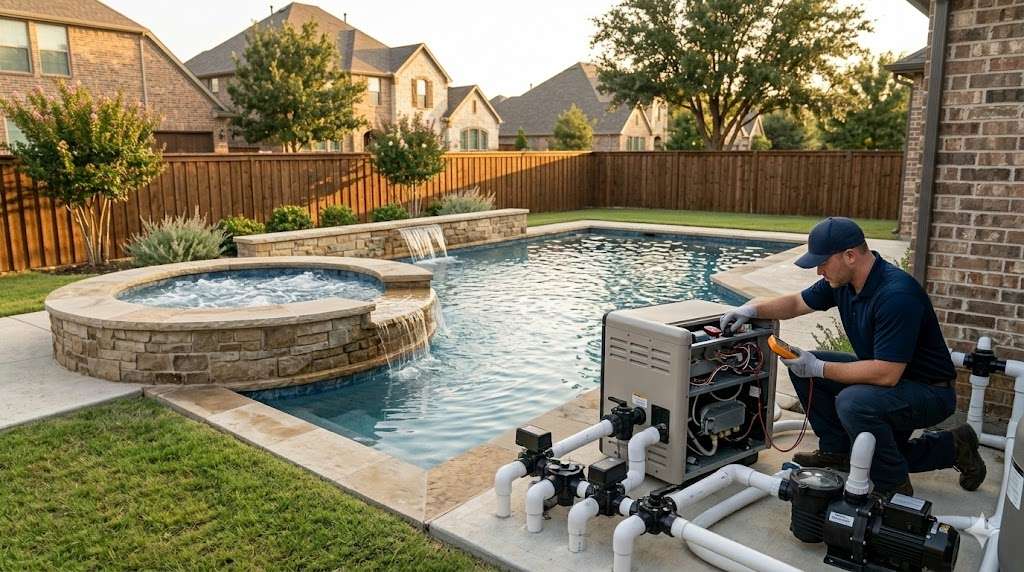
Spa heater repair runs $150 to $800 depending on the component — igniters are on the low end, heat exchangers on the high end. Jet replacement and plumbing repair costs $100 to $400. Diverter valve replacement runs $200 to $500 including the actuator motor. Spa blower replacement costs $200 to $450. Combined pool and spa equipment overhauls — replacing a shared pump and heater that serve both systems — run $2,000 to $5,000 depending on brands and features.
Labor in DFW averages $75 to $150 per hour for licensed pool and spa repair work. Getting both systems diagnosed and repaired in a single visit saves a second service call fee and gets everything running together properly.
People Also Ask About Pool and Spa Repair
Can the same company service my pool and spa?
Yes, and they should. Since most residential pool and spa systems share equipment and plumbing, having one company handle both means nothing gets missed between the two systems. Look for a company that explicitly offers pool and spa repair rather than one that only mentions pools.
How often should a spa be drained and refilled?
Every 3 to 4 months under normal use. In DFW with hard water, you may need to drain closer to every 3 months to manage calcium buildup. If the spa gets heavy use or the water looks cloudy despite proper chemistry, drain sooner.
Why is my spa not heating but my pool is fine?
The most common cause is a stuck or failing diverter valve that isn’t routing enough water through the heater on spa mode. It can also be a control board issue where the automation isn’t switching to spa heating properly. This is a classic pool and spa repair diagnosis that requires checking the shared equipment.
Do pool and spa combos cost more to maintain?
Slightly. The spa adds chemical costs, more frequent filter cleaning, and periodic drain-and-refill expenses. Expect to add $30 to $60 per month to your pool maintenance budget for spa care. But the convenience of having both serviced in a single visit keeps the overall cost manageable.
Should I run my spa pump separately from my pool pump?
In most DFW setups, a single pump serves both via the diverter valve. Dedicated spa pumps are more common in standalone hot tubs. If your system uses a shared pump, make sure it’s sized to handle the flow demands of both the pool and spa. If jets are consistently weak on spa mode, your pump may be undersized or the diverter valve may need pool and spa repair.
PoolBurg Handles Full Pool and Spa Repair Under One Roof
PoolBurg provides complete pool and spa repair and maintenance across all 17 North Texas cities we serve. Heater diagnostics, jet and plumbing repair, diverter valve replacement, blower motors, light fixtures, shared equipment overhauls, and separate chemical management for both systems. We service Pentair, Hayward, Jandy, Sta-Rite, Zodiac, and every other major brand. One technician, one visit, both systems handled together with transparent pricing and honest repair-vs-replace recommendations.
Pool and spa both need attention? One call handles everything.
Tell us what’s going on with both systems and we’ll diagnose them together for one service call.
Visit poolburg.com or call us today.