Pool automation installation in Dallas typically costs $1,500 to $5,000, depending on system complexity and the number of features you want to control . Basic systems that manage pumps, heaters, and lights run $1,500 to $2,500 . Mid-range systems with app control, scheduling, and remote access cost $2,500 to $5,000 . Advanced systems with full integration, voice control, and automated water chemistry monitoring can reach $5,000 to $10,000+ .
Pool automation takes the daily maintenance tasks and operational decisions off your plate and handles them intelligently in the background. It connects your pool’s equipment, pumps, heaters, lights, valves, water features, and salt systems, into one integrated system you can control from your smartphone anywhere in the world .
What you can control:
Pumps: Variable speed programming, flow rate monitoring, energy usage tracking
Heaters/Chillers: Precise temperature maintenance, vacation scheduling, solar optimization
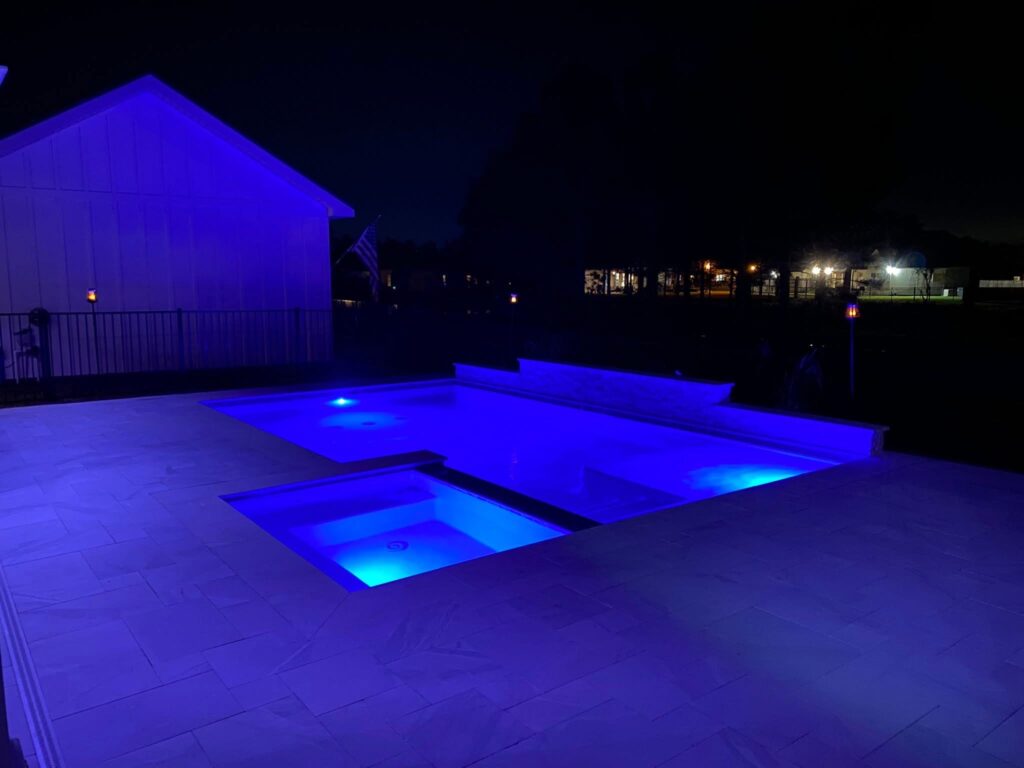
Lighting: Color sequencing, dimming, security schedules, holiday themes
Water Features: Waterfall flow, fountain patterns, deck jet sequencing
Spa Integration: Separate temperature control, automatic spillover, rapid heating
Chemical Management: pH and chlorine monitoring, automated dosing, water balance alerts
With the right automation system, you can warm up your spa before arriving home, schedule cleaning cycles, and even monitor equipment performance remotely .
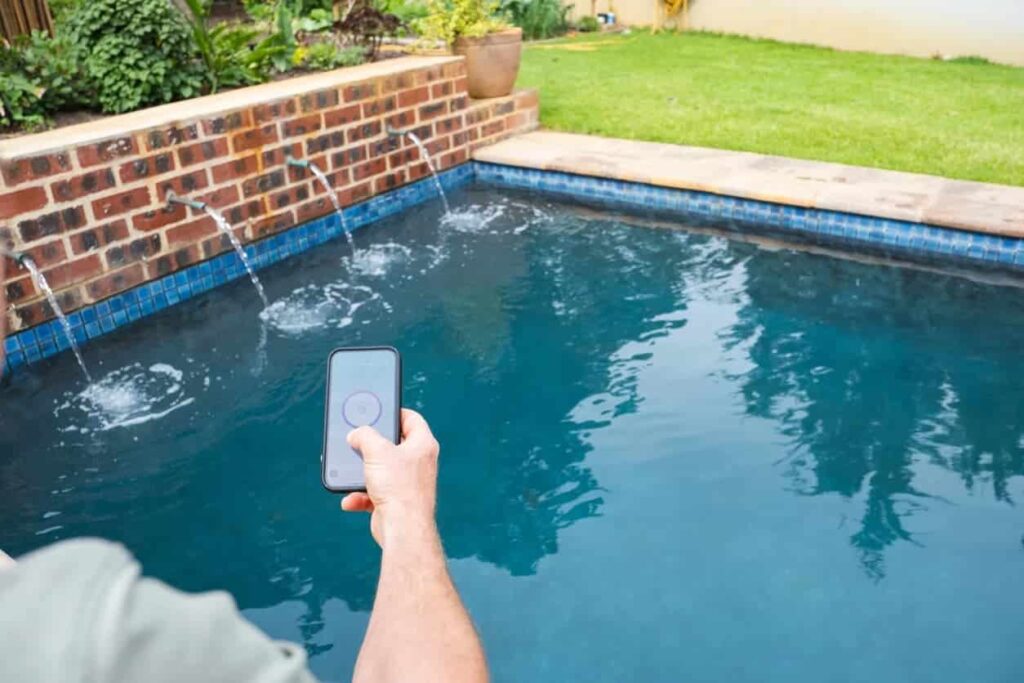
The average pool owner spends 30-60 minutes weekly on routine pool management. Automation reduces this to about 5 minutes of occasional monitoring, 25-55 hours annually returned to your life .
Energy savings:
Pump optimization: Variable speed pumps controlled by automation can reduce pump energy costs by 50-80%
Heater management: Precise control can reduce heating costs by 20-40%
Lighting efficiency: LED control reduces lighting energy use by 60-90%
Chemical savings:
Automated chemical feeders maintain precise levels, reducing chemical usage by 15-30%
Consistent balance prevents corrective shock treatments
Payback period: Typically 3-5 years for comprehensive systems, with ongoing savings thereafter.
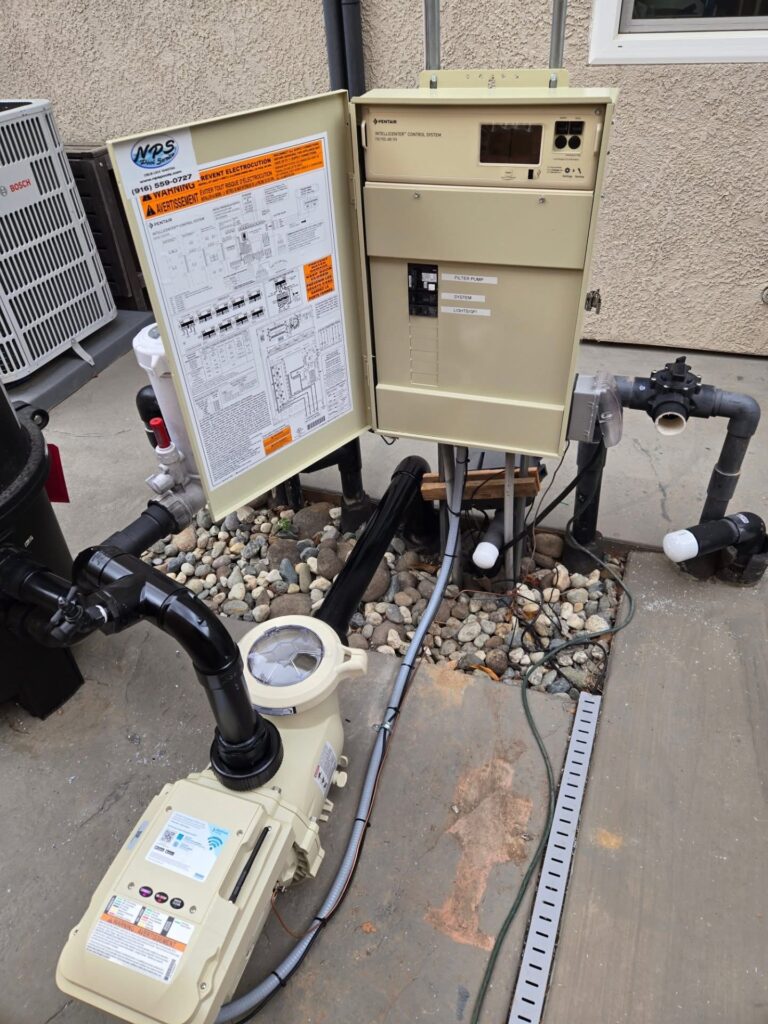
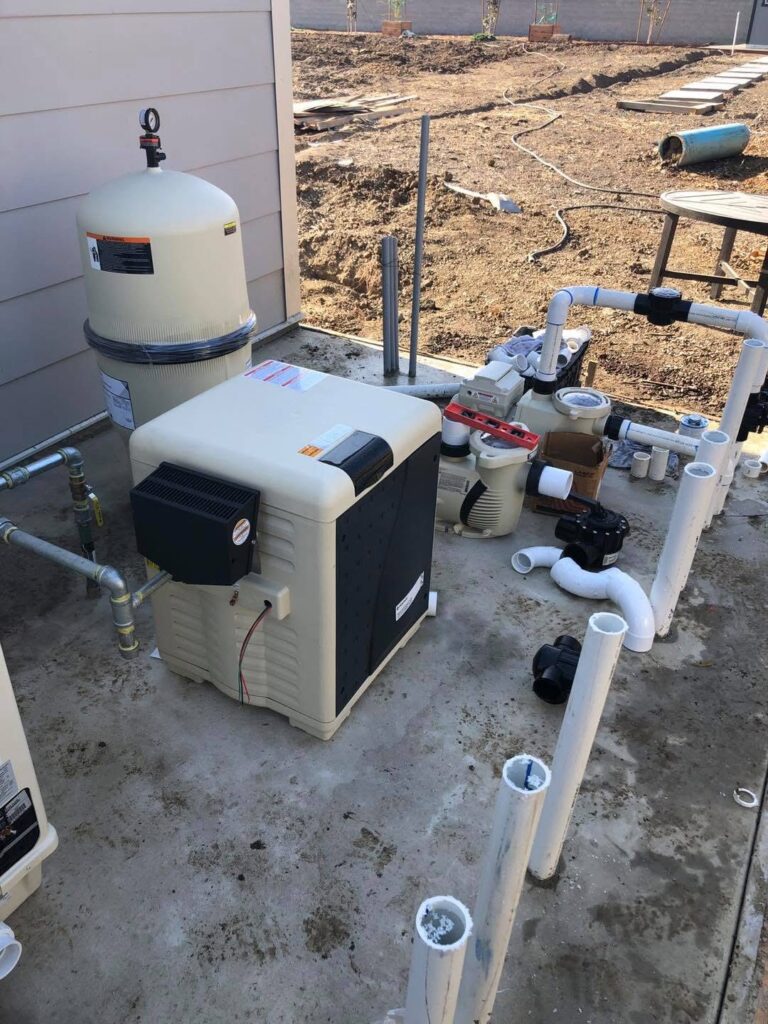
The best system depends on what equipment you already have. The cleanest choice is matching the automation brand to your existing equipment .
Best for: Premium residential pools with Pentair equipment
Features:
Full smartphone app control with Pentair Pool app
Compatible with IntelliFlo pumps, MasterTemp heaters, IntelliChlor salt systems
Weather-based scheduling and energy monitoring
Voice control via Alexa and Google Home
Remote diagnostics for pool professionals
Pricing: $2,500 – $4,500 installed
Best for: Advanced smart backyard control with Hayward equipment
Features:
Industry-leading smartphone app
Supports virtually unlimited devices
Integration with smart home platforms and voice assistants
Modular expandability for future upgrades
Water chemistry integration with Sense and Dispense
Pricing: $2,500 – $5,000 installed
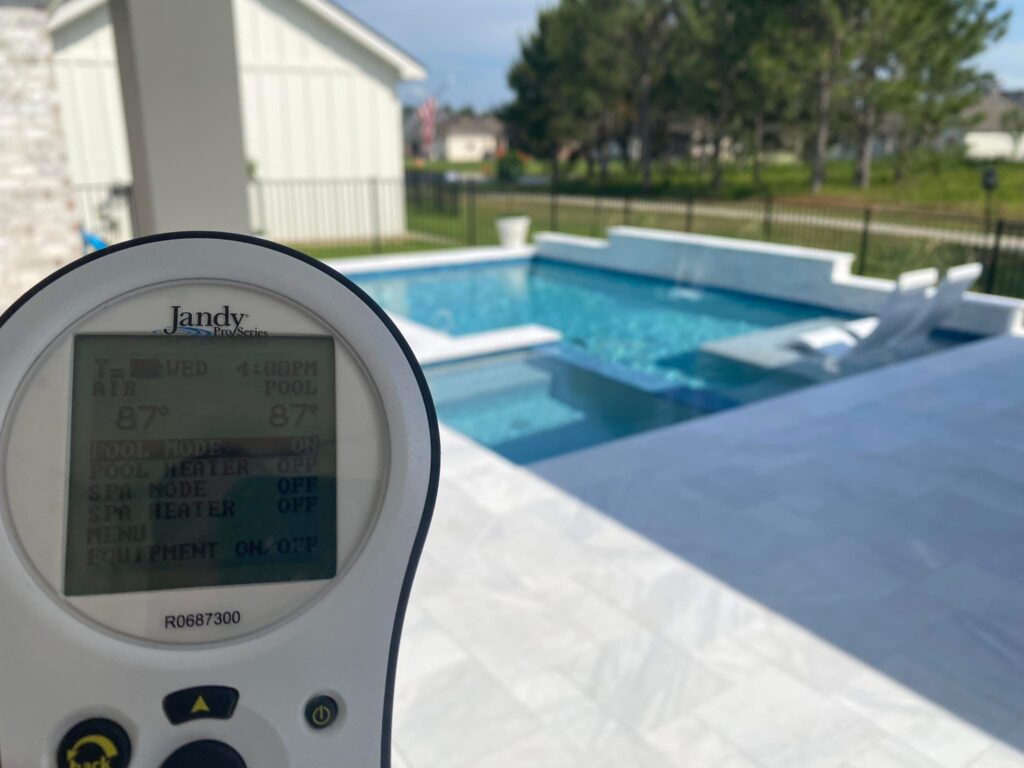
Best for: Existing Jandy equipment or AquaLink upgrades
Features:
Clean, intuitive smartphone app
One-touch scene programming
Seasonal adjust technology for energy savings
Compatible with all Jandy/Zodiac equipment
Wireless handheld remotes available
Pricing: $1,500 – $3,500 installed
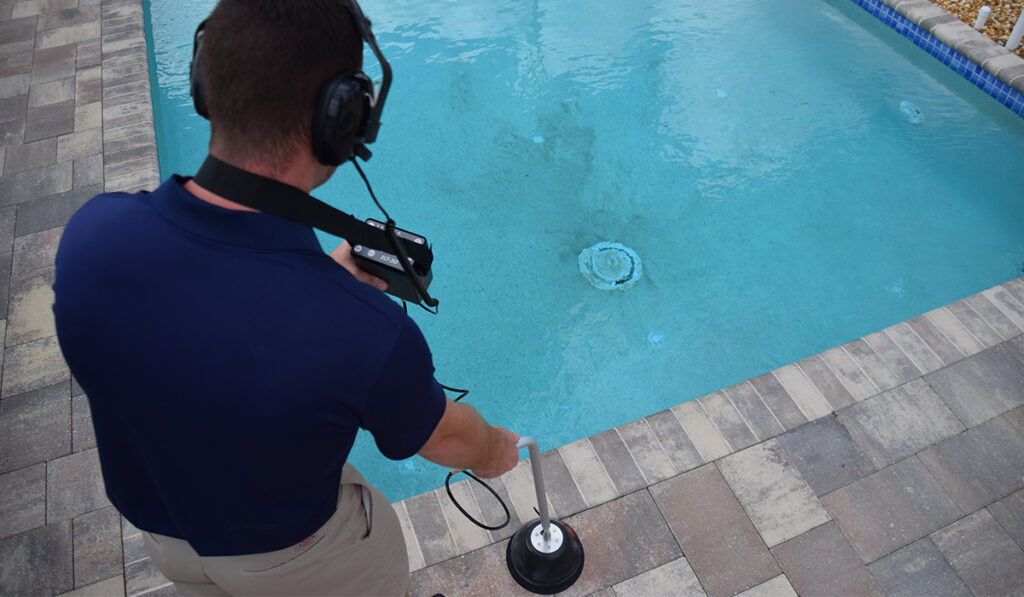
Site Evaluation:
We begin with a thorough assessment of your existing or planned pool system:
Current equipment inventory and compatibility
Electrical system capacity and configuration
Plumbing layout and valve placements
Network connectivity and wireless coverage
Physical layout and future expansion considerations
Lifestyle Analysis:
Automation should adapt to your life, not the other way around. We discuss:
Family schedule and swimming patterns
Entertaining habits and special occasion needs
Vacation schedules and seasonal usage
Specific concerns (energy costs, maintenance time, water quality issues)
Future plans (adding features, smart home integration)
Goal Setting:
We help define clear objectives for your automation system:
Primary goals (convenience, savings, safety, entertainment)
Budget parameters and priorities
Phased implementation options
Future expansion planning
Compatibility Analysis:
Not all automation systems work with all equipment. We evaluate:
Manufacturer compatibility matrices
Communication protocol requirements
Electrical specifications and limitations
Physical space constraints
System Architecture Design:
We create a detailed installation plan including:
Control panel placement for optimal access and aesthetics
Wiring diagrams and circuit planning
Network integration strategy
User interface design and customization
Backup and redundancy planning
Equipment Selection:
We recommend components based on:
Performance requirements
Reliability and manufacturer support
Energy efficiency ratings
User experience and interface quality
Long-term support and upgrade paths
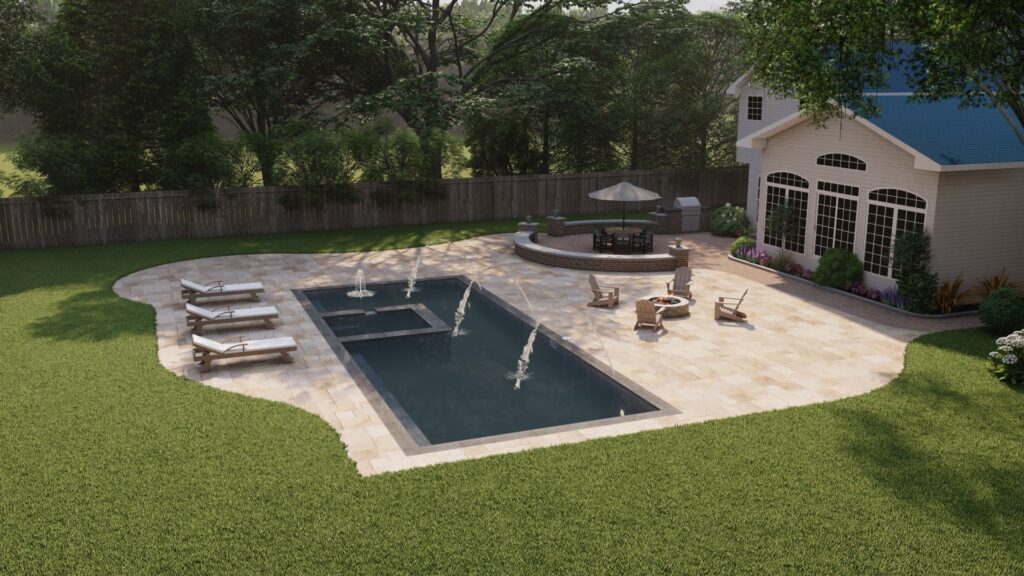
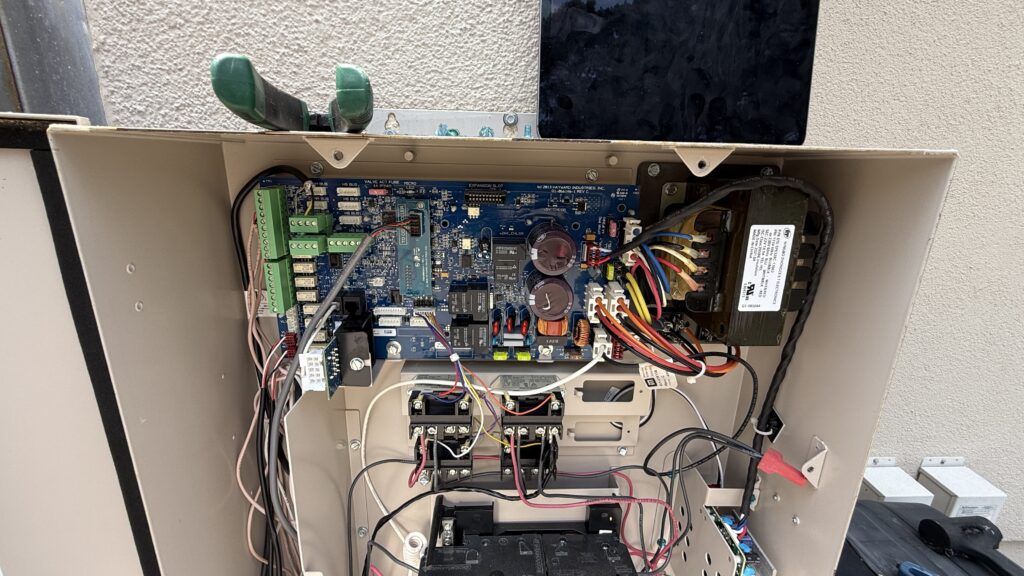
Electrical Installation:
Dedicated circuits for critical components
Proper grounding and bonding per NEC codes
GFCI protection for all pool-area circuits
Surge protection for electronic components
Clean, labeled wiring with proper strain relief
Plumbing Integration:
Automated valve actuator installation
Flow sensor placement and calibration
Chemical injection point optimization
Pressure transducer installation for system monitoring
Equipment Interface:
Control wiring to pumps, heaters, and other equipment
Communication bus installation and termination
Sensor calibration and placement
Network connectivity establishment
Aesthetic Considerations:
Concealed wiring and conduit
Control panel placement that balances accessibility and discretion
Weather protection for outdoor components
Professional finish work matching your pool area
Initial Configuration:
Equipment recognition and addressing
Communication protocol establishment
Basic operational parameters setup
Schedule Programming:
Filtration schedules optimized for your usage patterns
Heating and cooling profiles
Lighting scenes and schedules
Feature automation sequences
Rule Creation:
Conditional operations (IF/THEN logic)
Energy optimization rules
Safety interlocks and overrides
Maintenance reminders and alerts
User Interface Setup:
Mobile app configuration and user accounts
Control panel customization
Remote access establishment
Notification preferences
Comprehensive System Testing:
Individual component verification
Integration testing of all connected systems
Stress testing under various conditions
Safety system validation
Backup and failover testing
User Training:
We don’t just install and leave. We ensure you’re comfortable and competent:
Hands-on operation training
Mobile app walkthrough
Troubleshooting basics
Maintenance instruction
Support resource orientation
Performance Optimization:
Fine-tuning based on initial operation
Energy usage review and adjustment
Water quality optimization
User feedback incorporation
Documentation Delivery:
System schematic and wiring diagrams
User manuals and quick-reference guides
Warranty information and registration
Maintenance schedule and recommendations
Support contact information
Challenges and Solutions:
Older equipment compatibility issues
Limited space for new components
Outdated electrical systems
Hidden plumbing access difficulties
Our Approach:
Phased implementation when needed
Equipment upgrade recommendations
Creative solutions for space constraints
Electrical system upgrades as required
Advantages:
Designed-in from the beginning
Optimal component placement
Future-proof wiring infrastructure
Seamless aesthetic integration
Our Role:
Collaboration with pool builder
Pre-construction planning consultation
Progress inspections during build
Final integration and commissioning
Special Requirements:
Corrosion-resistant components
Salt cell monitoring and control
pH balancing considerations
Enhanced grounding requirements
Additional Considerations:
Multi-user access control
Usage monitoring and reporting
Maintenance management features
Regulatory compliance requirements
Higher reliability demands
Wired Systems:
RS-485 industrial communication
Dedicated control wiring
Advantages: Reliability, security, distance
Best for: Complex systems, large properties, high reliability needs
Wireless Systems:
Wi-Fi and proprietary wireless protocols
Mesh network topologies
Advantages: Installation flexibility, retrofitting ease
Best for: Existing pools, smaller systems, urban settings
Hybrid Approaches:
Critical components wired for reliability
Secondary features wireless for flexibility
Best of both worlds for most installations
Manufacturer-Specific Systems:
Tight integration with same-brand equipment
Optimized performance and features
Single-source support
Examples: Pentair IntelliCenter, Hayward OmniLogic, Jandy iAqualink
Third-Party Universal Controllers:
Multi-manufacturer compatibility
Often more advanced features
Potential integration challenges
Examples: Compool, AquaLink
DIY and Entry-Level Systems:
Lower cost options
Limited features and integration
Self-installation oriented
Examples: Various smart plug and relay systems
In-Pool Control Panels:
Weather-resistant outdoor units
Physical buttons and displays
Quick access to common functions
Backup when networks are down
Mobile Applications:
Full remote control capability
Advanced scheduling and monitoring
Push notifications and alerts
Usage history and reporting
Voice Control Integration:
Alexa, Google Assistant, Siri compatibility
Voice command operation
Scene activation by voice
Status queries
Web Portal Access:
Computer-based control interface
Advanced configuration options
Detailed reporting and analytics
Multi-user management
System Complexity:
Number of controlled devices
Integration requirements
Site-specific challenges
Equipment quality and capabilities
Labor Requirements:
Electrical work complexity
Plumbing modifications needed
Programming and configuration time
Testing and training requirements
Equipment Costs:
Control system components
Interface devices and sensors
Required equipment upgrades
Network infrastructure
Basic Systems (Control of pump, heater, lights): $2,500 – $4,500
Mid-Range Systems (Adds features, chemical control, multiple interfaces): $4,500 – $8,000
High-End Systems (Whole property integration, advanced features, commercial grade): $8,000 – $15,000+
Energy Savings:
Pump energy reduction: $300 – $800 annually
Heating optimization: $200 – $600 annually
Lighting efficiency: $50 – $150 annually
Total annual savings: $550 – $1,550
Maintenance Savings:
Chemical optimization: $150 – $400 annually
Extended equipment life: Reduced replacement costs
Preventive maintenance: Fewer emergency repairs
Water conservation: Reduced water bills
Intangible Benefits:
Time savings: 25-55 hours annually
Convenience value
Safety enhancement
Property value increase
Payback Period: Typically 3-5 years for comprehensive systems, with ongoing savings thereafter.
Variable Speed Optimization:
High speed only when needed (vacuuming, heating)
Low speed for basic filtration
Custom speed profiles for different tasks
Flow-based control rather than time-based
Dynamic Scheduling:
Reduced runtime during cool weather
Extended filtration during high-use periods
Vacation and away modes
Weather-adjustive operation
Demand-Based Operation:
Heating only before planned use
Setback temperatures when not in use
Solar priority when available
Recovery time calculation and scheduling
Integration with Other Systems:
Coordinated operation with pumps
Prevention of simultaneous high-demand operation
Optimal sequencing for energy cost savings
LED Management:
Dimming capability for mood setting
Motion-activated security lighting
Scheduled operation for safety and ambiance
Color temperature adjustment
Load Management:
Preventing simultaneous operation of high-draw equipment
Time-of-use rate optimization
Peak demand reduction
Energy usage reporting and recommendations
GFCI protection for all circuits
Proper grounding and bonding
Surge and lightning protection
Emergency shutdown capability
Chemical level monitoring and alerts
Temperature monitoring for bacteria prevention
Flow monitoring for filter effectiveness
Water level control and leak detection
Automated safety cover control
Pool alarm integration
Child lock features on controls
Access control and user permissions
Local electrical code adherence
Health department requirements for commercial pools
Barrier and access control regulations
Energy efficiency standards
Component Quality:
Industrial-grade components for longevity
Weatherproof enclosures and connectors
Redundant critical components
Quality manufacturer selection
Installation Quality:
Proper wire sizing and protection
Correct terminations and connections
Environmental protection
Documentation for future service
Warranty Coverage:
Manufacturer equipment warranties
Installation labor warranty
Extended warranty options
Response time commitments
Technical Support:
Phone and online support availability
Local service technician access
Software update management
Remote diagnostics capability
Preventive Maintenance:
Regular system checkups
Component testing and calibration
Software updates and optimization
Seasonal changeover support
We listen when your needs change. We adapt to your life.
Our technicians are manufacturer-certified. They know your equipment inside and out.
We respect your property and time. We clean up and show up on time.
We advise on upgrades and expansions. We plan for your future needs.
In many cases, yes, but with limitations. We conduct thorough compatibility testing and may recommend strategic upgrades for optimal performance. Some older equipment can be controlled through relay interfaces, while newer smart equipment offers full feature integration.
Quality systems maintain local control capability even without internet. Control panels continue to function, scheduled operations proceed normally, and basic control is maintained. Internet connectivity is only needed for remote access and advanced features.
Modern systems are designed for intuitive use. We provide comprehensive training and create custom quick-reference guides for your specific setup. Most users become comfortable within a few days, with advanced features explored over time.
Most systems are designed for expansion. We plan for future additions during initial installation, leaving capacity in control panels, wiring conduits, and network infrastructure for easy upgrades.
Industrial-grade pool automation systems are highly reliable when professionally installed. We use components rated for outdoor use and build in redundancy for critical functions. Typical systems operate for years without issues beyond routine maintenance.
Reputable systems include security features like encrypted communications, secure authentication, and regular security updates. We follow best practices for network segregation and secure configuration.
We provide professional pool automation installation services across North Texas, including Frisco, Plano, McKinney, Allen, and surrounding communities.

