Pool cover pump not working right after a storm? That is one of those annoying backyard problems that feels small until the cover starts sagging, leaves pile up, and dirty water gets ready to dump straight into the pool. A cover pump is simple in theory: it sits on a solid cover and moves rainwater away. But when power, debris, the float switch, or the discharge hose acts up, the pump can hum, run weakly, or do nothing at all.
What a Pool Cover Pump Is Supposed to Do
A pool cover pump removes standing water from solid covers so the cover is not carrying unnecessary weight. Unlike mesh covers, which let water drain through, solid safety covers usually need some type of pool cover water removal after rain. The pump protects the cover fabric, seams, straps, and anchors from extra strain.
That matters even more after heavy DFW rain. Water is heavy, and when it sits in one low spot, it can pull the cover down like a big wet blanket. If your pool cover pump stopped working and the cover already has a deep puddle, do not ignore it for a week and hope it disappears.
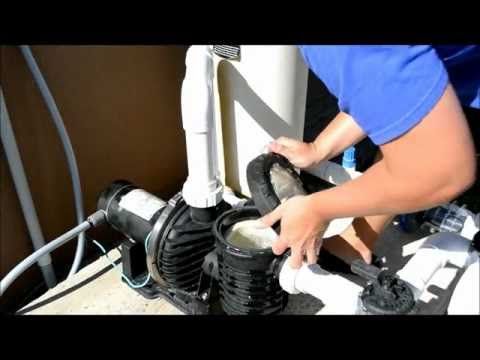
Common Reasons a Pool Cover Pump Stops Working
Most pool cover pump not working situations come back to one of a few practical issues:
- No power at the outlet or a tripped GFCI.
- Leaves, acorns, pine needles, or grit blocking the intake.
- A stuck float switch that never tells the pump to turn on.
- A kinked, frozen, or uphill discharge hose.
- The pump sitting crooked so the float cannot move freely.
- The pump running dry too many times and burning out.
A pump can also sound like it is trying to work while not actually moving water. That is when homeowners usually notice the motor hums, the water barely drops, or automatic pool cover water keeps collecting even though the pump is plugged in.
How to Troubleshoot a Pool Cover Pump Safely
Start with safety. You are dealing with electricity near water, so do not stand in water while handling cords or plugs. Pool and spa electrical equipment should be protected by proper code-compliant wiring, and outlets near pools are commonly required to be ground-fault circuit interrupter protected. If the cord, plug, outlet, or extension setup looks questionable, stop there and call someone qualified.
If it is safe to inspect, check the easy stuff first. Confirm the outlet has power. Look for a tripped GFCI. Clear leaves from around the pump base. Make sure the hose is not kinked, crushed, or pointed uphill so far that the pump cannot push water out. Then set the pump flat in the lowest area of the puddle and watch whether the float switch rises freely.
When Standing Water Becomes a Problem
A little water after rain is normal. A big puddle sitting for days is different. Standing water can stretch a cover, strain anchors, collect leaves, and make spring opening nasty. It can also become a mosquito issue because mosquitoes use standing water where mosquitoes lay eggs, especially when the water sits still.
The bigger issue is what happens when you finally remove the cover. Dirty water can slide into the pool, dragging leaf tea, pollen, and fine debris with it. That can turn a simple pool opening service into a cloudy-water cleanup.
Solid Cover vs Mesh Cover Issues
Solid covers block rainwater from draining into the pool, which is great for keeping dirty water out, but it means the cover pump has a job to do. Mesh covers drain through, so they usually do not need a pump in the same way, though they can let fine debris into the water. Swimming pool covers can also reduce evaporation and heat loss, but winter and safety cover care still depends on the cover type.
Automatic covers need even more attention. Automatic pool cover water should not be allowed to sit too long because excess weight can stress fabric, tracks, and cover mechanisms. If the pump is failing and the cover is sagging, it is better to deal with it early than wait until the cover refuses to move correctly.
When to Call PoolBurg
Call for help if the pool cover pump not working problem keeps coming back, the pump trips the GFCI repeatedly, the cover has a deep sag, the hose setup will not drain properly, or the cover looks torn or stretched. Also call if you are unsure whether the issue is the pump, the cover, or the way water is pooling.
In Garland, Mesquite, Wylie, Plano, Carrollton, Farmers Branch, and The Colony, storms can drop a lot of water fast. PoolBurg can remove excess water, inspect the cover, check for damage, and help prevent one failed pump from turning into a messy cover failure.
People Also Ask
Why is my pool cover pump not working?
Usually because of no power, a tripped GFCI, a clogged intake, a stuck float switch, or a kinked discharge hose. If the pump hums but does not move water, the intake or hose is a good first place to look.
How do I remove water from a pool cover?
Use a cover pump placed in the lowest puddled area. Clear leaves first, keep the discharge hose open, and avoid dragging sharp debris across the cover.
Can standing water damage a pool cover?
Yes. Too much standing water can stretch fabric, strain anchors, stress seams, and make the cover harder to remove.
Should I leave a cover pump on all winter?
Many homeowners leave automatic pumps in place during the wet season, but the pump, cord, hose, and float need periodic checks so clogs or freezes do not stop it from working.
Why does my cover pump keep clogging?
Leaves, acorns, pollen sludge, and fine debris can collect around the intake. Clearing debris before pumping helps the pump move water better.
Is it safe to use electricity around pool cover water?
Only if the equipment and outlet are in proper condition and the setup is GFCI-protected. Do not stand in water while handling plugs, cords, or electrical devices.
Conclusion
If your pool cover pump stopped working after a storm, PoolBurg can help remove the water, inspect the cover, and figure out whether the problem is debris, power, the pump itself, or a cover issue. It is a lot better to fix the cause now than deal with a sagging cover and dirty pool later.