
Pool electrical repair in Dallas typically costs $150 to $2,000, depending on the complexity of the issue . Minor repairs like replacing outlets or simple wiring fixes run $150 to $350. Moderate repairs such as breaker replacement or light fixture repair range from $350 to $800. Major repairs involving rewiring sections, bonding repairs, or multiple component failures cost $800 to $2,000. Complete system overhauls can exceed $2,000 .
Professional pool electrical repair for safe, reliable pool operation. When you think about electricity and water, you probably know they’re a dangerous combination. That’s exactly what makes your pool’s electrical system so important and so different from the electrical systems in your house. Your pool equipment runs on electricity while being constantly exposed to water, moisture, and weather. This creates unique challenges that require special knowledge and precautions.
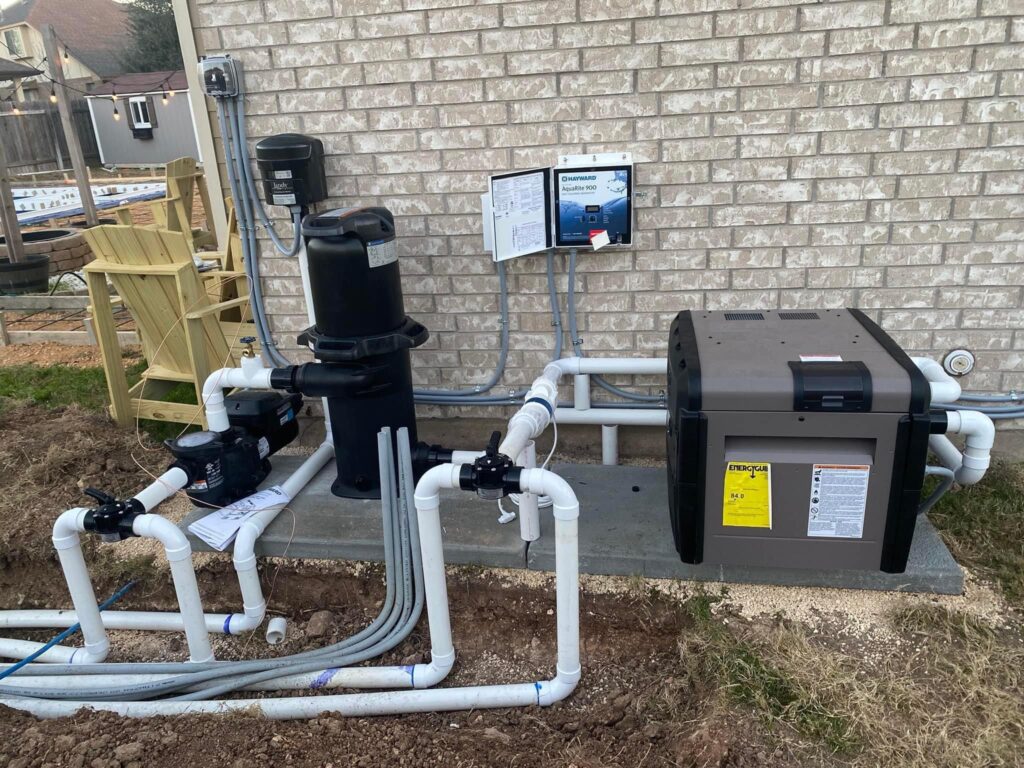
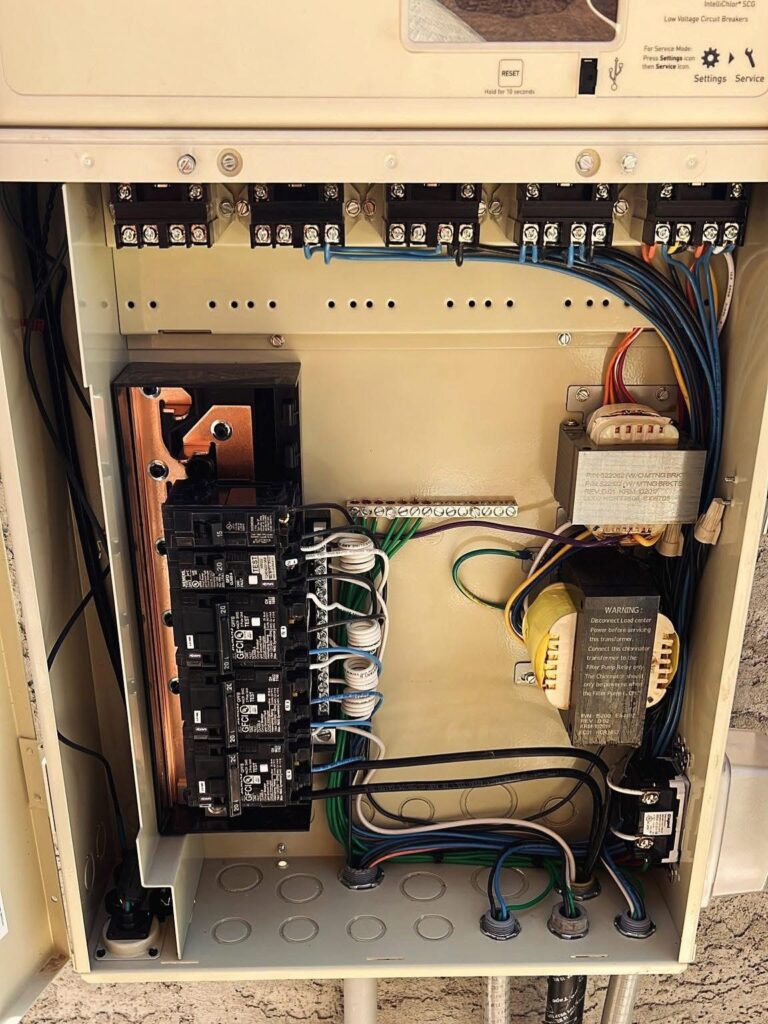
Your pool’s electrical system is the nervous system of your swimming pool. It sends power to make everything work: the pump that circulates water, the filter that cleans, the heater that warms, the lights that illuminate, and the automation that controls everything . When this electrical system has problems, your pool can’t function properly—and more importantly, it can become unsafe.
Breakers Tripping Frequently
If the breaker for your pool equipment trips regularly, trips immediately when reset, or feels hot to the touch, you likely have an overloaded circuit, short circuit, ground fault, or failing equipment drawing too much power . GFCI breakers that trip frequently may indicate a ground fault, damaged insulation, or moisture in the motor .
Equipment Not Working Properly
Pump won’t start, starts but stops unexpectedly, makes humming sounds but doesn’t run, or runs slower than usual . Heater shows error codes or turns off shortly after starting. Lights flicker, dim, or won’t turn on. Automation systems show error messages or equipment doesn’t respond to commands.
Unusual Sounds, Smells, or Visual Signs
Buzzing or humming from equipment, crackling or popping sounds, burning plastic or rubber smell, sparks or flashes, smoke from equipment, discolored or melted wires, or corrosion on electrical connections .
Physical Sensations (The Most Serious Warning)
Tingling sensation when touching pool water, mild shock when touching pool ladder, light fixtures, or equipment. If you experience any tingling or shock sensations: GET OUT OF THE POOL IMMEDIATELY. Turn off all pool power at the main breaker. Do not use the pool until a professional has inspected it .
What it is: A special outlet or breaker that detects when electricity is escaping and shuts off power instantly to prevent shock.
Common problems:
Trips frequently for no obvious reason
Won’t reset
Equipment plugged into it won’t work
Feels hot or shows signs of damage
Why it matters: GFCIs save lives by preventing electrical shocks. If yours isn’t working properly, you’re not protected.
What bonding is: Connecting all metal parts of your pool system (ladder, light fixtures, pump, heater) together with a special wire so they’re all at the same electrical potential.
What grounding is: Connecting the electrical system to the earth through a ground rod.
What happens when these fail: Different metal parts can have different electrical charges, creating shock hazards.
Signs of bonding/grounding problems:
Rust or corrosion at connections
Loose bonding wires
Missing bonding connections
Visible damage to grounding system
Pools create a perfect environment for corrosion:
Chlorine fumes attack metal and insulation
Moisture causes rust and deterioration
Salt (in saltwater pools) accelerates corrosion
Heat from equipment speeds up chemical reactions
Common corrosion points:
Wire connections at equipment terminals
Circuit boards in control systems
Light fixture housings
Relay and contactor contacts
Breaker panel connections
What happens: Too many devices drawing power from one circuit.
Why it happens in pools:
Adding equipment without upgrading wiring
Using extension cords for pool equipment
Multiple high-power devices on one circuit
Undersized original installation
Results:
Breakers trip frequently
Equipment doesn’t get enough power
Wires overheat (fire risk)
Equipment wears out faster
Water and electricity should never mix, but around pools, they often do:
Rainwater entering outdoor boxes
Splash from pool getting into equipment
Condensation inside enclosures
Flooding during heavy rains
Leaks from plumbing dripping on electrical components
Many pool electrical problems come from age:
Wiring insulation breaks down over time
Components wear out after years of use
Standards change—what was safe 20 years ago might not be safe today
Materials degrade from sun exposure and weather
Surprisingly common:
Rodents chewing through wires
Insects nesting in electrical boxes
Birds damaging outdoor equipment
Lizards or frogs getting into components and causing shorts
We understand the temptation to fix things yourself to save money. But with pool electricity, the risks are simply too high:
Water dramatically increases the danger of electricity. What might be a minor shock in your house could be fatal in or near a pool.
Improper repairs can cause:
Overheated wires
Short circuits
Electrical arcing
All of which can start fires.
Most pool equipment warranties require professional installation and repair. DIY work often voids these warranties.
What looks like a simple fix might be a symptom of a larger problem. Without proper diagnosis, you might fix the symptom while leaving the real problem to cause more damage.
Electrical work must meet National Electrical Code (NEC) requirements, especially for pools. DIY work that doesn’t meet code can:
Make your pool unsafe
Cause problems when selling your home
Void your homeowners insurance if there’s a claim
Result in fines from local inspectors
Professional electricians know what to look for beyond the obvious issue. They check:
Complete system integrity
Proper grounding and bonding
Code compliance
Potential future problems
Saltwater pools need special attention because salt is highly corrosive to electrical components. We:
Use corrosion-resistant materials
Apply additional protective coatings
Install extra drainage to prevent salt accumulation
Recommend more frequent inspections
Use components specifically rated for saltwater environments
Many pools have electrical systems that are 20, 30, or even 40 years old. These often need:
Complete rewiring: Old wires can become brittle and dangerous
Grounding upgrades: Older systems often have inadequate grounding
GFCI installation: Many older pools don’t have this life-saving protection
Bonding repairs: Connections may have corroded or come loose
Service upgrades: Older electrical service may not handle modern equipment
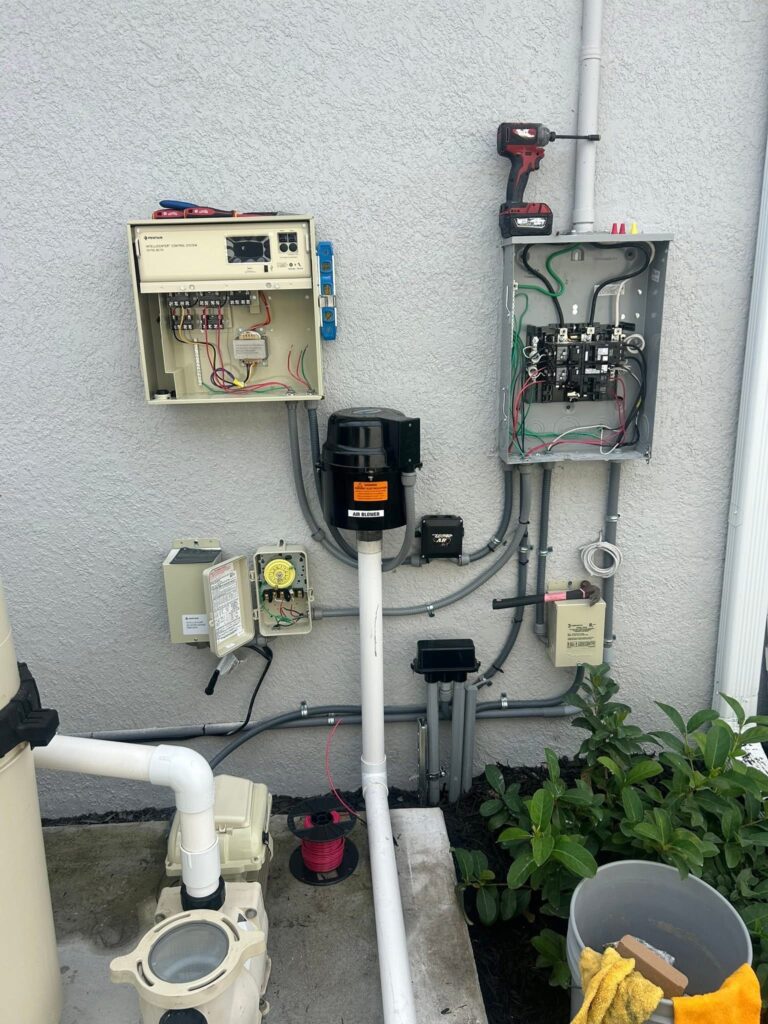
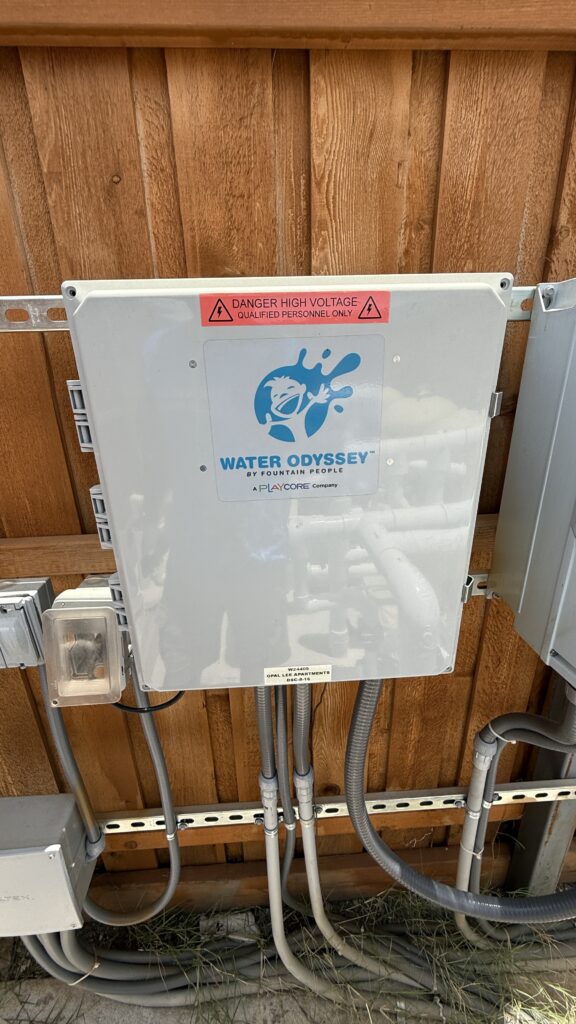
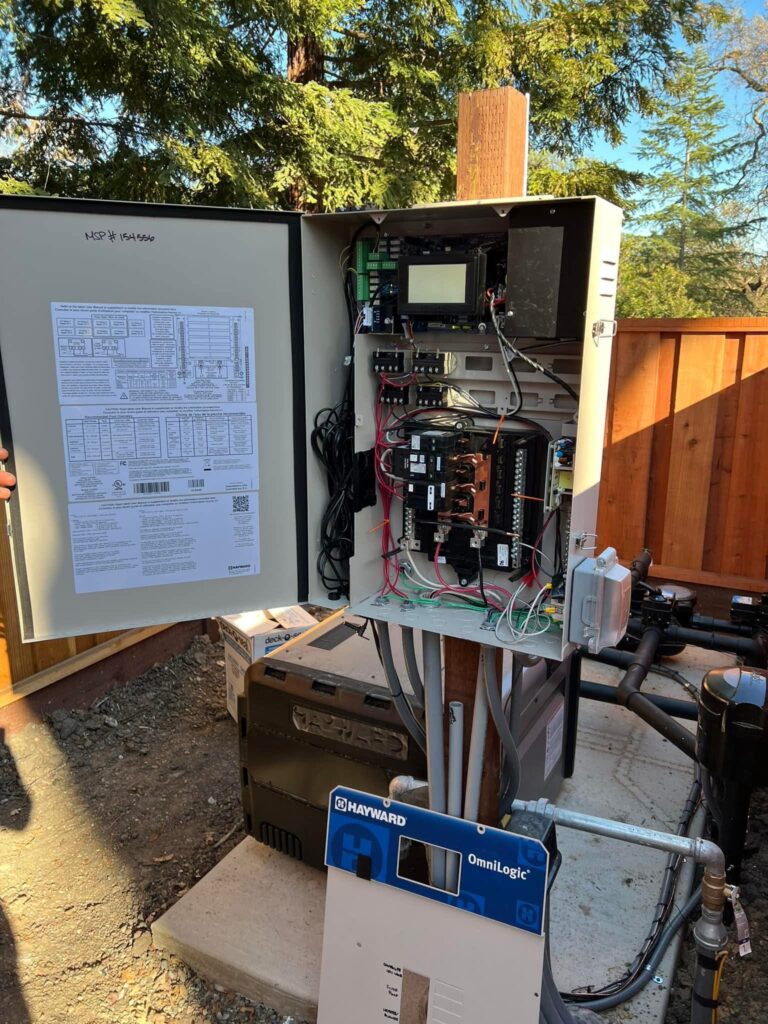
Modern automation adds complexity:
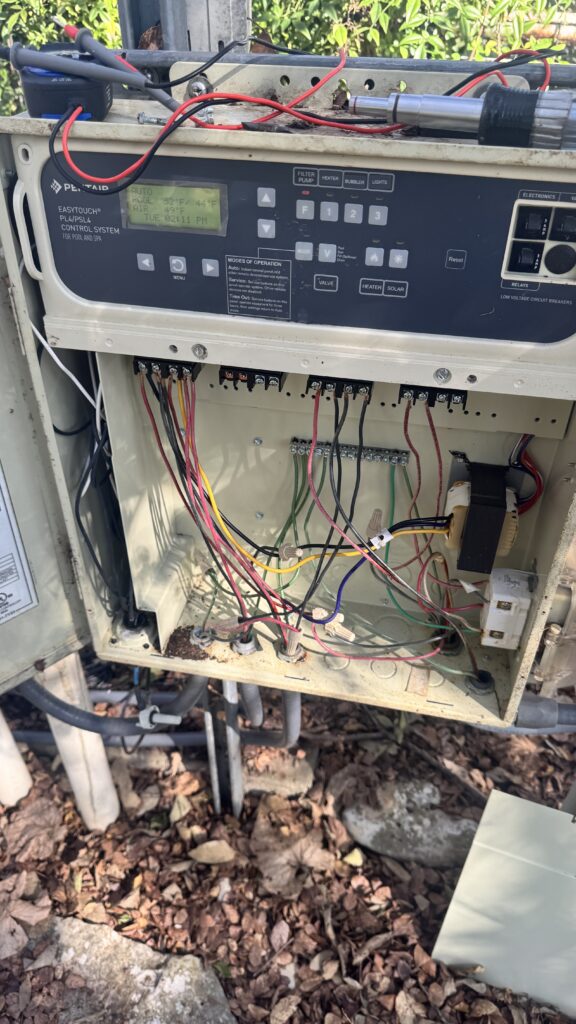
Control panel repairs: Fixing touchscreens, buttons, and displays
Communication system repairs: Fixing wiring between components
Sensor calibration: Ensuring temperature, flow, and chemical sensors work properly
Software issues: Troubleshooting programming and software problems
Integration repairs: Making sure all equipment works together properly
These have additional requirements:
Stricter codes: Must meet more rigorous standards
Regular inspections: Often required by health departments
Emergency systems: Must have backup power and emergency shutoffs
Documentation: Detailed records required for compliance
Higher reliability needs: Less downtime tolerated
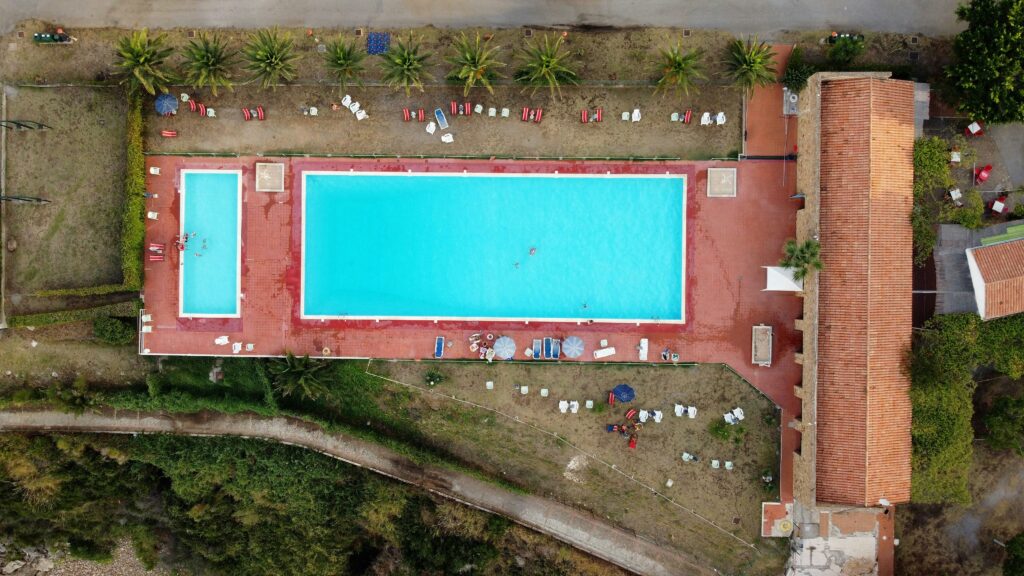
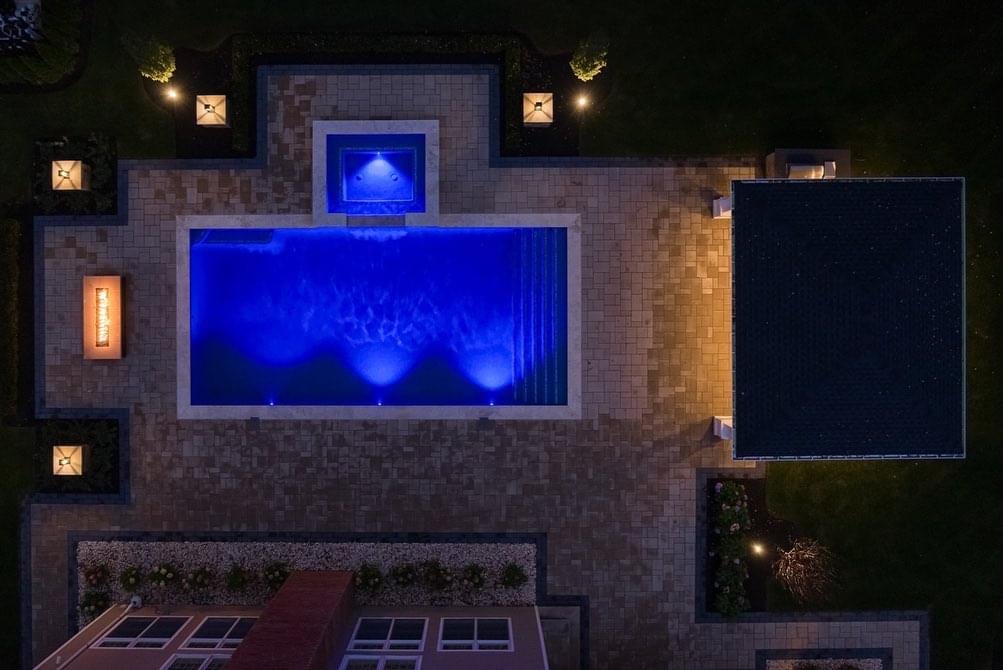
Underwater lighting presents unique challenges:
Wet niche light repairs: Working with lights installed in the pool wall
Transformer issues: Fixing or replacing lighting transformers
LED conversions: Upgrading old incandescent lights to energy-efficient LEDs
Color-changing systems: Repairing complex multi-color LED systems
Fiber optic lighting: Maintaining and repairing fiber optic pool lighting
Before we touch anything, we:
Visually inspect the entire system for obvious hazards
Check for proper labeling and warning signs
Verify that emergency shutoffs are accessible
Look for signs of previous unsafe repairs
Assess the overall condition of electrical components
Safety first—always:
Turn off power at the main breaker
Use lockout/tagout devices so power can’t be accidentally restored
Test that power is truly off using proper testing equipment
Place warning signs so others know work is in progress
We don’t guess—we test:
Visual inspection: Looking for corrosion, damage, water intrusion, overheating signs
Voltage testing: Checking for proper voltage at all points
Continuity testing: Ensuring wires are intact and properly connected
Grounding and bonding verification: Testing that safety systems work properly
Component testing: Checking individual parts (breakers, relays, transformers)
Load testing: Measuring how much power equipment actually draws
Insulation resistance testing: Checking wire insulation integrity
We show you what’s wrong (often with photos or diagrams)
We explain why it’s a problem
We discuss all repair options
We provide clear pricing for each option
We recommend the best solution for your situation
We answer all your questions until you understand
Doing it right the first time:
Using proper tools and safety equipment
Following manufacturer specifications
Adhering to National Electrical Code requirements
Using materials rated for wet locations
Making neat, professional connections
Documenting all work performed
Proving it works—and is safe:
Visual inspection of all work
Electrical testing of repaired components
Grounding and bonding verification
GFCI testing (if applicable)
Equipment operation testing
Load measurement to ensure proper operation
Final safety check of entire system
Leaving you better than we found you:
Clean work area thoroughly
Restore any disturbed landscaping or structures
Provide complete documentation of work performed
Explain any maintenance needs
Provide warranty information
Schedule any needed follow-up
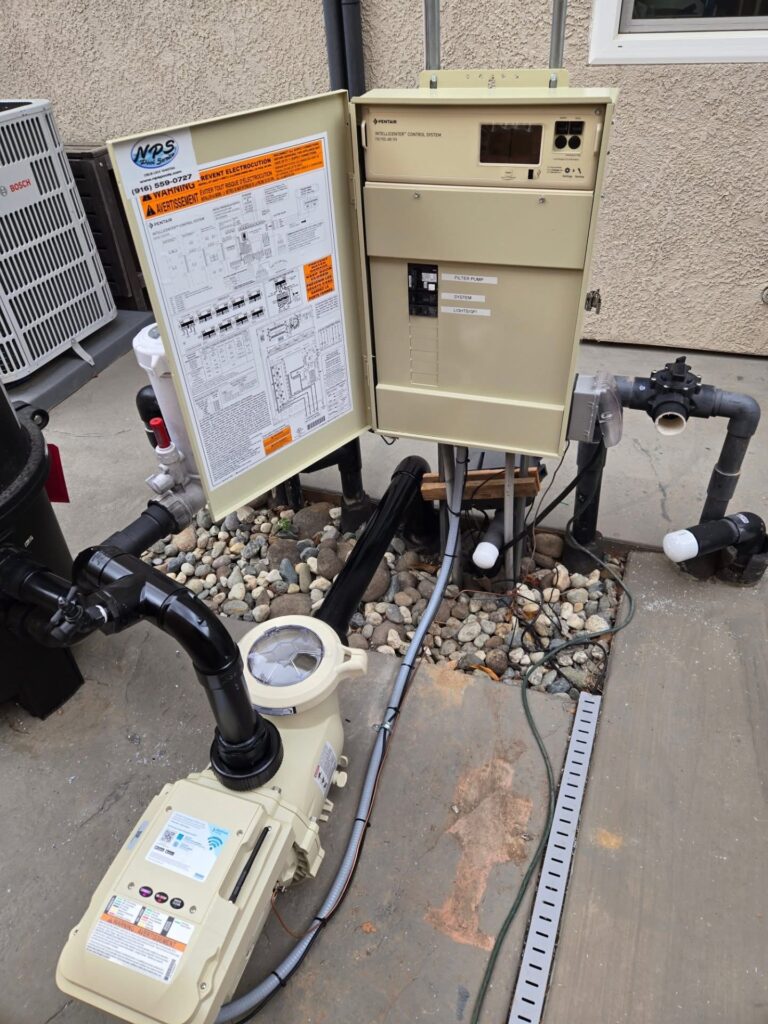
Problem complexity: Simple wire replacement vs. complete system troubleshooting
Parts needed: Basic breaker vs. specialized control board
Access difficulty: Easy-to-reach equipment vs. hard-to-access components
Safety requirements: Additional safety measures for particularly hazardous situations
Code compliance: Bringing systems up to current code standards
Time required: How long diagnosis and repair take
Emergency vs. scheduled: Emergency repairs often cost more
Minor repairs: $150-$350 (replacing outlet, simple wiring repair)
Moderate repairs: $350-$800 (breaker replacement, light fixture repair, control board replacement)
Major repairs: $800-$2,000 (rewiring sections, bonding repairs, multiple component failures)
Complete system overhaul: $2,000-$5,000+ (rewiring entire pool, service upgrades, bringing up to code)
Expertise: Years of specialized training and experience
Safety equipment: Special tools and protective gear
Diagnostic time: Often takes longer to find the problem than to fix it
Quality materials: Components rated for pool/wet environments
Insurance and licensing: Protecting you and your property
Warranty: Peace of mind that the repair will last
Code compliance: Ensuring your pool is legal and safe
Safety: Proper repairs prevent shock, fire, and equipment damage
Longevity: Quality work lasts longer
Efficiency: Properly repaired systems use less electricity
Warranty protection: Most equipment requires professional repair to maintain warranty
Insurance compliance: Most policies require professional electrical work
Resale value: Properly maintained electrical systems maintain property value
What it is: Special outlets or breakers that detect ground faults and shut off power in milliseconds.
Where you need it:
All pool equipment outlets
Outdoor receptacles within 20 feet of pool
Underwater lighting circuits
Pool area lighting
Testing: Should be tested monthly using the test button on the device.
What it is: Connecting all metal components together with a continuous copper wire.
What should be bonded:
Pool structure (if metal)
Ladders and handrails
Light fixtures
Pump, heater, and other equipment
Diving boards and slides
Metal fences within 5 feet of pool
Why it matters: Prevents voltage differences that can cause shock.
What it is: Connecting the electrical system to the earth.
Requirements:
Proper ground rods
Correct wire sizing
Secure connections
Protection from damage
Electrical equipment near pools must be:
Weatherproof
Corrosion-resistant
Properly sealed
Located away from direct spray
Accessible for maintenance
Required within sight of pool equipment:
Clearly labeled
Easily accessible
Never locked or blocked
Tested regularly
Special requirements for pool wiring:
Suitable for wet locations
Protected from physical damage
Properly supported
Correctly sized for the load
Labeled for easy identification
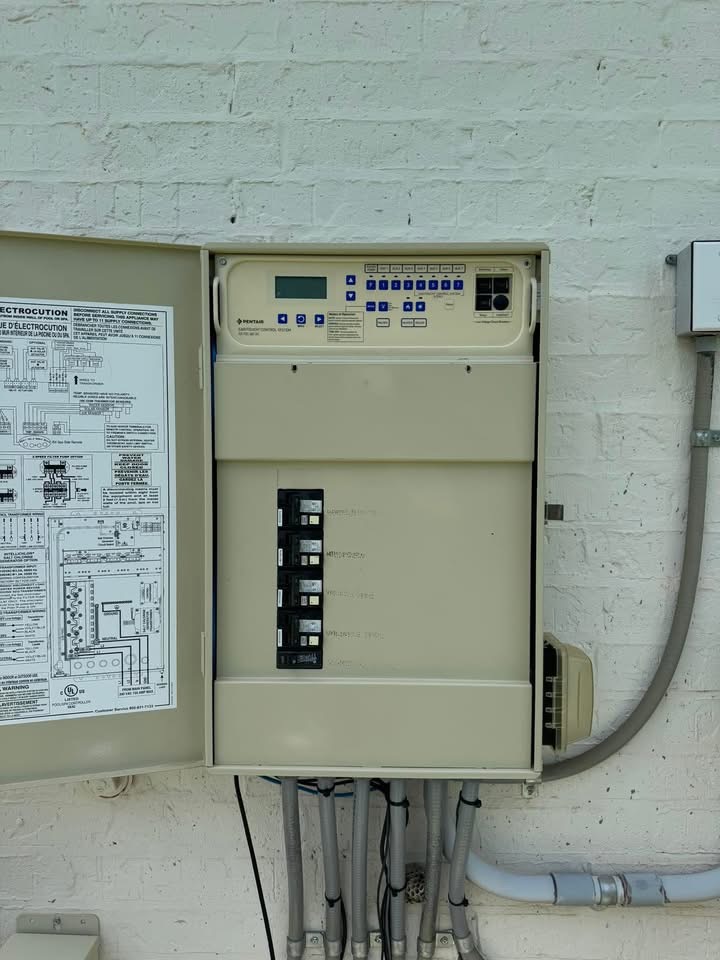
We begin by asking detailed questions and listening carefully to what you’ve observed breaker trips, equipment shutdowns, flickering lights, or unusual behavior. Because you interact with your pool regularly, your insights help us diagnose issues more accurately and avoid unnecessary repairs.
Electrical problems can feel intimidating, especially when safety is involved. We explain everything in clear, straightforward language
Accurate electrical repair depends on proper diagnostics. We invest in professional-grade electrical testing and diagnostic equipment because:
We understand that electrical work around a pool requires extra care. Our technicians treat your property and your time with respect
No. A tripping breaker is telling you something is wrong. Continuing to reset it and use the pool is dangerous because:
You might be overriding an important safety feature
The problem could get worse
Equipment could be damaged
Shock or fire risk increases
What to do: Leave the breaker off and call a professional.
Several possible causes:
Loose connection: Vibration causes intermittent contact
Water in fixture: Moisture causes shorts
Transformer problems: Failing transformer can’t maintain steady voltage
Voltage fluctuations: Other equipment on same circuit causing dips
Failing bulb: Especially with older incandescent lights
Important: Flickering lights can indicate serious problems. Have them checked promptly.
Yes, significantly. Lightning doesn’t have to directly hit your pool to cause damage:
Power surges through electrical lines can destroy electronics
Ground currents can damage buried components
Electromagnetic pulses can fry circuit boards
Protection: Consider whole-house surge protection and unplug equipment during storms if possible.
Annually: Complete professional inspection
Monthly: Visual check by homeowner
After any major storm: Check for damage
When buying a home with a pool: Complete inspection before purchase
After any electrical work in home: Ensure pool system wasn’t affected
Grounding connects the electrical system to the earth to stabilize voltage and provide a path for fault currents.
Bonding connects all metal parts together so they’re at the same electrical potential.
Simple analogy: Grounding is like the drain in your sink it takes unwanted electricity away. Bonding is like making sure all the water in different containers is at the same levelit prevents electricity from jumping between components.
Modern automation offers benefits:
Energy savings through optimized scheduling
Remote control and monitoring
Automated chemical management
Integration with home automation
But they add complexity:
More components that can fail
Software and connectivity issues
Higher installation and repair costs
Need for specialized technicians
Our advice: Consider your needs and technical comfort level. Good automation installed properly is reliable, but requires proper maintenance.
We provide professional pool electrical services across North Texas, including Frisco, Plano, McKinney, Allen, and surrounding communities.

