
Pool heater repair in Dallas typically costs $166 to $795, with the average repair running around $475 . Here’s a breakdown by heater type:
Gas heaters: $150 – $750 for repairs
Electric heaters: $200 – $1,200 for repairs
Solar heaters: $50 – $400 for repairs
Heat pumps: Minor repairs $100 – $600; major repairs $1,000 – $3,000+
Saltwater pool heaters typically cost $500 to $1,500 to repair due to specialized corrosion-resistant components . Full heater replacement runs $2,000 to $5,000 depending on system type and size .
A perfectly heated pool transforms a simple backyard into a year-round sanctuary. At the heart of this aquatic comfort lies your pool heater, a complex piece of engineering operating under demanding conditions. When this crucial component fails, the impact is immediate: shivering swimmers, wasted energy, and the threat of costly damage to your entire pool system. Professional pool heater repair is a critical investment in system integrity, operational economy, and the ongoing enjoyment of your most valuable leisure asset.
Pool heaters operate in one of the most hostile environments in residential equipmentl, constantly exposed to moisture, chemical vapors, temperature extremes, and relentless thermal cycling . Common failure points include:
Thermal Stress and Metal Fatigue
The heat exchanger undergoes constant expansion and contraction, leading to microscopic cracks that can expand into failures .
Chemical Corrosion and Scaling
Pool water contains minerals and sanitizers that aggressively attack metal components. Calcium and other minerals precipitate out as water is heated, forming scale that insulates heat transfer surfaces .
Electrical and Control System Degradation
Modern heaters rely on sensitive circuit boards exposed to heat, vibration, and moisture that cause component failure and sensor drift .
Water Flow-Related Damage
Inadequate water flow causes overheating and thermal stress; high flow creates erosion corrosion. Both frequently stem from problems elsewhere in your pool system .
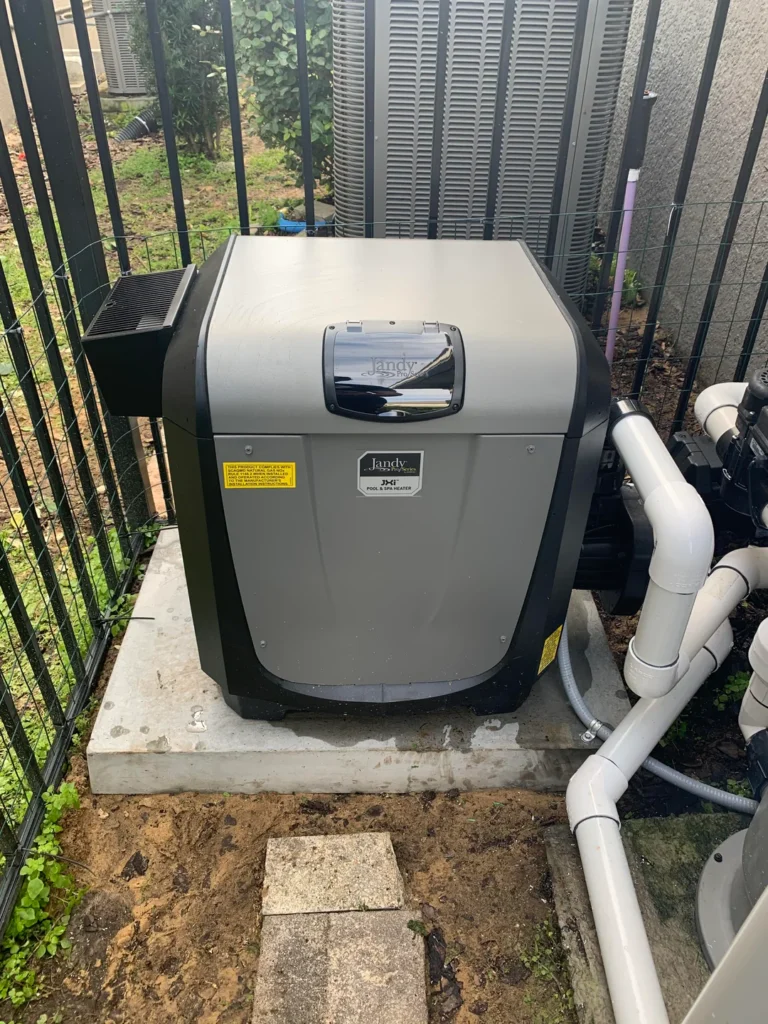
A pool heater represents one of the most intensively used components in your backyard oasis. Operating at the intersection of high-temperature combustion, constant water flow, and precise electronic control, it is subject to extraordinary thermal stress, chemical exposure, and mechanical wear. Unlike other pool equipment that can sometimes tolerate diminished performance, a malfunctioning heater often creates cascading failures. It operates in a binary state: it either works efficiently and safely, or it becomes a source of significant problems, including astronomical energy bills, dangerous operating conditions, and potential damage to pumps, plumbing, and even the pool structure itself.
The consequences of deferred heater maintenance or amateur repair attempts are severe. A cracked heat exchanger can leak combustion gases into water circulation, posing serious health risks. Faulty ignition systems can lead to unburned gas accumulation. Electrical failures in electric or heat pump models can create shock hazards or fire risks. Beyond safety, inefficiency carries a heavy price. A heater struggling with a scaled heat exchanger or a failing sensor can consume 30-50% more fuel or electricity while delivering lackluster performance—a financial drain that often surpasses the cost of professional repair within a single season.
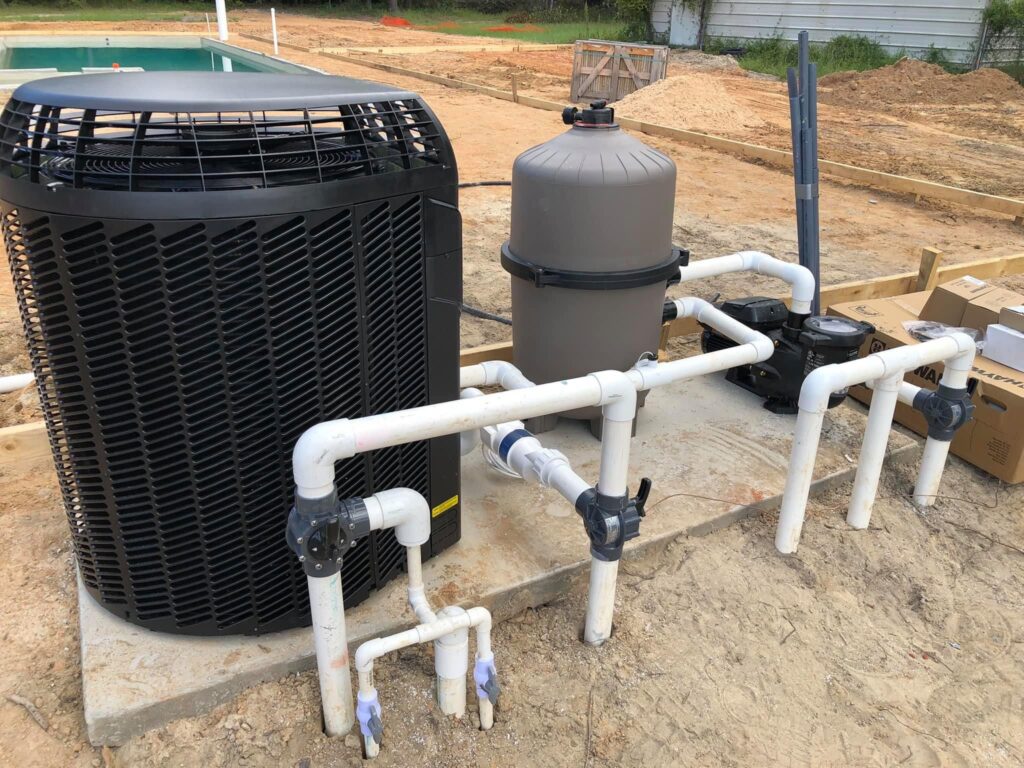
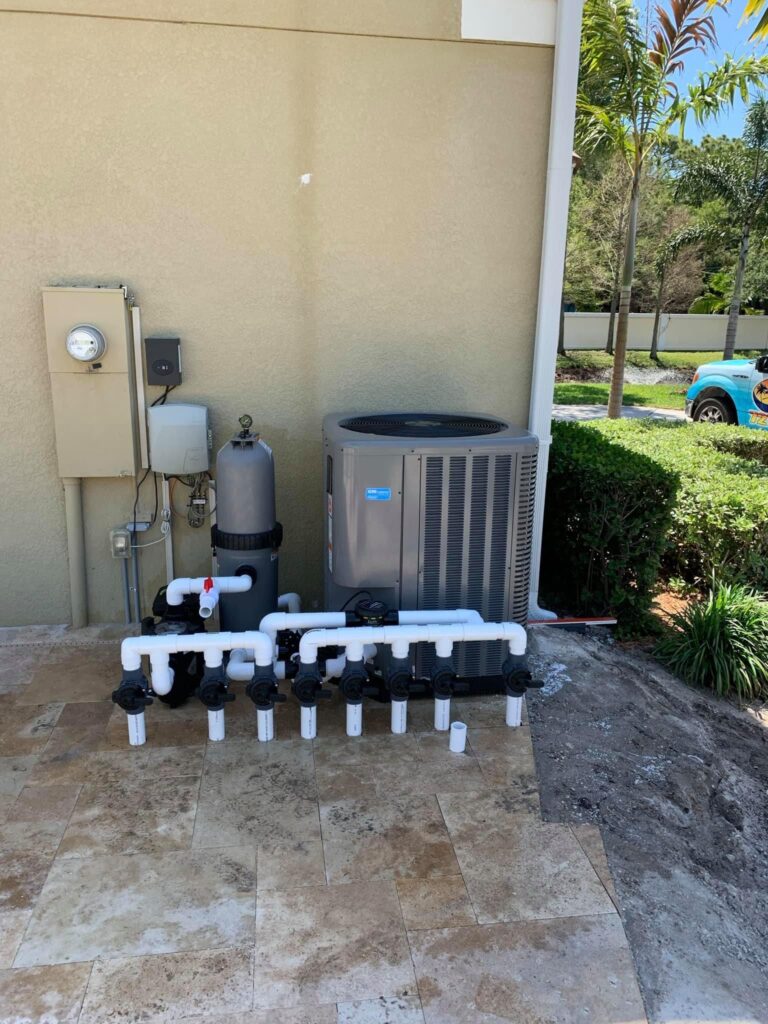
Pool heaters operate in one of the most hostile environments in residential equipment: constantly exposed to moisture, chemical vapors, temperature extremes, and relentless thermal cycling. Understanding their failure modes is key to appreciating the necessity of expert repair.
Thermal Stress and Metal Fatigue: The heat exchanger, whether in a gas heater or electric element, undergoes constant expansion and contraction as it heats from ambient temperature to over 100°F and back down repeatedly. This thermal cycling causes metal fatigue over thousands of cycles, leading to microscopic cracks that can expand into failures. In gas heaters, this is exacerbated by the intense, localized flame temperatures that can reach over 3,000°F at the burner surface.
Chemical Corrosion and Scaling: Pool water, even when perfectly balanced, contains minerals, salts, and sanitizers that aggressively attack metal components. As water is heated, calcium and other minerals precipitate out, forming scale deposits that insulate heat transfer surfaces. This scaling forces the heater to work harder, run longer, and operate at higher temperatures to achieve the same output, accelerating wear on every component. In saltwater pools, chloride ions create particularly corrosive conditions that demand specialized materials and maintenance.
Combustion Byproduct Damage: Gas heaters produce water vapor and acidic compounds as natural byproducts of combustion. Condensate formed during startup and shutdown is slightly acidic and, if not properly drained, pools in the bottom of the heater cabinet, attacking metal surfaces, electrical connections, and control components from the inside out.
Electrical and Control System Degradation: Modern heaters are controlled by sophisticated circuit boards that manage ignition sequences, temperature regulation, safety shutoffs, and diagnostic functions. These sensitive electronics are exposed to heat, vibration, and moisture that can cause component failure, corrosion on circuit traces, and sensor calibration drift. Voltage fluctuations from the home electrical supply further stress these systems.
Water Flow-Related Damage: Inadequate or excessive water flow is a primary killer of pool heaters. Low flow causes overheating and thermal stress; high flow creates erosion corrosion and mechanical strain. Both conditions frequently stem from undiagnosed problems elsewhere in the pool system—a failing pump, clogged filter, or obstructed plumbing—making comprehensive system evaluation essential to proper heater repair.
Professional heater repair requires distinct expertise for each heating technology. Our technicians possess deep, manufacturer-specific knowledge across all platforms, recognizing that a gas heater repair differs fundamentally from a heat pump service in both approach and required diagnostics.
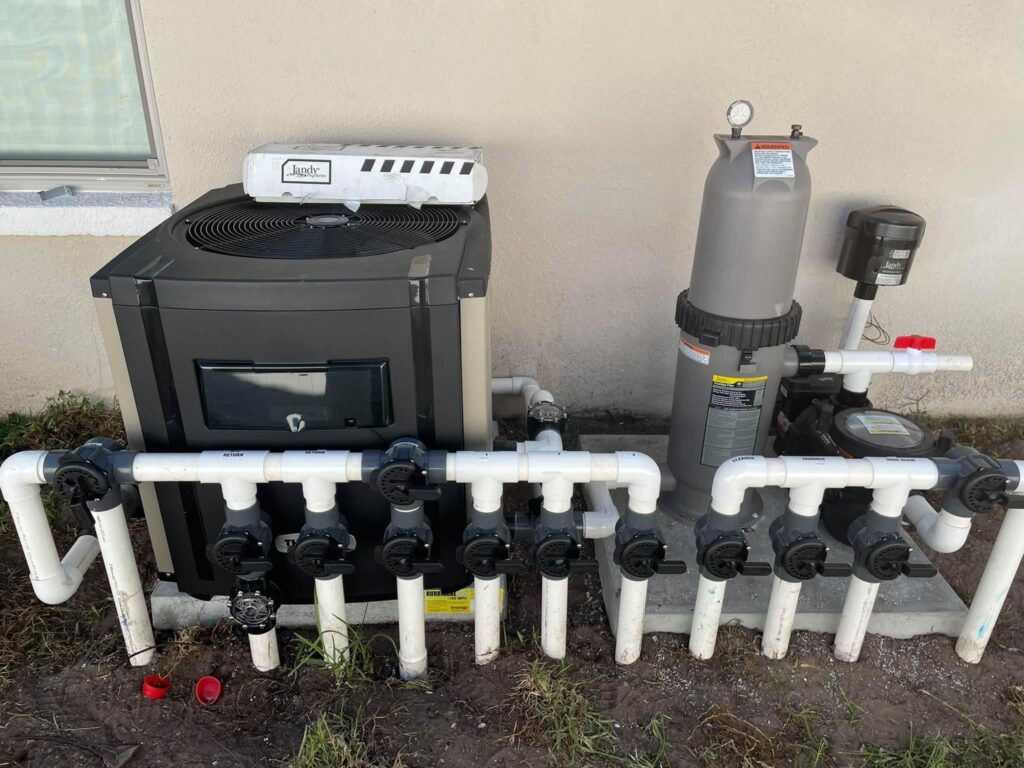
Gas heaters remain the most common and powerful heating solution for pools, capable of raising temperatures rapidly regardless of ambient conditions. Their complexity demands specialized repair protocols focused on safety and combustion efficiency.
Critical Gas Heater Repairs We Perform:
Combustion Chamber and Heat Exchanger Inspection/Repair: Using boroscope cameras, we inspect the intricate waterways of cupro-nickel or stainless steel heat exchangers for cracks, corrosion, and scaling. Minor scaling can be chemically descaled; developing cracks often necessitate replacement due to the risk of carbon monoxide leakage into the water stream.
Burner Tray and Orifice Service: We remove, clean, and inspect each individual burner for proper flame pattern and integrity. Spider webs, insect nests, and corrosion can disrupt the precise air-fuel mixture. Orifices are cleaned or replaced to ensure correct gas flow rates.
Ignition System Overhaul: Modern heaters use either electronic hot surface ignition (HSI) or intermittent pilot systems. We diagnose and replace failed igniters, flame sensors, and pilot assemblies, ensuring proper sequencing and reliable ignition every cycle.
Gas Valve and Regulator Calibration: Using manometers and combustion analyzers, we verify inlet and manifold gas pressures, adjusting regulators and testing safety shutoff functions. A misadjusted gas valve can cause incomplete combustion, sooting, and dangerous carbon monoxide production.
Venting and Draft Inducer Repair: Proper exhaust is critical to safety and efficiency. We inspect vent pipes for obstruction, corrosion, or improper pitch. Draft inducers (blowers that ensure positive exhaust flow) are tested for proper RPM and amperage draw.
Control System Diagnostics: We utilize manufacturer-specific error code interpretation and advanced multimeter testing to diagnose faulty pressure switches, limit switches, thermistors, and circuit boards.
Our Gas Heater Repair Methodology: Safety governs every step. We begin by verifying gas supply integrity and shutoff function before any disassembly. Combustion analysis after repairs confirms complete fuel combustion, proper draft, and safe carbon monoxide levels at the exhaust. We never bypass safety interlocks or limit switches—these are replaced with exact OEM equivalents to maintain factory safety standards.
Electric heaters offer simplicity and precise temperature control but present unique electrical safety challenges during repair. Their failure often involves high-current components operating in a continuously wet environment.
Essential Electric Heater Repairs:
Heating Element Diagnosis and Replacement: Using megohm meters, we test heating elements for ground faults and resistance values. Elements failing to ground present shock hazards and must be replaced immediately. We install elements with proper torque on sealing gaskets to prevent leaks.
Contactors and High-Current Path Repair: The contactors that switch high amperage to heating elements often weld shut or burn from arcing. We replace them with properly rated components, cleaning and tightening all high-current connections to prevent resistance heating at terminals.
Control Circuit Troubleshooting: Low-voltage control circuits manage sequencing, temperature regulation, and safety interlocks. We trace these circuits using schematic diagrams, replacing failed transformers, relays, and control boards.
Flow Switch and Thermostat Calibration: Electric heaters depend on accurate flow sensing to prevent dry-fire conditions. We test flow switch activation points and replace malfunctioning units. Digital thermostats are calibrated against reference instruments.
Corrosion Mitigation in Terminal Boxes: The electrical compartment suffers severe corrosion from chlorine vapors. We clean all terminals, apply anti-corrosion compounds, and often upgrade to sealed connection systems.
Our Electric Heater Safety Protocol: Before any hands-on work, we verify complete power disconnection at the breaker and use lock-out/tag-out procedures. We perform dielectric strength testing on all replaced components and insulation resistance testing on the entire heater before re-energizing. Ground integrity is verified multiple times during reassembly.
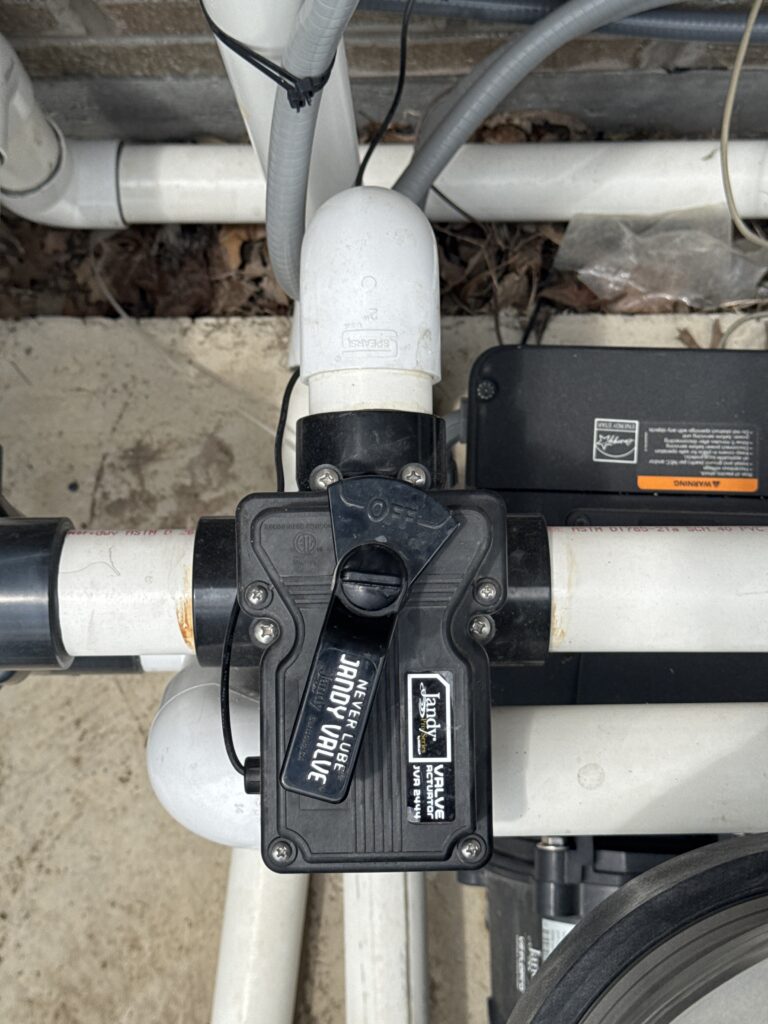
Heat pumps represent the most energy-efficient heating method but incorporate complex refrigeration systems unfamiliar to most pool technicians. Their repair requires HVAC-grade expertise alongside pool system knowledge.
Specialized Heat Pump Repairs:
Refrigerant System Diagnostics: Using manifold gauges, temperature clamps, and amp probes, we perform complete refrigeration circuit analysis. We identify restrictions, compressor inefficiencies, refrigerant charge problems, and metering device failures.
Compressor Performance Testing: Compressors are tested for proper amp draw, starting capability, and refrigeration output. We replace failed compressors with exact specifications, ensuring proper oil management and refrigerant compatibility.
Evaporator Coil and Airflow Optimization: We clean intricate finned coils that are prone to clogging with pollen, leaves, and dirt. Fan motors are tested for proper RPM and airflow; fan blades are balanced to reduce vibration.
Reversing Valve and Defrost System Repair: For models offering cooling functions, we service reversing valves and their solenoids. Defrost cycle components are tested to prevent ice buildup during cold-weather operation.
Water-to-Refrigerant Heat Exchanger Service: The titanium or cupro-nickel coaxial heat exchanger is inspected for scaling and corrosion. We perform descaling procedures when needed and pressure test for integrity.
Our Heat Pump Repair Standards: We adhere to EPA Section 608 refrigerant handling certifications, recovering all refrigerant before opening systems. Replacement compressors receive proper pump-down procedures, filter-drier changes, and vacuum dehydration to 500 microns before charging. We verify superheat and subcooling measurements after repair to ensure optimal efficiency.
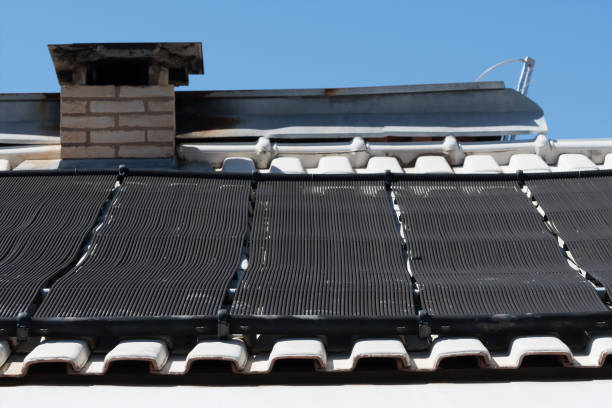
Solar heating offers near-zero operating costs but presents unique repair challenges involving rooftop components, precise fluid dynamics, and automated control systems.
Comprehensive Solar System Repairs:
Panel and Collector Leak Detection/Repair: Using pressure testing and sometimes thermal imaging, we locate leaks in rooftop collectors. We repair using compatible sealants and methodologies that maintain panel efficiency and withstand UV degradation.
Hydronic Flow Balancing: Solar systems require precise flow distribution across multiple collectors. We measure and adjust flow rates, repair or replace failed balancing valves, and ensure air elimination from all high points.
Differential Temperature Controller Repair: The brain of the system, comparing pool and collector temperatures. We repair or replace failed sensors, control boards, and actuator motors that automate valve positioning.
Pump and Heat Exchanger Service: Specialized solar circulation pumps are tested for proper operation. Heat exchangers (in indirect systems) are inspected for scaling and corrosion.
Freeze Protection System Verification: Critical in colder climates, we test freeze sensors, drain-down valves, and automatic recirculation functions to prevent winter damage.
Our Solar Repair Approach: We prioritize safety in rooftop work, using proper fall protection and minimizing roof penetration. We calculate solar gain efficiency after repairs, ensuring the system delivers expected performance. For older systems, we often recommend upgrades to more efficient collectors or modern controllers that significantly improve output.
A fundamental principle of professional heater repair is recognizing that the heater does not operate in isolation. It is the final component in a hydraulic chain that begins at the skimmer and ends at the return jets. Therefore, our repair process always begins with a comprehensive system evaluation.
Pre-Repair System Diagnostics We Perform:
Hydraulic System Analysis: We measure system flow rates and pressures to verify the heater receives water within its specified operating range (typically 30-60 GPM for residential units). Inadequate flow causes overheating shutdowns; excessive flow erodes heat exchangers.
Filtration System Assessment: A clogged filter immediately upstream of the heater creates flow restrictions that damage heaters. We check filter pressure differentials and recommend cleaning or repair before addressing heater issues.
Pump Performance Verification: We measure pump amperage, output pressure, and verify proper impeller condition. A failing pump may provide marginal flow that seems adequate until the heater demands full capacity.
Plumbing Configuration Review: Improper plumbing—such as heater bypass lines that are incorrectly sized or valved—can starve the heater of flow or create dangerous temperature spikes.
Chemical Balance Evaluation: We test and document water chemistry, particularly pH, total alkalinity, calcium hardness, and total dissolved solids. Imbalanced water is both a cause of heater damage and a threat to repair longevity.
This systems approach prevents the common scenario where a repaired heater fails again weeks later because an underlying system problem wasn’t addressed.
Our structured repair methodology ensures we address root causes rather than symptoms, providing solutions engineered for durability.
We begin with what we term “The Five-Point Heater Diagnostic,” which examines:
Operational History: We interview owners about symptoms, timing, error codes, and recent changes in pool use or chemistry.
Visual Inspection: Examining the heater cabinet, venting, gas/electric connections, and surrounding area for corrosion, leaks, or environmental issues.
Performance Testing: Measuring temperature rise across the heater (ΔT), fuel consumption or electrical draw, and cycle times.
Safety System Verification: Testing all limit switches, pressure switches, and safety interlocks for proper operation.
Component-Level Diagnostics: Using manufacturer-specific troubleshooting guides, multimeters, manometers, and combustion analyzers to pinpoint failed components.
This thorough investigation typically reveals not just what failed, but why it failed—information crucial to preventing recurrence.
We present findings using clear terminology and visual aids (photos of damaged components, simplified diagrams). Options include:
Immediate Repair: Addressing the specific failure with OEM or superior aftermarket parts
Preventative Component Replacement: Proactively replacing components showing signs of impending failure
Efficiency Upgrade During Repair: Installing improved components (electronic ignition upgrades, better insulated jackets, digital controls)
Partial System Replacement: Replacing the heat exchanger or combustion assembly while retaining the cabinet and controls
Complete Heater Replacement: When repair economics or safety concerns warrant it
We provide detailed cost-benefit analysis, including projected energy savings from efficiency improvements and avoided future repairs.
Our repairs adhere to strict technical standards:
Parts Selection: We use manufacturer-approved components or documented equivalents that meet or exceed OEM specifications. Critical safety components are always genuine OEM.
Proper Procedures: Following factory service manuals for disassembly sequences, cleaning methods, and torque specifications on every fastener.
Corrosion Protection: Applying high-temperature anti-seize on threaded connections, dielectric grease on electrical contacts, and replacing all gaskets and seals with fresh ones.
Calibration and Adjustment: Setting gas pressures, temperature calibrations, and control parameters to factory specifications using proper instruments.
Clean Work Practices: Protecting internal components from debris during repair, vacuuming out combustion chambers, and ensuring all pathways are clear before reassembly.
Post-repair validation is as critical as the repair itself:
Safety System Check: Verifying every safety interlock functions properly under simulated fault conditions.
Combustion Analysis (Gas Heaters): Measuring oxygen, carbon dioxide, carbon monoxide, and stack temperature to confirm safe, efficient combustion.
Load Testing: Running the heater through multiple cycles, monitoring temperature consistency, cycle times, and energy consumption.
System Integration Test: Ensuring the heater operates harmoniously with pumps, filters, and automation systems.
Owner Education: Demonstrating proper operation, explaining any changes in startup procedures or maintenance requirements.
Documentation: Providing detailed repair records, including before/after measurements, parts installed, and warranty information.
Determining whether to repair or replace a heater involves nuanced calculation beyond simple price comparison. Our decision framework considers multiple dimensions:
When Repair is the Economically Optimal Choice:
The heater is less than 7 years old (gas) or 10 years old (heat pump)
The failure is isolated to a single repairable component (igniter, sensor, valve)
The heat exchanger is intact with minimal scaling or corrosion
Repair costs are less than 40% of a comparable replacement installed
The unit has a good service history without repeated failures
Energy efficiency remains acceptable (≥80% thermal efficiency for gas)
When Replacement Becomes the Prudent Investment:
The heat exchanger is cracked or severely corroded (repair often exceeds 60% of replacement)
The heater is 10+ years old (gas) or 15+ years (heat pump) with multiple aged components
Repeated repairs have occurred over the past 2-3 years
Significant efficiency improvements are available (new units offer 85-95% efficiency)
Safety concerns exist that cannot be fully resolved through repair
Manufacturer support and parts availability are diminishing
Environmental regulations favor newer technology (lower NOx emissions, better refrigerant)
We calculate not just immediate costs but total cost of ownership over the expected remaining lifespan, including energy consumption, anticipated repairs, and residual value.
The financial impact of heater repair extends far beyond the repair bill. A malfunctioning heater operates inefficiently, and the energy waste compounds daily. Consider these examples:
Case Study – Scaled Heat Exchanger: A gas heater with moderate scaling might operate at 70% efficiency instead of its designed 82%. For a typical 400,000 BTU heater running 4 hours daily during a 5-month season, this inefficiency wastes approximately 75-100 gallons of propane or 8-10 Mcf of natural gas annually—$300-$500 in lost fuel before addressing the repair cost.
Case Study – Faulty Ignition System: An intermittently failing igniter causes multiple ignition attempts per cycle. Each failed attempt purges unburned gas to the atmosphere while the heater consumes electricity for blowers and controls. This can increase energy consumption by 15-20% while delivering unreliable heating.
Case Study – Improperly Calibrated Thermostat: A thermostat reading 5°F low causes the heater to overshoot the desired temperature, cycling on and off unnecessarily and raising average pool temperature beyond the setpoint. Each degree Fahrenheit of excess heating increases energy consumption by approximately 10-12%.
Professional repair addresses these inefficiencies systematically. We measure efficiency metrics before and after repair, often documenting 20-35% reductions in energy consumption for the same heating output. In many cases, the energy savings alone justify the repair cost within 1-2 swimming seasons.
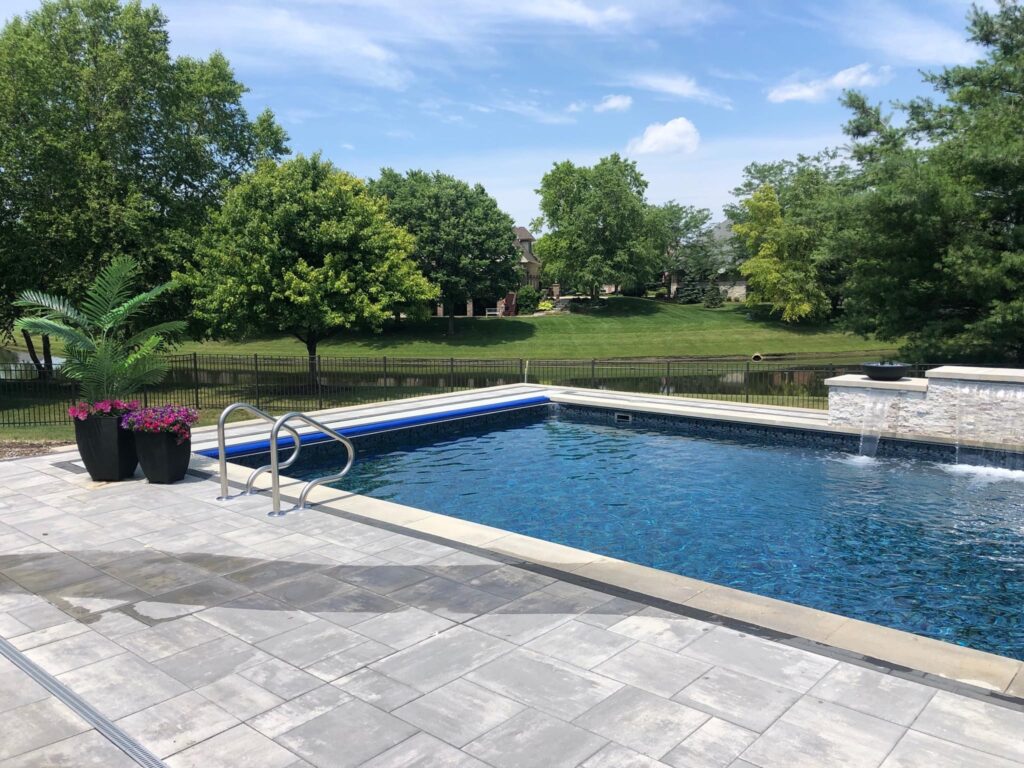
Our repair expertise scales across all applications:
Residential Pool Heater Repair: We understand the importance of minimizing disruption to family routines. Our residential service focuses on clear communication, scheduling flexibility, and solutions that match how your family uses the pool—whether that’s maintaining constant temperatures or rapid heating for weekend parties.
Commercial and Institutional Systems: Commercial heaters operate under demanding conditions: longer hours, heavier bather loads, and regulatory compliance requirements. Our commercial repairs prioritize:
Minimum downtime (often scheduling after-hours service)
Compliance with health department temperature regulations
Detailed record-keeping for facility maintenance logs
Redundancy planning for systems with multiple heaters
Meeting specific temperature rise requirements for high-volume facilities
Specialty Applications:
Spa and Hot Tub Heaters: Smaller but more intensively used, requiring precise temperature control and rapid recovery
Water Feature Heaters: For heated waterfalls, deck jets, or perimeter overflow systems with unique flow requirements
Combined Systems: Where pool heaters also service adjacent spas or water features with different temperature requirements
Hybrid Systems: Integrating multiple heat sources (solar with gas backup, heat pump with electric element)
While we excel at repair, we advocate strongly for preventative maintenance to avoid most common failures. Our recommended maintenance protocol includes:
Annual Professional Service (Before Pool Opening Season):
Complete combustion analysis and adjustment (gas)
Heat exchanger inspection and descaling if needed
Electrical component testing and connection tightening
Safety system verification
Control calibration
Efficiency measurement and documentation
Owner-Performed Maintenance (Monthly During Season):
Visual inspection for leaks, corrosion, or unusual sounds
Verification of proper water flow and pressure
Keeping the area around the heater clear of debris and vegetation
Monitoring energy consumption for unusual increases
Chemical Management:
Maintaining proper water balance (pH 7.4-7.6, alkalinity 80-120 ppm)
Regular testing for calcium hardness and total dissolved solids
Using scale inhibition products in hard water areas
Ensuring proper sanitizer levels to prevent biological growth in heater passages
Winterization (Cold Climates):
Proper draining following manufacturer guidelines
Protecting from freeze damage with appropriate antifreeze if needed
Securing the unit from weather and pests during off-season
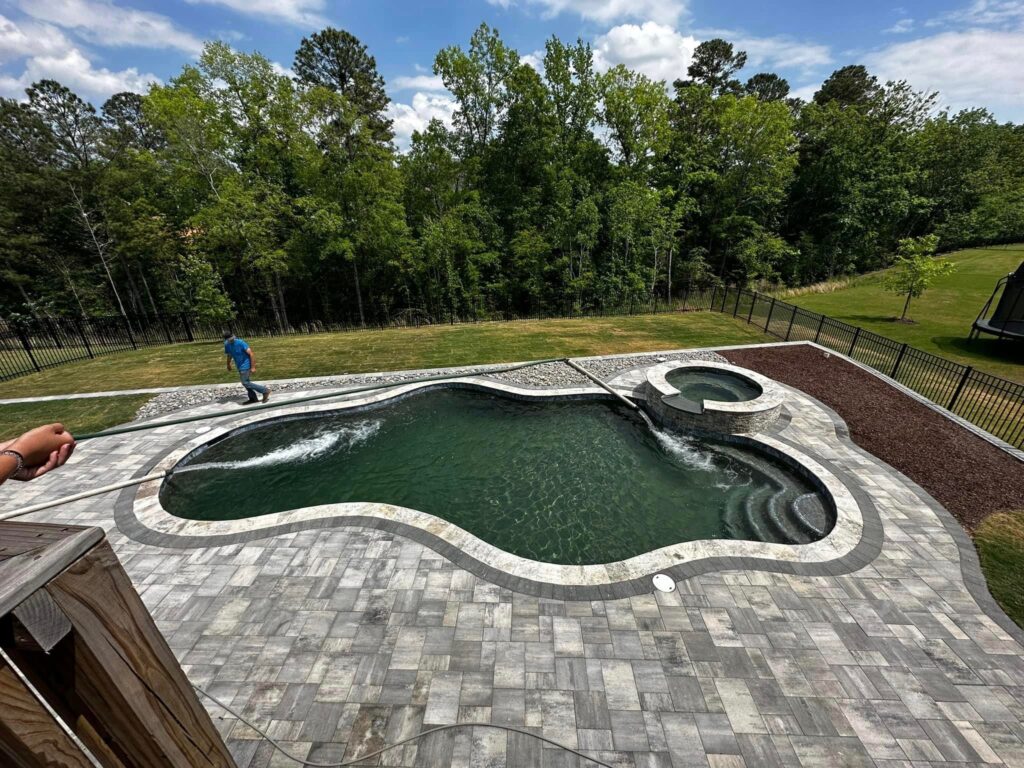
Unlike generalists who may only handle common gas heaters, our technicians hold manufacturer certifications across gas, electric, heat pump, and solar technologies. We invest continually in training on evolving technologies like modulating gas valves, variable-speed heat pump compressors, and smart controller integration.
We invest the time required for correct diagnosis, recognizing that the apparent symptom (heater won't start) often has a root cause elsewhere in the system (flow switch failure due to pump issues).
We document our findings with photos and measurements, explain options in understandable terms, and provide written estimates with clear scope definitions.
We schedule follow-up checks to ensure continued optimal performance and customer satisfaction.
This “short cycling” typically indicates a safety shutdown. Common causes include:
(1) Overheating due to inadequate water flow (check filter pressure, pump performance, and valves);
(2) High limit switch tripping from a scaled heat exchanger;
(3) Flame failure on gas heaters due to weak flame sense current;
(4) Pressure switch intermittently opening from pump cavitation. Proper diagnosis requires measuring temperatures, pressures, and electrical signals during the failure cycle.
Sometimes replacement presents an opportunity for technology change. Considerations:
Gas to Heat Pump: If electricity costs are moderate and climate is mild, heat pumps offer 70-80% operating cost savings but higher initial investment.
Electric to Gas: When rapid heating is needed and gas is available, conversion provides faster recovery but requires gas line installation.
Any system to Solar: When climate and roof orientation permit, solar offers near-zero operating costs but requires supplemental heating for cloudy periods.
We analyze your usage patterns, local energy costs, climate, and existing infrastructure to recommend optimal solutions.
While some maintenance tasks are owner-appropriate (cleaning around the unit, checking simple connections), most repairs involve specialized tools, technical knowledge, and significant safety risks. Gas heaters present combustion and carbon monoxide hazards; electric heaters involve high-voltage components; heat pumps contain pressurized refrigerant. Improper repair can create dangerous situations, void warranties, and lead to more extensive damage. Professional diagnosis alone often pays for itself by correctly identifying the actual problem versus apparent symptoms.
Properly executed repairs should restore the component to like-new lifespan expectations:
Gas heater heat exchanger repair/replacement: 5-8 years
Ignition system overhaul: 3-5 years
Control board replacement: 4-7 years
Heat pump compressor replacement: 6-10 years
The overall system lifespan depends on maintenance, water chemistry, and usage patterns. We provide expected longevity estimates with each repair.
Early warning signs include:
Increased heating time for the same temperature rise
Unusual sounds (rumbling, screeching, excessive fan noise)
Visible corrosion or water leaks at connections
Intermittent operation or frequent error codes
Unexplained increases in gas or electric bills
Yellow or sooty flame (gas heaters) instead of crisp blue
Addressing these early signs typically results in simpler, less expensive repairs.

