A pool plaster repair done wrong is worse than no repair at all. It looks bad, fails fast, and can actually accelerate the damage around it. Every gunite pool surface degrades over time — heat, chemicals, and DFW’s hard water make sure of that. But not every surface problem requires a full replaster at $5,000 to $15,000. Many issues can be spot-repaired to extend surface life by 3 to 5 years. The key is knowing when pool surface repair makes sense and when replaster vs repair math tips toward starting fresh. Get it wrong and you’re throwing money at patches that won’t hold.
Common Pool Plaster Problems in North Texas

Hairline cracks (crazing). A network of fine surface cracks that look like a spider web. This is normal plaster behavior from curing, temperature changes, and chemical exposure. DFW’s thermal cycling between 100°F+ summer water and cool winter water accelerates it. Cosmetic only — doesn’t indicate structural problems. Usually no pool plaster repair needed unless cracks start widening. The Pool & Hot Tub Alliance classifies check cracking as normal aging in cement-based pool finishes.
Structural cracks. Visible cracks you can feel with your finger or catch a fingernail in. These are different from crazing — they’re caused by soil movement in DFW’s clay, settling, or structural stress. They can leak. Professional evaluation is required — may need epoxy injection, staple repair, or structural remediation. Cost: $200 to $1,500 depending on severity. Our deck repair guide covers how DFW clay soil creates movement stress on the entire pool structure.
Delamination (spalling / pop-offs). Plaster lifting away from the concrete shell in flakes or sheets. Bond failure between plaster and shotcrete — sometimes from improper original application, sometimes from calcium-saturated plaster in DFW hard water losing adhesion. Exposed concrete underneath is rough and porous. Spot repair with hydraulic cement and a new plaster skim coat runs $200 to $800 per area. If it’s widespread, full replaster is the only answer.
Staining. Metal stains (brown rust, green copper), calcium scale (white or grey buildup), and organic stains from leaves and algae. DFW hard water makes staining more likely and more persistent. Our stain removal guide covers treatment options. Our resurfacing options guide covers which finish types resist staining best in hard water.
Rough and abrasive surface. Chemical etching from low pH, calcium deposits embedding in the plaster, or normal aging wear. DFW hard water calcification creates a sandpaper texture that’s uncomfortable on bare feet. Acid washing can smooth localized roughness, but if the entire pool feels rough, resurfacing is the only permanent fix. According to the Water Quality Association, calcium-saturated water accelerates surface degradation in cement-based pool finishes — and DFW water is consistently among the hardest in the country.
Discoloration and mottling. Uneven color patches — grey areas, dark spots, blotchy appearance. Caused by inconsistent plaster application, chemical damage, calcium intrusion, or trowel marks exposed over time. Acid washing may improve it cosmetically. Severe mottling usually requires full resurfacing.
When Pool Plaster Repair Makes Sense vs. Replaster
Good candidates for pool plaster repair: isolated cracks in fewer than 3 to 4 areas, small delamination patches totaling less than 2 to 3 square feet, localized staining that responds to treatment, and surfaces under 8 to 10 years old that are otherwise sound with just a few problem spots. In these cases, pool surface repair extends life by years at a fraction of replaster cost.
Not good candidates: widespread cracking or delamination across multiple areas, surface roughness across the entire pool, plaster older than 12 to 15 years with multiple issues, or spot repairs that have already failed or are multiplying. At that point, the replaster vs repair decision is clear — full resurfacing is more cost-effective than endless patches. According to HomeAdvisor’s pool data, homeowners who delay necessary resurfacing and rely on repeated spot repairs typically spend more over 5 years than those who replaster on schedule.
Pool Plaster Repair Costs in DFW
Spot crack repair with epoxy: $100 to $400 per crack. Delamination patch repair: $200 to $800 per area. Acid washing the full pool: $300 to $600. Partial resurfacing of a localized area: $500 to $2,000. Full replaster: $5,000 to $15,000 depending on pool size and finish type. Our resurfacing options guide breaks down costs for every finish type from standard plaster to pebble and quartz.
How to Extend Your Pool Plaster Life in DFW
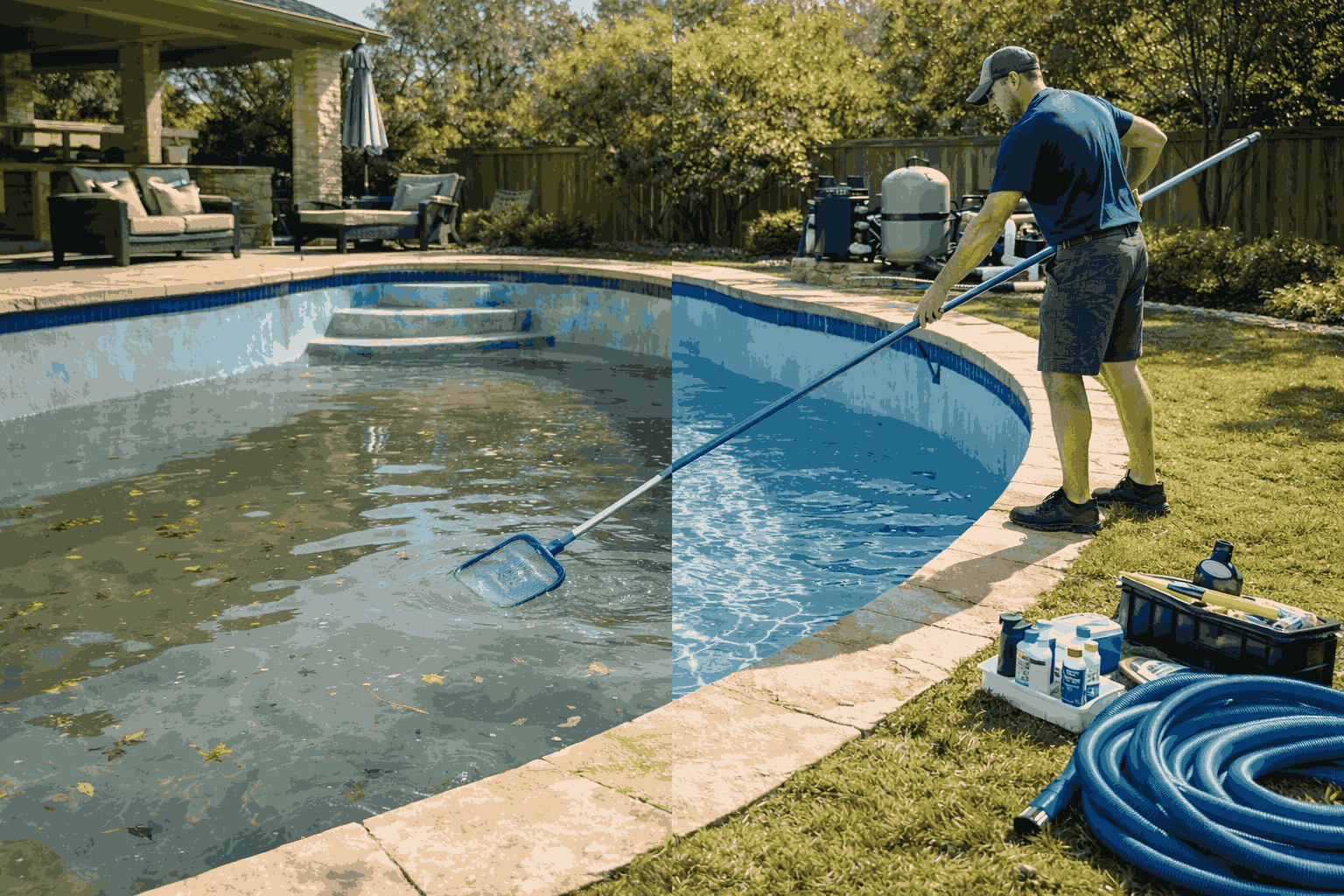
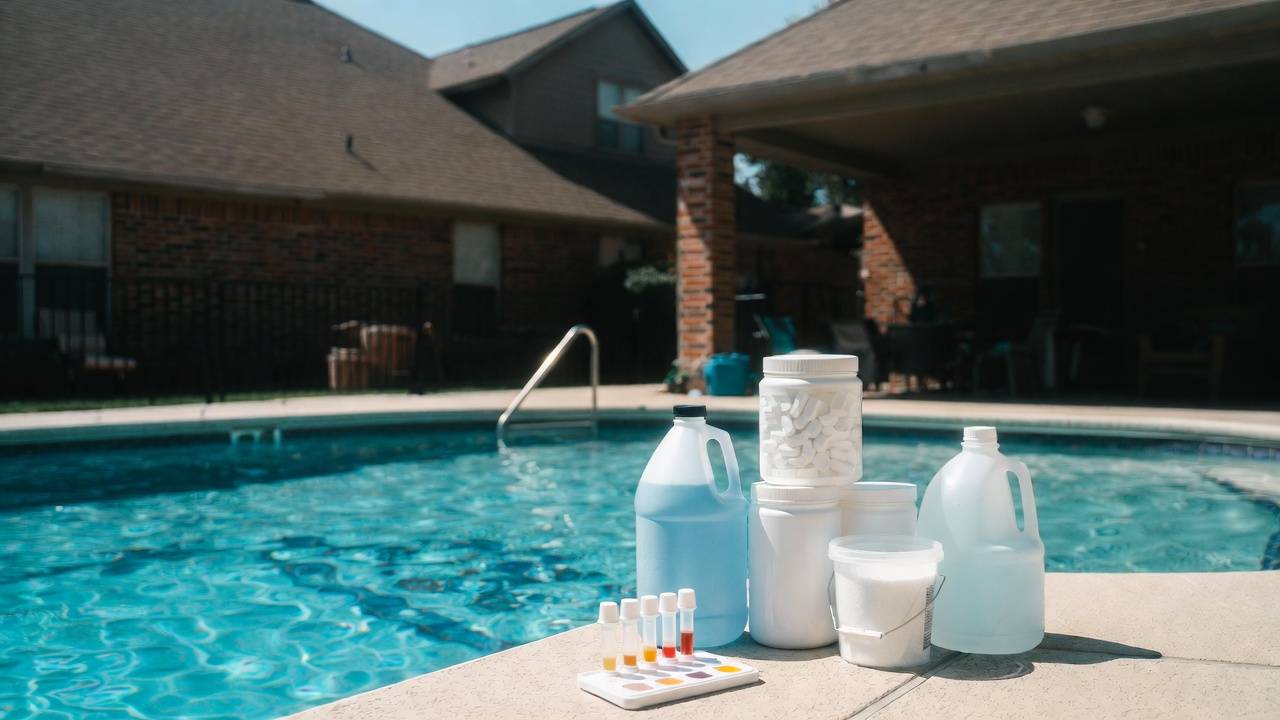
Keep pH at 7.2 to 7.4 religiously — that’s the number one way to protect plaster. Keep calcium hardness within 200 to 400 ppm because too low etches the surface and too high embeds scale. Brush the pool weekly to prevent staining and algae from embedding into the porous plaster. Never pour acid directly onto the surface — add it in the deep end with the pump running.
Address stains early before they penetrate deeper. And maintain proper water level because exposed plaster above the waterline degrades rapidly in Texas sun. Our water chemistry guide covers every target range that affects surface longevity. The U.S. Department of Energy also notes that using a pool cover reduces chemical evaporation and UV exposure on surfaces, both of which extend plaster life.
People Also Ask
Can cracked pool plaster be repaired?
Hairline crazing doesn’t need repair. Structural cracks can be epoxy-injected for $100 to $400 per crack. If cracks are widespread or indicate shell movement, professional structural evaluation is needed before any pool plaster repair.
When should I replaster vs repair my pool?
Repair when problems are isolated and the surface is otherwise sound and under 10 years old. Replaster when damage is widespread, surface roughness covers the entire pool, or spot repairs keep failing. The replaster vs repair math favors resurfacing when total repair costs approach 30 to 40% of a full replaster.
Why is my pool plaster peeling off?
Delamination happens from bond failure between plaster and concrete — improper original application, calcium saturation from DFW hard water, or aggressive low-pH water dissolving the bond. Small areas can be patched. Widespread delamination means replaster.
Does hard water damage pool plaster?
Yes. DFW’s hard water embeds calcium into porous plaster, creating roughness and shortening surface life by 2 to 5 years compared to soft water areas. Keeping pH at 7.2 to 7.4 and using scale inhibitors slows the damage significantly.
How long does pool plaster last in Texas?
Standard white plaster: 5 to 8 years in DFW. Quartz aggregate: 10 to 15 years. Pebble finishes: 15 to 20+ years. Hard water, UV exposure, and chemistry management all affect actual lifespan. Our resurfacing guide compares every finish type for DFW conditions.
PoolBurg Monitors Your Pool Surface at Every Visit
Early detection of plaster problems saves thousands. We optimize chemistry specifically to protect your surface and flag pool plaster repair needs before they become full replaster situations. Contact PoolBurg for a surface assessment and honest guidance on repair vs. resurfacing.