A pool vacuum hose air leak can be incredibly deceptive, as your equipment might initially appear functional. You may notice your cleaner operate for a few minutes before it begins to lag, discharge bubbles through the return lines, and eventually become completely stagnant. For many pool owners in DFW communities like Southlake, Grapevine, and Plano, the cleaner is already battling heavy loads of pollen and debris; introducing air into that suction system makes the entire process feel frustratingly underpowered.
A suction cleaner depends on sealed water flow. Suction pool cleaners use the pool pump and filter system to pull debris through the hose, so even a small opening at a cuff, hose section, or adapter can break the pull. That is why one cracked hose can make a good cleaner look completely useless.
Why a Pool Vacuum Hose Air Leak Causes Problems
A pool vacuum hose air leak lets the pump pull air instead of solid water. The pump can still run, but the suction cleaner loses the steady pull it needs to crawl, climb, and pick up debris. This is why a vacuum may work briefly and then stop once enough air reaches the pump basket.
The frustrating part is that a pool vacuum hose leak can mimic other problems. It can look like a weak pump, dirty filter, clogged skimmer, bad cleaner diaphragm, or worn wheels. Before replacing the cleaner, it is smarter to rule out air first.
Signs of a Pool Vacuum Hose Air Leak
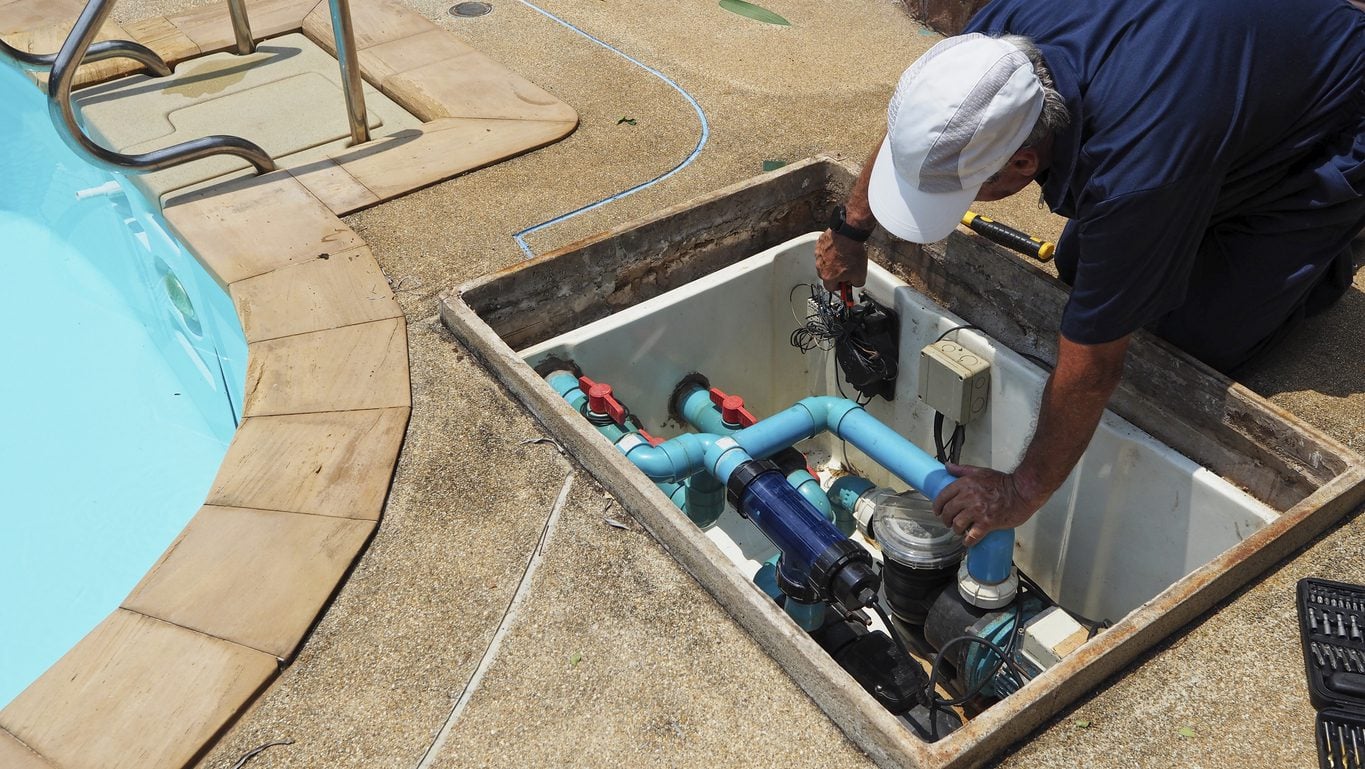
The most common sign of a pool vacuum hose air leak is a cleaner that starts strong and then fades. You may also see suction pool cleaner air bubbles shooting from the return jets, air collecting under the pump lid, or the hose floating in a strange way instead of staying full of water.
Watch for these clues:
- The cleaner stops moving after a few minutes.
- The cleaner moves slowly even with the pump on high.
- Air bubbles appear only when the vacuum is connected.
- The pump basket never fills completely with water.
- The cleaner loses suction when the hose bends or turns.
- The hose draws air near the skimmer, vac plate, or cleaner head.
Common Places Vacuum Hoses Leak
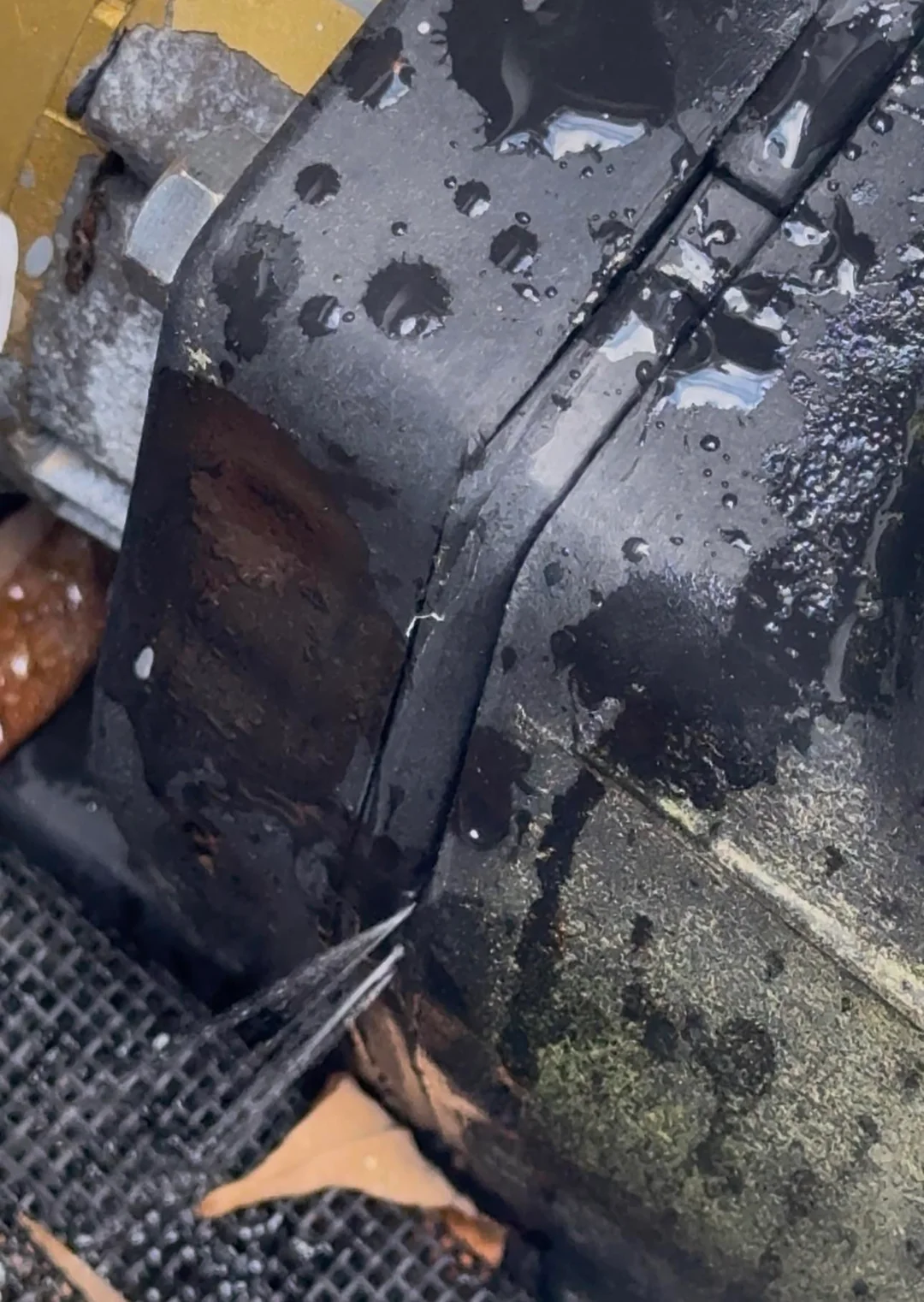
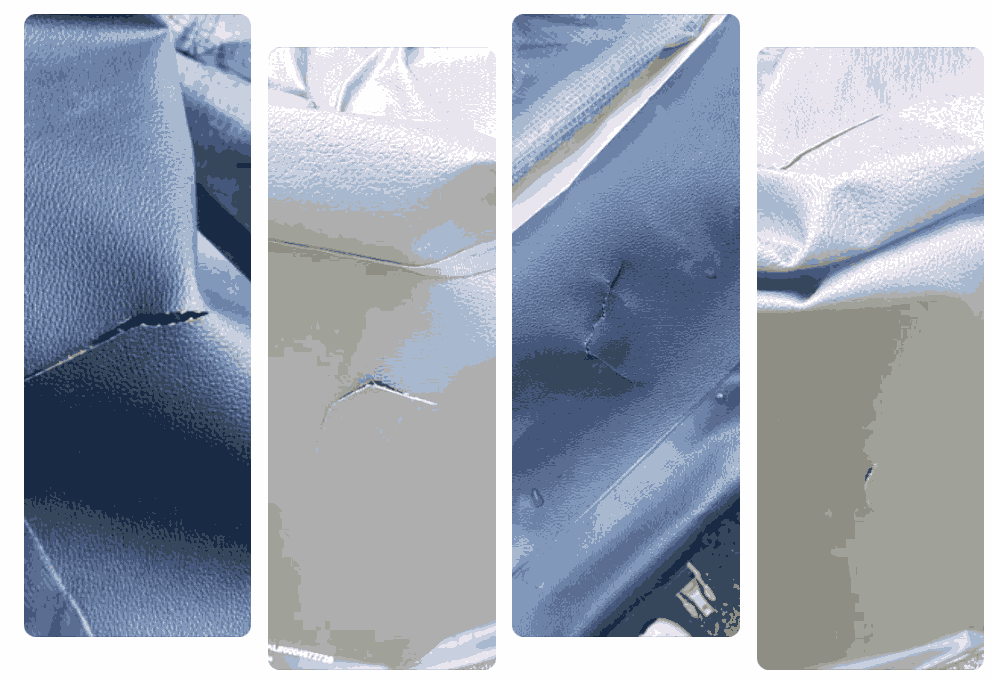
Start at the easiest spots. Hose cuffs are famous for getting loose, warped, or cracked. A single hose section may also split along the ribbing, especially if it has been dragged across coping, left in full sun, or stored badly. The vacuum plate connection can leak if the plate is not seated correctly, and worn adapters can let air sneak in even when everything looks connected.
If your pool vacuum losing suction problem began after reconnecting hose sections, check the order and fit. Some hoses only seal well when the sections are pushed together firmly and facing the correct direction.
How to Test a Pool Vacuum Hose for Leaks
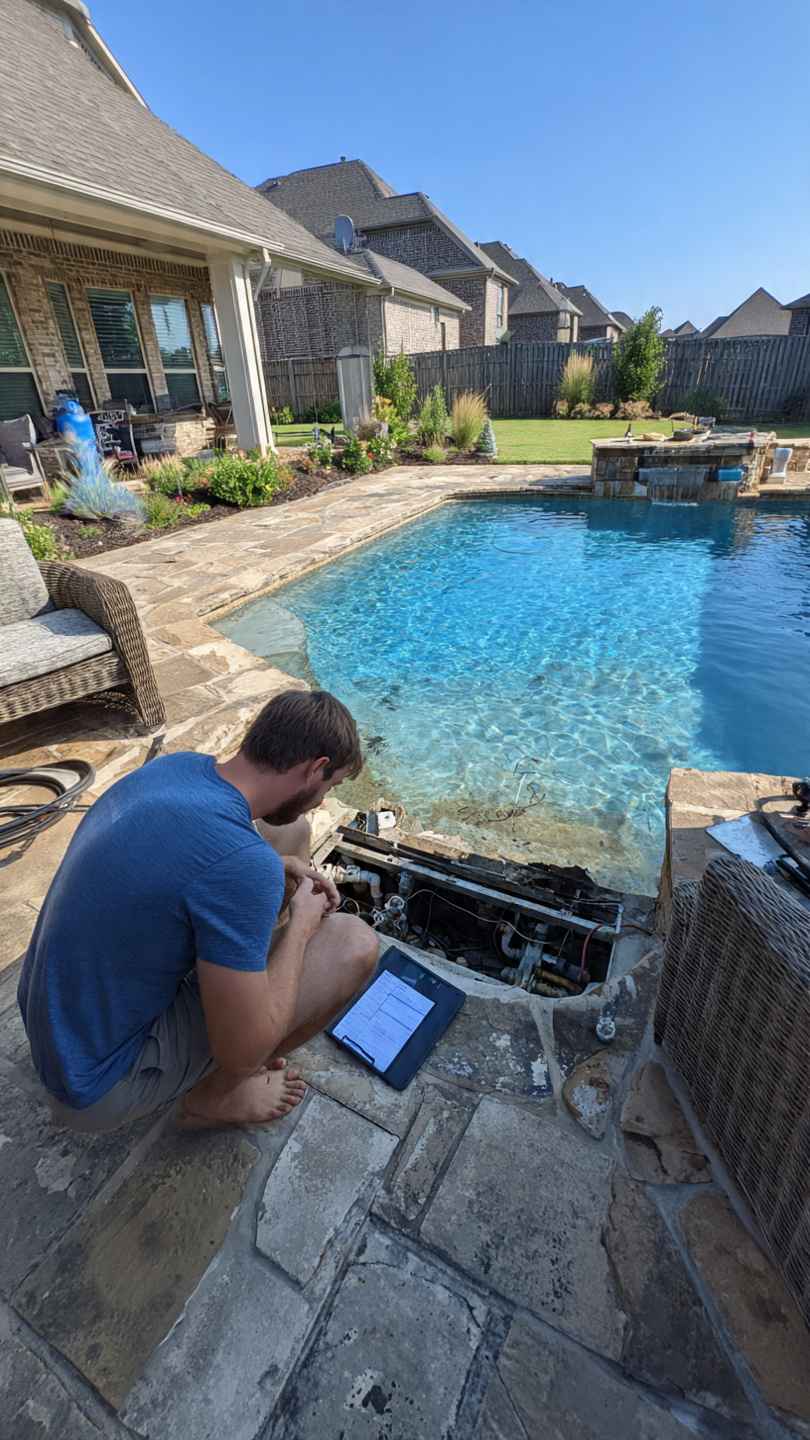
To test for a pool vacuum hose air leak, fill the hose completely underwater before connecting it. Then inspect one section at a time while the cleaner is running. If bubbles appear from a cuff, crack, or joint, that section is suspect. You can also submerge the hose, bend each section gently, and watch for bubbles escaping.
Do not forget the simple comparison test: run the cleaner with another hose if one is available. If the cleaner suddenly works normally, the hose was likely the issue. If the cleaner still struggles, the problem may be elsewhere in the suction system. For general pool health, CDC home pool water testing guidance is also a good reminder that circulation, filtration, and chemistry all work together.
Air Leak vs Low Pump Suction
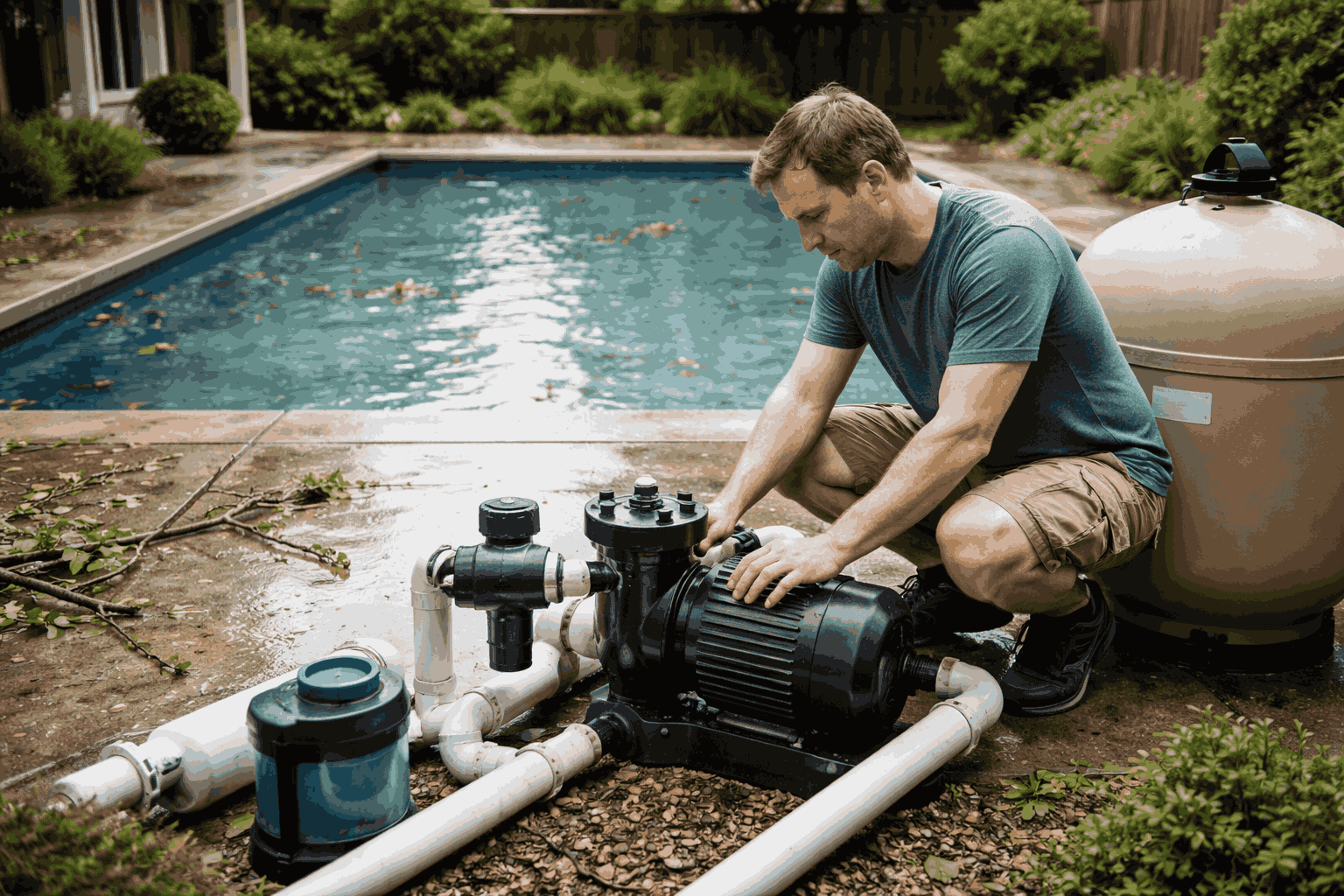
Not every suction issue is a pool vacuum hose air leak. Low pool water level can let the skimmer gulp air. A full skimmer basket, full pump basket, dirty filter, suction valve issue, or clogged skimmer line can also cause pool vacuum losing suction problems. If bubbles are present even when the vacuum is disconnected, the leak may be at the pump lid O-ring, suction plumbing, or valve instead of the hose.
Also be careful around suction fittings and drains. Pool suction is useful for cleaning, but it deserves respect. Pool drain and suction safety matters because blocked or damaged suction fittings can create real hazards. If you are not sure what you are working on, stop and call a pool professional.
People Also Ask
How do I find an air leak in a pool vacuum hose?
Submerge the hose while it is full of water and watch for bubbles from cracks, cuffs, or joints. Test section by section so you do not blame the whole cleaner too quickly.
Why does my pool vacuum lose suction?
A pool vacuum losing suction may have a hose leak, dirty filter, clogged basket, low water level, skimmer blockage, pump lid air leak, or weak valve setting.
Can a cracked hose stop a pool cleaner?
Yes. A cracked hose can pull air into the system, weaken suction, and stop a suction cleaner from moving properly.
Why are bubbles coming out when I vacuum?
Bubbles usually mean air is getting into the suction side. If bubbles appear only during vacuuming, the hose, vac plate, or cleaner connection is a likely place to start.
Why is my suction cleaner not moving?
The cleaner may not be getting enough sealed suction. Check the hose, skimmer connection, pump basket, filter, water level, and cleaner throat for clogs.
Should I replace the hose or the whole cleaner?
Replace the leaking hose section first if the cleaner body is still in good shape. If the cleaner has worn wheels, diaphragm damage, or motor issues, replacement may make more sense.
PoolBurg Can Find the Real Suction Problem
A pool vacuum hose air leak is small, but it can make the entire cleaning system look broken. PoolBurg can test the cleaner, hose, skimmer, pump basket, valves, and suction line so you know what actually failed. If your cleaner keeps stopping, bubbling, or losing pull, contact PoolBurg and let us get the suction side working again before the pool turns into a leaf trap.