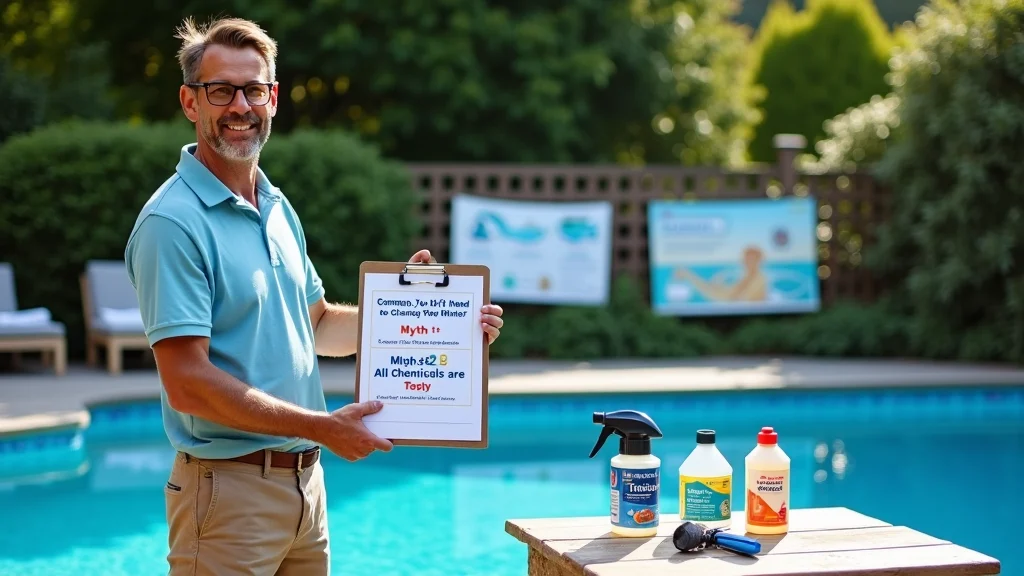
Pool maintenance myths are everywhere — the internet, your neighbor’s advice, even pool store employees repeat them. Some pool misconceptions are harmless. Others cost DFW homeowners hundreds or thousands of dollars in damaged equipment, ruined water, and unnecessary chemicals. These are the 15 most dangerous pool myths we see wrecking North Texas pools every year, and the truth that actually keeps your pool healthy.
15 Pool Maintenance Myths DFW Owners Need to Stop Believing
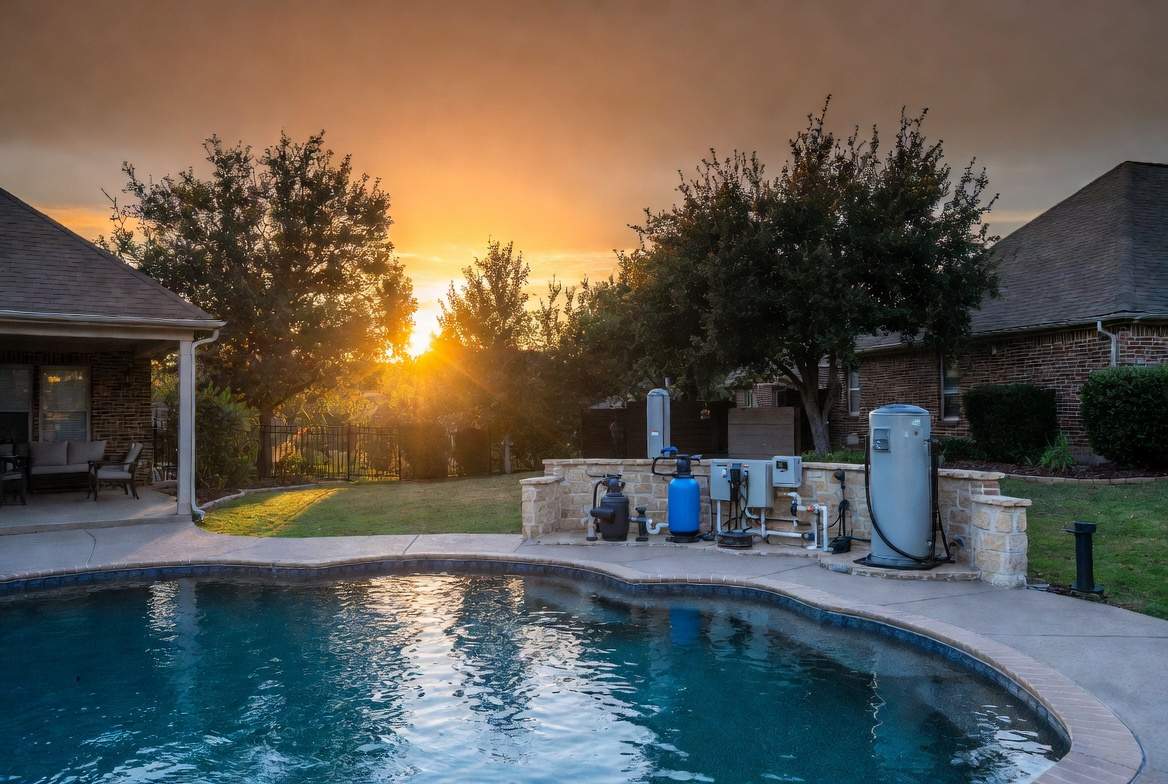
Myth 1: “You can smell when your pool has enough chlorine.” That strong chlorine smell isn’t chlorine working — it’s chloramines, which form when chlorine combines with sweat, urine, and organic matter. That smell means you need MORE chlorine, not less. The CDC confirms that a well-sanitized pool should have almost no smell. Our shock treatment guide covers how shocking destroys chloramines.
Myth 2: “Clear water means safe water.” One of the most dangerous pool myths out there. Water can be crystal clear with zero sanitizer and dangerous bacteria. Clarity is about filtration. Safety is about chemistry. Always test — never trust your eyes alone.
Myth 3: “You don’t need to maintain your pool in winter in Texas.” DFW freeze events cause $1,000 to $8,000 in damage to unprotected equipment. You reduce service intensity in winter, but you never shut down. Our closing vs winterizing guide explains why full closure is wrong for Texas.
Myth 4: “Add calcium hardness increaser to your pool.” This advice comes straight from national pool guides that don’t account for DFW conditions. Our tap water arrives at 150 to 300+ ppm calcium already. Adding more makes hard water problems worse — scale, cloudy water, and shortened equipment life. This is one of the costliest pool misconceptions in North Texas.
Myth 5: “More chlorine tabs equal a cleaner pool.” More tabs mean more CYA (cyanuric acid) buildup. Once CYA exceeds 80 to 100 ppm, chlorine becomes ineffective regardless of how much you add. That’s chlorine lock. Our CYA guide explains the problem and the fix.
Myth 6: “You only need to run your pump 6 to 8 hours in summer.” National guidelines say 6 to 8 hours. DFW heat requires 10 to 12 hours minimum in summer to maintain proper circulation and filtration. Our pump run time guide covers seasonal scheduling for North Texas.
Myth 7: “A green tint means algae — shock immediately.” Green can also mean dissolved copper in the water from corroded heat exchangers or copper-based algaecides. Shocking copper-contaminated water makes it worse — the oxidation turns copper into visible green staining on surfaces. Test for metals before assuming algae.

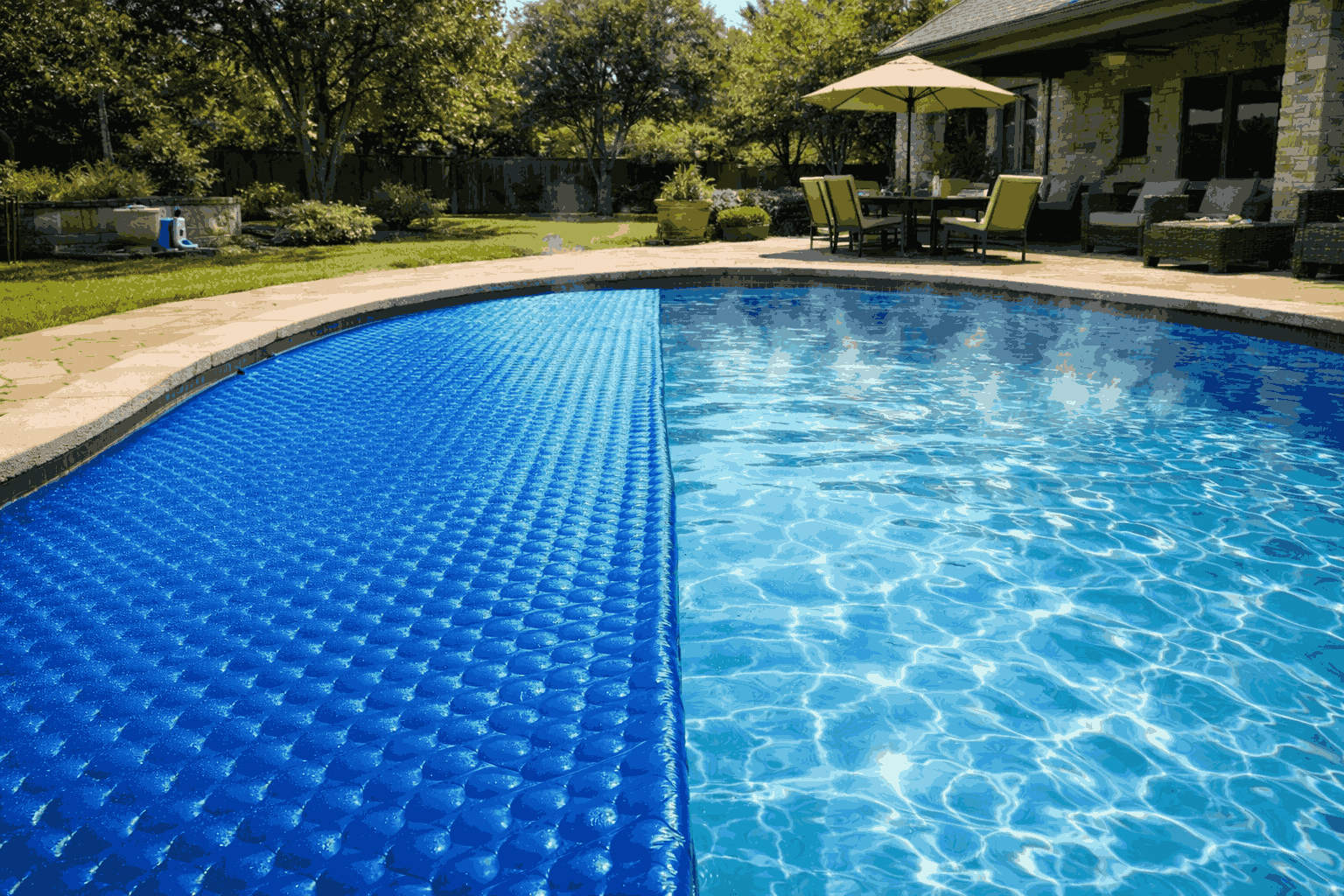
Myth 8: “Salt water pools don’t use chlorine.” They absolutely do. A salt water pool IS a chlorine pool — the salt cell converts salt into chlorine on-site. You’re swimming in chlorinated water. The difference is delivery method, not chemistry. The Pool & Hot Tub Alliance classifies salt chlorine generators as chlorine-producing sanitation systems.
Myth 9: “Peeing in the pool is harmless.” Urine reacts with chlorine to form chloramines — the compounds that cause eye irritation, respiratory discomfort, and that “chlorine smell.” It also consumes sanitizer that should be killing bacteria. Harmless? No. Gross and chemically damaging.
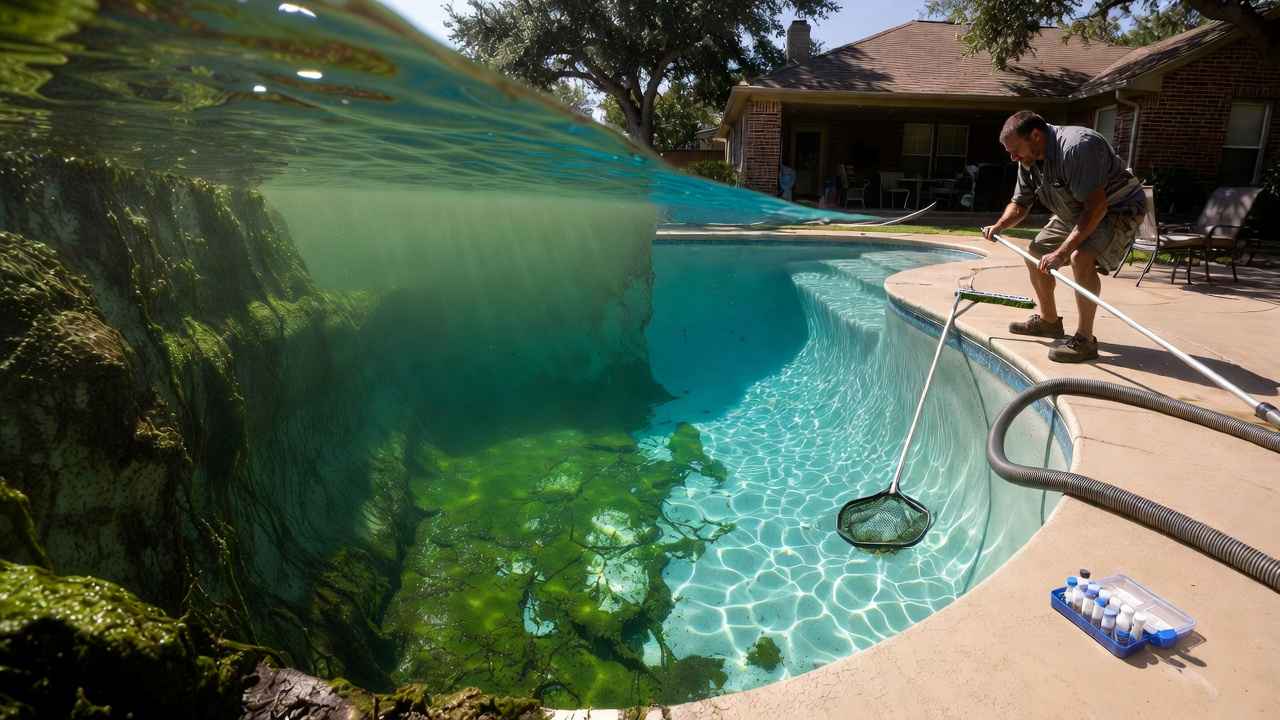
Myth 10: “You can wait until the pool turns green to call for service.” Green pool recovery costs $200 to $800. Weekly prevention costs a fraction of that. By the time you see green, algae has already established and your chemistry is wrecked. Our algae guide covers why prevention always beats recovery.
Myth 11: “Shocking during the day is fine.” UV sunlight destroys 30 to 50% of unstabilized chlorine before it can work. Always shock at dusk or after dark for maximum effectiveness. Daytime shocking is literally throwing money away. According to HomeAdvisor’s pool data, proper shock timing is one of the most commonly missed maintenance steps among DIY pool owners.
Myth 12: “Pool maintenance is too expensive — I’ll DIY.” DIY chemical costs run $55 to $110 per month. But factor in 2 to 4 hours per week of your time, mistakes from incorrect dosing, CYA buildup from tablets, and emergency recovery when things go wrong ($200 to $800 per incident), and professional service at $130 to $250 per month often costs less total. Our DFW cost breakdown has the full comparison.
Myth 13: “My freeze guard protects my equipment automatically.” Freeze guards need power to work. DFW freeze events frequently cause power outages at the same time. If the power is out, the freeze guard does nothing. You need a manual backup plan. Our freeze protection guide covers what to do when the power goes out during a freeze.
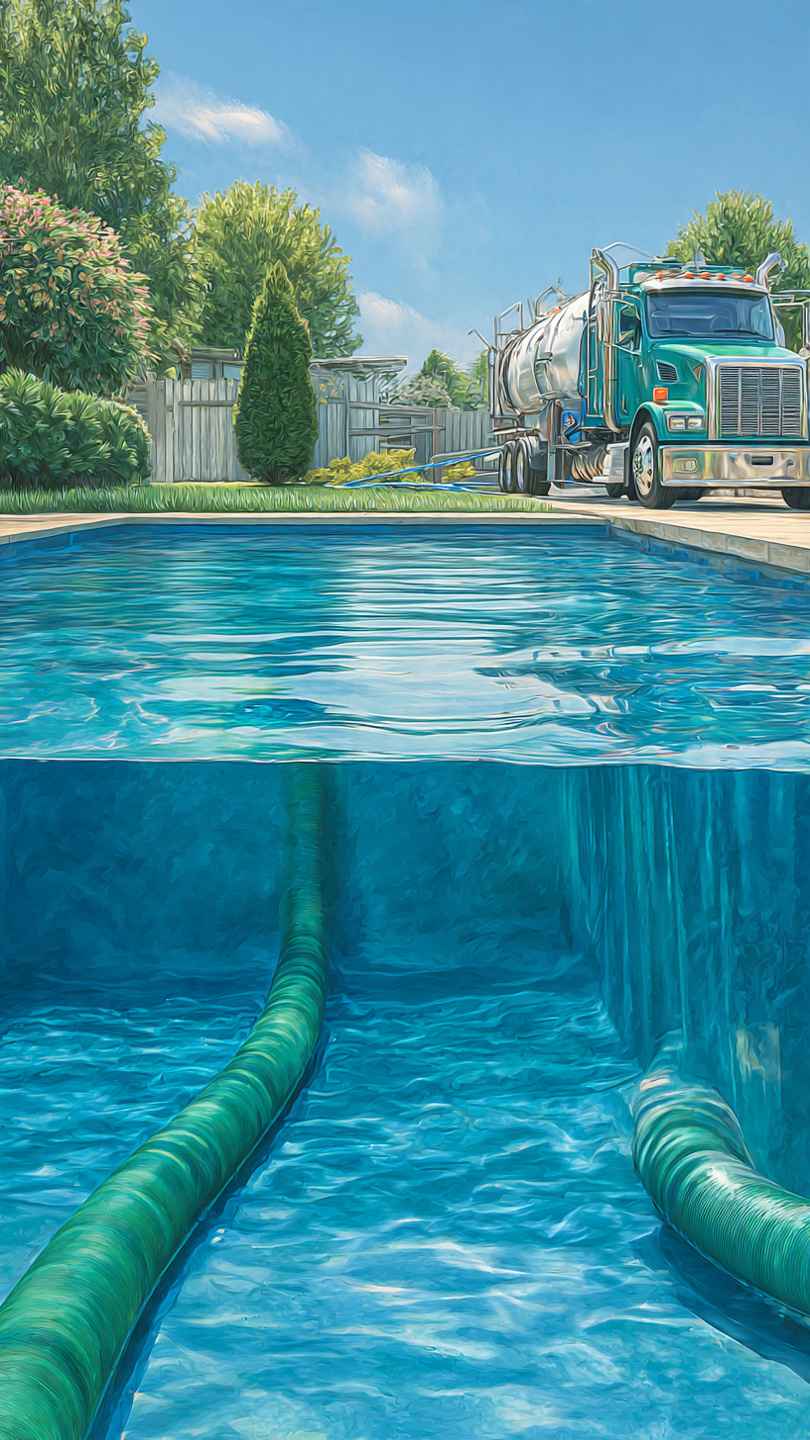
Myth 14: “Draining my pool is the easy fix for any water problem.” Hydrostatic pressure from groundwater can push an empty pool shell out of the ground, especially in DFW’s saturated clay soil after heavy rain. Full drains require professional supervision. Our pool draining guide covers safe procedures and when draining actually makes sense.
Myth 15: “All pool service companies are basically the same.” The difference between acceptable and exceptional pool care comes down to DFW-specific expertise, consistent chemistry management, proactive equipment monitoring, and honest communication. Crystal clear water that protects equipment for years doesn’t happen by accident. The U.S. Department of Energy notes that professional pool maintenance optimized for local conditions delivers measurably better efficiency and longer equipment life.
People Also Ask
What are common pool maintenance myths?
The biggest pool maintenance myths include thinking clear water is always safe, that you can smell adequate chlorine, that salt pools don’t use chlorine, that more tabs mean a cleaner pool, and that you don’t need winter maintenance in Texas. All of these are false and cost DFW owners money.
Is clear pool water always safe?
No. Clear water can have zero sanitizer and dangerous bacterial contamination. Clarity comes from filtration. Safety comes from chemistry. Always test chlorine and pH regardless of how the water looks.
Do you need to maintain a pool in winter in Texas?
Yes. DFW winters include freeze events that cause $1,000 to $8,000 in equipment damage without protection. You reduce service but never fully stop. Our monthly maintenance calendar covers exactly what’s needed each month.
Is it true that salt water pools don’t have chlorine?
No. Salt pools produce chlorine from salt using a generator. You’re swimming in chlorinated water. The delivery method is different but the sanitizer is the same.
Can you smell if a pool has enough chlorine?
No. That strong “chlorine” smell is actually chloramines — it means the pool needs more chlorine, not that it has enough. A properly sanitized pool has minimal odor.
PoolBurg Follows Science, Not Pool Myths
Every decision we make is based on water chemistry, equipment knowledge, and DFW-specific experience — not pool maintenance myths from the internet. Contact PoolBurg for a free assessment and let us show you what science-based pool care actually looks like.