Pool algae is the enemy every DFW pool owner knows too well. You shock it, you brush it, you think it’s gone — and two weeks later it’s back like it never left. If you’re sick of fighting algae in pool water that keeps returning no matter what you do, the problem isn’t bad luck. It’s North Texas. Our summers are basically an algae incubator — triple-digit heat, intense sun, warm water, and phosphate-loaded soil that feeds the stuff constantly. Understanding why it thrives here is the first step toward learning how to get rid of pool algae permanently. Here’s the full breakdown.
Why Pool Algae Loves North Texas Pools
DFW is basically paradise for pool algae. Summer temperatures above 100°F create ideal growth conditions. Long daylight hours and brutal UV provide the energy algae needs for photosynthesis. Pool water temperatures hit 85 to 95°F from June through September, accelerating algae reproduction dramatically. North Texas soil is loaded with phosphates from fertilizer runoff, and those phosphates feed algae even when your chlorine looks fine. Any lapse in sanitizer levels or filtration gives algae in pool water an immediate foothold.
And the fight isn’t just a summer thing — DFW pools battle pool algae seven to eight months per year, roughly March through October. The CDC notes that proper chlorine maintenance is the primary defense against recreational water contaminants — and algae thrives exactly when that maintenance slips.
Types of Pool Algae Found in DFW Pools
Green Algae — The Most Common Pool Algae in North Texas
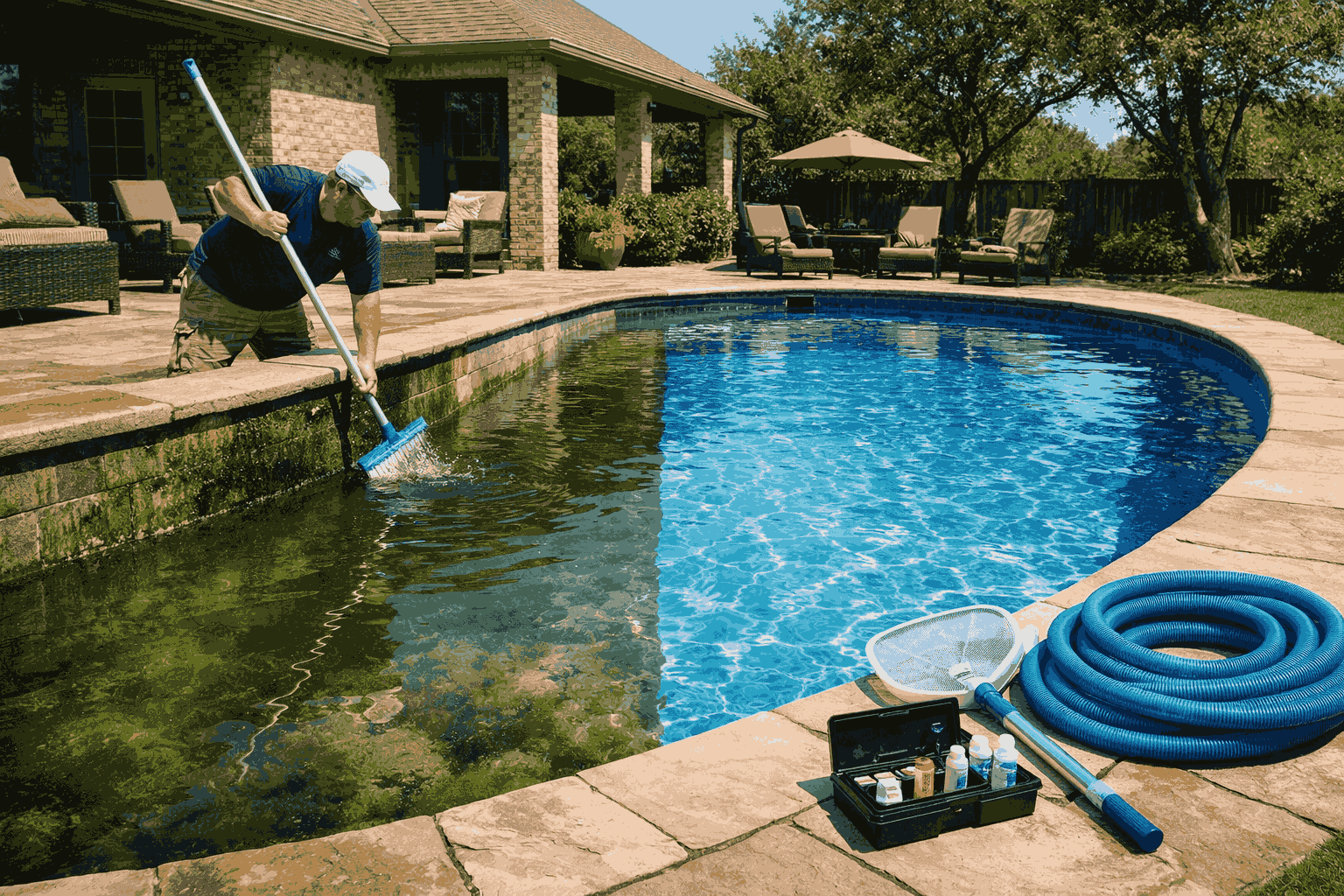
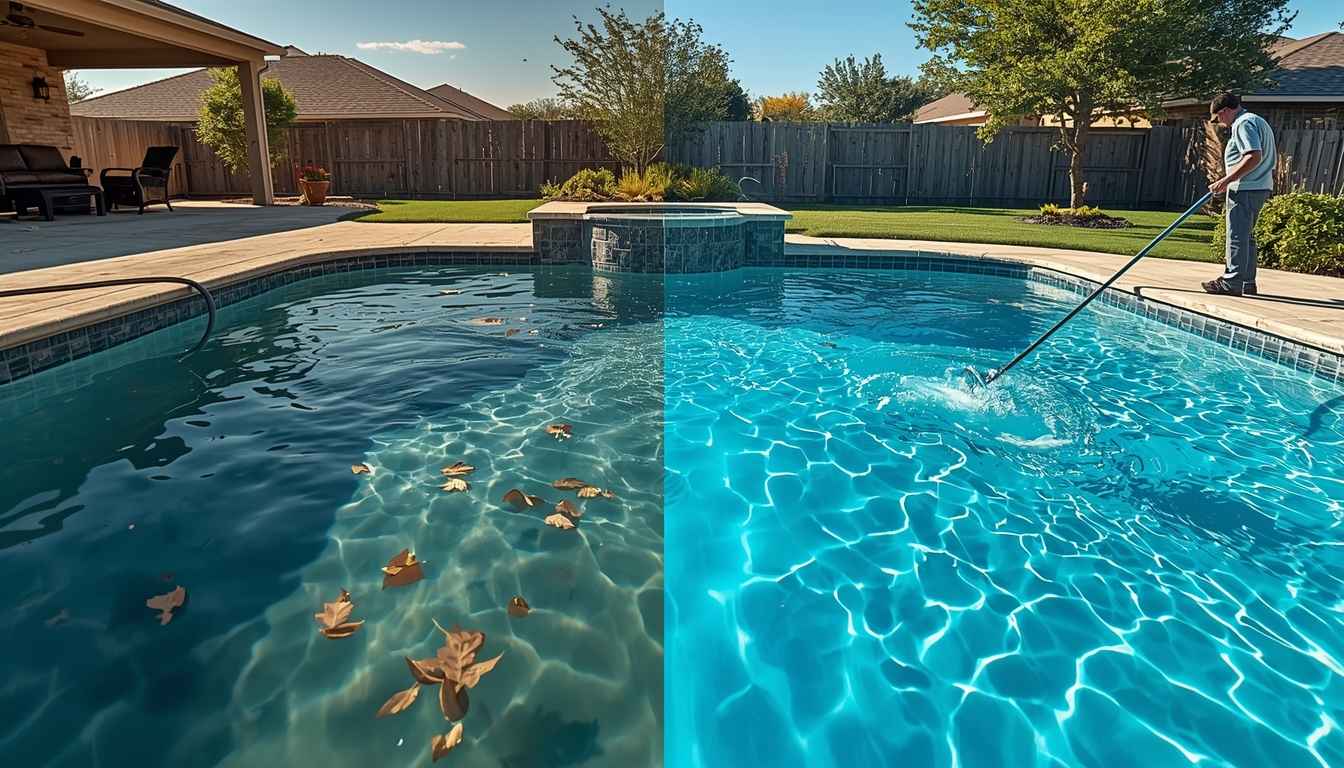
Green algae is the one most DFW pool owners deal with. It shows up as green cloudiness in the water, a green tint on the walls, or a slippery green film on surfaces. It’s caused by low chlorine, poor circulation, or filtration failure — and in Texas heat, it can appear seemingly overnight. The good news: green pool algae is the easiest type to treat. It responds well to aggressive shocking and thorough brushing. Pool algae treatment for green algae typically takes one to three days if you catch it early.
Yellow or Mustard Algae — The Stubborn One
Yellow algae is the one that makes people want to pull their hair out. It appears as a yellowish-brown film on shady walls and floor areas, and it’s resistant to normal chlorine levels. You’ll see it a lot in DFW pools surrounded by mature trees — neighborhoods in Keller, Southlake, and Plano where shade creates the perfect environment. Pool algae treatment for mustard algae takes three to seven days and usually requires a specialty algaecide because standard shocking alone won’t fully eliminate it.
Black Algae — The Worst Pool Algae You Can Get
Black algae is every pool tech’s nightmare. It appears as dark black spots embedded in the pool surface, and it has deep roots that penetrate porous gunite and plaster — making it extremely difficult to kill. Normal chlorine bounces right off its protective outer layer. You need aggressive wire brushing to break through that shell, sustained high chlorine levels, and specialty treatment to reach the roots.
Black pool algae is most common in older DFW gunite pools with rough, deteriorating surfaces. Treatment takes seven to fourteen days minimum, and professional intervention is strongly recommended. For severe cases, a full green pool recovery service may be necessary.
Pink Algae — Actually Bacteria
Pink or reddish film in corners, around fittings, and inside pipes isn’t technically algae — it’s a bacterium called Methylobacterium. But it behaves like algae and is treated similarly. It’s common in pools with poor circulation or dead spots where water stagnates. The fix: shock treatment plus a thorough pipe flush plus aggressive brushing of all affected areas. Improving circulation and filtration prevents it from coming back.
10-Step Pool Algae Treatment — How to Get Rid of Pool Algae in DFW
If you’ve got algae in pool water right now and want it gone, follow these ten steps in order.
Step 1 — Identify the algae type. Green, yellow, black, or pink? The type determines your treatment approach and how aggressive you need to be.
Step 2 — Brush all surfaces aggressively. Break up the algae colonies so the chemicals can actually reach them. Use a stainless steel brush on gunite and plaster, nylon on fiberglass or vinyl.
Step 3 — Test and lower pH to 7.2. Chlorine is dramatically more effective at lower pH. Don’t skip this step — shocking at high pH is like fighting with one hand tied behind your back.
Step 4 — Shock hard. Triple or quadruple shock for green algae using liquid chlorine. For yellow or black pool algae, add a specialty algaecide on top of the shock treatment.
Step 5 — Run the filter 24/7 until the water clears. No exceptions. Your filter is doing the heavy lifting of removing dead algae from the water.
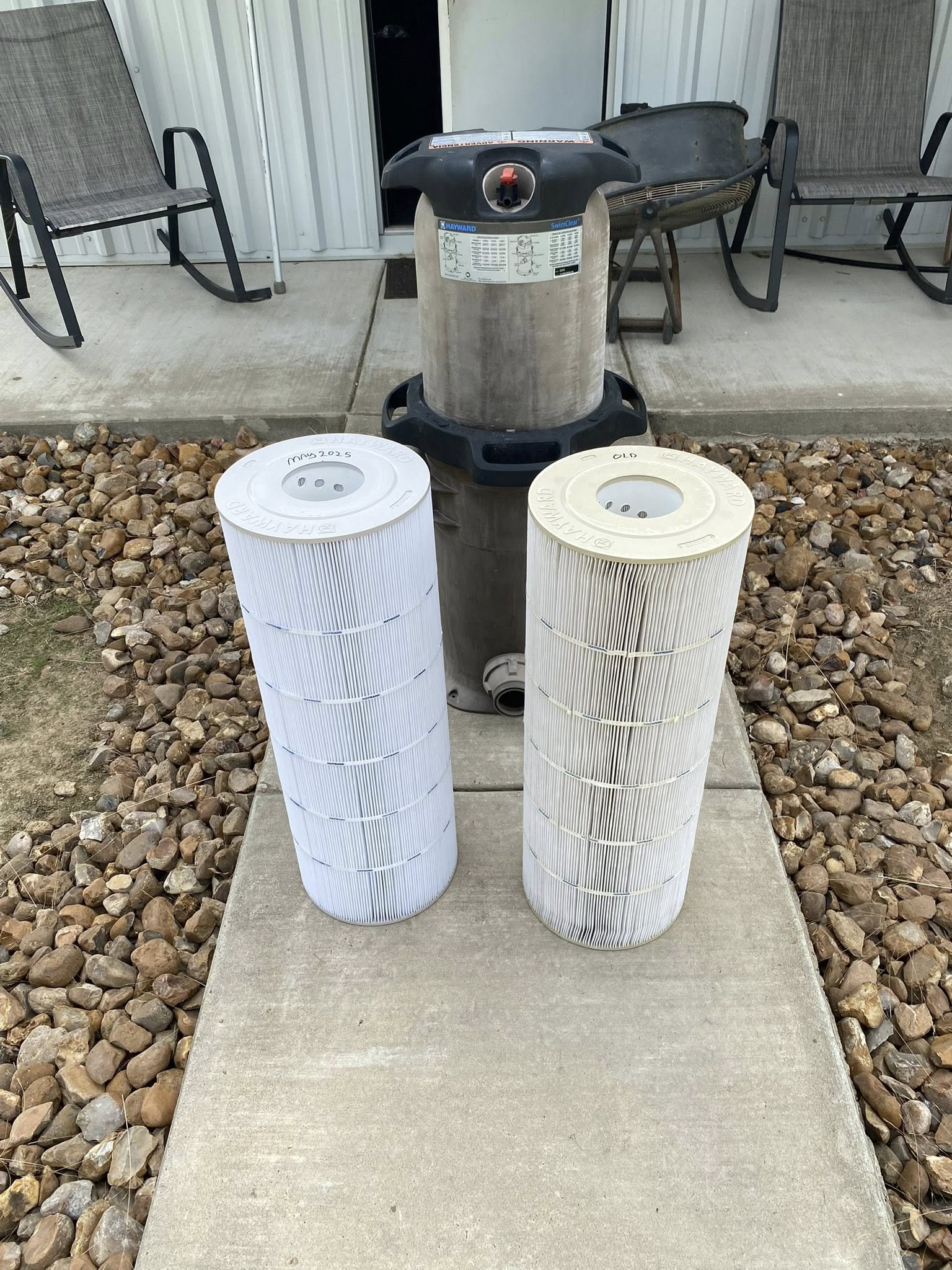
Step 6 — Clean the filter every 12 to 24 hours during treatment. It’s going to get loaded fast. A clogged filter slows the entire recovery.
Step 7 — Brush again daily until completely clear. Algae is persistent. Daily brushing prevents survivors from reestablishing.
Step 8 — Vacuum dead algae to waste. Bypass the filter and send the dead algae straight out. This prevents it from recirculating.
Step 9 — Maintain elevated chlorine for 3 to 5 days after water clears. Just because the water looks clear doesn’t mean the algae is completely dead. Keep chlorine high to finish the job.
Step 10 — Resume normal maintenance and prevent recurrence. This is where most people fail. Killing the algae is only half the battle — preventing it from coming back is the real win.
Preventing Pool Algae in North Texas — Year-Round Protocol
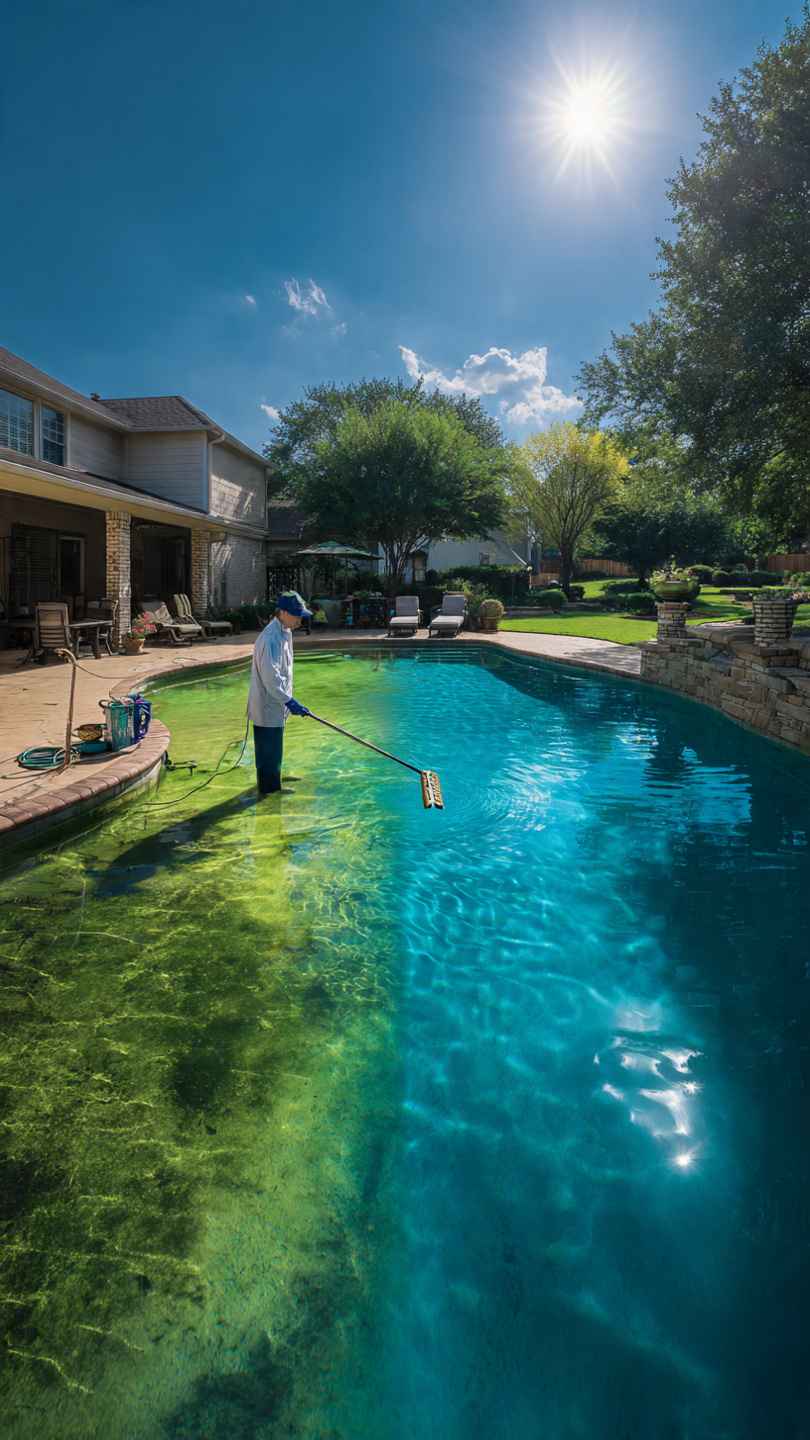

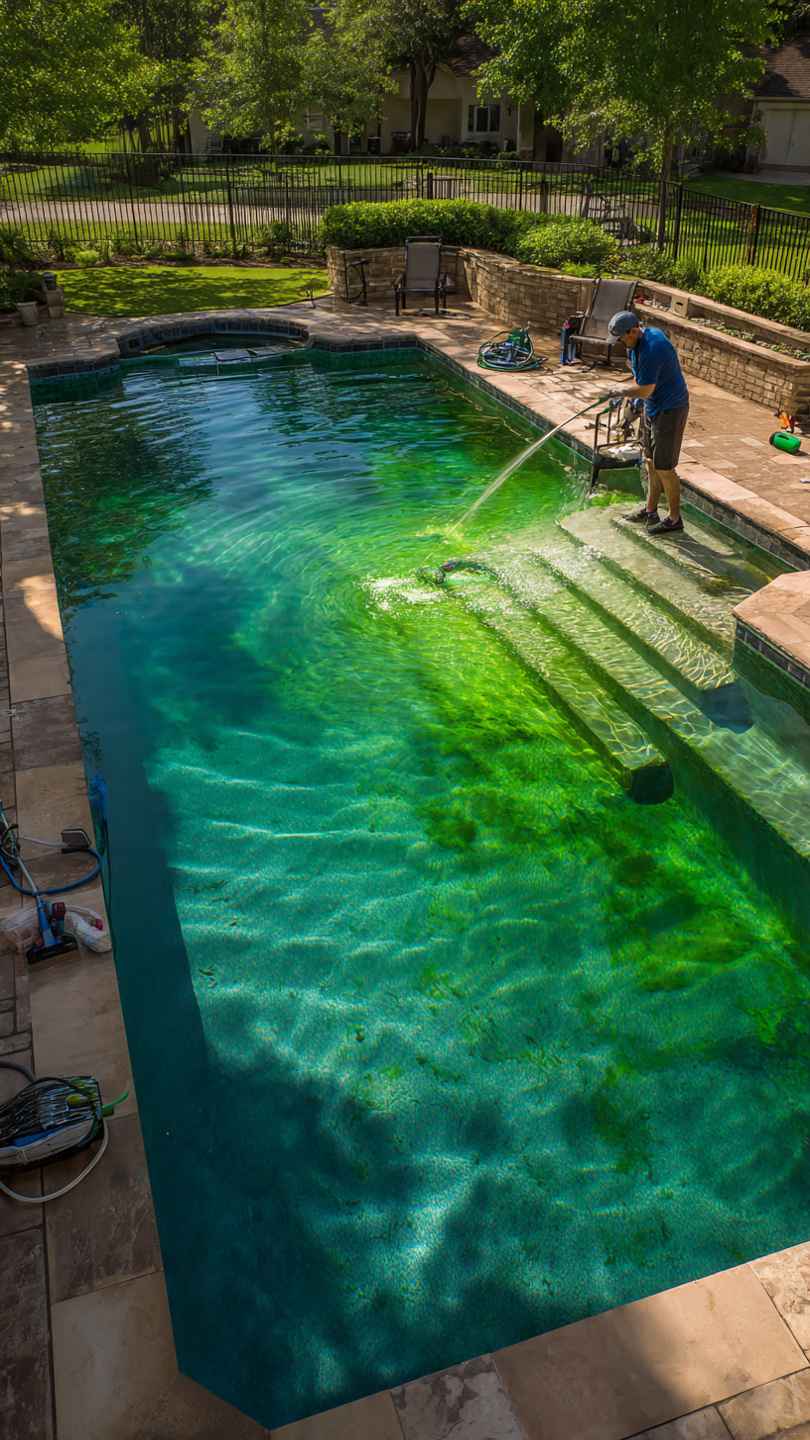
Knowing how to get rid of pool algae is important, but preventing it is better. Here’s the year-round protocol that keeps DFW pools algae-free: maintain chlorine at 2 to 4 ppm consistently — never let it drop to zero, not even for a day in summer. Brush weekly, especially gunite and plaster pools where algae anchors into the porous surface. Run your pump 10 to 12 hours in summer for proper circulation — stagnant water is algae’s best friend. Use a phosphate remover quarterly to cut off the food supply.
Apply a preventive algaecide monthly during peak season from April through October. Keep your CYA in range — overstabilized water makes chlorine ineffective against pool algae even when levels look fine on paper. And address any stagnant areas in your pool — improve circulation to steps, corners, and water features where algae likes to hide.
For a complete list of DFW-specific maintenance practices, check out our pool maintenance tips guide.
People Also Ask
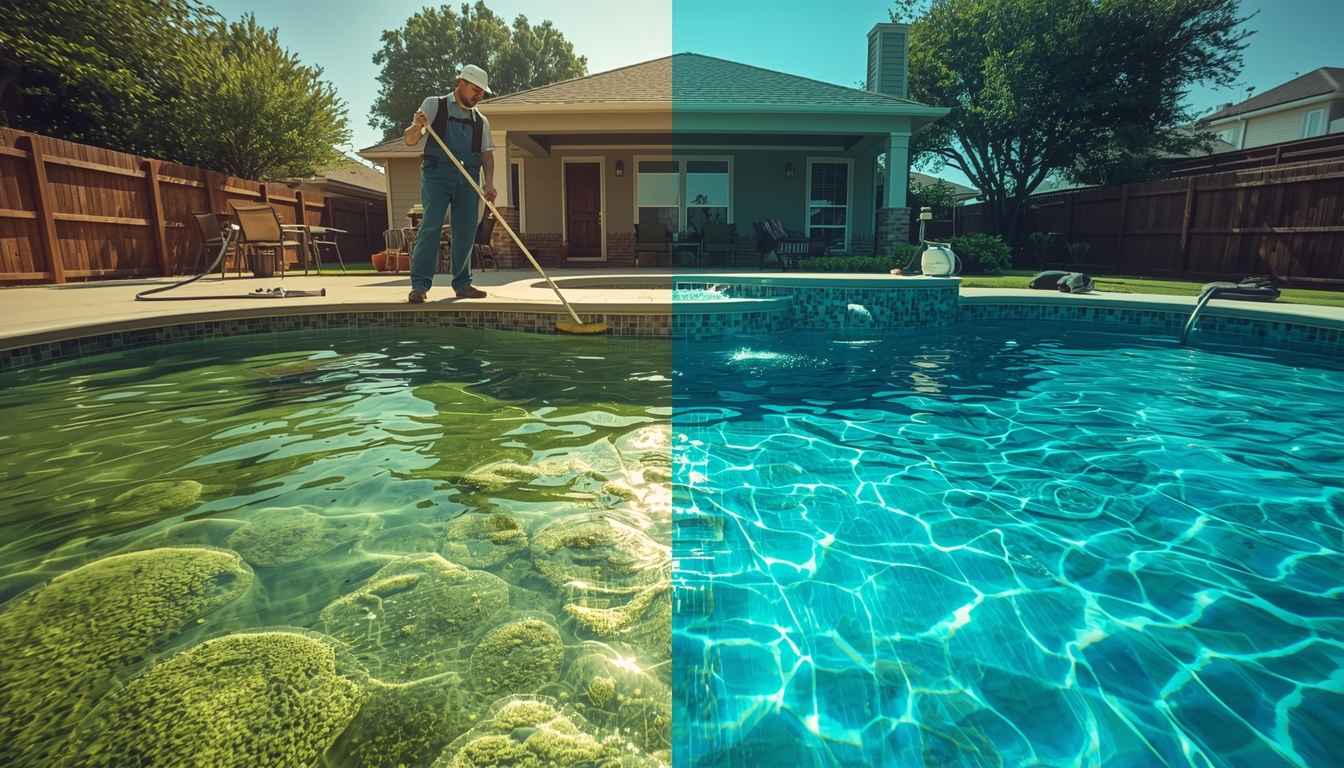
Why does my pool keep getting algae even with chlorine?
Usually it’s one of three things: your CYA is too high (making chlorine ineffective), your pump isn’t running long enough (allowing dead spots), or phosphate levels are feeding the algae faster than chlorine can kill it. High CYA is the number one hidden cause of recurring pool algae in DFW — a partial drain is the only fix for that.
What’s the fastest way to kill pool algae?
Lower pH to 7.2, triple shock with liquid chlorine, brush everything, and run the filter 24/7. For green algae, you can clear the water in 24 to 48 hours with aggressive treatment. Yellow and black pool algae treatment takes longer — three to fourteen days depending on severity.
Is it safe to swim in a pool with algae?
No. The World Health Organization recommends against swimming in water with visible algae contamination. Algae in pool water indicates low sanitizer levels, which means bacteria and pathogens may also be present. Clear the algae and confirm chemistry before anyone swims.
How do I get rid of black algae in my pool?
Black algae requires the most aggressive approach: wire brush the spots to break through the protective outer layer, apply granular chlorine directly to the spots, maintain very high free chlorine levels for seven to fourteen days, and use a specialty black algae treatment. Professional help is strongly recommended for black pool algae — it’s genuinely difficult to eliminate completely without experience.
Does Texas heat cause more algae problems?
Absolutely. Warm water, intense sun, and long summers create the perfect environment for algae growth. DFW pools fight algae seven to eight months per year compared to four to five months in cooler states. That’s why consistent professional maintenance matters more here than almost anywhere else.
Can algae damage my pool equipment?
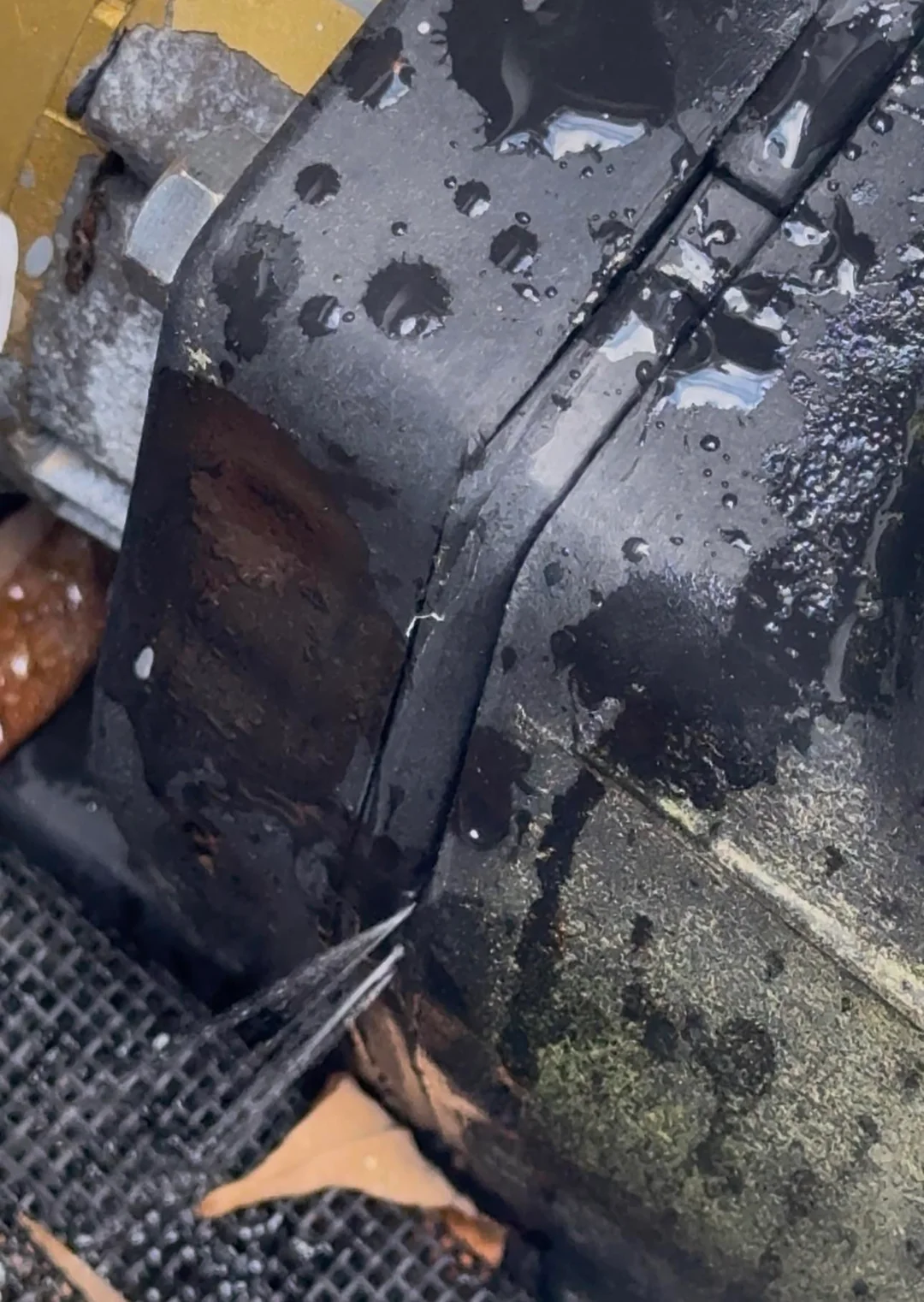
Indirectly, yes. Algae clogs filters, reduces pump efficiency, and the aggressive chemical treatment needed to kill it can accelerate wear on gaskets and seals. Preventing pool algae is far less expensive than treating it repeatedly. Your pool equipment lasts longer when algae isn’t an ongoing issue.
PoolBurg’s Pool Algae Elimination and Prevention — We Win the War Every Week
At PoolBurg, algae treatment is part of our recovery services and algae prevention is built into every single weekly maintenance visit. We monitor chlorine, brush surfaces, manage phosphates, and keep filtration optimized so pool algae never gets a foothold. And when it does show up — because North Texas makes that inevitable sometimes — we knock it out fast with targeted pool algae treatment across all 17 DFW cities we serve.
Losing the algae battle? Let PoolBurg win it for you — schedule treatment today.