A pool can look “fine” from across the yard and still feel completely wrong once your foot hits the surface. Rough patches. Mystery stains. A small pool plaster crack that somehow keeps catching your eye. That chalky white line at the tile. In Dallas-Fort Worth, pool surface repair is not just about making a swimming pool look pretty again — it is about protecting the shell, improving comfort, and keeping minor damage from becoming an expensive headache.
PoolBurg helps DFW homeowners understand when pool surface repair makes sense, when deeper concrete pool repair may be needed, and when pool resurfacing DFW homeowners search for is the smarter long-term move.
A damaged pool surface is like a warning light on your dashboard. You may still be able to drive, but ignoring it usually makes the repair bill louder.
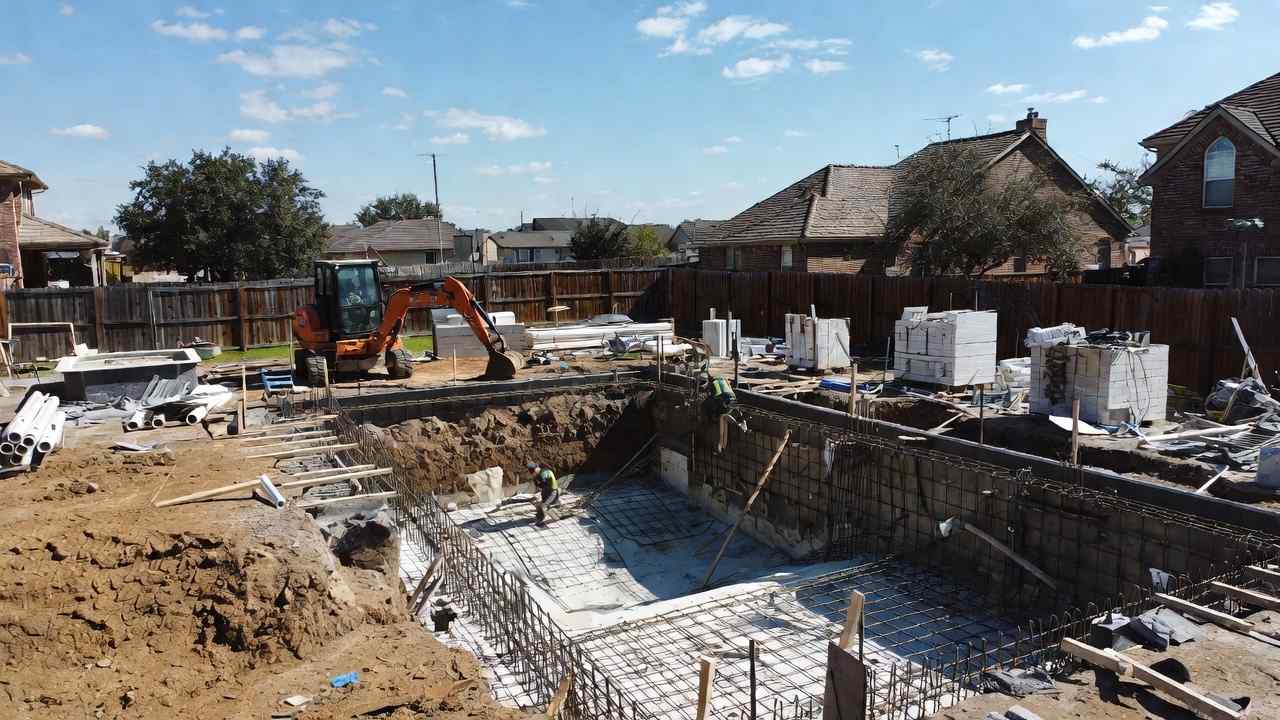
Why Pool Surface Repair Matters in Dallas-Fort Worth
North Texas pools deal with a lot: intense summer heat, shifting soil, mineral-heavy water, freeze-thaw surprises, and heavy pool use during long swim seasons. That mix can create surface wear faster than many homeowners expect.
When water chemistry gets out of balance, plaster can become etched, rough, stained, or scale-covered. The Langelier Saturation Index, often called LSI, is commonly used in the pool industry to understand whether water is likely to be corrosive, balanced, or scale-forming. Balanced water matters because corrosive water can attack plaster while scale-forming water can encourage calcium deposits. Orenda explains LSI and pool water balance in detail.
That is why pool surface repair should not be treated as cosmetic only. If your pool plaster stains, rough patches, or pool calcium buildup are tied to chemistry issues, the surface may keep getting worse until the root cause is fixed.
Common Signs You Need Pool Surface Repair
You may need pool surface repair if you notice:
- Rough plaster that scratches feet or swimsuits
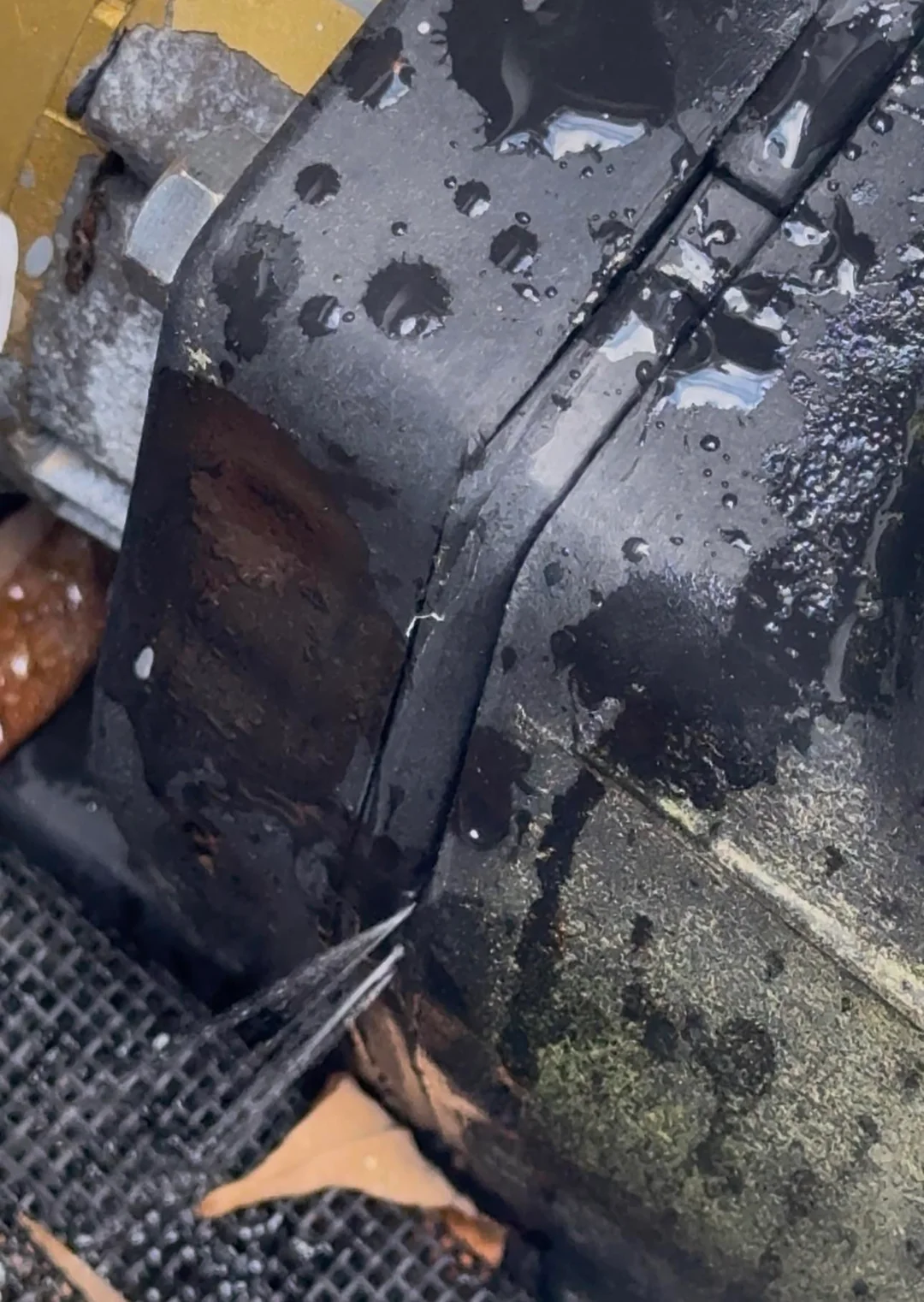
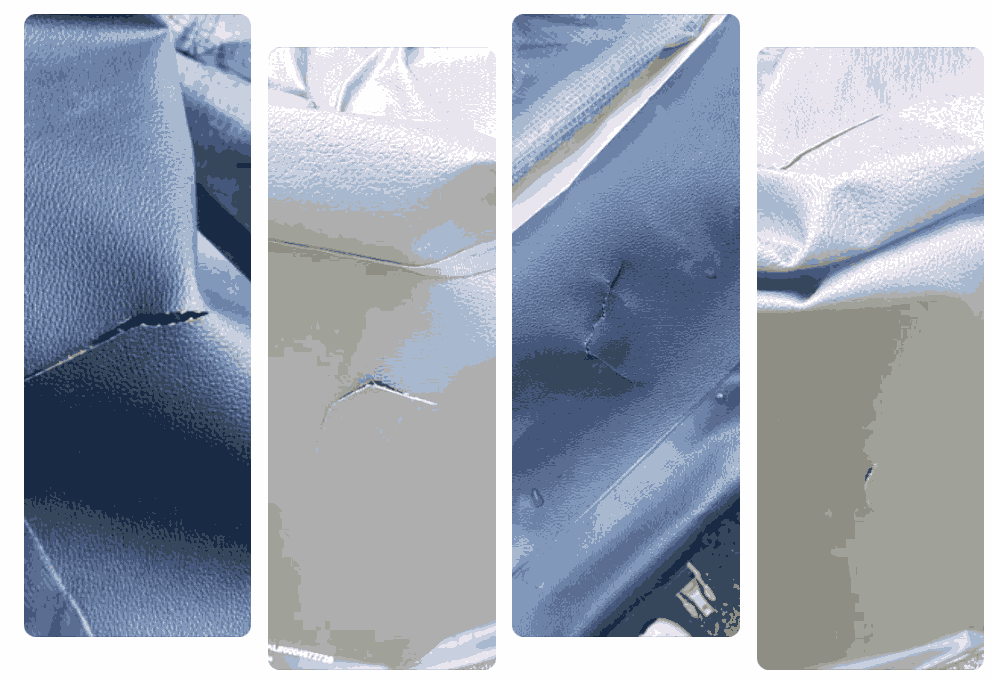
- A visible pool plaster crack on steps, benches, walls, or the floor
- Brown, gray, blue-green, or rust-colored pool plaster stains
- White crusty pool calcium buildup around tile, spillovers, or waterlines
- Flaking, chipping, or hollow-sounding plaster
- Discoloration that does not improve after normal brushing
- Exposed gunite or concrete showing through worn plaster
Some stains are surface-level. Some cracks are cosmetic. But others can point to water intrusion, movement, aging plaster, or deeper concrete pool repair needs. That is where a professional inspection from PoolBurg is worth it.
Pool Plaster Crack: Small Line or Bigger Problem?
A pool plaster crack can be annoying, but not every crack means disaster. Hairline cracks sometimes appear as plaster ages. However, if a pool plaster crack is spreading, leaking, darkening, or forming near structural areas, it needs attention fast.
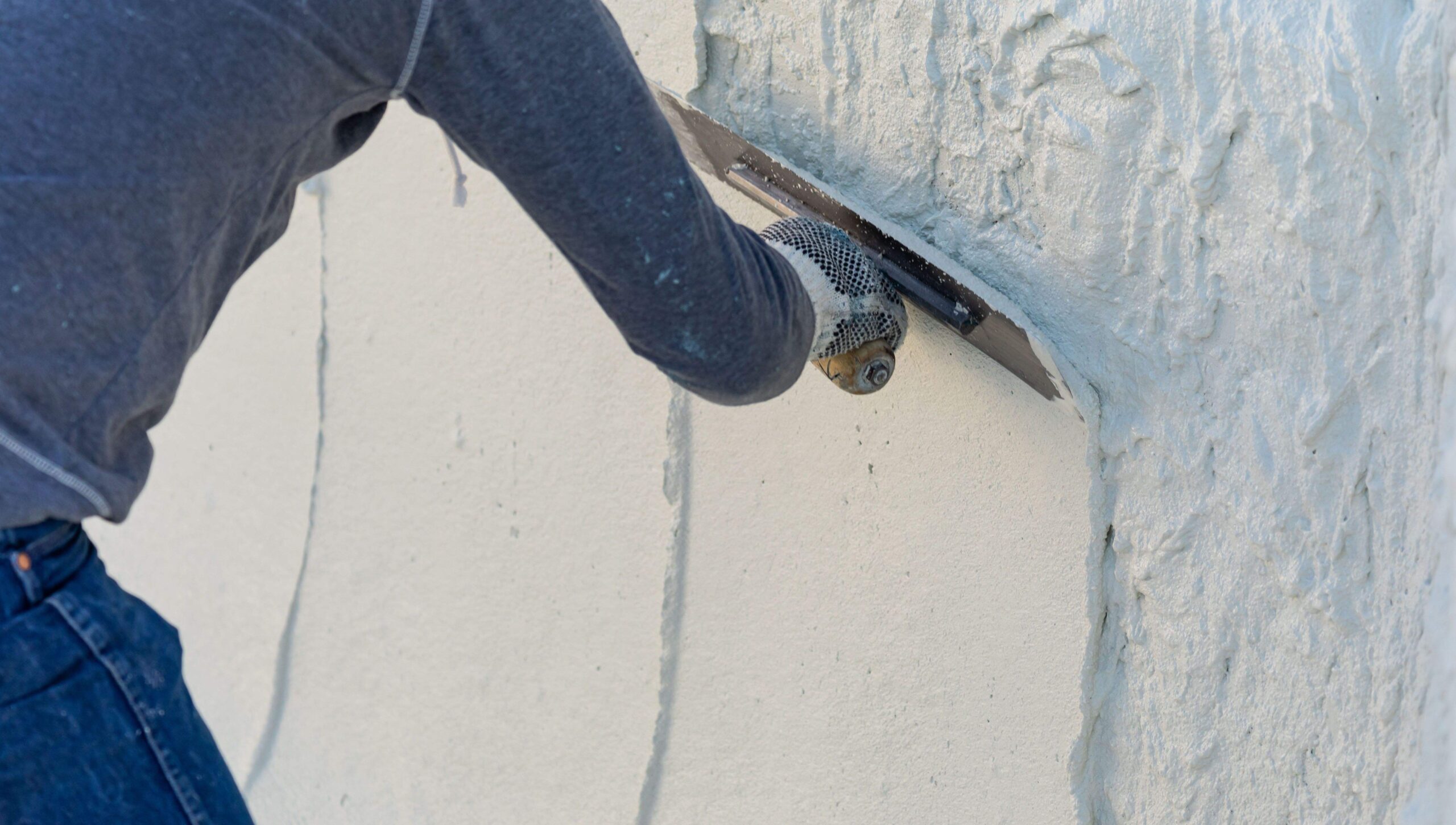
For many homeowners, pool surface repair can patch or smooth localized damage. But if the surface has multiple cracks, hollow areas, and worn plaster across the pool, pool resurfacing DFW services may be more cost-effective than chasing one repair after another.
A good rule: if the crack is isolated, pool surface repair may be enough. If the surface is failing everywhere, resurfacing may be the grown-up answer your pool has been hinting at.
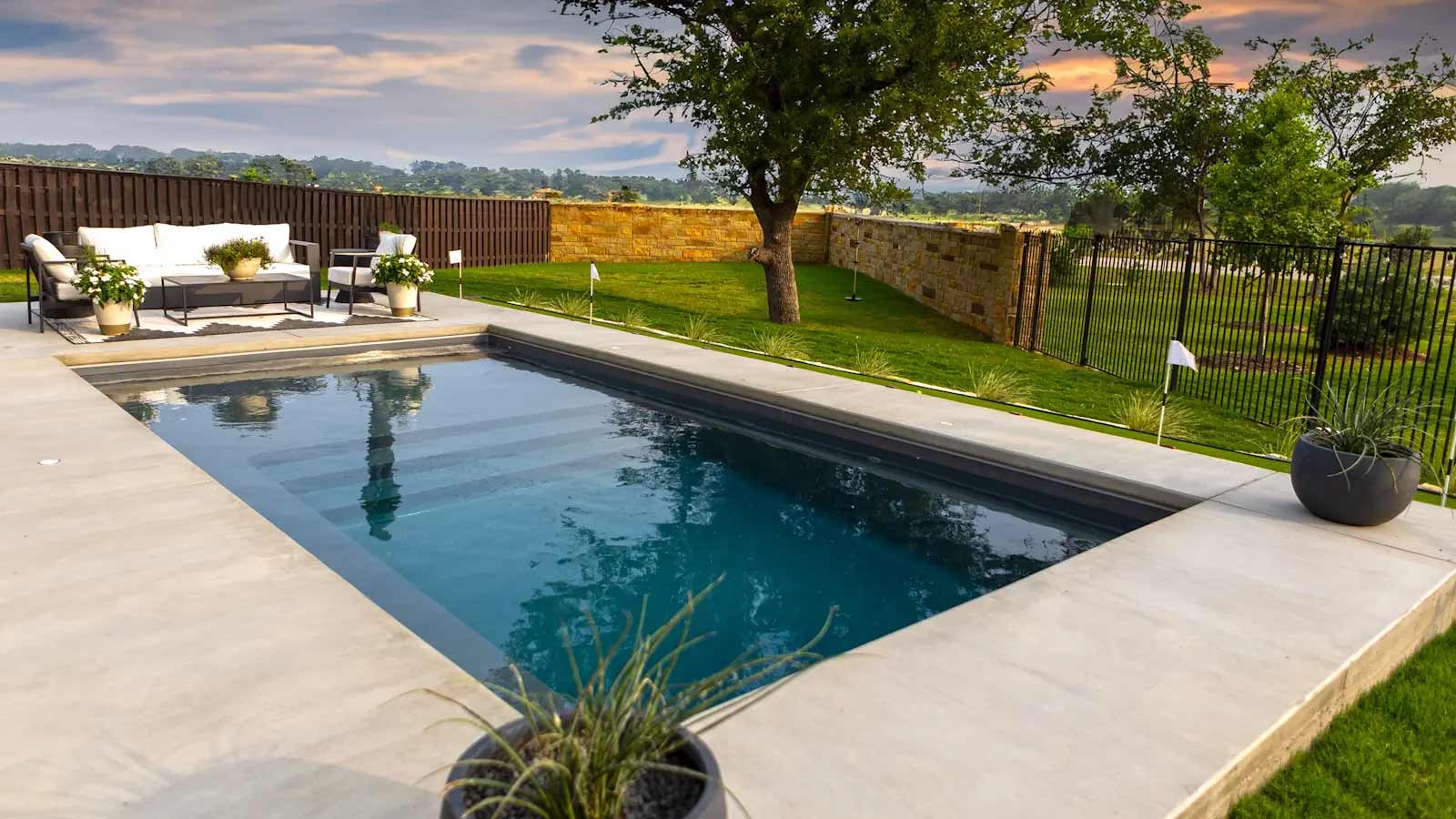
Pool Plaster Stains: What They Usually Mean
Pool plaster stains can come from several sources, including:
- Metals in the water
- Organic debris like leaves and acorns
- Rust from nearby metal objects
- Algae that settled into porous plaster
- Calcium scale trapping dirt and minerals
The tricky part is that pool plaster stains can look similar even when the cause is different. A stain caused by iron needs a different approach than organic staining. A rough calcium layer may need scale treatment rather than simple brushing.
This is why pool surface repair should begin with diagnosis. PoolBurg can help determine whether your stains need chemical treatment, spot repair, acid washing, sanding, or a larger pool resurfacing DFW plan.
Pool Calcium Buildup and Rough Surfaces
Pool calcium buildup is extremely common in DFW. You may see it as a white crust around the tile line, raised deposits on spillways, or rough patches on the pool finish.
When calcium scale forms, it can make the surface uncomfortable and dull the appearance of the entire pool. Even worse, pool calcium buildup can hide stains underneath, making the pool look older than it really is.
For mild buildup, cleaning and water chemistry correction may help. For heavier deposits, pool surface repair may involve professional scale removal, smoothing, or targeted plaster correction.
Pool water chemistry also matters for swimmer comfort and safety. The CDC recommends proper pool operation and chemical balance as part of healthy swimming practices, including maintaining disinfectant and pH levels. The CDC’s healthy swimming guidance is a useful external resource for homeowners who want to understand why pool chemistry is more than just “clear water.”
When Concrete Pool Repair Is Needed
Not every surface problem stays on the surface. Sometimes a rough area or crack is connected to deeper movement, aging materials, or structural concerns.
Concrete pool repair may be needed when you see:
- Cracks that widen over time
- Leaks near cracked plaster
- Loose coping or tile movement
- Hollow plaster across large sections
- Exposed concrete beneath worn plaster
- Cracking near steps, skimmers, or returns
In those cases, pool surface repair may only be one part of the fix. The repair may also involve leak detection, structural patching, tile work, or full resurfacing.
For equipment issues that may contribute to circulation or chemistry problems, homeowners can also explore PoolBurg’s swimming pool equipment repairs. Poor circulation can make stains, scaling, and surface wear harder to control.
Pool Surface Repair vs. Pool Resurfacing DFW Homeowners Search For
Here is the simplest way to think about it:
| Pool Condition | Best Starting Point |
|---|---|
| One small pool plaster crack | Pool surface repair |
| Light pool plaster stains | Stain diagnosis and treatment |
| Heavy pool calcium buildup | Scale removal and chemistry correction |
| Rough plaster in a few spots | Targeted pool surface repair |
| Widespread roughness or discoloration | Pool resurfacing DFW evaluation |
| Exposed concrete or failing plaster | Concrete pool repair or resurfacing |
If your pool has one or two isolated issues, pool surface repair can be a smart move. If the entire pool feels rough, looks blotchy, or keeps developing new stains, resurfacing may deliver better value.You can also review PoolBurg’s pool renovation DFW services if your surface repair is part of a bigger backyard refresh.
How PoolBurg Approaches Pool Surface Repair
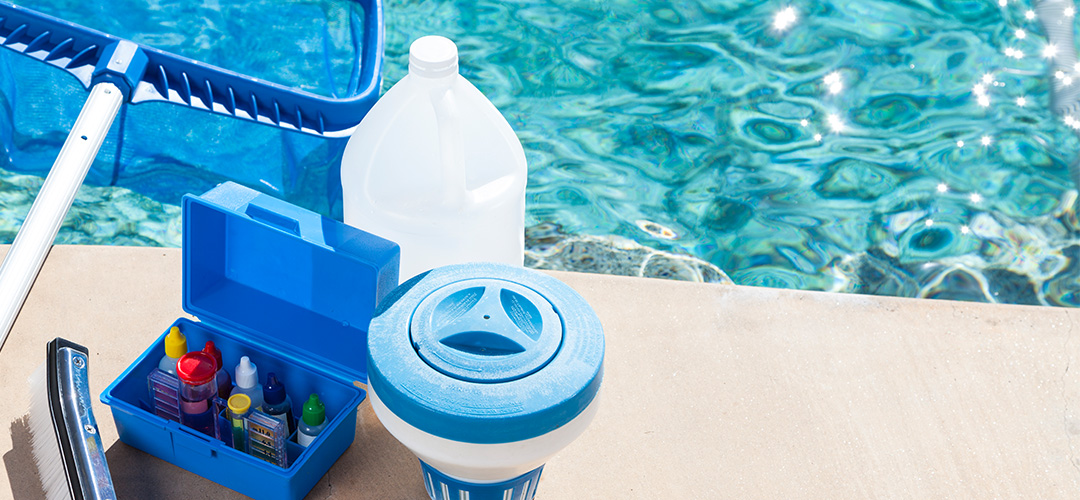
PoolBurg does not treat every pool like the same copy-paste project. A proper pool surface repair visit looks at the finish, water chemistry, age of the surface, stain type, crack pattern, calcium buildup, and overall pool condition.
The process may include:
- Inspecting the plaster, tile, coping, and visible cracks
- Identifying whether stains are organic, metallic, or scale-related
- Checking for signs of deeper concrete pool repair needs
- Recommending spot repair, cleaning, resurfacing, or renovation
- Helping homeowners prevent the same damage from returning
That last part matters. Good pool surface repair is not only about fixing what is visible today. It is about helping the surface last longer tomorrow.
Can You DIY Pool Surface Repair?
Some minor pool plaster stains or light pool calcium buildup can be improved with homeowner maintenance. But DIY repairs can go sideways quickly if the wrong product is used, the surface is already weak, or water chemistry is ignored.
DIY patch kits may hide a small blemish, but they rarely solve deeper causes. If your pool plaster crack keeps returning, if stains spread, or if rough plaster is becoming uncomfortable, professional pool surface repair is the safer move.
Final Thoughts: Do Not Wait Until the Pool Looks Tired
A beautiful pool should feel smooth, clean, and inviting. If yours has rough plaster, pool plaster stains, pool calcium buildup, or a suspicious pool plaster crack, the best time to act is before the issue spreads.
PoolBurg provides pool surface repair guidance for Dallas-Fort Worth homeowners who want honest answers, practical repair options, and a pool that feels good again. Whether you need targeted pool surface repair, deeper concrete pool repair, or pool resurfacing DFW support, the right inspection can save you from guessing. Ready to get your pool surface checked? Reach out to PoolBurg and ask about pool surface repair options for your DFW pool.