Why Pool Filter Maintenance Is Critical
Your pool filter does the heavy lifting that most people never think about. It’s quietly trapping dirt, pollen, dust, and microscopic junk every single day so your water stays clear. And in North Texas, it works harder than filters in most parts of the country. Between the spring pollen dumps, construction dust from all the new builds in Collin County, and our naturally hard water loaded with calcium, filters around here take a beating.
When you neglect your filter, everything downstream suffers. Water gets cloudy even though your chemicals test fine. Your pump strains to push water through a clogged filter, which drives up your electric bill and shortens the motor’s life. And in the worst case, a completely blocked filter can cause pressure buildup that damages the tank or plumbing. Pool filter maintenance isn’t glamorous, but it’s one of the most important things you can do for your pool.
Types of Pool Filters and How to Maintain Each
Sand Filters
Sand filters are the workhorse of the pool world — simple, durable, and low-maintenance. They trap particles down to about 20 to 40 microns. Maintenance is mostly about backwashing, which you should do when the pressure gauge reads 8 to 10 PSI above your normal operating pressure. During heavy use or after storms, that might be every week or two. The sand itself lasts about 3 to 5 years before it gets too smooth to filter effectively and needs replacing. The filter tank can last 10 to 20 years with proper care.
Cartridge Filters
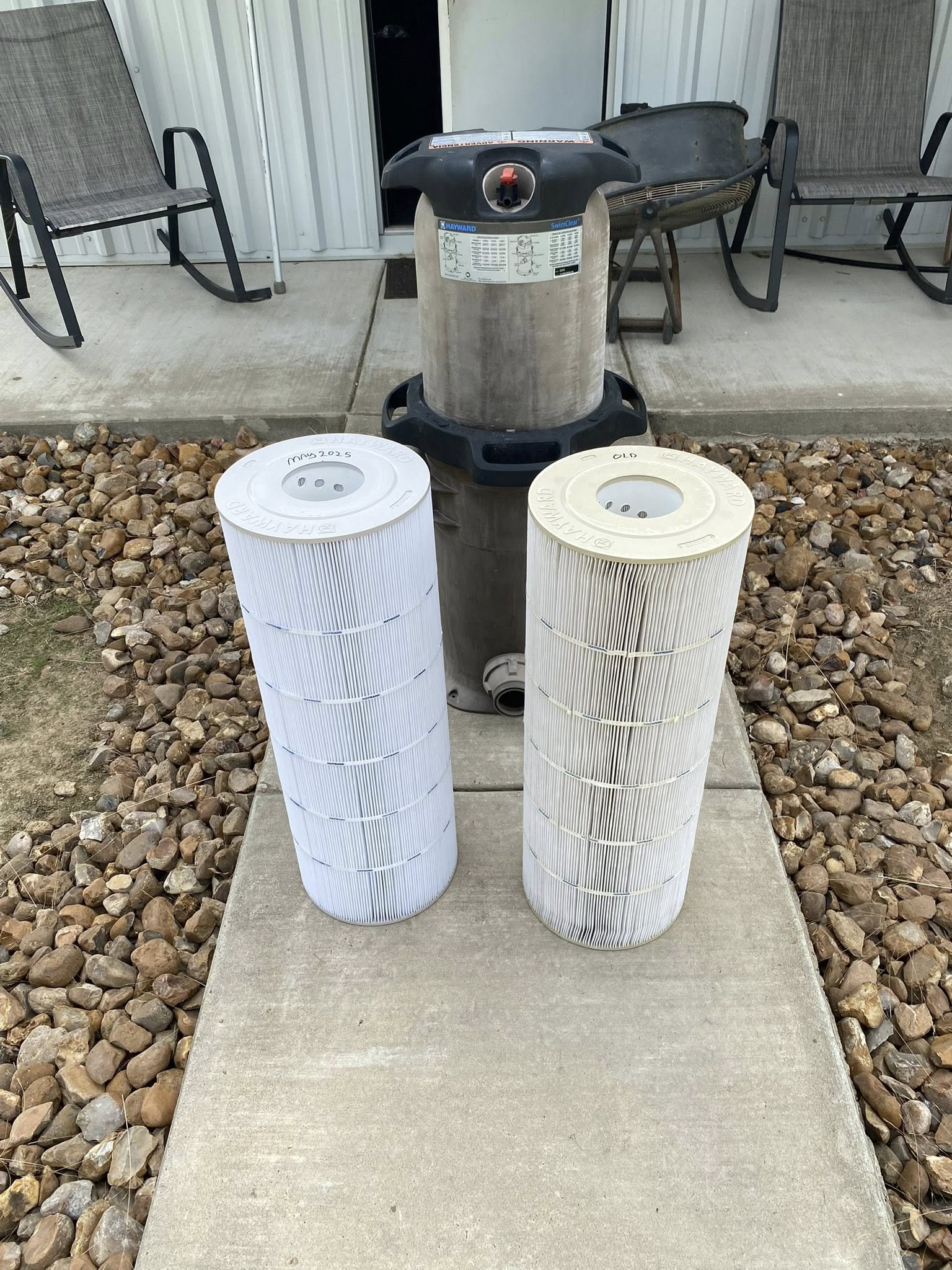
Cartridge filters use pleated fabric to catch finer particles — down to 10 to 15 microns — and they don’t require backwashing, which means less water waste. You’ll want to pull the cartridge out and rinse it with a hose every 2 to 6 weeks depending on how much debris your pool collects. A deeper soak in filter cleaner every few months helps dissolve oils and stubborn buildup. Cartridges typically last 1 to 3 years before they need replacing, though in our dusty DFW environment, closer to 1 to 2 years is more realistic for most pools.
DE (Diatomaceous Earth) Filters
DE filters offer the finest filtration available — catching particles as small as 2 to 5 microns. They use a powder made from fossilized algae that coats internal grids. You’ll need to backwash monthly and add fresh DE powder each time. The grids themselves should be pulled out and inspected every six months for tears or damage. DE filters deliver incredible water clarity, but they’re the most hands-on to maintain. The grids typically last 5 to 8 years with proper care.
Signs Your Pool Filter Needs Attention


High Pressure Gauge Readings
Every pool filter has a pressure gauge on top. You should know your normal operating pressure — write it down when the filter is clean. When the reading climbs 8 to 10 PSI above that baseline, your filter is telling you it’s clogged and needs cleaning. Ignoring a high pressure reading forces your pump to work overtime and can crack fittings or damage the filter tank.
Cloudy or Green Water Despite Proper Chemical Levels
This is the frustrating one. You test the water, everything reads right, but it still looks hazy or slightly green. That usually means your filter isn’t catching what it should. The media could be worn out, the cartridge might be past its useful life, or there’s a bypass issue where water is flowing around the filter instead of through it.
Reduced Water Flow and Circulation
If the jets in your pool feel weaker than usual or the water just isn’t moving like it should, a dirty or failing filter is often the culprit. Reduced flow means poor circulation, which means chemicals aren’t distributing evenly and dead spots develop where algae loves to grow.
Visible Damage to Cartridges or Grids
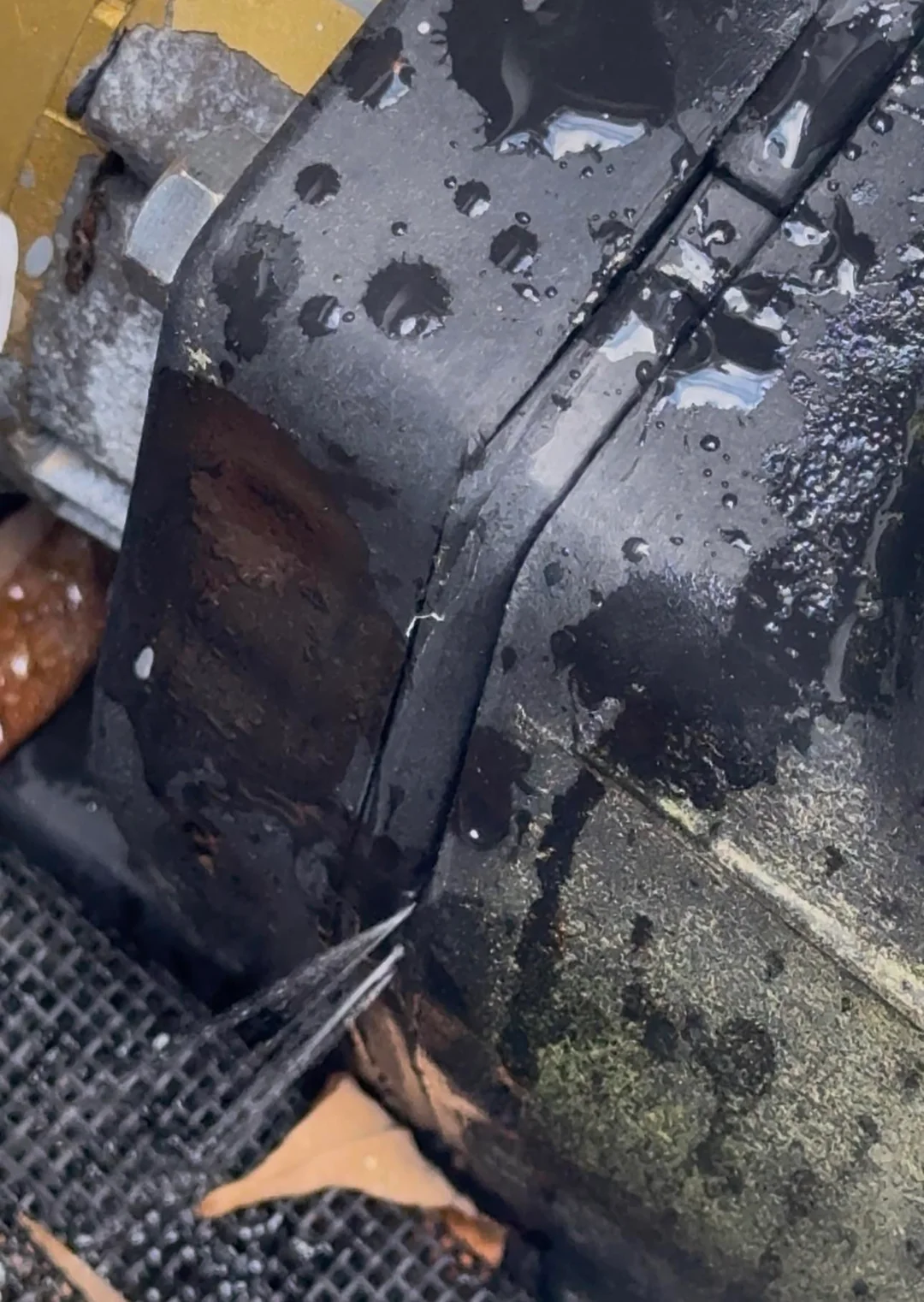
When you pull your cartridge or DE grids out for cleaning and you see tears, collapsed pleats, holes, or cracks — that filter element is done. No amount of cleaning will fix physical damage. Continuing to run a damaged filter is basically running no filter at all.
Pool Filter Maintenance Schedule for Texas Pools
Here’s a practical schedule for North Texas conditions. Weekly: check the pressure gauge and empty skimmer/pump baskets so debris doesn’t overload your filter. Monthly: backwash sand and DE filters when pressure rises, rinse cartridge filters. Every 3 to 6 months: do a deep clean — soak cartridges in cleaning solution, inspect DE grids, or use a sand filter cleaner to break down oil and organic buildup. Annually: have a professional inspect the entire filter system, check for wear, and assess whether the media needs replacing. Following this schedule in our DFW climate will get the most life out of your filter and keep your water consistently clear.
Common Filter Problems Caused by North Texas Hard Water
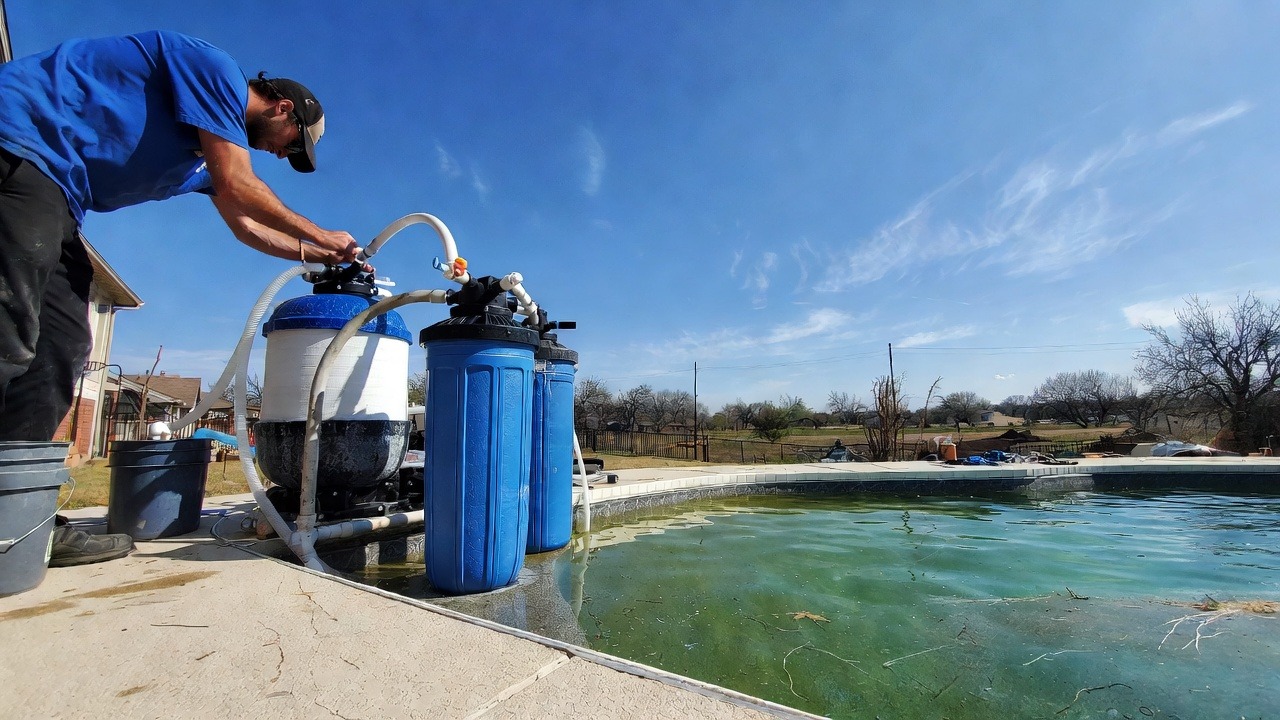
This is the part that’s specific to living here. Our water is full of calcium and magnesium from the limestone-rich soil, and that mineral content deposits itself inside your filter. Calcium scale builds up on cartridge pleats, coats sand grains, and crusts onto DE grids. Over time, it reduces filtration efficiency and shortens the life of whatever media you’re running. The fix is regular acid soaking for cartridges, using a scale-prevention additive in your water, and staying on top of your calcium hardness levels during chemical testing. If you’re not accounting for hard water in your pool filter maintenance routine, you’re replacing parts more often than you should be.
People Also Ask
How often should I clean my pool filter in Texas?
More often than in most states, honestly. The heat, pollen, and dust in DFW mean your filter works harder. Cartridge filters should be rinsed every 2 to 4 weeks during swim season. Sand and DE filters need backwashing whenever pressure rises 8 to 10 PSI above normal, which could be every 1 to 4 weeks depending on conditions. Deep cleans every 3 to 6 months round things out.

How long do pool filters last?
The filter tank itself can last 10 to 20 years. The media inside is what you’re replacing more often. Sand lasts 3 to 5 years, cartridges 1 to 3 years, and DE grids 5 to 8 years. In North Texas’s harsher conditions, you’ll likely land on the shorter end of those ranges unless you’re really diligent about maintenance.
Can a dirty filter damage my pool pump?
Absolutely. A clogged filter restricts water flow, which forces your pump to work harder. That extra strain increases heat buildup in the motor, accelerates bearing wear, and can eventually burn the motor out entirely. A $20 cartridge rinse today can save you a $600 pump motor replacement tomorrow. They’re directly connected.
Should I clean or replace my pool filter cartridge?
If the cartridge is physically intact — no tears, no collapsed pleats, no cracks — and cleaning still restores good water flow, keep cleaning it. But once you notice that cleanings aren’t improving flow anymore, the water stays hazy between cleanings, or you’re cleaning it every couple of weeks instead of every month, it’s time to replace. Don’t throw money at a cartridge that’s past its useful life.
PoolBurg’s Filter Maintenance and Replacement Services
We service all three filter types — sand, cartridge, and DE. Whether it’s a routine cleaning, a media replacement, or diagnosing why your water won’t clear up, our technicians handle it. We’ll always give you an honest recommendation on whether your filter needs cleaning, repair, or replacement. No upselling, just straight answers. We serve Frisco, Plano, McKinney, Allen, Prosper, The Colony, and 17 cities across North Texas.
Not sure if your filter’s doing its job?
Book a free equipment check — we’ll tell you exactly where you stand
Visit poolburg.com or call us today.