Pool water conservation is a real concern for DFW pool owners — and it should be. North Texas has experienced multiple drought stages and water restrictions, and a standard DFW pool evaporates 15,000 to 25,000 gallons per year. Pool owners face scrutiny during droughts, and rightfully so. But here’s what most people don’t realize: with smart management, you can save water pool loss dramatically without sacrificing your swimming experience. Understanding pool water restrictions DFW cities enforce and reducing water loss — not water use — is what responsible pool ownership looks like. Here are 10 changes that make a massive difference.
How DFW Pools Lose Water
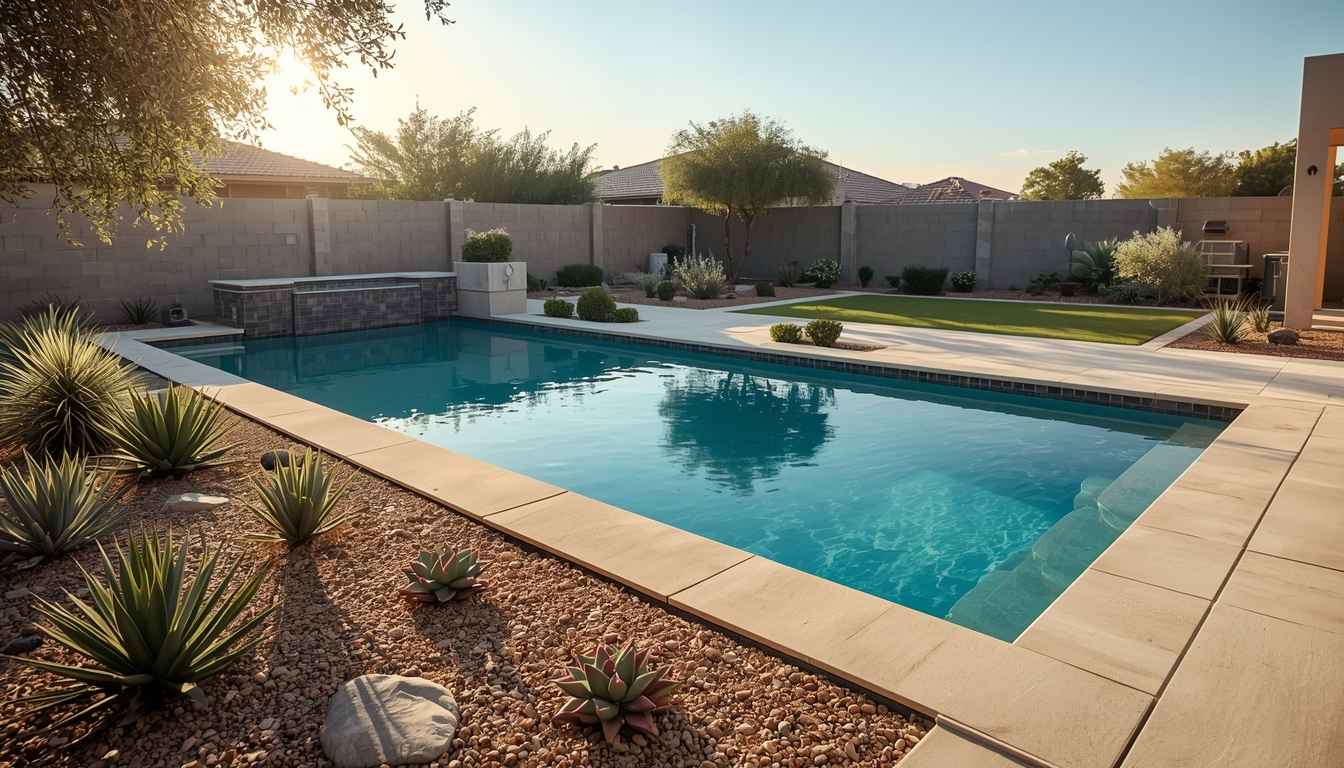
Evaporation accounts for 80 to 90% of total pool water loss. In DFW summer heat, pools lose 1 to 2 inches per week — that’s 15,000 to 25,000 gallons annually from evaporation alone. Splash-out during heavy use adds 50 to 200 gallons per day. Backwashing sand and DE filters uses 200 to 500 gallons per cycle. Leaks are the silent killer — a 1-inch-per-day leak wastes approximately 500 gallons daily, or 15,000 gallons per month. And periodic drain-and-refill events use 15,000 to 30,000 gallons every 3 to 5 years.
The North Texas Municipal Water District tracks regional water supply levels and publishes conservation guidelines that every DFW pool owner should follow. Our leak detection guide covers how to determine whether water loss is evaporation or a leak.
Pool Water Restrictions DFW — What Each Stage Means
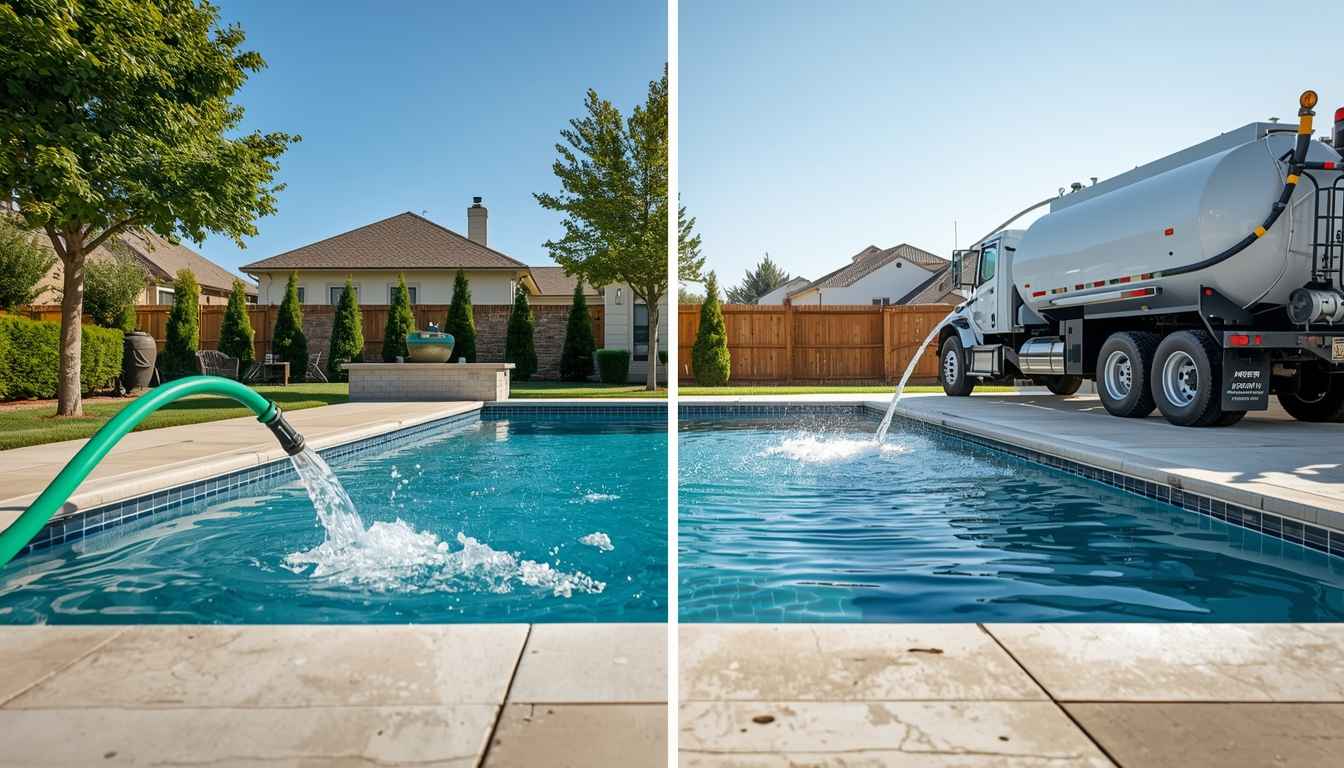
Stage 1 is voluntary conservation — pool filling is typically allowed but conservation is encouraged. Stage 2 is mandatory — restrictions vary by city, topping off is usually permitted, but new fills may require authorization. Stage 3 is severe — pool filling may be prohibited entirely, and water truck delivery may be the only option. Every DFW city has its own specific rules for pool water restrictions DFW homeowners must follow. Always check your city’s current water restriction status before filling or topping off. The North Central Texas Council of Governments coordinates regional water planning and links to every city’s current restriction level.
10 Ways to Save Water Pool Owners Should Start Today
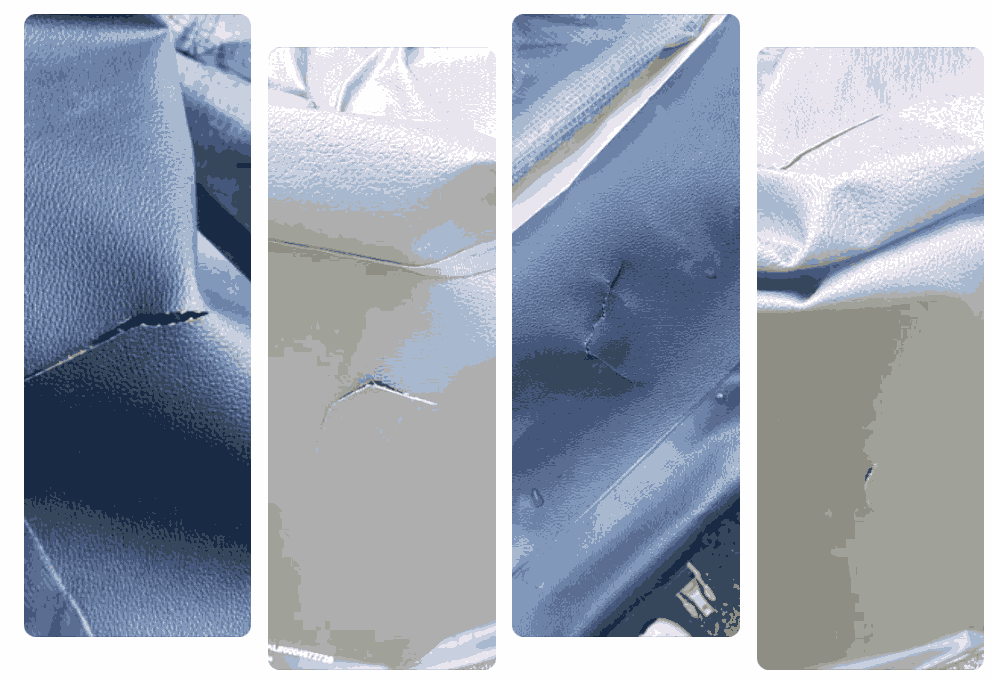
1. Use a pool cover. The single most effective pool water conservation step. A cover reduces evaporation by 70 to 90%, saving 10,000 to 22,000 gallons per year. A basic solar cover costs $50 to $200. The U.S. Department of Energy ranks pool covers as the number one water and energy conservation tool for residential pools.
2. Lower water temperature. Warmer water evaporates faster. Reducing your target temperature by 2 to 3°F during drought periods noticeably reduces evaporation without significantly affecting comfort.
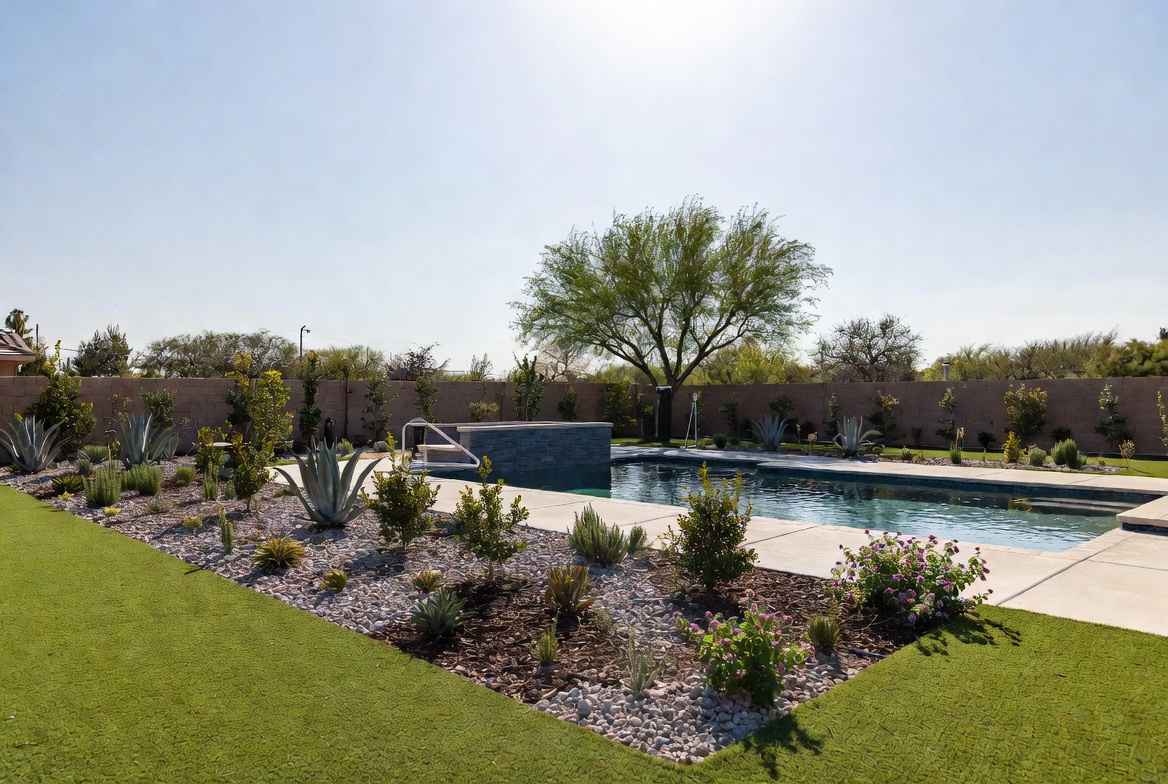
3. Reduce water feature operating time. Waterfalls, bubblers, and spillovers dramatically increase surface area exposed to air, accelerating evaporation. Run them for enjoyment, not 24/7. Our energy savings guide covers how scheduling water features reduces both water and energy costs.4. Use windbreaks. Fencing, hedges, or screens on the windward side of the pool reduce wind across the water surface. Wind is a major evaporation accelerator in DFW. Our landscaping guide covers windbreak placement for DFW’s prevailing south and southwest winds.

5. Maintain proper water level. Overfilling leads to splash-out waste. Keep the water at the middle of the skimmer opening — not overflowing.
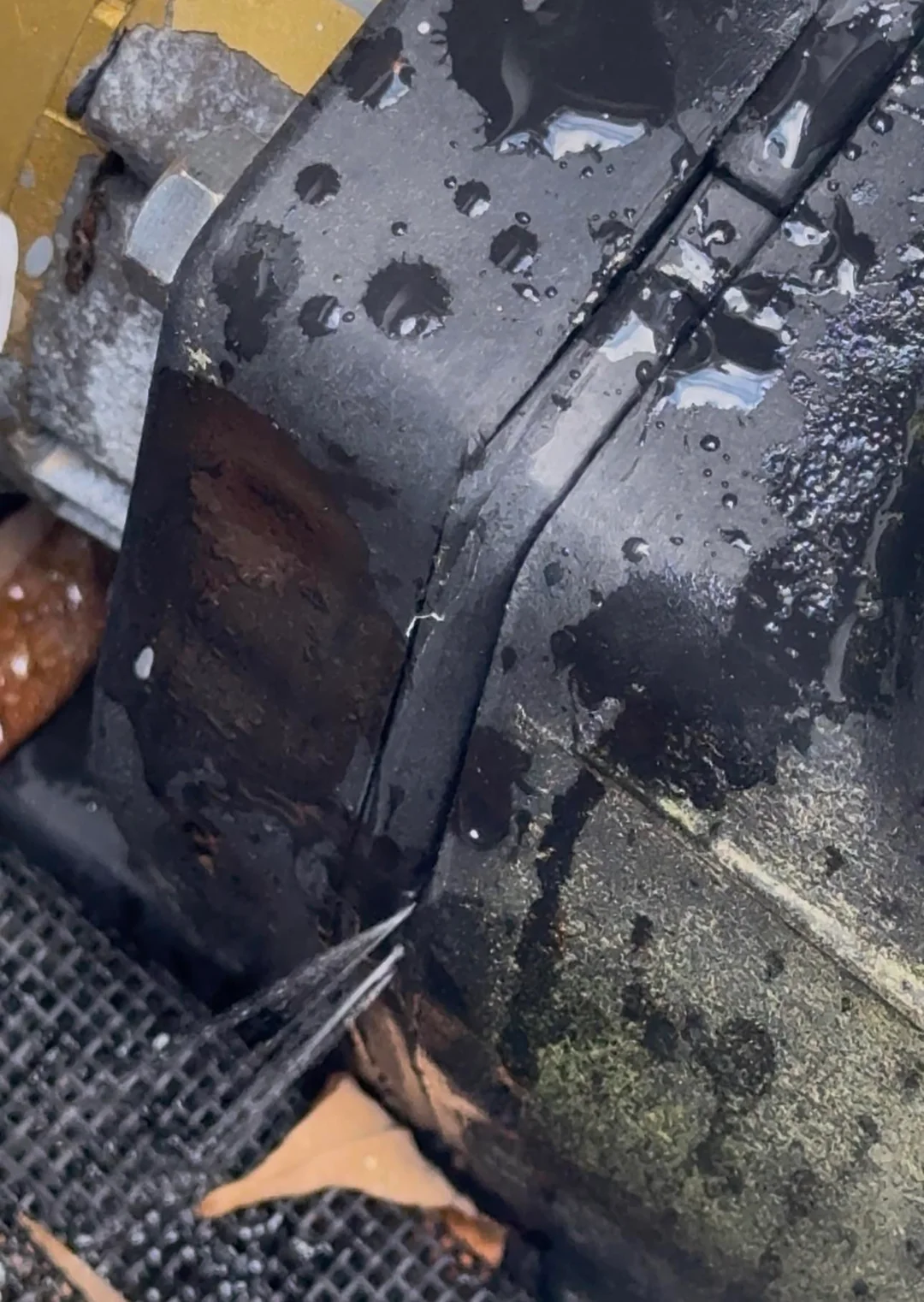
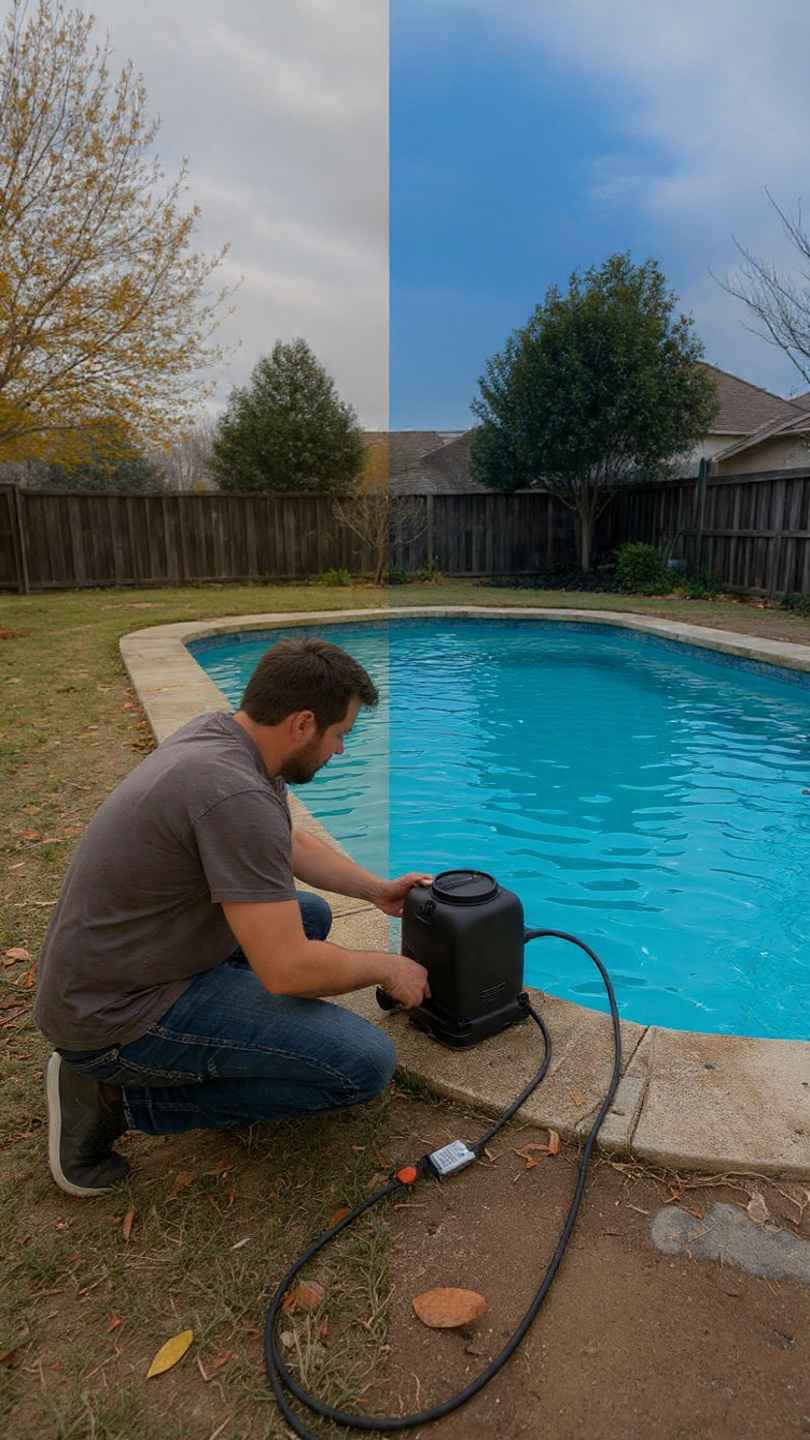
6. Fix leaks immediately. Don’t assume water loss is evaporation. Do a bucket test to confirm. A small leak wastes far more water than evaporation. According to the Pool & Hot Tub Alliance, undetected leaks are the largest preventable source of water waste in residential pools.
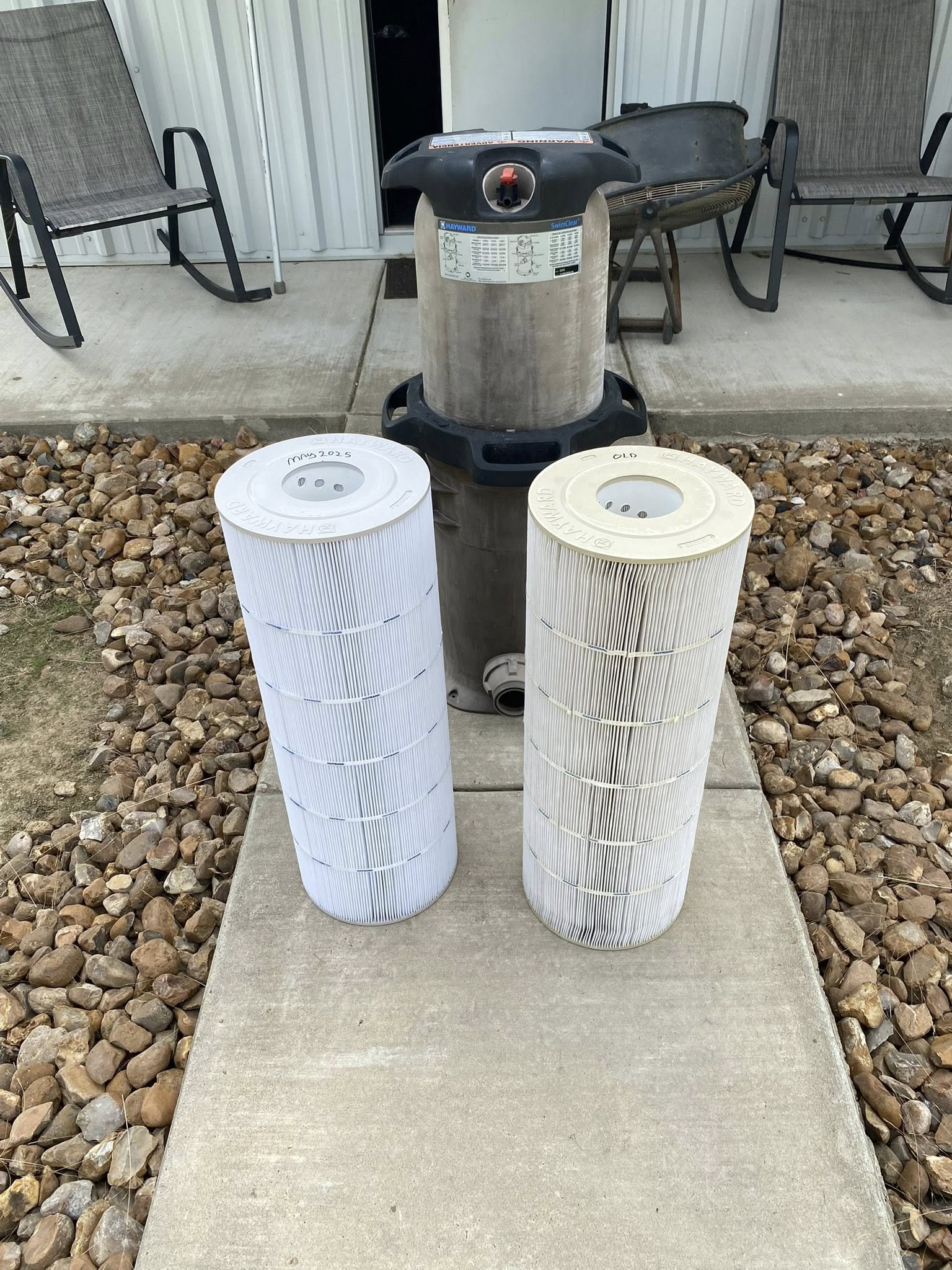
7. Switch from sand or DE to a cartridge filter. Eliminates backwashing entirely, saving 5,000 to 25,000 gallons per year depending on backwash frequency. Our cartridge filter guide covers maintenance for cartridge systems.
8. Minimize drain-and-refill frequency. Use liquid chlorine instead of tablets to prevent CYA buildup — that’s the main reason pools need draining. Our shock treatment guide explains why liquid chlorine is the best choice for DFW pool water conservation.
9. Use a pre-filter when filling. A hose-end filter removes some minerals before they enter the pool, reducing hard water buildup and extending the time between drains.
10. Consider rainwater harvesting. Where permitted, collecting roof runoff for pool topping is free water that reduces your municipal consumption. Check local regulations before installing. According to HomeAdvisor’s pool data, DFW homeowners implementing multiple pool water conservation strategies reduce annual water loss by 40 to 60% compared to unmanaged pools.
Can You Own a Pool Responsibly During a Drought?
Absolutely. A covered pool with no leaks uses less water per year than many common household activities. Pool water circulates in a closed system — it doesn’t go down the drain daily. Draining and abandoning a pool actually wastes more water than maintaining it, because a new fill later uses 15,000 to 30,000 gallons all at once. The responsible approach is to save water pool loss through smart management, not to stop using the pool. The CDC supports year-round pool maintenance as the most water-efficient approach because it prevents the massive water events that come from neglect-and-recovery cycles.
People Also Ask
Can I fill my pool during water restrictions in DFW?
Depends on the restriction stage and your city. Stage 1 typically allows it. Stage 2 may require authorization. Stage 3 may prohibit it. Always check your specific city’s current pool water restrictions DFW status before filling.
How much water does a pool lose to evaporation in Texas?
15,000 to 25,000 gallons per year in DFW, primarily during summer. That’s 1 to 2 inches per week in peak heat. A pool cover reduces this by 70 to 90%.
Do pool covers really save water?
Yes — dramatically. A cover reduces evaporation by 70 to 90%, saving 10,000 to 22,000 gallons annually. It’s the single most effective pool water conservation tool available.
Is it wasteful to own a pool in a drought?
Not with proper management. A covered, leak-free, professionally maintained pool uses less water annually than many assume. The key is reducing loss through covers, leak repair, and smart chemical choices — not eliminating the pool.
How can I reduce my pool’s water consumption?
Cover the pool when not in use, fix leaks immediately, reduce water feature run time, switch to a cartridge filter to eliminate backwashing, and use liquid chlorine to reduce drain frequency. These 10 changes save thousands of gallons per year. Our maintenance services include water-conscious practices as standard.
PoolBurg Practices Water-Conscious Pool Maintenance
Liquid chlorine to reduce drain frequency, leak monitoring at every visit, cover recommendations, and cartridge filter guidance. Pool water conservation is built into how we service every DFW pool. Contact PoolBurg for water-saving recommendations specific to your pool.