Procrastinating on pool leak detection typically leads to a much more expensive resolution. What starts as a minor drip at the equipment pad or a hairline crack in the skimmer mouth can quickly escalate into a scenario where the waterline keeps dropping and your pump is struggling to hold prime. Throughout the DFW area—from Frisco and Plano to McKinney, Allen, Garland, and Mesquite—local factors like soil movement and sudden weather swings can turn a manageable water loss into a major leaking swimming pool crisis.
The good news: you do not have to start by tearing up decking. Smart pool leak detection starts with patterns. Is the water dropping only when the system runs? Does it keep falling when the pump is off? Is the ground soft near the equipment? Those clues help separate normal evaporation from a leaking swimming pool that needs professional attention.
Signs Your Pool Is Leaking
The first sign is water loss that does not match the weather. Hot, windy days can evaporate water, but a pool that keeps dropping faster than nearby pools may need pool leak detection. Watch for spongy soil, sunken spots near the deck, water around equipment, air bubbles in the returns, or a pump that keeps losing prime. A leak can also dilute chemicals, so chlorine and pH may feel harder to hold than usual.
If you are unsure whether the issue is evaporation or a real leak, the EPA WaterSense program recommends water-smart pool habits such as using covers to reduce evaporation, while leak-focused checks help confirm abnormal loss. PoolBurg pool leak detection near me is useful when the waterline keeps dropping and the cause is not obvious.
Common Pool Leak Locations
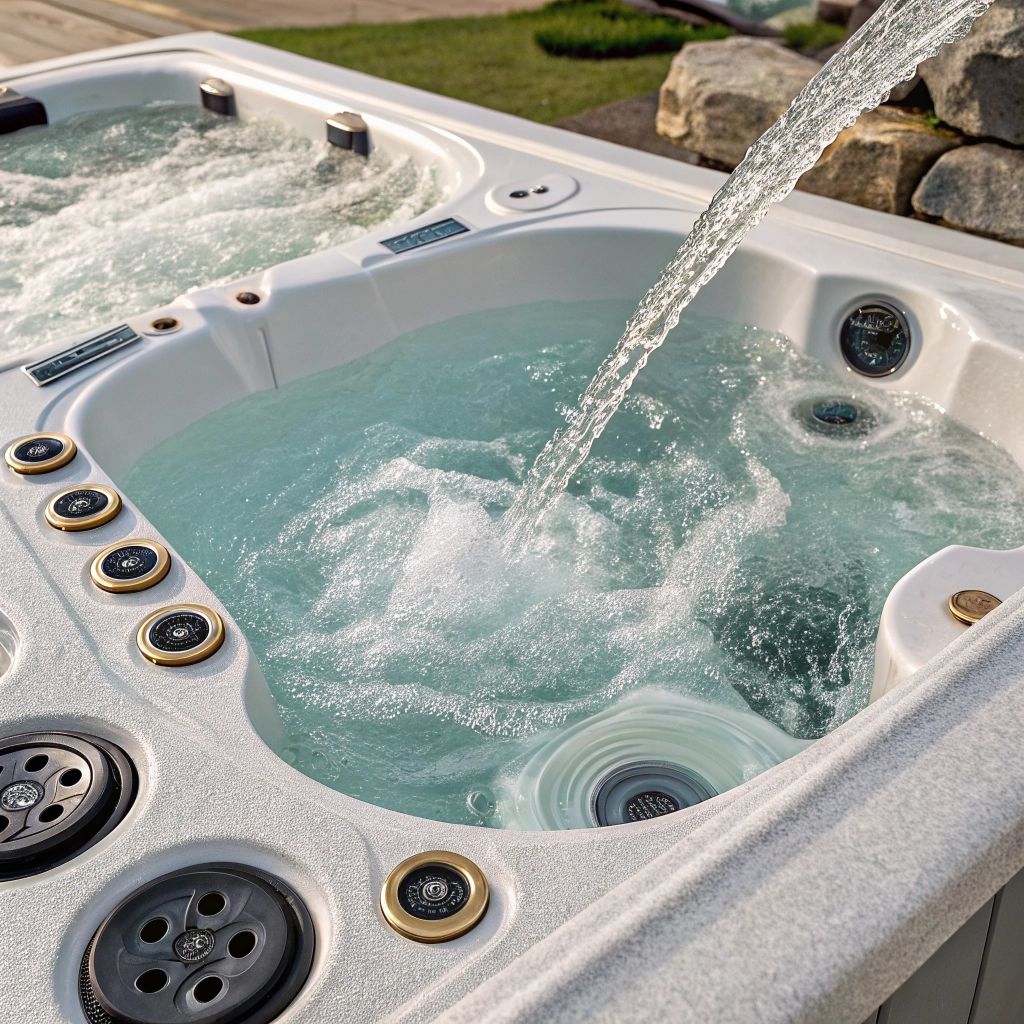
Pool leaks usually hide where materials meet: skimmer mouths, return fittings, light niches, drains, tile lines, plumbing unions, pump lids, filter connections, valves, heaters, and underground PVC. A skimmer leak may show up as water loss that slows once the level drops below the skimmer. A return-line leak may lose more water when the pump runs. A suction-side leak often pulls air into the system and can make the pump basket look half-full or foamy.
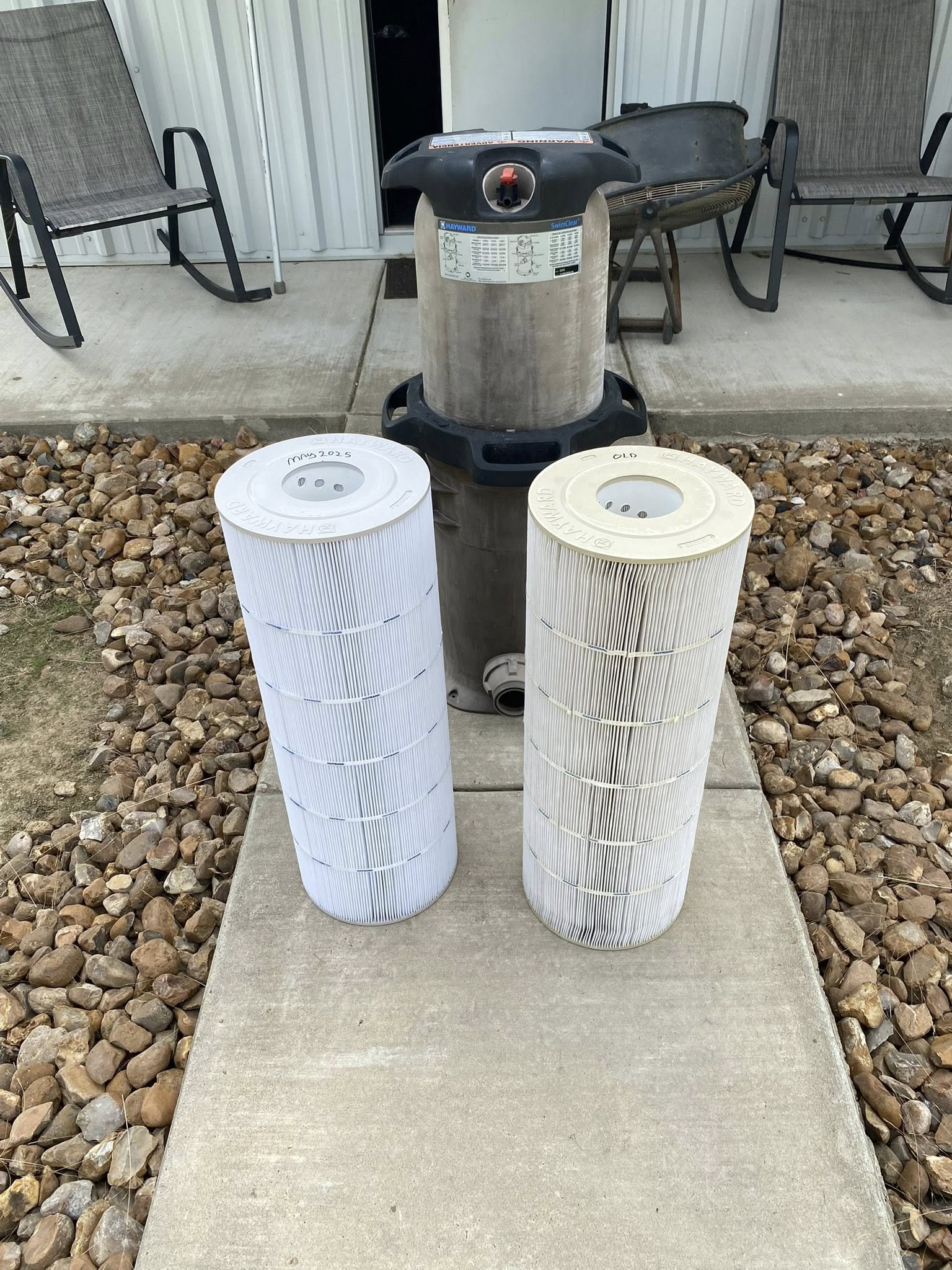
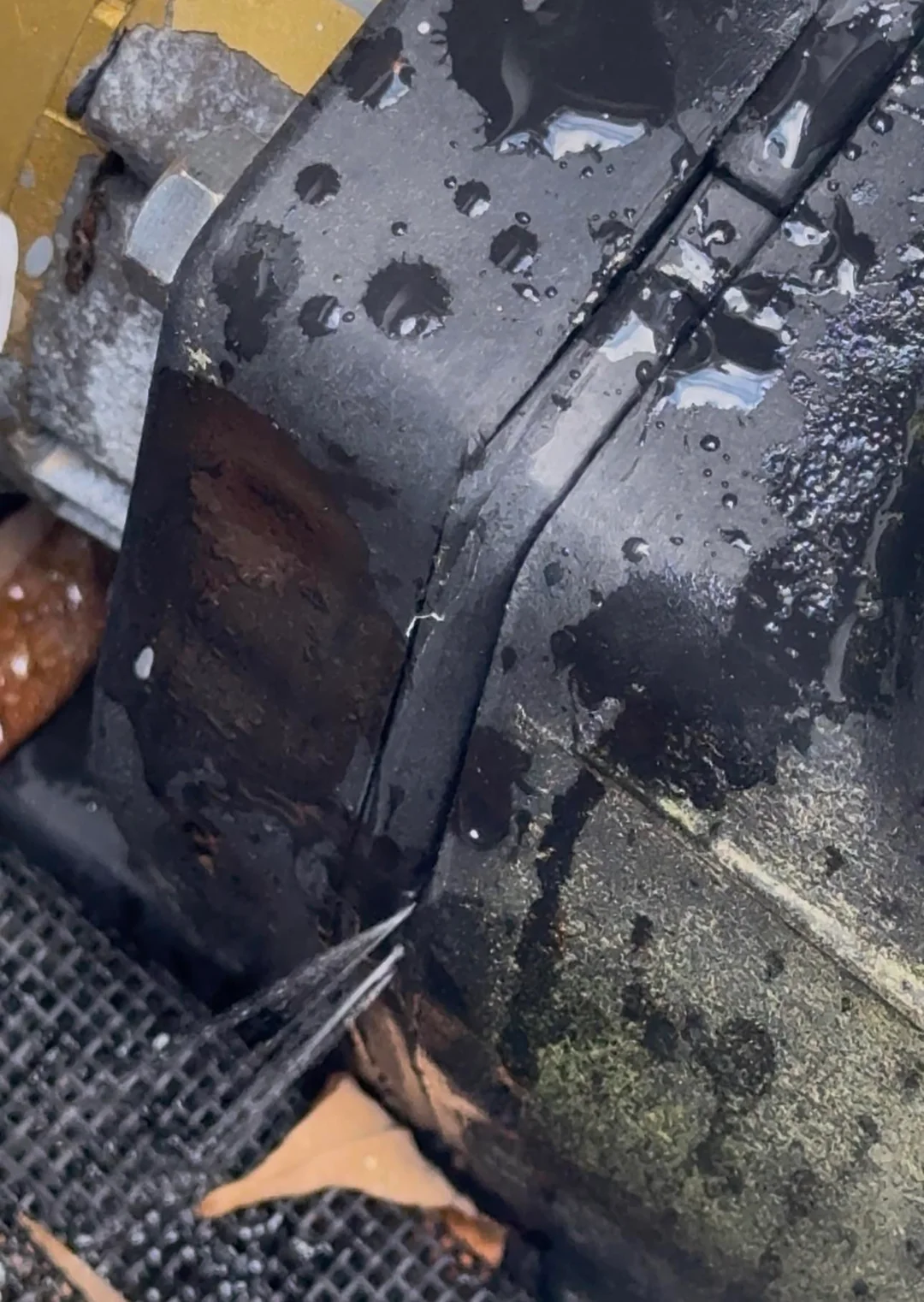
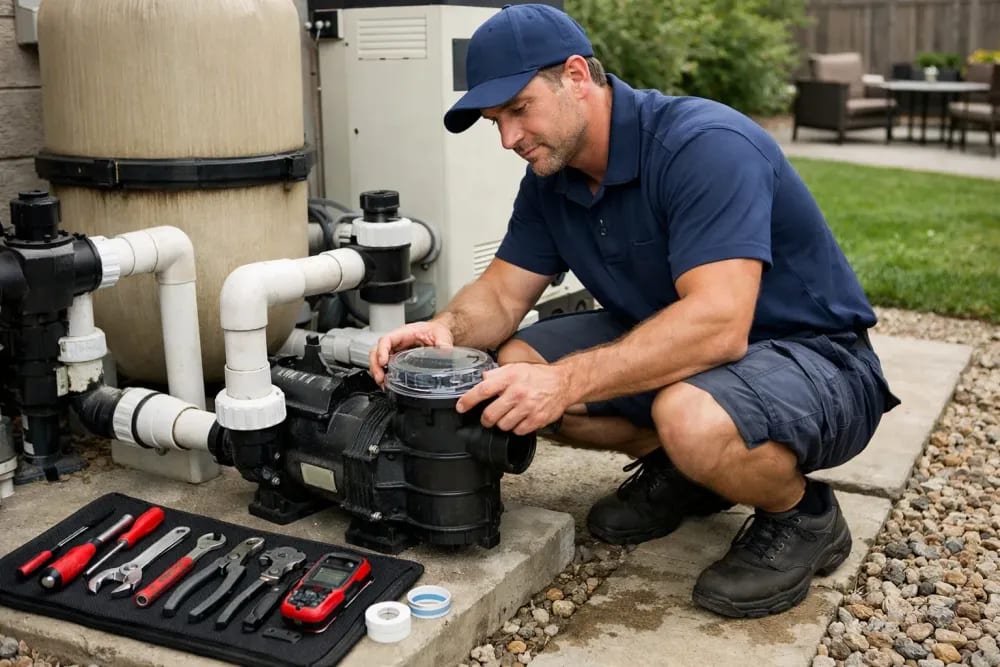
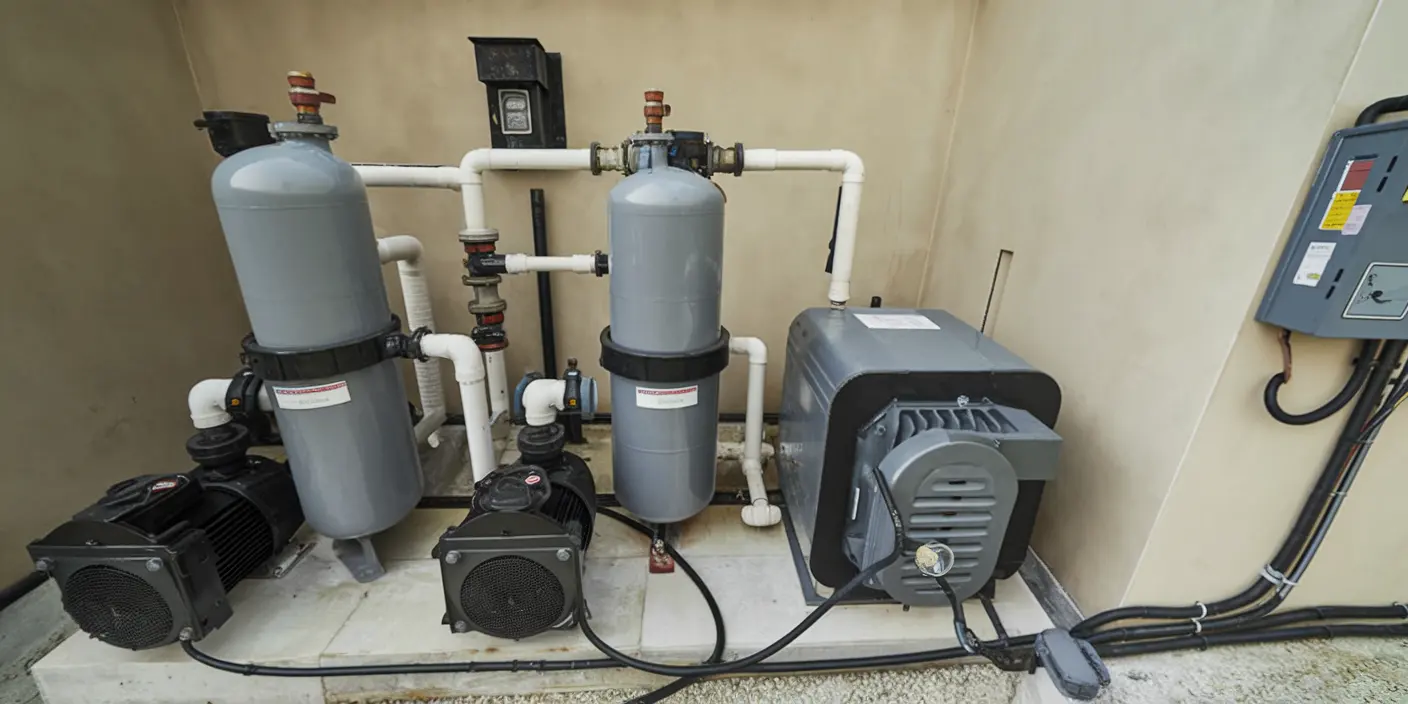
Equipment-pad leaks deserve attention too. A worn seal, loose union, cracked pump housing, or heater issue can waste water and stress circulation. If plumbing is suspected, PoolBurg can help with pool pipe repair and broader pool equipment repair before the problem turns into a bigger repair.
DIY Pool Leak Detection Checks Before You Panic
The bucket test is the best first DIY check. Place a bucket of pool water on a step, match the water level inside the bucket to the pool level outside it, mark both levels, turn off the autofill, and wait 24 to 48 hours. If the pool drops more than the bucket, you likely have a leak. If both drop the same amount, evaporation is probably the main issue.
A dye test can help when you suspect a specific crack, fitting, light niche, or skimmer seam. Turn the pump off so water is still, release a small amount of pool leak dye near the suspect area, and watch whether the dye pulls into the opening. This test can help find pool leak clues, but it is not magic. If the leak is underground or in a pressure line, dye at the surface may not show much.
Also inspect the system with the pump running and off. Bubbles, pump priming problems, and noisy equipment can point toward suction leaks. Water on the pad, damp soil, or mineral crust around fittings may point toward pressure-side pool leaks.
When Professional Pool Leak Detection Makes Sense
Call a pro when the bucket test confirms loss, the leak is not visible, the pump will not hold prime, the pool keeps dropping below the skimmer, or there is any chance the leak is underground. Professional pool leak detection may include pressure testing, plug testing, dye testing, electronic listening equipment, equipment inspection, and a careful review of how the water level changes with the system on and off.
This matters because guessing gets expensive. Digging first and diagnosing later is backwards. If excavation is ever needed, Texas homeowners should follow 811 requirements before digging so buried utilities are marked safely. The better goal is simple: locate the leak, understand the repair, and avoid unnecessary damage to decking or landscaping.
DFW Leak Clues Homeowners Should Not Ignore
In Dallas-Fort Worth, soil movement and sudden weather swings can stress pool shells and plumbing. After a freeze, tiny cracks in exposed plumbing or equipment may not show until the system warms up and starts running again. During summer, a small leak can waste a surprising amount of water because evaporation is already working against you. That is why pool leak detection is not just about the water bill. It protects the pump, filter, heater, decking, landscaping, and pool structure.
Quick Leak Clue Table
| What You Notice | What It May Mean | Next Step |
| Pool drops more than bucket | Likely leak, not just evaporation | Schedule leak detection |
| Air bubbles in returns | Possible suction-side leak | Check water level, lid O-ring, valves |
| Wet equipment pad | Pressure-side leak or equipment seal issue | Inspect unions, pump, filter, heater |
| Water loss stops at skimmer | Possible skimmer or tile-line leak | Dye test and pro inspection |
People Also Ask
How do I know if my pool is leaking?
Look for water loss beyond normal evaporation, soggy soil, air bubbles, a pump losing prime, wet equipment, or chemical levels that dilute quickly.
What is a bucket test?
A bucket test compares water loss inside a bucket to water loss in the pool. If the pool drops more, you likely have a leak.
Can a leaking pool seal itself?
No. A leak may slow temporarily if debris blocks it, but the underlying crack, fitting, gasket, or pipe problem still needs attention.
How much does pool leak repair cost?
It depends on the leak location. A visible fitting repair is usually simpler than an underground plumbing leak under decking or landscaping.
Can I find pool leak problems myself?
You can confirm suspicious water loss and check obvious fittings, but hidden plumbing leaks usually need pressure testing or electronic detection.
Call PoolBurg Before a Small Leak Gets Expensive
If your waterline keeps falling, do not turn pool leak detection into a guessing game. PoolBurg can inspect the pool, equipment pad, plumbing clues, and water-loss pattern so you know what needs repair and what does not. For DFW homeowners who want a straight answer, contact PoolBurg and ask about professional leak detection before the leak starts damaging more than your water bill.