Pool pipe repair is not the most glamorous pool topic, but it is one of the fastest ways to protect your backyard from wasted water, weak circulation, and expensive equipment stress. A tiny drip around a fitting, a hidden suction leak, or a cracked underground return line can quietly cause bigger trouble while the pool still looks “mostly fine.” That is the sneaky part.
For North Texas homeowners, pool pipe repair matters even more because heat, soil movement, heavy rain, and year-round equipment use can all put pressure on plumbing. If your pool is losing water, pulling air into the pump, or struggling to circulate, PoolBurg can inspect the system and help you figure out whether you need simple pool plumbing repair or a more involved pool plumbing leak repair.
What Pool Pipe Repair Usually Means
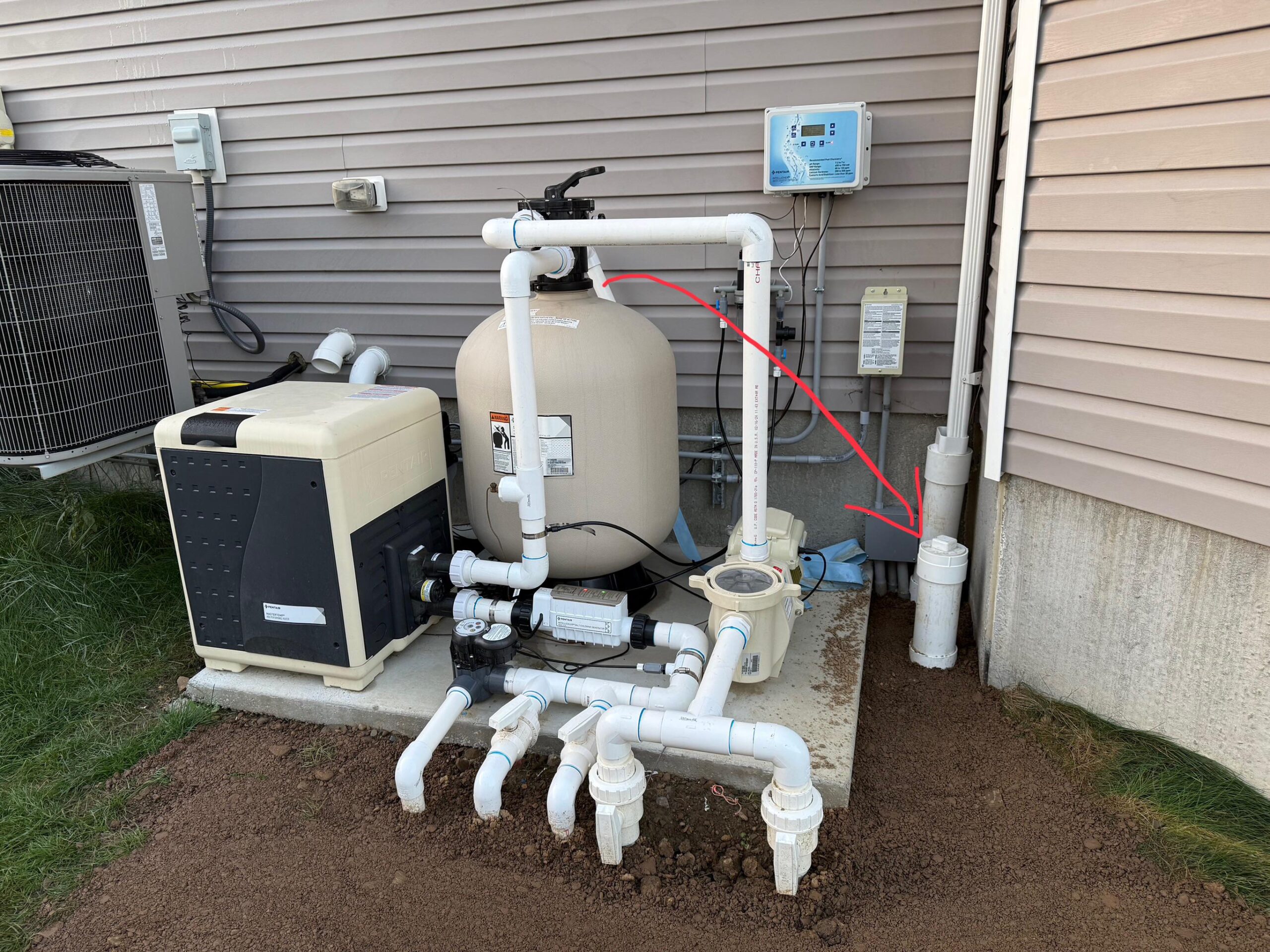
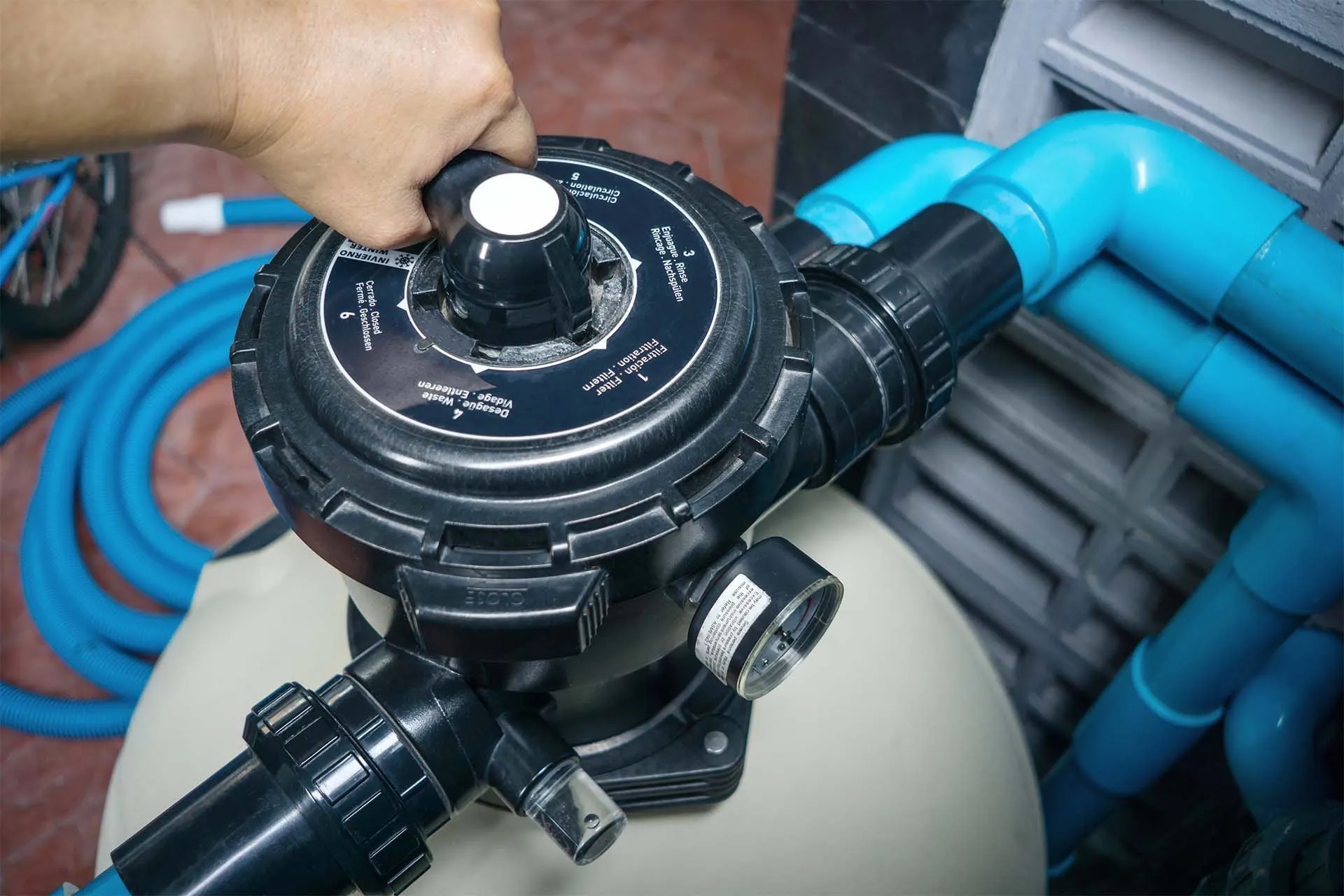
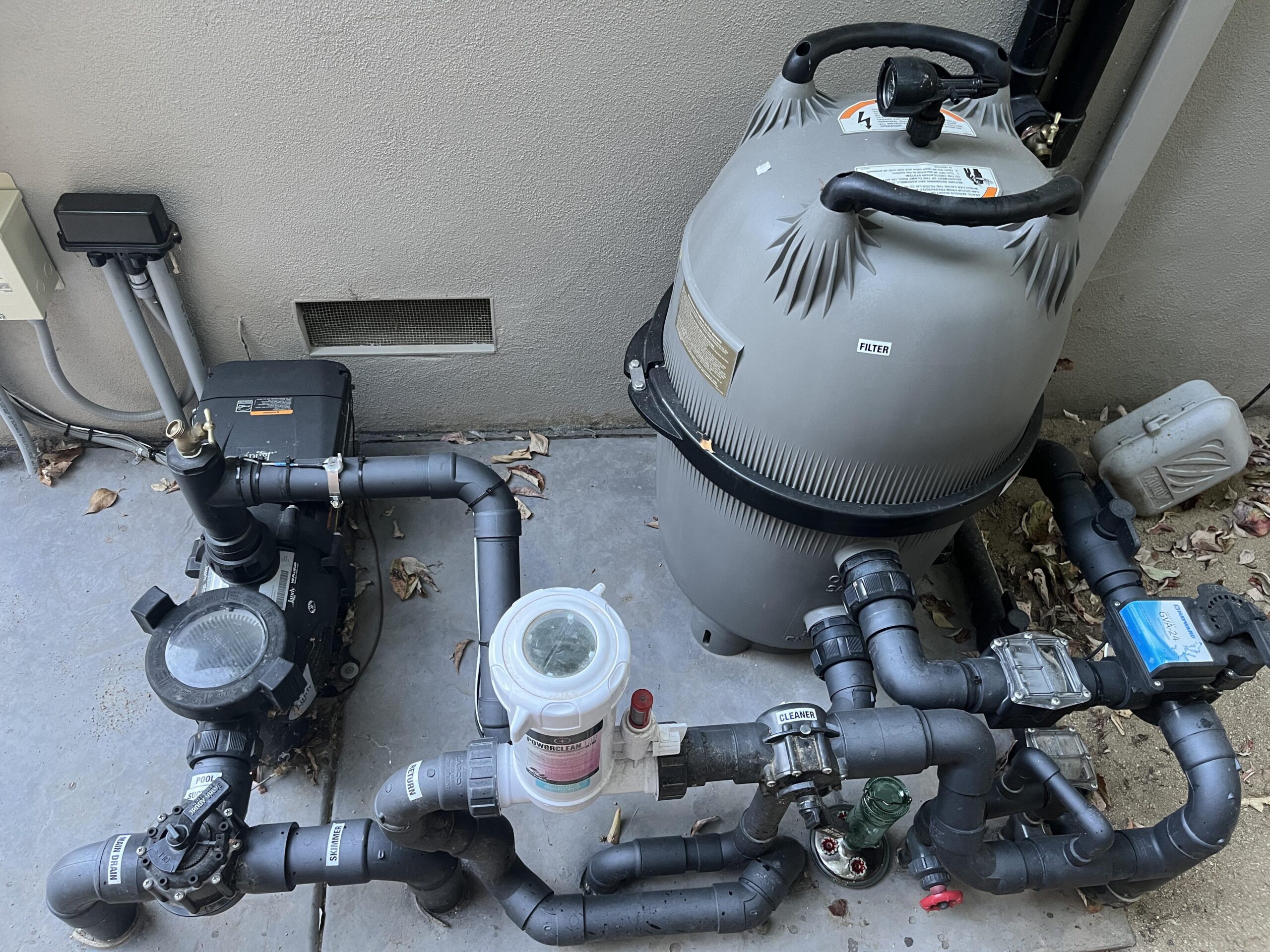
Pool pipe repair covers the plumbing that moves water from your pool to the equipment pad and back again. That includes suction lines from the skimmer and main drain, pressure-side return lines, valves, unions, elbows, fittings, and sometimes underground PVC. When one part fails, the whole system can act strange.
Some repairs are simple, like replacing a leaking union or re-gluing a visible PVC fitting. Others are more serious, especially if the leak is underground. Before anyone starts digging, it is smart to confirm the problem with testing. The bucket test is a helpful first step because it helps separate normal evaporation from actual water loss.
Signs You May Need Pool Pipe Repair
A pool plumbing leak does not always announce itself with a puddle. Sometimes the signs are subtle. Watch for these clues:
- The pool loses more water than normal evaporation should explain.
- Air bubbles keep returning through the jets.
- The pump basket will not stay full of water.
- Filter pressure is unusually low or keeps changing.
- Wet spots appear near the equipment pad or deck.
- The pool cleaner moves weakly or stops climbing.
Air in the pump often points toward a suction-side issue, while a wet equipment pad may point toward pressure-side pool plumbing repair. Either way, the earlier you deal with pool pipe repair, the less likely you are to end up with damaged equipment or a bigger excavation job.
Why Pool Pipes Leak in the First Place
Pool pipe repair is usually needed because something has shifted, cracked, loosened, or worn out. In DFW, expansive clay soil can move around after long dry stretches and sudden storms. That movement can stress underground lines and fittings. Equipment vibration can also loosen plumbing over time, especially around pumps, filters, heaters, and valves.
Tree roots, aging PVC, freeze damage, poor glue joints, and accidental damage during landscaping can also create trouble. Before digging near buried utilities or major pool lines, homeowners should use 811 before you dig so underground utility lines are marked safely.
Pool Pipe Repair Cost Depends on Where the Leak Is
There is no honest one-price answer for pool pipe repair because location changes everything. A visible leak near the pump pad may be quick. A leak under concrete, decking, or landscaping takes more labor to find and access. General home-service pricing guides like Angi’s pool leak repair cost guide show why pricing can swing widely depending on detection, access, parts, and damage.
The smartest move is not to guess. If your pool keeps losing water, schedule a proper inspection. A good technician should check water level patterns, pump behavior, valves, visible plumbing, and pressure clues before recommending pool pipe repair.
Can You DIY Pool Plumbing Repair?
Some handy homeowners can replace a small above-ground PVC fitting. But DIY pool plumbing repair gets risky when the leak is underground, near electrical equipment, around heaters, or tied to suction-side plumbing. Bad cuts, wrong fittings, weak glue joints, or mismatched pipe can turn one leak into two.
If you are researching pipe materials, resources like PVC pipe basics from PVCFittingsOnline can help you understand sizing, but repair planning still needs real-world pressure, flow, and equipment knowledge. Pool pipe repair is not just “patch the crack.” It is restoring the pool’s circulation system so everything works together again.
How PoolBurg Handles Pool Pipe Repair
PoolBurg approaches pool pipe repair with a simple goal: find the real problem before replacing random parts. That means looking at circulation, equipment performance, visible leaks, water loss, and the symptoms you are seeing at home. If the issue is equipment-side, we can often handle the repair without major disruption. If it looks underground, we will explain the next steps clearly.
You can also pair pool plumbing repair with PoolBurg pool service so the pool is checked regularly instead of only when something breaks. For homeowners already dealing with cloudy water, algae, or weak flow, a plumbing fix may be the missing piece.
People Also Ask
How do I know if I need pool pipe repair?
You may need pool pipe repair if your pool loses water quickly, the pump pulls air, return jets bubble, pressure drops, or wet areas appear near plumbing.
Can a pool plumbing leak be underground?
Yes. Some leaks happen below the deck or soil, which is why testing and inspection matter before digging.
Is pool plumbing repair expensive?
It depends on access. Visible equipment-pad repairs are usually simpler than underground pool pipe repair under concrete or landscaping.
Should I keep running the pump with a pipe leak?
If the pump is sucking air or losing prime, shut it down and call a professional. Running dry can damage equipment.
Need Pool Pipe Repair in North Texas?
Pool pipe repair is one of those jobs you do not want to ignore. Small leaks waste water, strain equipment, and make pool care harder than it needs to be. If your pool is losing water, bubbling at the returns, or acting strange at the pump, contact PoolBurg and let us take a look before the problem gets louder.