Pool cover types matter more than most homeowners realize. A PoolBurg customer may start looking for a pool cover because leaves are driving them crazy, but the right cover can also help with evaporation, water temperature, safety, and overall pool maintenance. In Texas, where sun, wind, pollen, storms, and heat all take turns messing with the backyard, a cover is not just an add-on. It can be a smart pool care tool.
The catch is that different pool cover types solve different problems. Some are made for warmth. Some are made for safety. Some are mostly for debris. So before buying anything, it helps to know what each cover actually does.
Why Pool Covers Make Sense in Texas
A good pool cover can slow evaporation, block debris, reduce heat loss, and help keep water chemistry steadier between service visits. The U.S. Department of Energy explains that covering a pool can reduce evaporation and heat loss, which is especially helpful in sunny, windy areas.
That is where the real pool cover benefits show up. Less evaporation can mean less topping off the pool. Less debris can mean fewer clogged baskets. Less sun exposure can help reduce chemical demand. Even if you already use PoolBurg pool service, a cover can make the pool easier to manage between visits.
Solar Pool Covers
Solar covers, often called bubble covers, are one of the most common pool cover types. They float directly on the water and help hold in warmth while reducing evaporation. They are useful in spring and fall when the pool is almost warm enough but cools down overnight.
The downside is safety. Solar covers are not child safety covers, and they are not built for heavy debris or pets. They are best for homeowners focused on heat retention and water savings.
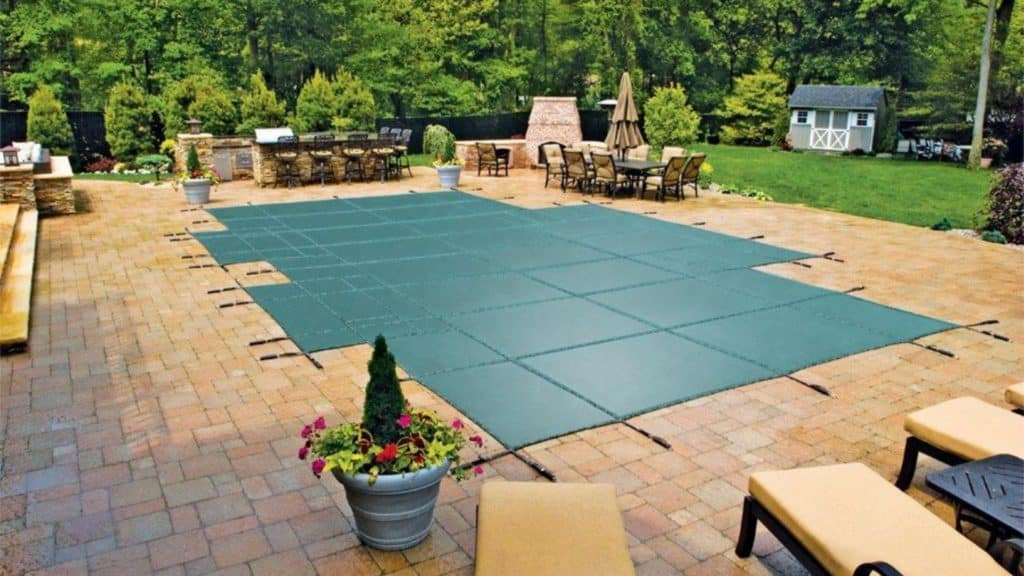
Mesh Safety Covers
Mesh safety covers stretch over the pool and anchor into the deck. They let rain drain through while blocking leaves and larger debris. For families thinking about swimming pool safety, the CDC drowning prevention guidance and Pool Safely safety tips both stress using layers of protection around water.
Mesh covers can be a strong choice when you want seasonal protection without standing water collecting on top. Fine dirt and rainwater can still enter, so the pool may need cleanup when the cover comes off.
Solid Pool Covers
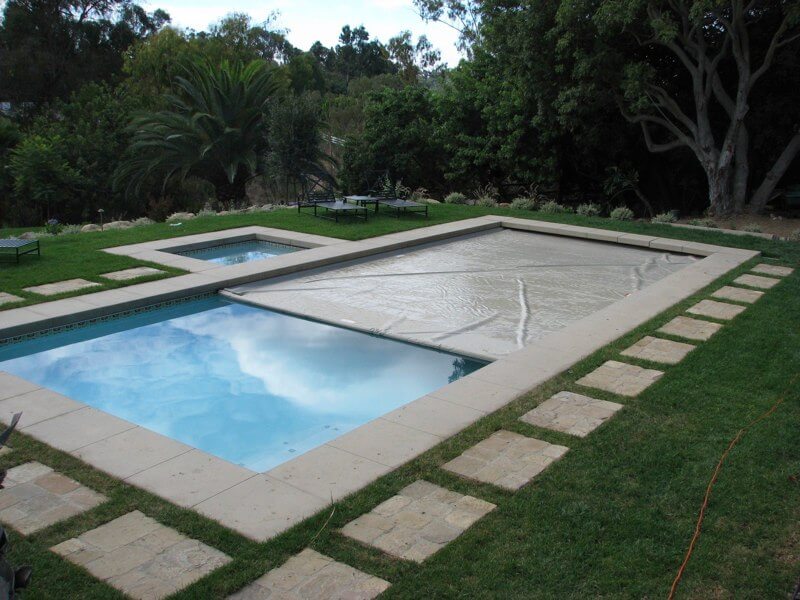
Solid covers block sunlight, leaves, and fine debris better than mesh. Among the main pool cover types, they are popular for homeowners who want stronger debris control and less sunlight reaching the water, which can help reduce algae pressure while covered.
The tradeoff is drainage. A solid pool cover usually needs a cover pump or drain system. After a Texas storm, standing water can get heavy fast, so this is not a “set it and forget it forever” option.
Automatic Pool Covers
Automatic covers are the convenience pick. Push a button, and the pool opens or closes. They can reduce evaporation, keep debris out, and add another safety layer when used correctly. For many homeowners, this is the best pool cover for Texas because it is easy enough to use every day.
They cost more upfront, but they often win on consistency. A cover only helps if people actually use it, and automatic covers remove most of the hassle.
Winter Pool Covers
Winter covers are made for seasonal protection. Texas winters are milder than northern winters, but leaves, acorns, cold snaps, and storms can still make a mess. These pool cover types are helpful when the pool gets less use and you want to avoid months of debris buildup.
What Is the Best Pool Cover for Texas?
The best pool cover for Texas depends on your yard, budget, and safety concerns. If warmth and evaporation are the big issues, consider a solar cover. If kids, pets, and seasonal debris are the concern, look at mesh or solid safety covers. If daily convenience matters most, automatic covers are hard to beat.
Also remember that covers do not replace local safety requirements. Texas pool fence requirements can vary by city, but the Texas Health and Safety Code Chapter 757 is a helpful starting point for residential pool enclosure rules.
People Also Ask
What are the main pool cover types?
The main pool cover types are solar covers, mesh safety covers, solid covers, automatic covers, and winter covers.
Do pool covers help with evaporation?
Yes. Pool covers reduce direct exposure to sun and wind, which can help slow evaporation.
Are pool covers safe for kids?
Only safety-rated covers should be treated as a protective layer. Solar covers are not safety covers.
Need Help Choosing a Pool Cover?
Pool cover types do not have to be confusing. The right choice depends on your pool shape, trees, safety needs, and maintenance habits. If you are not sure what makes sense, contact PoolBurg and we can help you choose a practical option for your North Texas pool.