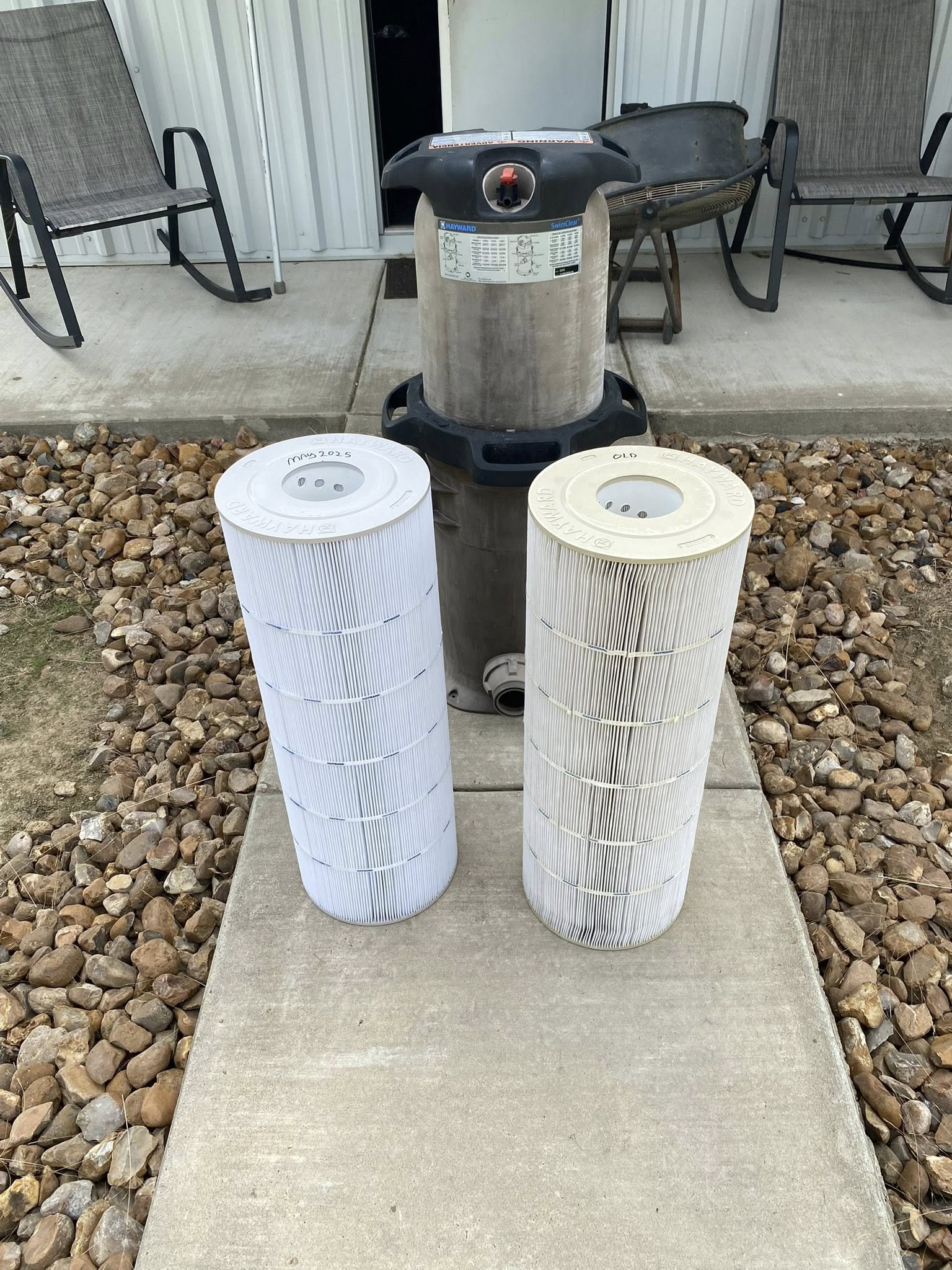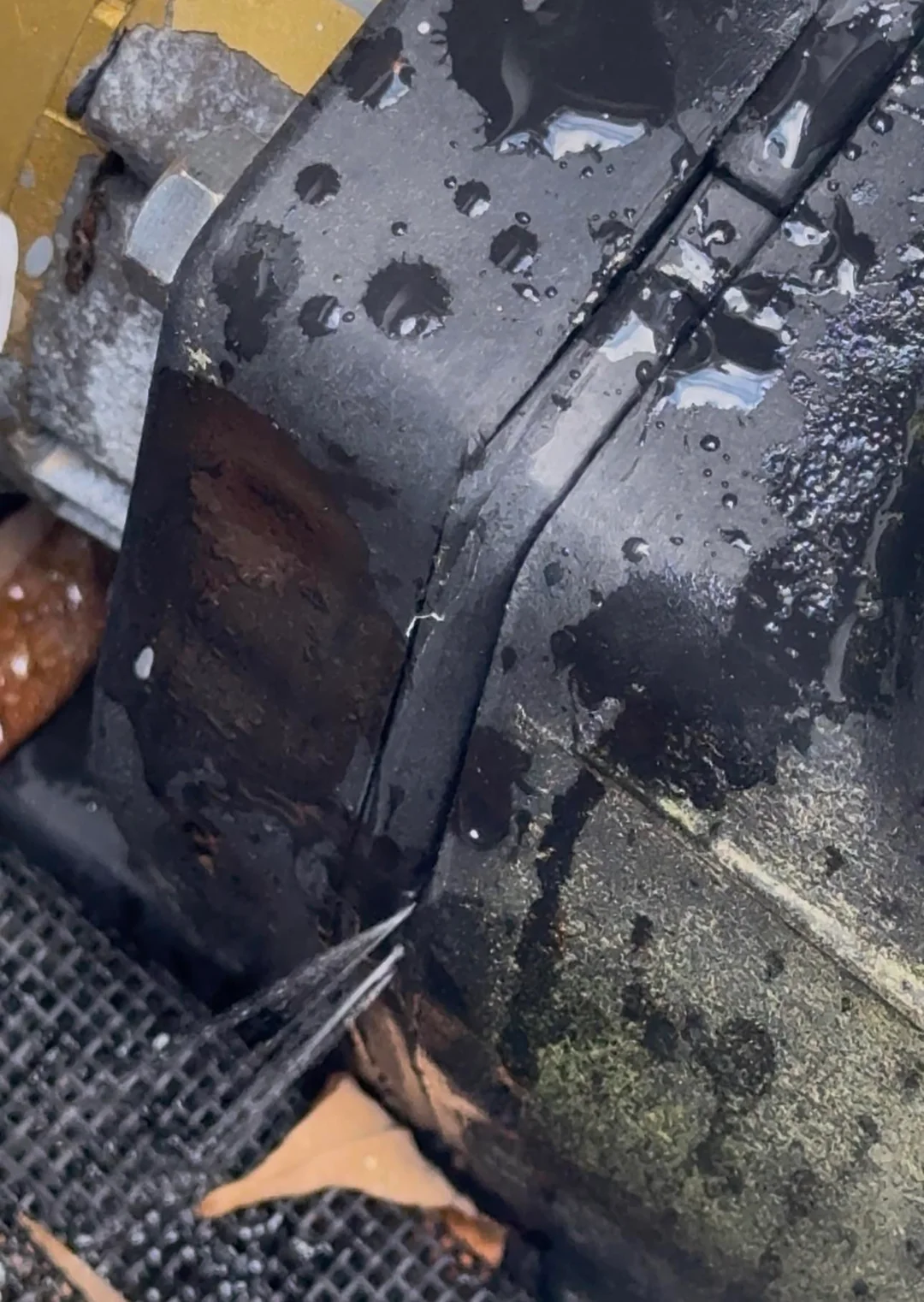

Because it closely resembles sand, pollen, or general pool dust on the floor of your pool, mustard algae easily misleads even diligent pool owners. You can brush it away and watch it disappear, only for it to reclaim the exact same shaded corner a short time later.
So how do you tell if the yellow stuff is pollen in pool water or mustard algae? Watch the pattern. Pollen usually appears after wind, rain, or spring bloom. It may float, collect near the waterline, or settle in wide dusty patches. Mustard algae usually clings to walls, steps, benches, and low-circulation areas. It brushes away easily but often returns within a day or two.
That matters in Plano, Carrollton, Farmers Branch, Garland, Southlake, Grapevine, Keller, and Wylie, where pollen season and warm pool weather can overlap. A clear pool can still have yellow dust. The trick is knowing whether you need cleanup or real pool algae treatment.
Quick rule: pollen shows up with the weather; mustard algae shows back up in the same spot.
Why Pollen and Yellow Algae Get Confused
Pollen and mustard algae both look yellow. Both collect on steps and corners. Both puff up when brushed. That is why pool pollen vs algae confusion is so common.
The difference is that pollen is outside debris. Mustard algae is living growth. Pollen blows into the pool from trees, grass, weeds, and storms. Mustard algae grows when sanitizer, brushing, circulation, or filtration are not keeping up. The CDC recommends regular chlorine and pH testing for home pools, and that matters because color alone can send you toward the wrong fix.
What Pool Pollen Looks Like
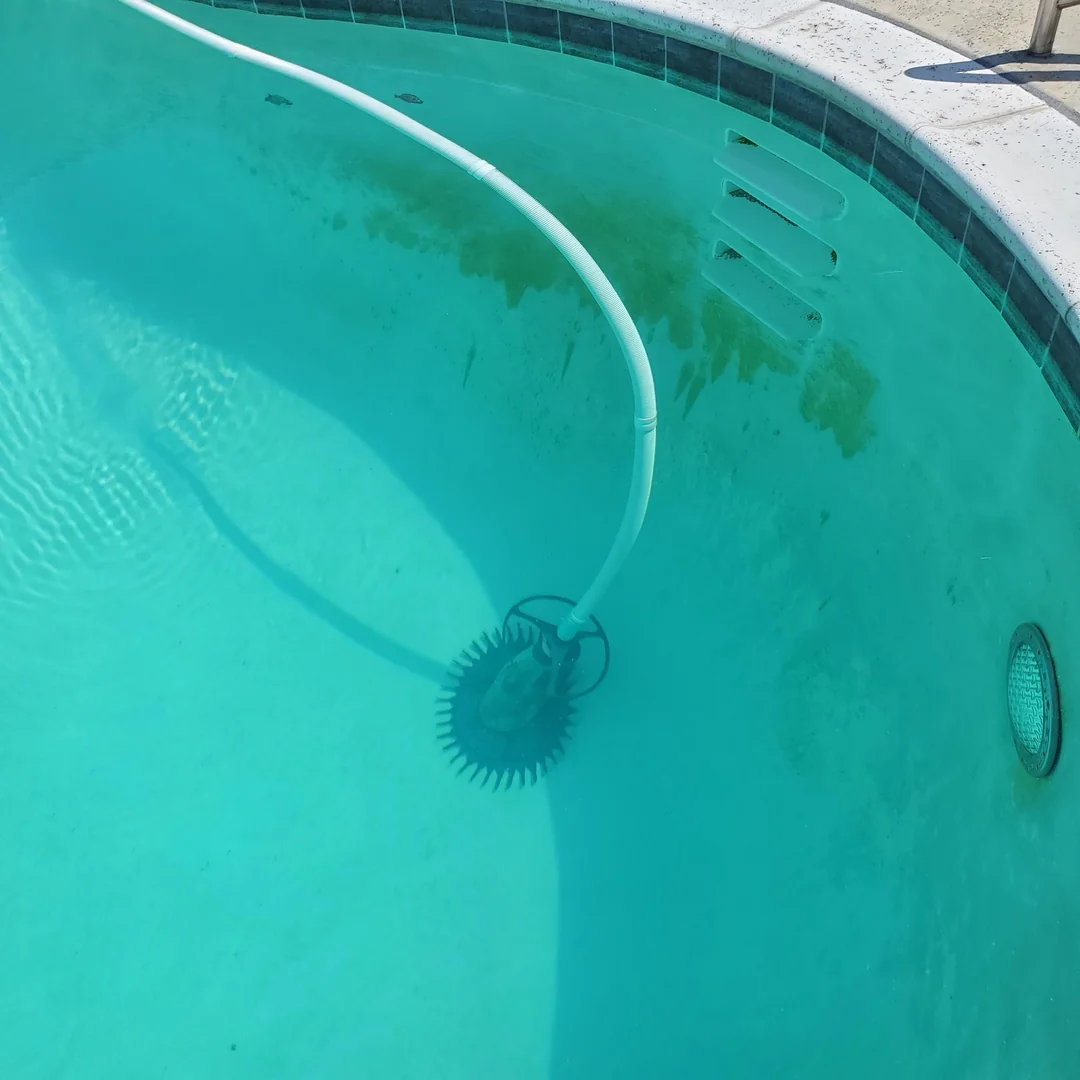
Pollen in pool water often looks like a fine yellow film. It may float, gather around skimmers, or settle after a windy day. When brushed, it usually drifts away instead of holding tightly to the wall. Swim University’s pollen in pool guide is a helpful primer for cleanup habits during heavy bloom weeks.
Pollen also tends to spread across broad areas instead of returning to the exact same shaded places. If the yellow dust appeared after a windy week and your chemistry is steady, pollen may be the easier answer. Skim it, brush it, run the filter, clean baskets, and watch pressure. If pressure rises, PoolBurg’s pool filter pressure too high guide can help.
What Mustard Algae Looks Like
Mustard algae usually looks like dusty yellow pool algae or a tan film. It often appears on shaded walls, steps, behind ladders, near lights, or in low-flow corners. It may not turn the whole pool green, which is why many homeowners think it is just dirt.
The giveaway is the comeback. If you brush it away and it returns in the same place, mustard algae becomes more likely. A true yellow algae in pool problem can survive casual brushing and weak shock. It can also hide on brushes, nets, toys, swimsuits, and cleaner bags, so treating the water halfway can let mustard algae return. Swim University’s mustard algae guide and Leslie’s mustard algae treatment guide both treat it as a stubborn algae issue, not just a dust problem.
For a deeper treatment breakdown, see PoolBurg’s yellow algae in pool article and our guide on how to kill algae in pool water.
Quick Tests Homeowners Can Use
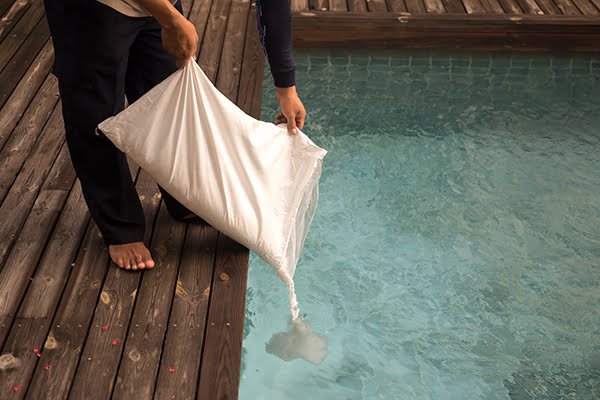
Try these checks before dumping in chemicals:
- Brush test: Pollen puffs away and may not return fast. Mustard algae often returns in the same spot.
- Location test: Pollen spreads randomly. Mustard algae likes shade and weak circulation.
- Chlorine response: If proper chlorine and brushing do not stop it, suspect algae.
- Filter test: Pollen may load the filter after windy days. Mustard algae usually needs filter cleaning after treatment.
- Pattern test: Yellow dust after storms points toward pollen. Repeating yellow patches point toward mustard algae.
If the pool turns hazy after treatment, PoolBurg’s cloudy pool after shock guide can help. Dead algae, pollen, and dirty filters can all leave water dull.
What to Do If It Is Pollen
If it is pollen, keep the fix simple. Skim the surface, brush walls and steps, empty baskets, run the filter longer, and clean or backwash the filter if pressure rises. A pool-safe clarifier may help fine particles, but test first.
Do not shock automatically just because the pool looks dusty. CDC healthy swimming guidance is a good reminder to test before swimming and maintain proper sanitizer and pH. Good testing keeps you from treating pollen like mustard algae.
What to Do If It Is Mustard Algae
If it is mustard algae, go beyond a quick brush. Test full chemistry, brush aggressively, clean the filter, shock to the right level for your stabilizer, and clean anything that touched the pool. Mustard algae can come back from brushes, nets, floats, toys, and cleaner bags. The Home Depot’s pool algae overview is also useful for homeowners comparing algae types.
High stabilizer can make chlorine feel weak, and nutrients can make algae more stubborn. If algae keeps returning after treatment, PoolBurg’s pool phosphate remover article can help you understand one more piece of the puzzle.
People Also Ask
Is yellow stuff in my pool pollen or algae?
It may be pollen if it appears after wind, floats, or spreads across the pool. It may be mustard algae if it clings to shaded surfaces and returns after brushing.
How do I know if I have mustard algae?
Mustard algae usually looks like yellow dust on walls, steps, or low-flow areas. The repeat pattern is the clue.
Can pollen make pool water cloudy?
Yes. Heavy pollen can dull the water, clog baskets, and load the filter.
Does pollen use up chlorine?
Yes. Pollen adds organic material, so chlorine demand can rise.
Why does yellow algae keep coming back?
Yellow algae often returns because of low chlorine, high stabilizer, weak circulation, dirty filters, poor brushing, or contaminated pool tools.
Should I shock the pool for pollen?
Not automatically. If testing looks good and the yellow material behaves like pollen, cleaning and filtration may be enough.
Need Help Identifying the Yellow Dust?
Mustard algae and pollen can look annoyingly similar, but the fix is not the same. PoolBurg can test the water, inspect the pattern, clean the filter, and tell whether you are dealing with pollen, mustard algae, or dead debris. If the same yellow spots keep returning, contact PoolBurg before another weekend turns into a chemistry guessing game.