A pool valve actuator not working is a frustrating automation failure that can throw your entire system out of sync. You might activate spa mode only to watch the water level drop, or trigger a feature that never responds. Often, the heater will short cycle or signal a low-flow error because the plumbing position doesn’t match the automation command. While these symptoms are aggravating, they are usually easy to troubleshoot by examining the motorized box, the diverter valve, and the resulting flow path simultaneously.
What a Pool Valve Actuator Does
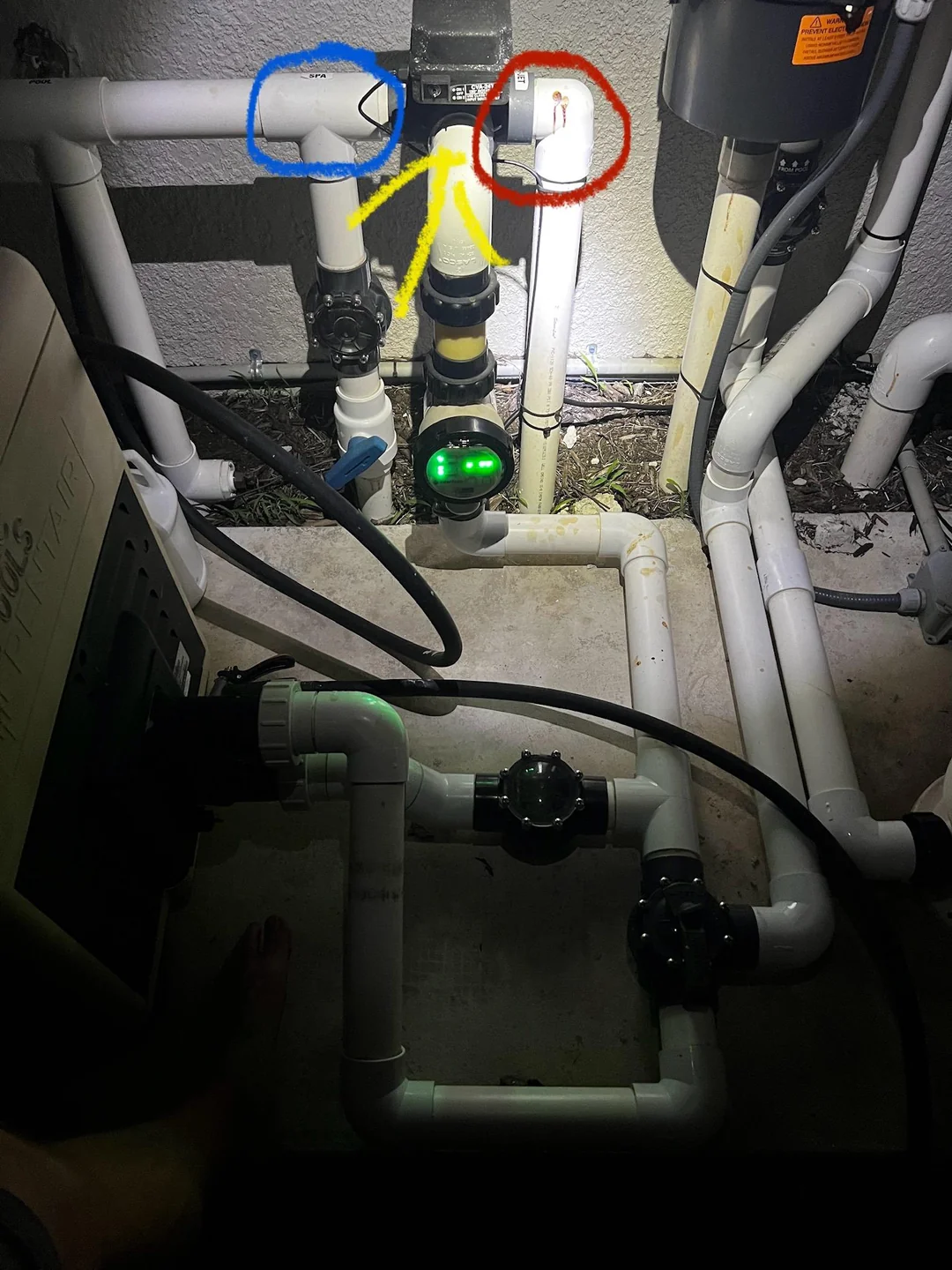
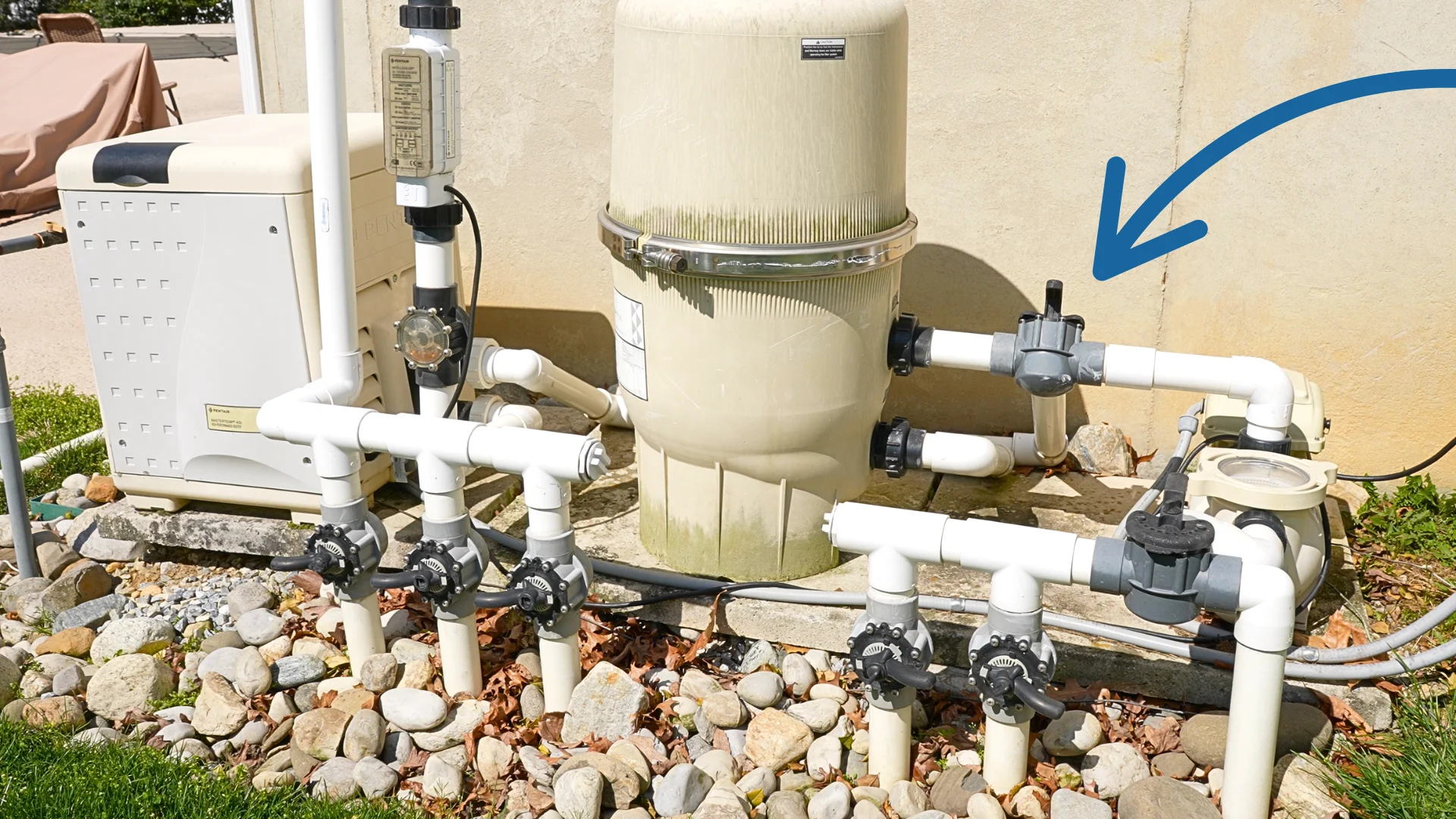
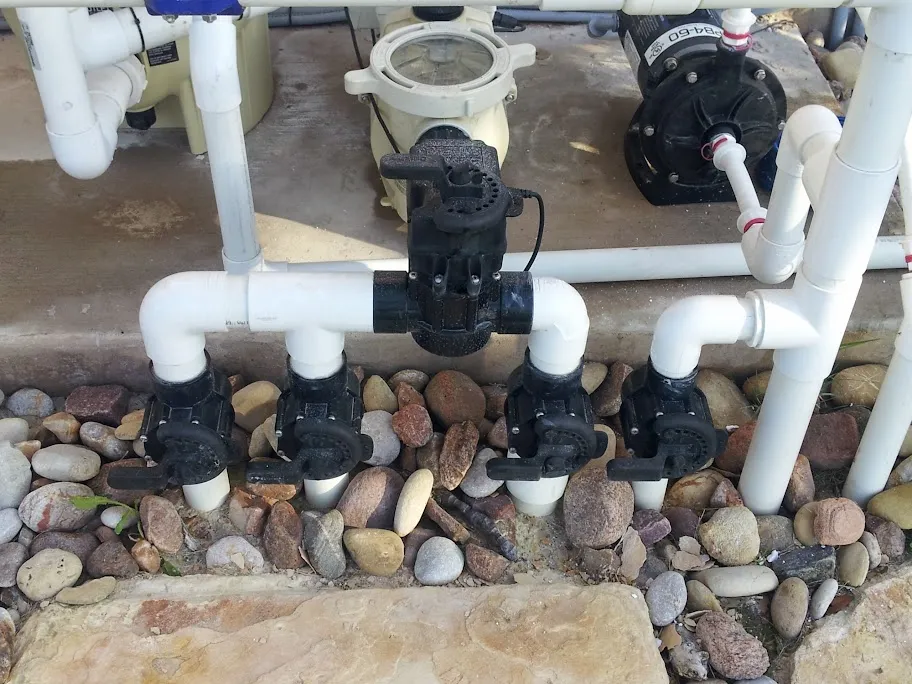
A pool valve actuator is the little motorized box mounted on top of a diverter valve. Its job is to turn the valve automatically so water can move between the pool, spa, heater, cleaner line, spillover, or water feature. Pentair describes valve actuators as 24VAC controls for 2-port and 3-port valves, and Jandy explains that valve actuators are built for pool and spa automation. In plain English, the actuator is the hand that turns the plumbing valve for you.
That matters because a pool circulation valve does not just “open and close.” It controls where water is pulled from and where it returns. If the pool spa valve actuator stops in the wrong position, the spa may not heat, the jets may stay weak, or the pool may steal water that should be going somewhere else.
Signs a Valve Actuator Is Not Working
A pool valve actuator problem can look like a heater problem, a spa problem, or even a pump problem. Homeowners usually notice the result before they notice the actuator. Common signs include:
- Spa mode does not activate correctly, or the spa drains while the pool level rises.
- The actuator clicks, hums, or lights up but the valve does not rotate.
- The automation app says spa, pool, or feature mode is on, but the plumbing position never changes.
- The heater shows low-flow behavior after a mode change.
- A water feature, cleaner line, or spa jet line will not turn on.
- The manual toggle switch does nothing, or the valve only moves one direction.
The big clue is inconsistency. If the system worked yesterday and today the valve does not move, the actuator may have lost power, stripped a gear, hit a failed limit switch, or been fighting a stuck valve diverter.
Common Causes of Pool Valve Actuator Problems
There are a few usual suspects when a pool automation valve is not turning. The actuator motor may be weak or failed. Internal gears can break. A limit switch can stop the actuator at the wrong place. Water may get inside the housing. Rodents can chew low-voltage wires. Sometimes the actuator is fine, but the valve underneath is stiff, dirty, or jammed.
Jandy valve actuator installation and operation manual includes manual operation and troubleshooting guidance, including issues like damaged gear trains, manual-position problems, broken diverters, failed motors, wiring issues, and water inside the actuator. Hayward explains that a broken stem, coupling, or limit switch can stop automated valve movement, which is exactly why guessing can get expensive fast.
Actuator Problem or Valve Plumbing Problem
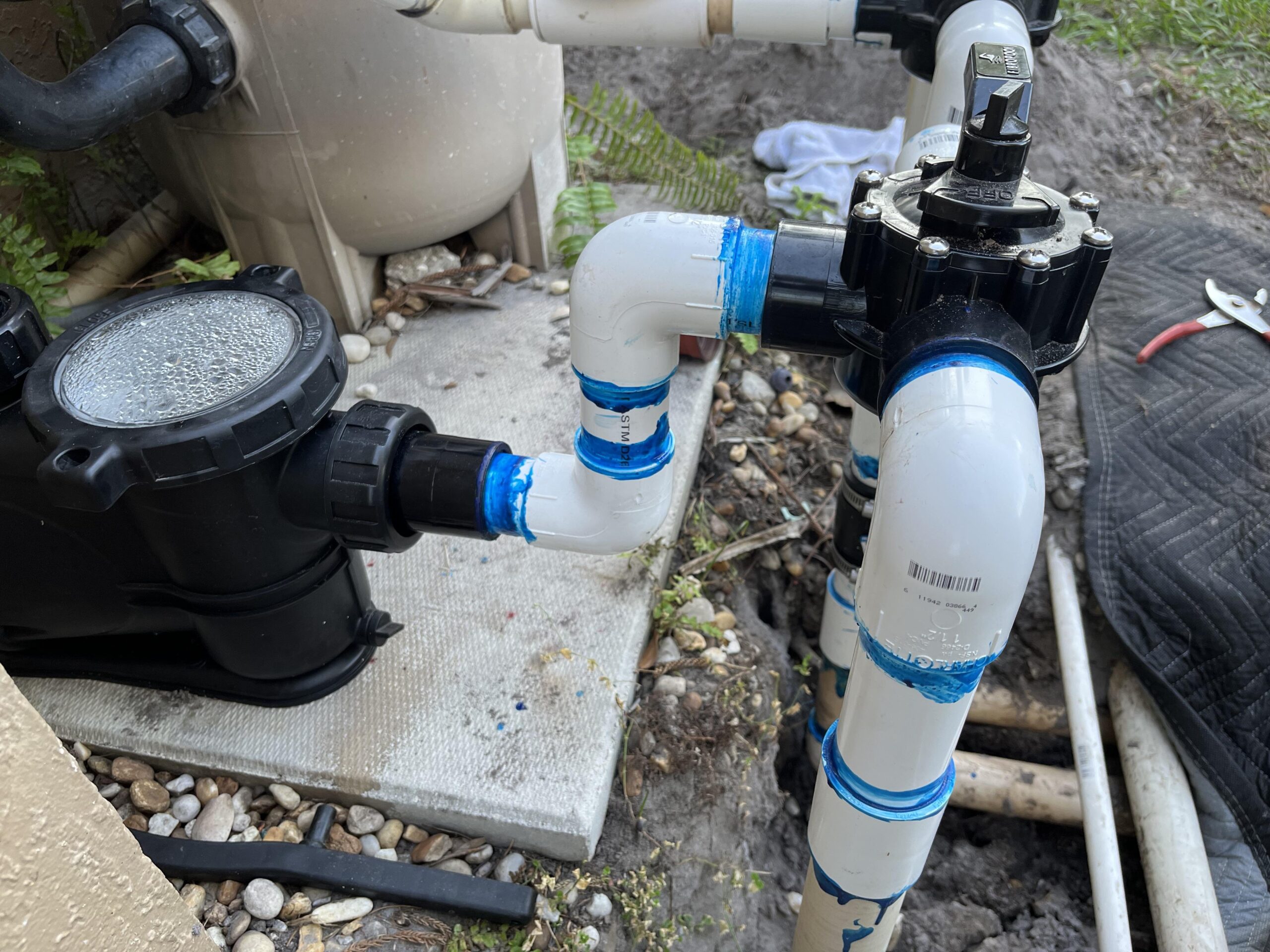
Here is the part that trips people up: the actuator and the valve are not the same thing. The actuator is the motorized controller. The valve is the plumbing part that actually changes water direction. A pool valve actuator not working might mean the actuator is bad, but it might also mean the diverter valve below it is stuck.
If the motor runs but the valve handle does not move, the actuator may be disengaged, the shaft may be damaged, or the gear train may be stripped. If the actuator does not make any sound at all, the issue may be power, wiring, the toggle switch, the automation board, or a failed motor. If the valve is hard to turn by hand after the actuator is removed, the plumbing valve itself may need service.
Why Actuators Matter for Heaters and Spas
This is where a simple actuator issue can snowball. If the wrong valve position reduces heater flow, the heater may shut down, short cycle, or trigger a pressure or flow error. That is why actuator troubleshooting often overlaps with pool heater pressure switch problem, weak pool return jets, and pool heater short cycling issues.
For spas, a bad return-side actuator can send water back to the pool instead of the spa. A bad suction-side actuator can pull from the wrong place. Either way, spa mode becomes a plumbing puzzle. In Frisco, Plano, McKinney, Allen, Southlake, Grapevine, Las Colinas, and Prosper, this is common on pools with automation, spillover spas, heaters, and water features.
What Homeowners Can Check First
Before opening anything electrical, keep it simple. Look at the automation command, then look at the actual valve position. Listen for a motor sound. Check whether the actuator toggle switch is in the off or middle position. Look for chewed wires, loose plugs, water in the housing, or a valve handle that no longer lines up with the label. If the system recently had work done, the actuator may simply be oriented incorrectly. Pentair IntelliValve guide explains actuator modes and pool spa automation control, which is a good reminder that newer actuators may have settings beyond a basic on/off toggle.
Do not force a stuck actuator. Do not keep switching modes over and over while the spa drains. And do not assume the actuator is the only problem if the pump, filter, heater, or pool main drain not working symptoms are also present.
People Also Ask
Why is my pool valve actuator not working?
The most common reasons are a failed motor, damaged gears, wiring trouble, a stuck valve diverter, bad limit switches, water intrusion, or an automation setting that is sending the wrong command.
Can I manually turn a pool valve actuator?
Usually, yes, but the right method depends on the actuator. Many units have a service or toggle switch, and some can be manually disengaged. If the valve is stiff or the actuator is jammed, stop and call a pro.
Why does spa mode not work?
Spa mode may fail when the suction or return actuator does not rotate. The spa may drain, overflow, or fail to receive enough return flow for jets and heating.
Can a bad actuator affect my pool heater?
Yes. If the valve position reduces water flow through the heater, the heater may shut off, display a low-flow error, or fail to heat properly.
How do I know if the actuator motor is bad?
A bad motor may hum, click, move only one direction, stop before reaching position, or do nothing even when power and automation settings are correct.
Should I repair or replace a pool actuator?
Some parts can be repaired, but many homeowners replace the actuator once gears, motors, seals, or switches fail. A technician can confirm whether the actuator or valve body is the real issue.
If your pool valve actuator not working problem is affecting spa mode, heater flow, or circulation, PoolBurg can test the actuator, valve diverter, automation settings, and flow path before you start replacing parts blindly. Sometimes the fix is simple. Sometimes the actuator is only exposing a deeper circulation issue. Either way, the right diagnosis saves a lot of head-scratching.