Pool heater pressure switch problem symptoms usually show up when the heater wants to run, but the system does not believe enough water is moving through it. That is frustrating because the pump may sound normal, the display may light up, and the heater may still refuse to fire. In many cases, the switch is not the villain by itself. It may be reporting a real flow problem somewhere else in the pool system.
That is why PoolBurg treats a pool heater pressure switch problem as a full-flow diagnosis, not a quick parts guess. A bad switch is possible, but so are a dirty filter, weak pump flow, low water level, air in the system, a valve issue, or a heater code that means something slightly different on your model.
What a Pool Heater Pressure Switch Does
A pool heater pressure switch helps confirm that water is moving through the heater before the burner or heating system is allowed to run. In simple terms, it is a safety checkpoint. The heater needs flow because heat without enough moving water can create overheating, equipment damage, and unsafe operation.
When the pressure switch does not close, or when the heater thinks it has a flow issue, the heater may lock out instead of firing. That is why a pool heater pressure switch problem can look like a heater failure even when the real issue starts at the pump, filter, valves, or baskets.
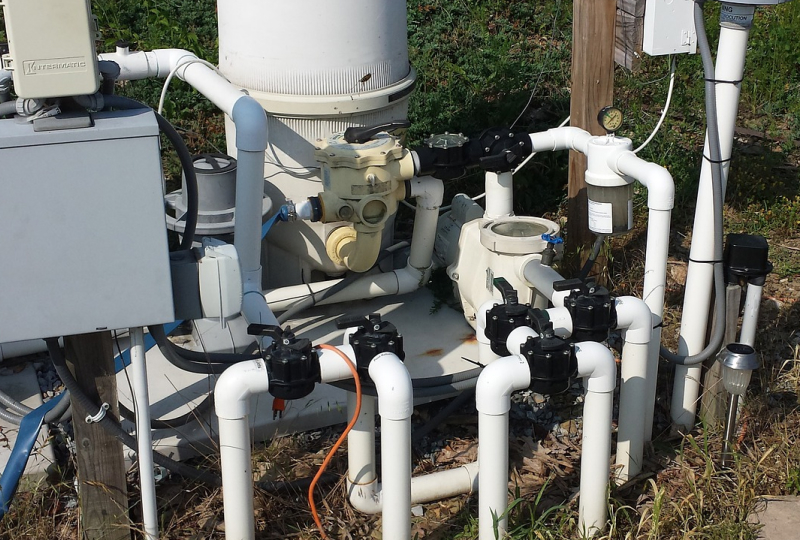
Signs of a Pool Heater Pressure Switch Problem
The most common clue is a low-flow or pressure-related error that returns after you reset the heater. Sometimes the pool heater won’t fire at all. Other times it starts, thinks for a moment, then shuts down before producing heat.
- The heater shows a low flow, water pressure, or pressure switch error.
- The pump is running, but the heater refuses to heat.
- The heater starts and shuts off quickly.
- The code goes away after filter cleaning, then comes back later.
- The heater only works at a higher pump speed.
- The display keeps returning the same error after reset.
One important note: on some heat pumps, an LP or low-pressure code can refer to the refrigeration side of the unit, not the swimming pool water pressure switch. That is why the exact model and code matter.
Pressure Switch Problem or Pool Flow Problem?
This is the big question. A pool heater pressure switch can fail, but it can also do its job correctly by stopping the heater when flow is weak. Before blaming the switch, check the easy flow clues. Is the pool water level high enough? Are the skimmer and pump baskets full? Is the filter pressure higher than normal? Is a valve partly closed? Is the variable-speed pump running too low for heater operation?
If you recently cleaned a filter, backwashed, changed pump speed, opened valves, or adjusted automation, the timing matters. PoolBurg often finds that a pool heater low flow error is not caused by the switch itself. It is caused by flow that is just barely below what the heater wants to see.
Why You Should Not Bypass the Pressure Switch
Do not bypass the pressure switch just to “see if the heater works.” That switch is part of the heater’s safety chain. Bypassing it can let the heater run without proper water movement, which can damage the heat exchanger, trigger high-limit shutdowns, or create an unsafe operating condition.
A heater flow switch or pressure switch is not there to annoy you. It is there because heaters need enough water moving through them before they fire. If the heater keeps refusing to run, the safer move is testing, not forcing.
What Homeowners Can Check First
You can do a few simple checks without opening the heater cabinet or touching gas components. Start with the pool side of the system.
- Make sure the pool pump is running and fully primed.
- Check that the water level is high enough for the skimmer to pull water smoothly.
- Empty the skimmer and pump baskets.
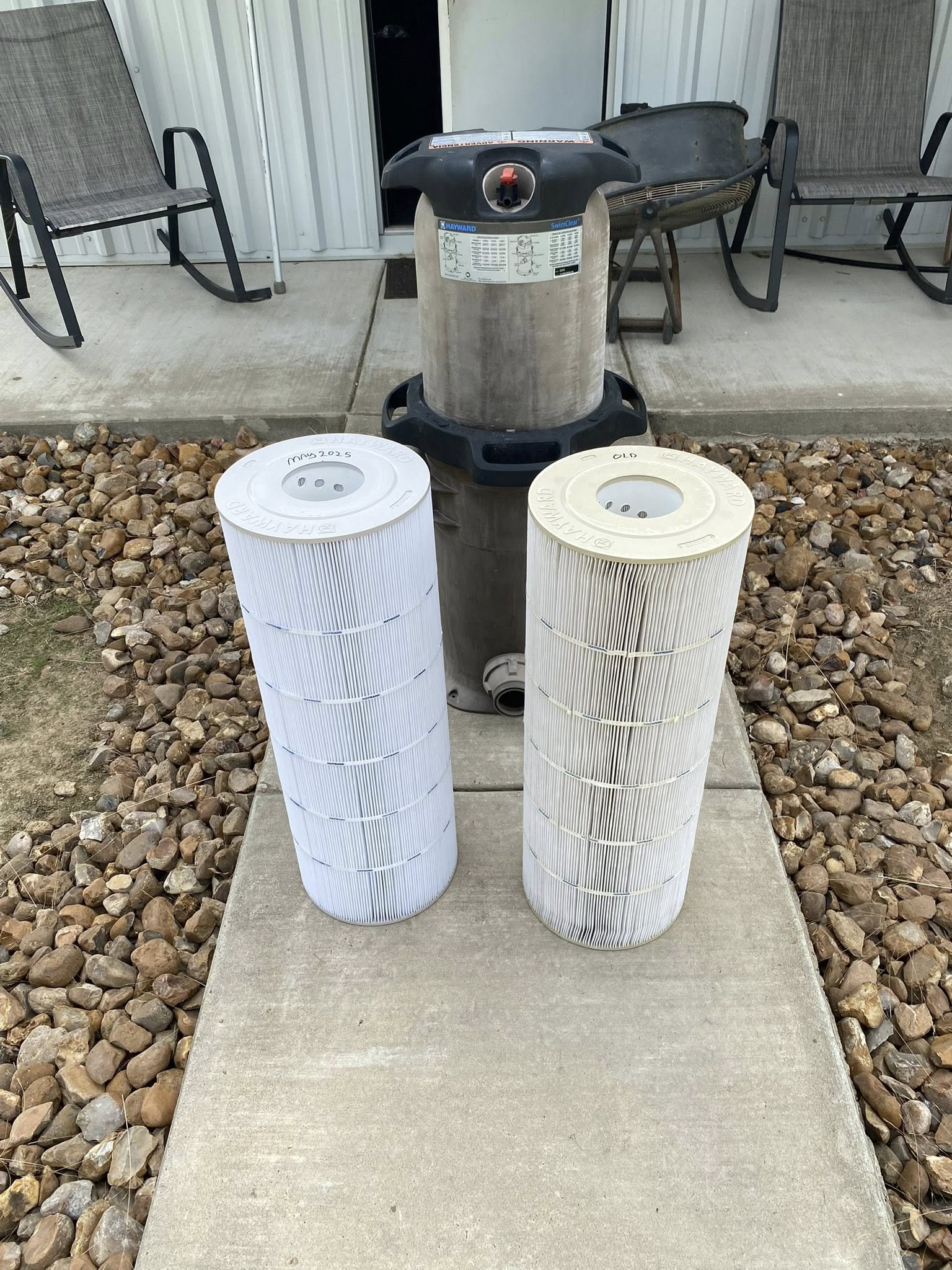
- Look at the filter pressure and compare it with your clean-filter baseline.
- Confirm return valves are open and automation is actually calling for heat.
- Try the heater at the recommended pump speed if you have a variable-speed pump.
If the heater works after cleaning the filter or increasing pump speed, that points toward a flow problem more than a bad switch. If the heater still will not fire, the pressure switch, wiring, control board, or heater-specific sensor logic may need professional testing.
How PoolBurg Diagnoses Heater Flow Issues
PoolBurg does not treat a pool heater pressure switch problem like a guessing game. We check the full flow path: pump performance, filter pressure, baskets, valves, bypasses, heater code history, and the switch signal itself. If the switch is bad, it can be replaced. If the switch is warning you about poor flow, replacing it will not fix the real problem.
That matters for homeowners in Frisco, Plano, McKinney, Allen, Prosper, Keller, and Southlake, where heaters often sit quiet for months, then suddenly get asked to work hard during spring, fall, or cooler Texas nights.

People Also Ask
What does a pool heater pressure switch do?
It confirms that water is moving through the heater before the heater fires. If it does not sense enough pressure or flow, the heater can shut down for safety.
Can a dirty filter cause a heater pressure switch error?
Yes. A dirty filter can restrict flow enough to trigger a pressure switch or low-flow error, especially if the pump speed is already low.
Why does my pool heater say low flow?
Low flow can come from clogged baskets, a dirty filter, low water level, air in the system, a closed valve, weak pump flow, or a bad switch.
Can I bypass a pool heater pressure switch?
No. Bypassing a safety switch can damage the heater and create unsafe operation. It should be tested properly instead.
How much does it cost to replace a heater pressure switch?
Cost depends on the heater model, part availability, access, and whether the real problem is actually the switch or a flow issue.
Why does my heater start and then shut off?
A heater can short-cycle from low water flow, pressure switch faults, high-limit issues, ignition problems, or control board problems.
PoolBurg Can Find the Real Cause Before Parts Get Wasted
If you are dealing with a pool heater pressure switch problem, PoolBurg can test whether the switch is actually bad or whether the heater is reacting to poor flow through the system. We inspect filter pressure, pump flow, valves, water level, heater codes, and safety controls so you are not just replacing parts and hoping. For heater help in Frisco, Plano, McKinney, Allen, Prosper, Keller, Southlake, and nearby DFW cities, schedule service through PoolBurg Contact Us