Effectively attempting to kill algae in pool water typically requires more than a single product. When faced with green water, slippery surfaces, or recurring yellow residue, success depends on a specific order of operations: testing, balancing chemistry, targeted treatment, rigorous filtration, and final debris removal. Diverging from this proven sequence often leads to wasted expenses without achieving a clear pool.
For PoolBurg homeowners in Frisco, Allen, The Colony, Lewisville, Wylie and Prosper, algae gets extra bold after warm weather, rain, pollen and heavy weekend swimming. The good news? Most algae problems can be fixed. The trick is treating the water and the surfaces, not just dumping shock and hoping for a miracle.
Why Algae Grows in the First Place
Algae loves warm, under-circulated water. In North Texas, a pool can go from slightly dull to green very quickly when chlorine drops, pH runs high, baskets clog, or the filter is overdue for cleaning. Rain can dilute sanitizer and wash pollen, soil and lawn runoff into the pool. Those organics increase chlorine demand and can feed algae growth.
That is why CDC healthy swimming guidance matters even for backyard pools: sanitizer and pH are the first defense. If pH is out of range, chlorine works less efficiently, and your green pool fix gets harder than it needs to be.
Know What Kind of Algae You Are Fighting
Green algae is the classic cloudy, swampy, “what happened overnight?” bloom. It usually responds well to chlorine shock, brushing and filtration if the pump and filter are working.
Yellow or mustard algae often looks like dust or pollen along shady walls, steps and corners. It brushes away, then returns. That repeated comeback is why many homeowners think they have dirt when they actually need pool algae treatment.
Black algae is the stubborn one. It appears as dark spots, especially on porous plaster or gunite, and it protects itself with a tough outer layer. To kill algae in pool surfaces when it is black algae, brushing becomes just as important as chemistry.
The Right Order to Kill Algae in Pool Water
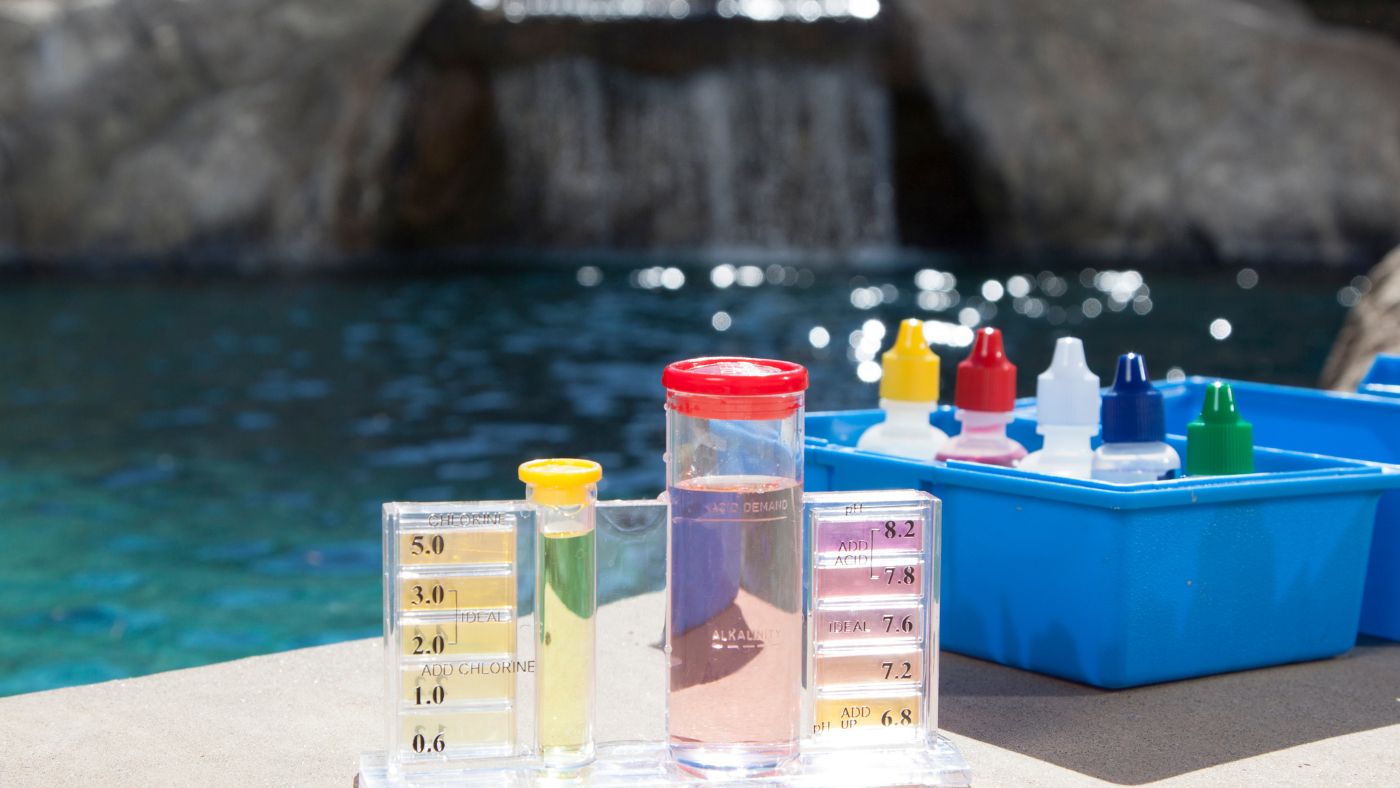
- Test first. Check free chlorine, pH, alkalinity, stabilizer/CYA and filter pressure before adding more chemicals.
- Lower pH into the proper treatment range if it is high. Chlorine performs better when pH is not fighting it.
- Brush everything. Walls, steps, benches, corners, tile line and ladders all need attention because algae clings to surfaces.
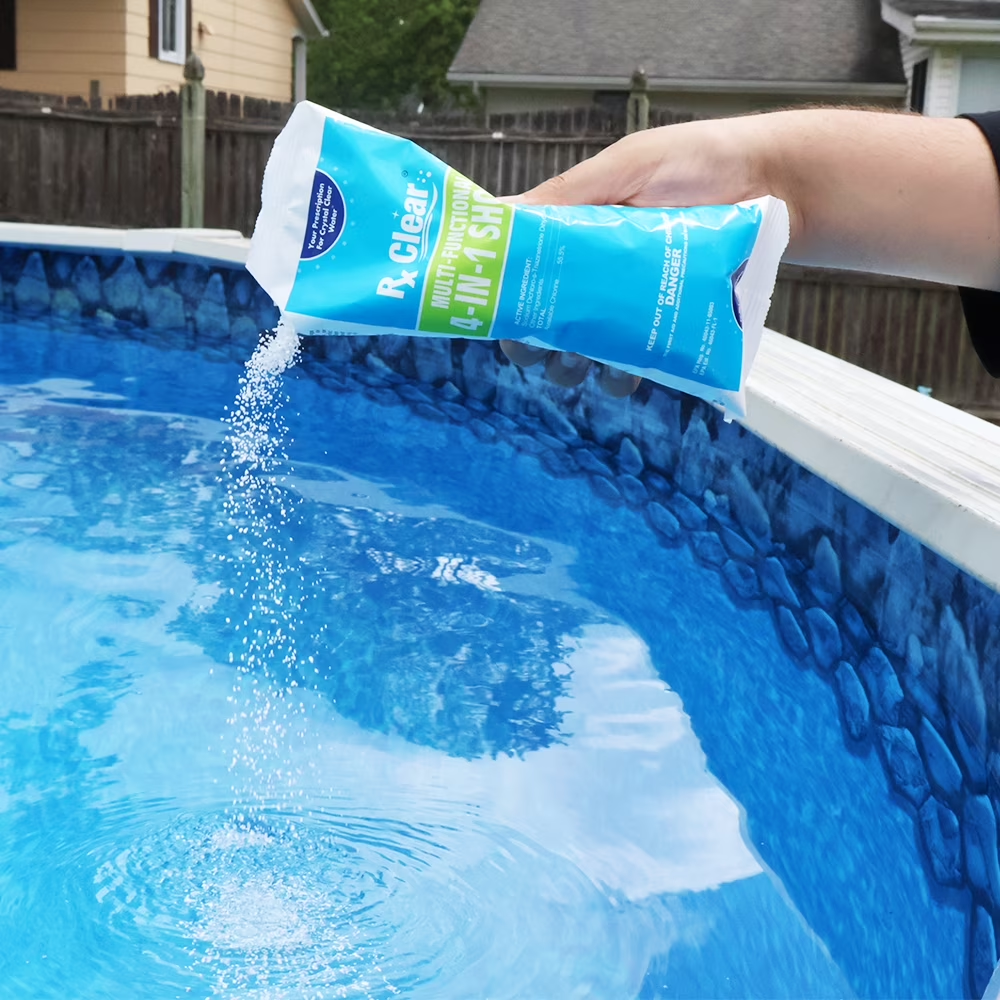
- Shock the pool with the correct dose for the water volume and severity of the bloom. Liquid chlorine or calcium hypochlorite are common choices, but follow the product label carefully.
- Run the pump and filter continuously while the pool clears. Dead algae has to be physically removed by filtration or vacuuming.
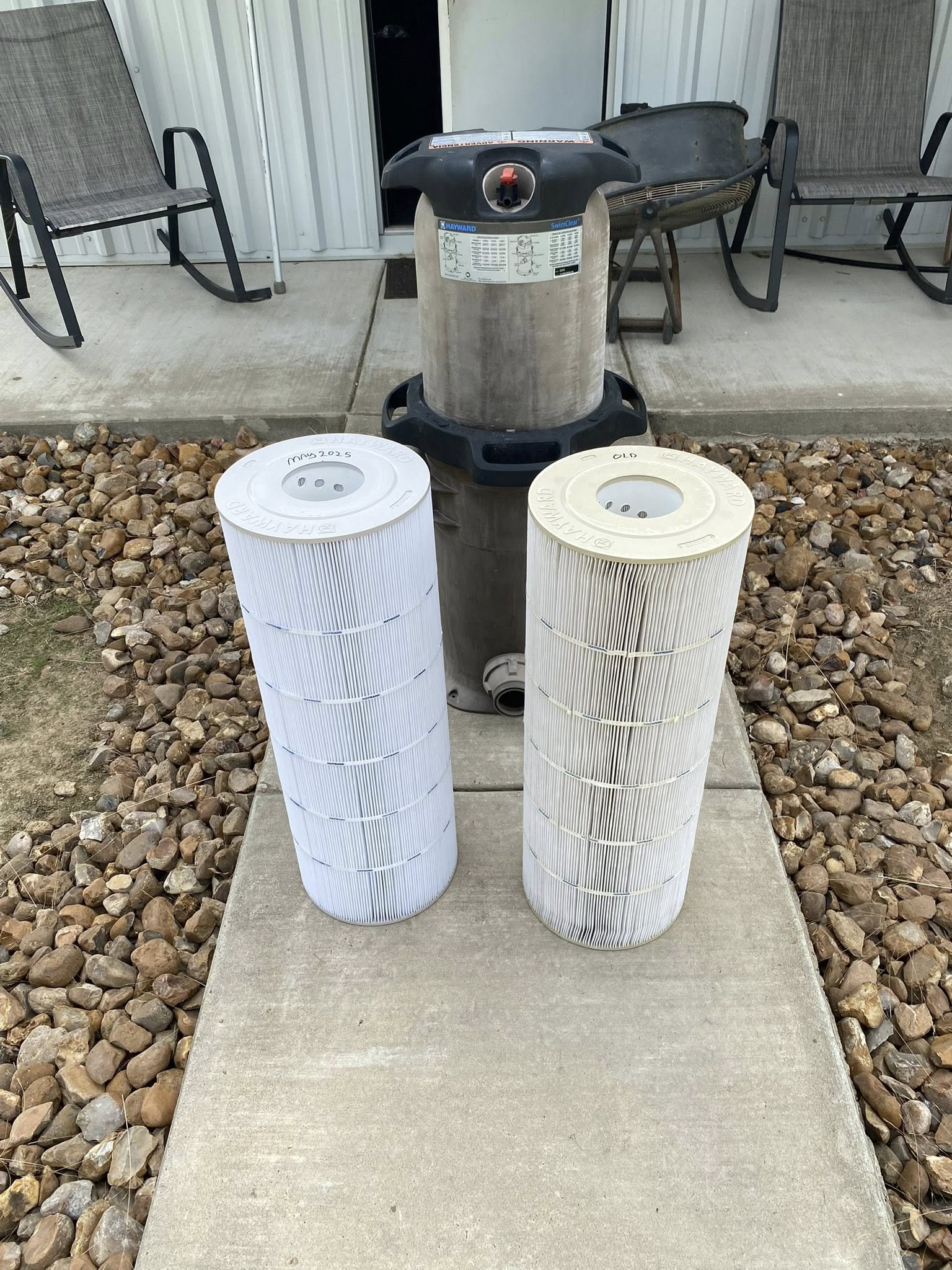
- Clean or backwash the filter repeatedly. A dirty filter can make it look like the shock failed when the real problem is trapped dead algae.
- Vacuum dead algae, ideally to waste when there is a heavy layer on the floor, so the filter does not get overwhelmed.
The PoolBurg green pool recovery process follows the same practical order: verify circulation, brush, shock based on test results, filter around the clock and vacuum dead algae out of the system.
What Is the Best Chemical for Algae?
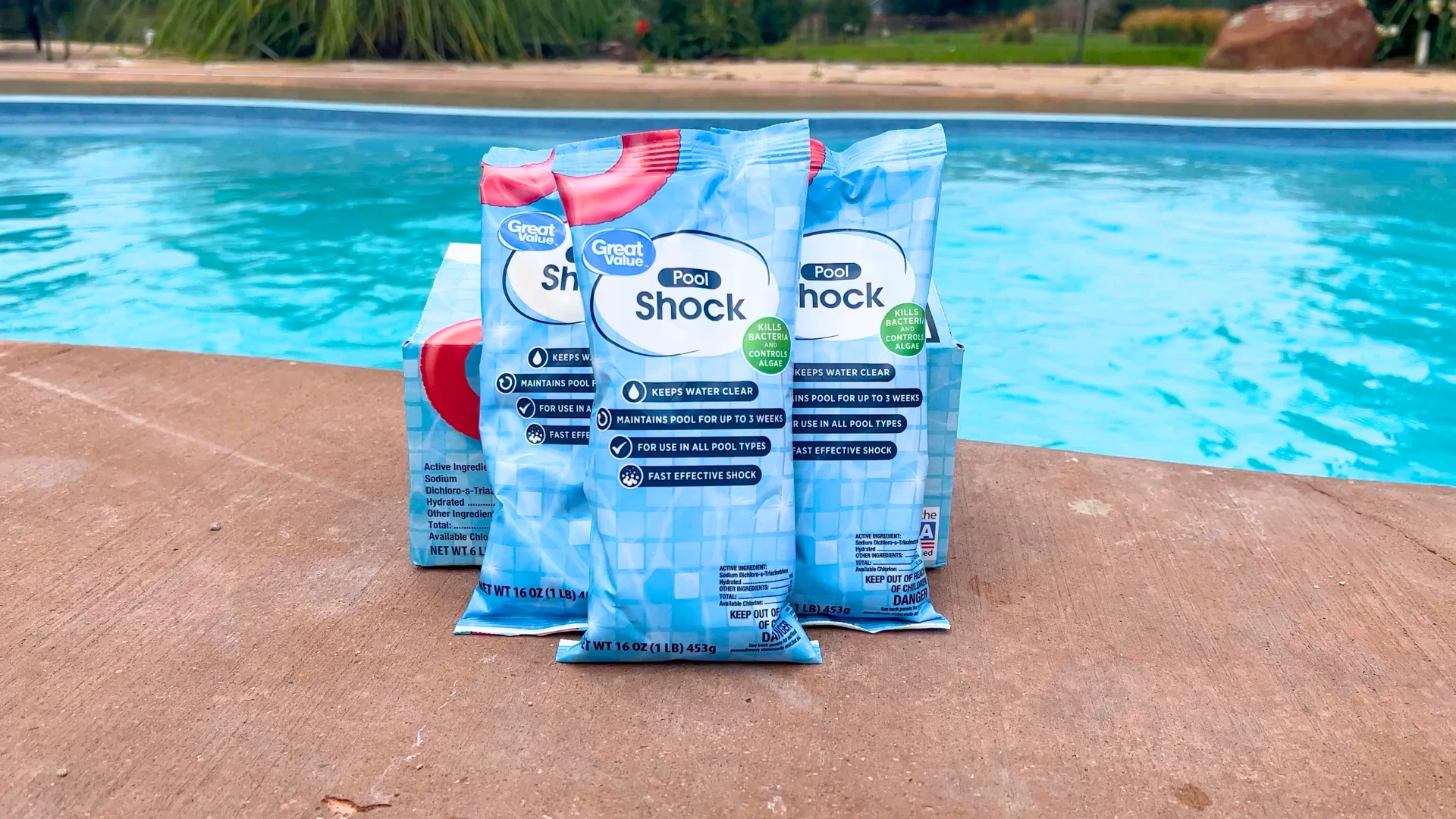
For active green algae, the best chemical for algae is usually chlorine shock used correctly. Algaecide can help in certain cases, especially as a support product or preventive treatment, but it should not replace sanitizer, brushing and filtration. If the pool is full of leaves, dust or dead algae, chemicals alone will not carry the whole job.
NPIC’s pool and spa chemicals fact sheet explains that pool products claiming to kill algae, bacteria or other microorganisms are regulated antimicrobial products, which is why label directions matter. CDC pool chemical safety recommendations also warn against careless handling and mixing. In plain homeowner terms: do not freestyle pool chemicals.
Why Shock Sometimes Looks Like It Is Not Working
If you are trying to kill algae in pool water and nothing changes, one of four things is usually happening. The chlorine level is not high enough for the stabilizer level. The pH is too high. The filter cannot remove the dead algae fast enough. Or the algae is still attached to rough plaster, ladders, steps, lights or low-flow areas because it has not been brushed aggressively enough.
Sometimes the water turns from green to gray or cloudy after shocking. That can actually be progress. Dead algae is often dull, dusty and stubborn. Keep filtering, keep cleaning the filter, and vacuum what settles. If the pool still has visible dark spots after proper treatment, staining, metals or black algae may need a professional look.
How to Keep Algae From Coming Back
After you kill algae in pool water, prevention becomes the quiet hero. Keep chlorine in range, test more often during heat waves, clean the filter when pressure rises, brush weekly and empty baskets after storms. If phosphates are high, removing that food source can make algae prevention easier, especially during DFW pollen season.
Use PoolBurg’s pool algae guide for deeper prevention tips, and pair it with weekly pool maintenance if your pool keeps turning green after every busy weekend or storm. A pool that repeatedly needs shock is usually telling you something about circulation, cleaning, chemistry or filter performance.
If the pool is dark green, the floor is invisible, the filter clogs every few hours, or black algae is embedded in the surface, call PoolBurg before the cleanup gets expensive. Our team can test the water, check the pump and filter, brush and vacuum properly, apply the right pool algae treatment and give you an honest plan to keep the water clear.
People Also Ask
How do I kill algae in my pool fast?
Test the water, correct pH if needed, brush all surfaces, shock with the correct dose, run the filter continuously, clean the filter often and vacuum dead algae. Fast only works when chemistry and circulation work together.
What chemical kills pool algae fastest?
Chlorine shock is usually the fastest primary treatment for active green algae. Algaecide can support the process, but it should not replace proper sanitizer levels, brushing and filtration.
How long does it take to kill pool algae?
Light green algae may improve in 24 to 48 hours. A dark green pool, yellow algae or black algae can take several days, especially if the filter is dirty or the pool has high stabilizer, debris or poor circulation.
Can you swim in a pool with algae?
It is better not to swim until the water is clear, the floor is visible and sanitizer and pH are back in safe range. Algae often means the water has not been properly sanitized.
Why is my pool still green after shocking?
The most common reasons are not enough free chlorine for the stabilizer level, high pH, poor filtration, weak circulation, hidden debris, or algae still attached to surfaces that need heavy brushing.
What is the best green pool fix?
The best green pool fix is a complete process: remove debris, test water, adjust pH, shock, brush, filter continuously, clean the filter and vacuum dead algae out of the pool.
Do phosphates cause algae?
Phosphates do not create algae by themselves, but they can feed algae once sanitizer drops. Reducing phosphates can help prevention, but it is not a substitute for chlorine and brushing.
Conclusion
Need to kill algae in pool water without turning the whole weekend into a chemistry experiment? PoolBurg offers green pool cleanup, brushing, vacuuming, filter checks and weekly service across North Texas. Contact PoolBurg for a professional algae cleanup and a prevention plan that fits your pool, your yard and your schedule.