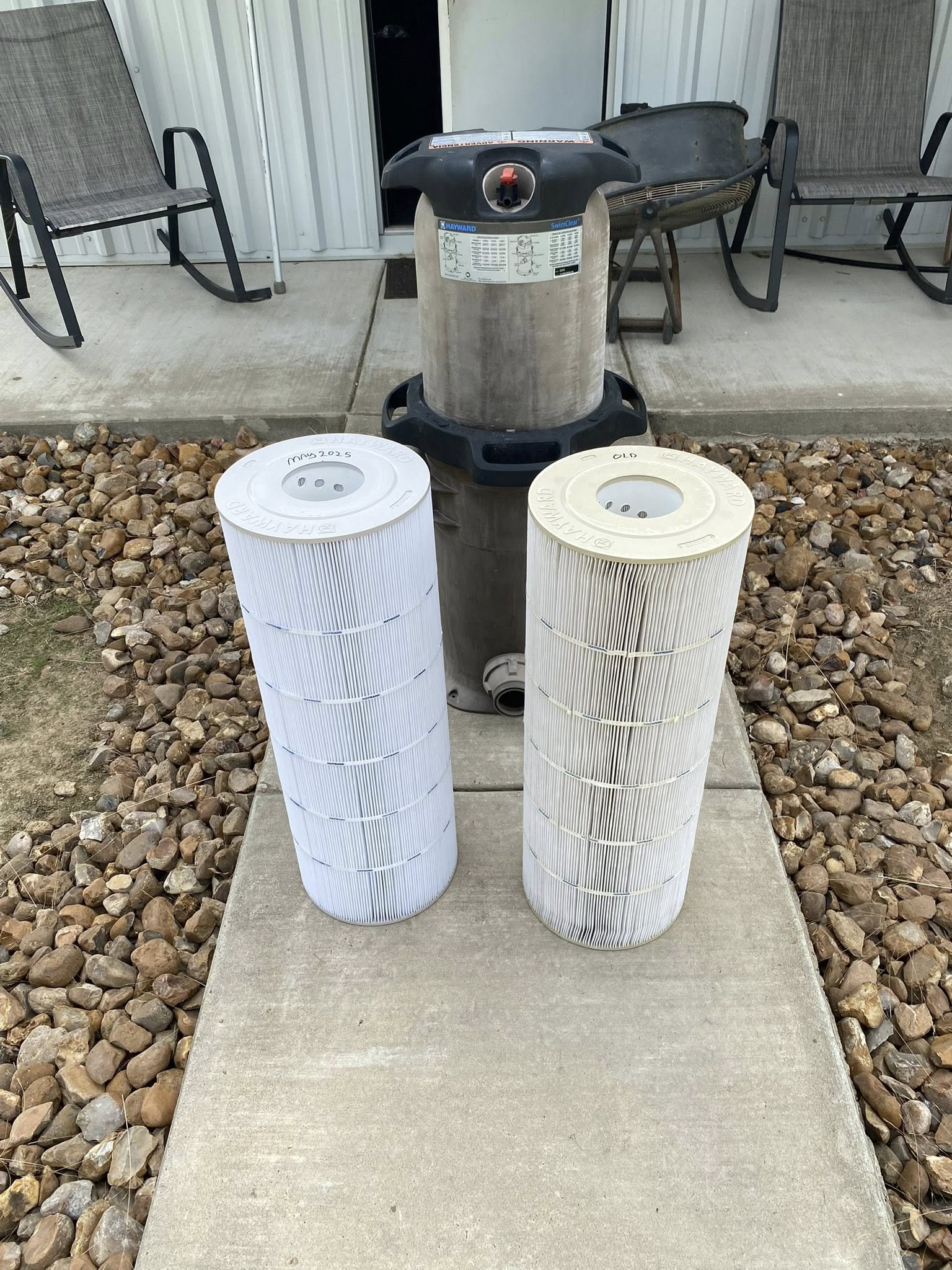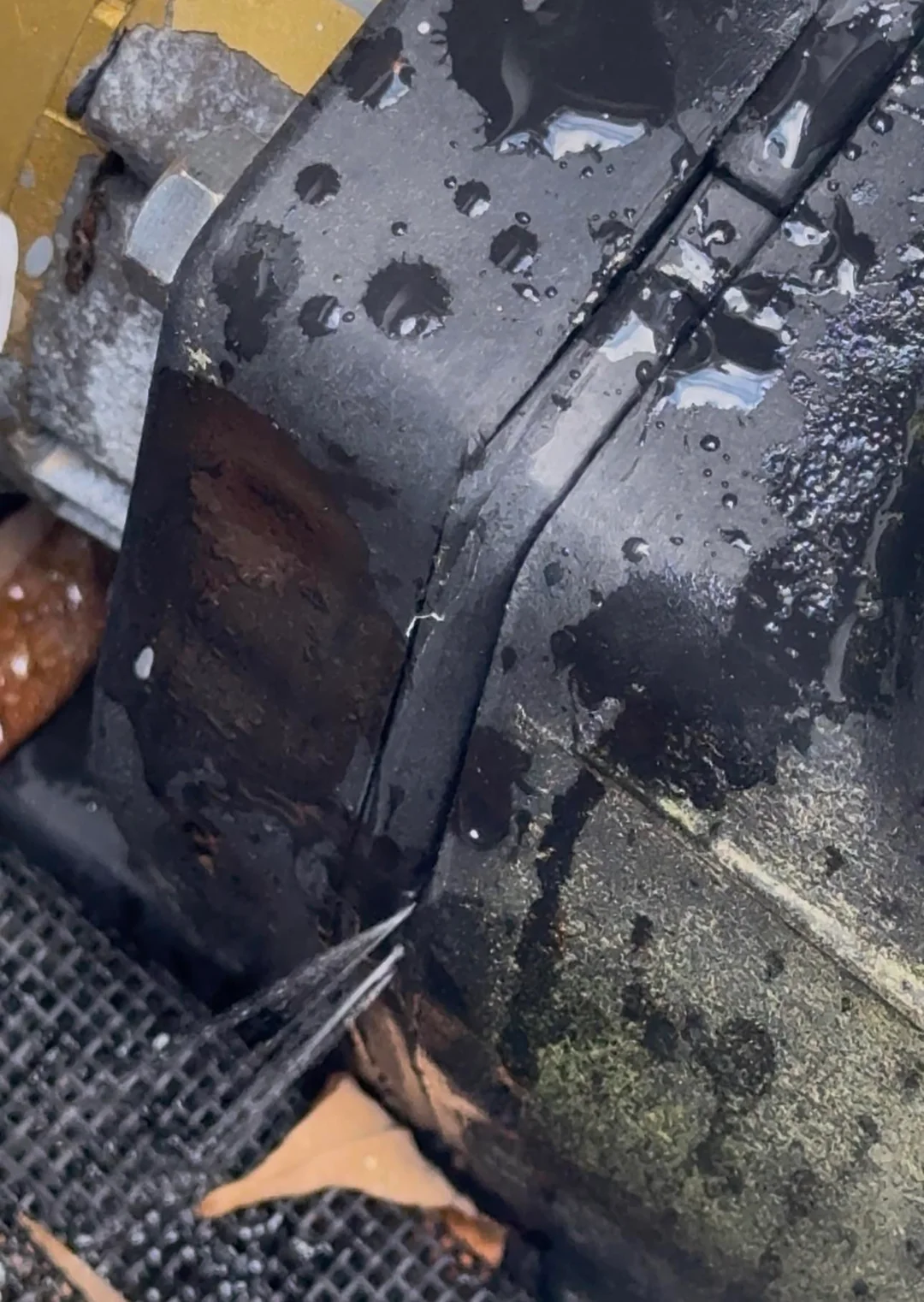
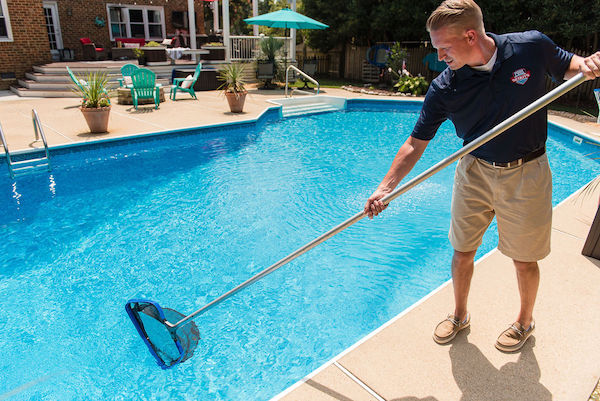
Weekly pool maintenance routine sounds simple, but in North Texas it is the difference between water that stays clear and water that suddenly gets weird on a Friday afternoon. Heat, pollen, dust, storms, and heavy swimming all pile onto the same pool. That is why a good weekly pool maintenance routine is not about being fussy. It is about giving the water a steady rhythm so you are not fighting algae, cloudy water, or equipment problems later.
Why Weekly Pool Maintenance Matters in Texas
A weekly pool maintenance routine matters more here because Texas heat works fast. Chlorine gets used up, warm water encourages algae, and one storm can dump leaves, dirt, and fertilizer runoff into the pool. The National Weather Service tracks hot DFW summers, and local pool owners already know what that feels like at the equipment pad. If you want help keeping that rhythm, PoolBurg’s weekly pool service handles cleaning, water balancing, and equipment checks so the pool does not become another weekend chore.
The Weekly Pool Maintenance Checklist
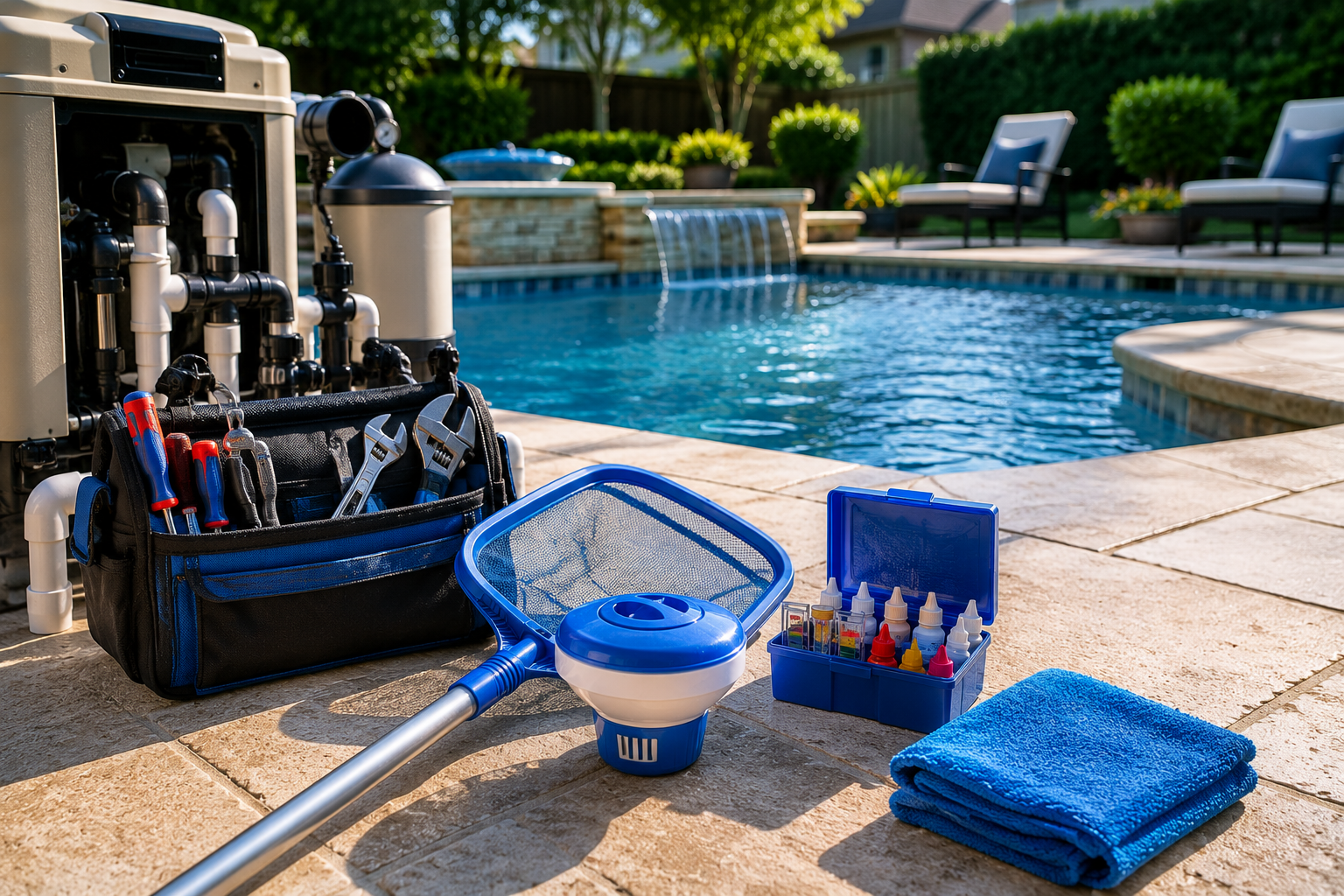
A practical pool maintenance checklist does not need to be fancy. Start by skimming the surface, emptying skimmer baskets, emptying the pump basket, brushing walls and steps, vacuuming the floor, testing chlorine and pH, adjusting chemicals, checking filter pressure, and looking over the equipment pad for leaks, odd sounds, or weak flow. The CDC’s healthy swimming pool guidance points to the importance of safe sanitizer and pH levels, and that is exactly why testing belongs in every weekly pool maintenance routine.
The 3 C’s of Pool Care
Think of your pool care routine as three simple C’s: circulation, cleaning, and chemistry. Circulation moves water through the pump and filter. Cleaning removes what the filter cannot magically erase from walls, steps, tile lines, and corners. Chemistry keeps the water comfortable and protected. Miss one of the three and the others start struggling. A sparkling pool is rarely “lucky.” It is usually just regular pool maintenance done before problems get dramatic. For homeowners who want more simple guidance, PoolBurg’s pool care tips break down the small habits that make a real difference.
What Homeowners Usually Miss
Most homeowners remember to skim. Many forget to brush. Steps, benches, tanning ledges, behind ladders, and the waterline are where early algae and scale like to hide. Also, listen to the pump. A new whine, grinding sound, air bubble, or pressure change can be the first clue something is off. After storms, test again instead of assuming yesterday’s chemistry still counts. The Environmental Protection Agency also recommends careful handling and storage of pool chemicals, which matters when regular pool maintenance includes adding products around the home.
Weekly Maintenance for Saltwater Pools
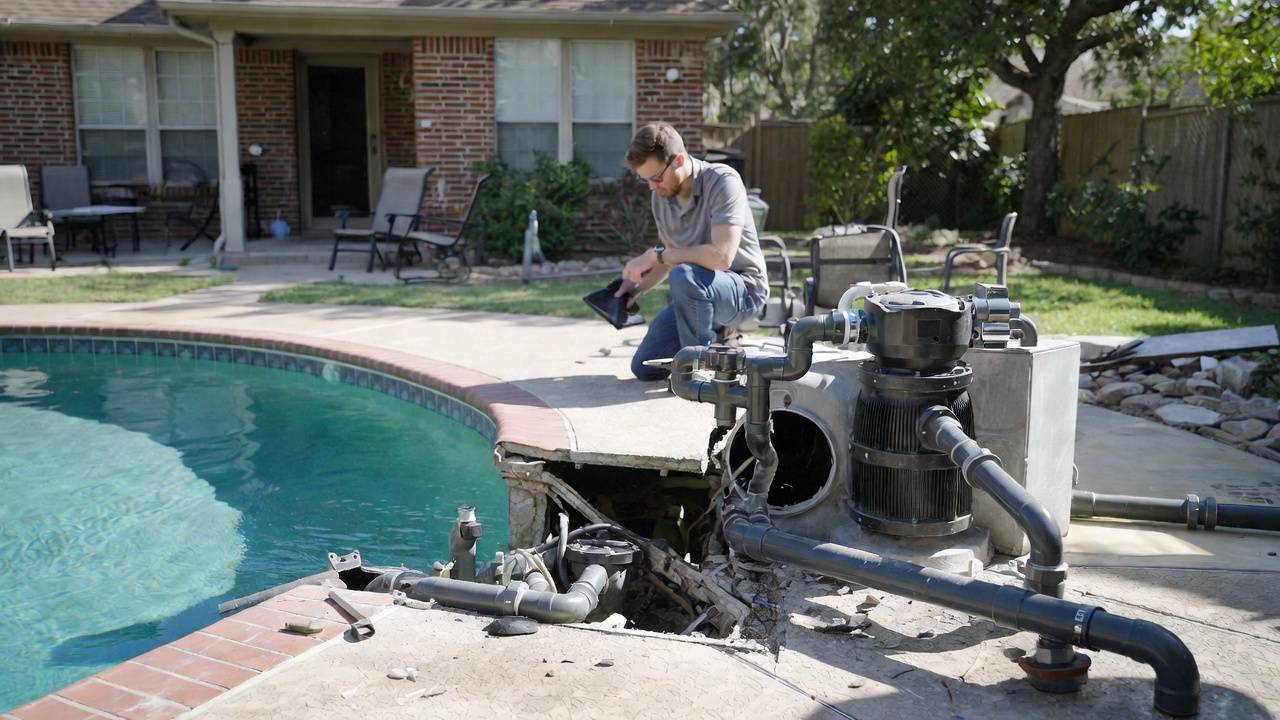
Saltwater pools still need a weekly pool maintenance routine. They are not “set it and forget it.” You still test chlorine, watch pH drift, check the salt system status, inspect for cell scale, and keep baskets clean. DFW hard water can leave scale on salt cells and tile, especially if pH keeps running high. PoolBurg’s water chemistry calculator can help with quick planning, but weekly testing is still the habit that keeps small issues from turning into expensive visits.
DIY vs Professional Weekly Pool Service
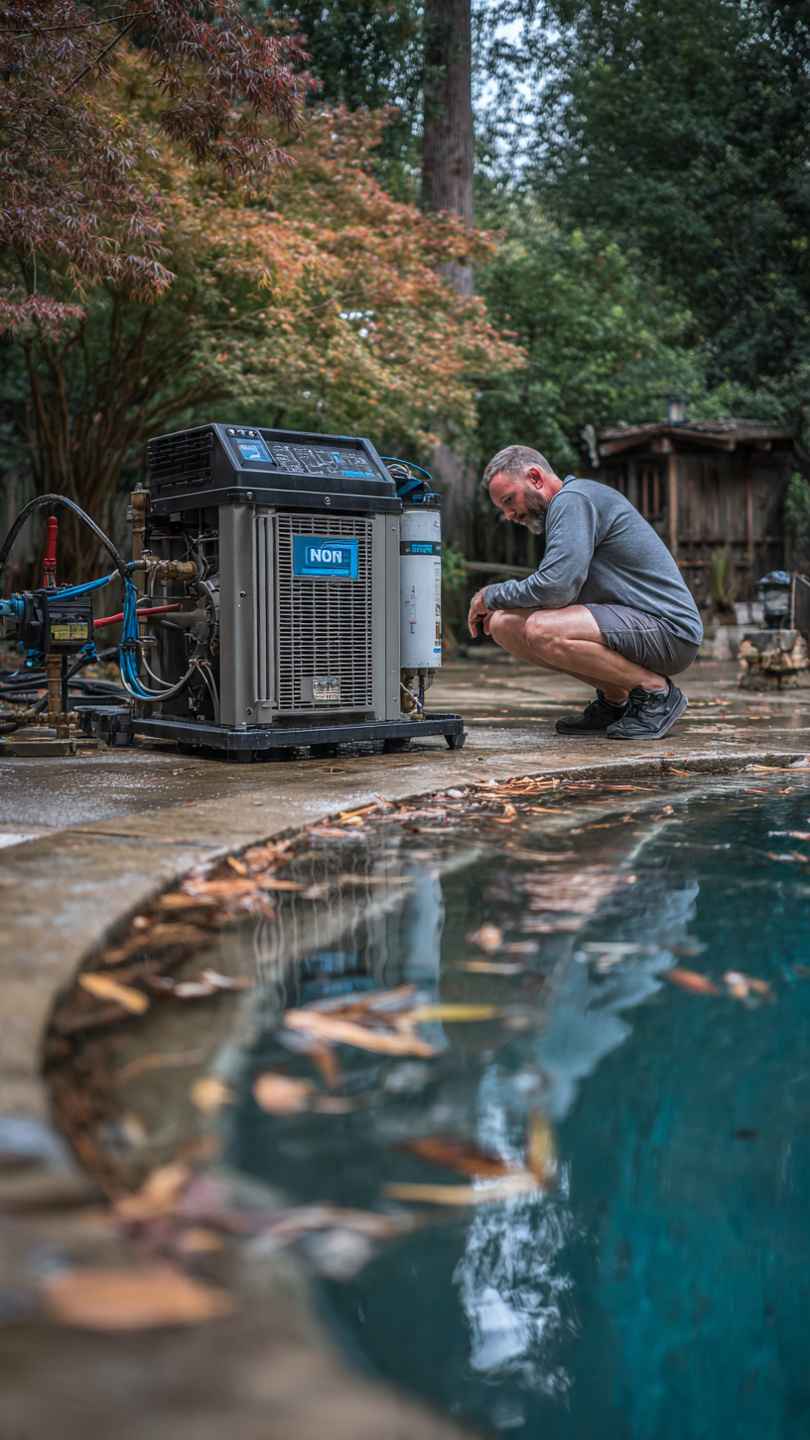
DIY works if you are consistent. The problem is that life gets busy, and pools do not care that you had a long week. Professional service brings consistency, better testing, early equipment inspection, and fewer surprises. A tech may notice rising filter pressure, a weak cleaner, a small leak, or a pump sound before the homeowner catches it. ENERGY STAR notes that efficient pool pumps can save energy, and the U.S. Department of Energy explains how efficient swimming pool pump operation can lower pumping costs. That matters when your pool needs reliable circulation during long DFW summers.
People Also Ask
What regular maintenance should be done on a pool?
A weekly pool maintenance routine should include skimming, brushing, vacuuming, emptying baskets, testing water, balancing chemicals, checking filter pressure, and inspecting equipment.
What is a good pool maintenance routine?
A good routine covers circulation, cleaning, and chemistry every week. During heavy heat, rain, or heavy swimming, testing more often is smart.
What are the 3 C’s of pool care?
The 3 C’s are circulation, cleaning, and chemistry. All three must work together for clear, safe, comfortable water.
How often should pool maintenance be done?
Most residential pools need weekly maintenance. In Frisco, Plano, Allen, McKinney, The Colony, Lewisville, Southlake, Grapevine, and nearby DFW areas, every other week can be risky in summer.
Is it hard to maintain a pool yourself?
It is not hard if you are consistent, but it is easy to fall behind. That is why many homeowners choose professional regular pool maintenance instead of babysitting the pool every weekend.
PoolBurg Makes Weekly Pool Care Easier
The best weekly pool maintenance routine is the one that actually happens every week. PoolBurg helps homeowners keep clean water, steady chemistry, and healthier equipment without guessing. If your pool keeps drifting, clouding up, or stealing your Saturdays, contact PoolBurg and let us build a pool care routine that fits your home.