Yellow algae in pool water is one of those problems that makes homeowners feel like they already did everything right. You brush it. You add an algaecide. You clean the filter. Then a few days later, the dusty yellow patches are back on the same wall, step, light niche, or shady corner like nothing happened. Annoying? Absolutely. Random? Usually not.
In many DFW pools, yellow algae in pool surfaces shows up where circulation is weak, sunlight is limited, or sanitizer is not keeping up with the real demand. PoolBurg sees this a lot in shaded pools around Plano, McKinney, Allen, Carrollton, Farmers Branch, Keller, and Southlake, especially when warm weather, heavy use, and weekly-only brushing leave algae room to settle in.
What Yellow Algae Looks Like
Yellow algae in pool areas often looks like tan dust, pollen, or a light mustard-colored stain. That is why it gets called mustard algae pool growth. It may collect on shaded walls, steps, behind ladders, around lights, under automatic cleaners, or where the pool brush does not hit often enough.
The tricky part is that yellow pool algae can brush away pretty easily. That makes it look like dirt at first. The difference is what happens next. Dirt usually gets filtered out. Yellow algae in pool walls tends to return to the same area, especially if chlorine, pH, stabilizer, brushing, and filtration are not all working together.
Yellow Algae vs Pollen or Dirt
Before you attack the water with chemicals, make sure you are actually dealing with yellow algae in pool surfaces. Pollen often floats, collects in skimmers, or forms dusty drifts after windy days. Dirt usually settles on the floor and vacuums out cleanly. Algae on pool walls clings more stubbornly, comes back after brushing, and may show up more in shaded or low-flow areas.
A simple pattern check helps. If the yellow film keeps appearing on the same wall or behind the same ladder, it is probably not just random debris. If the water is slightly dull, the filter is dirty, or the pool has high stabilizer, that is another clue that yellow algae in pool areas may be feeding on a bigger balance issue.
Why Yellow Algae Keeps Coming Back
Yellow algae in pool water usually returns because the treatment only handled what was visible. Common causes include low free chlorine, high CYA, weak circulation, poor brushing, dirty filters, and algae hiding on pool toys, hoses, vacuums, brushes, or behind removable fittings.
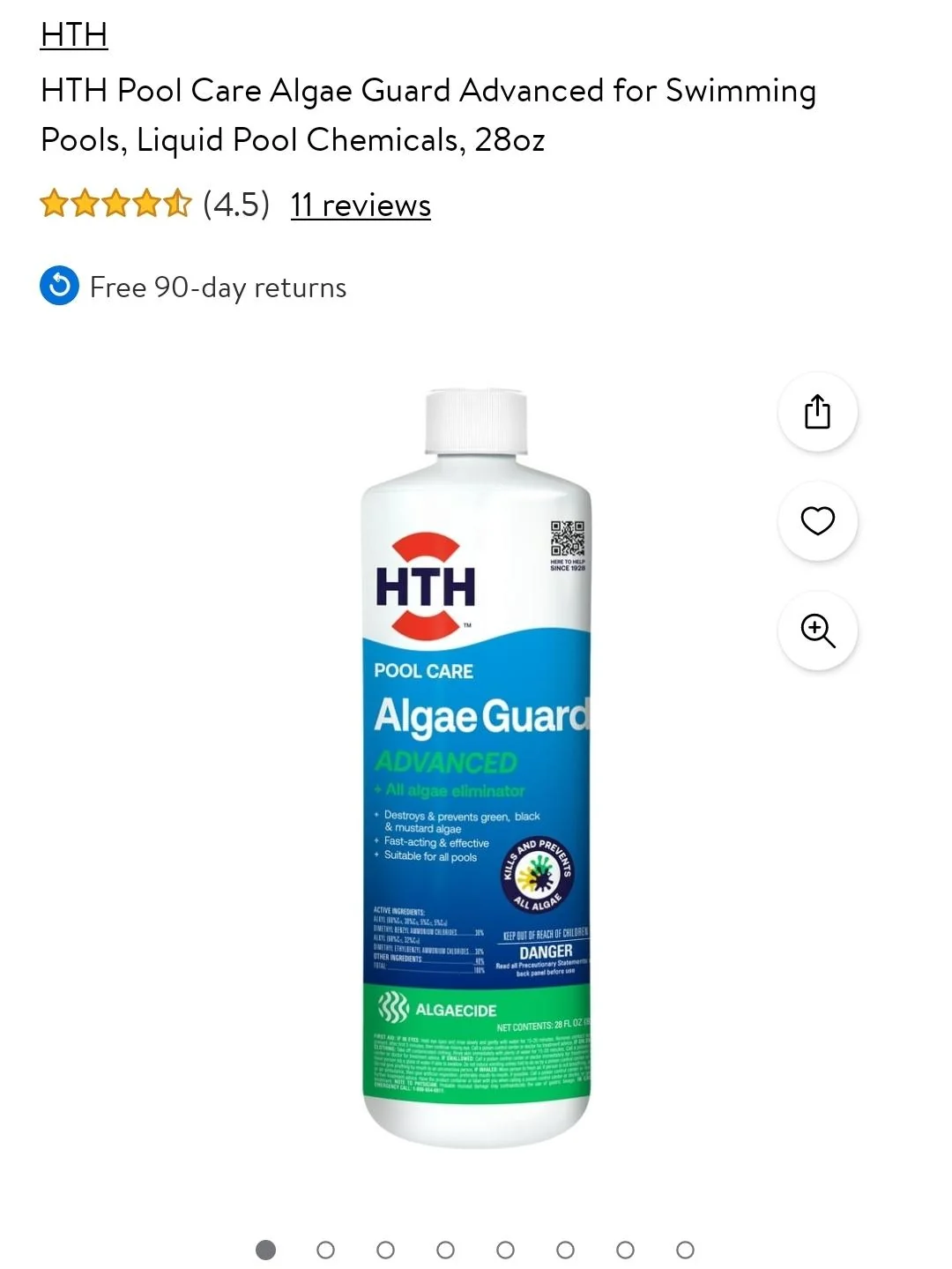
This is where many homeowners get burned. A bottle labeled for mustard algae pool treatment can help in certain situations, but it is not magic. If the chlorine level is too low for the stabilizer level, or the algae is protected by a slimy surface layer, pool algae treatment may fail even when the label sounds promising. The CDC explains that chlorine and pH are the first defense in treated pool water, and pH affects how well chlorine works, so guessing is not a great strategy.
How to Treat Yellow Algae Properly
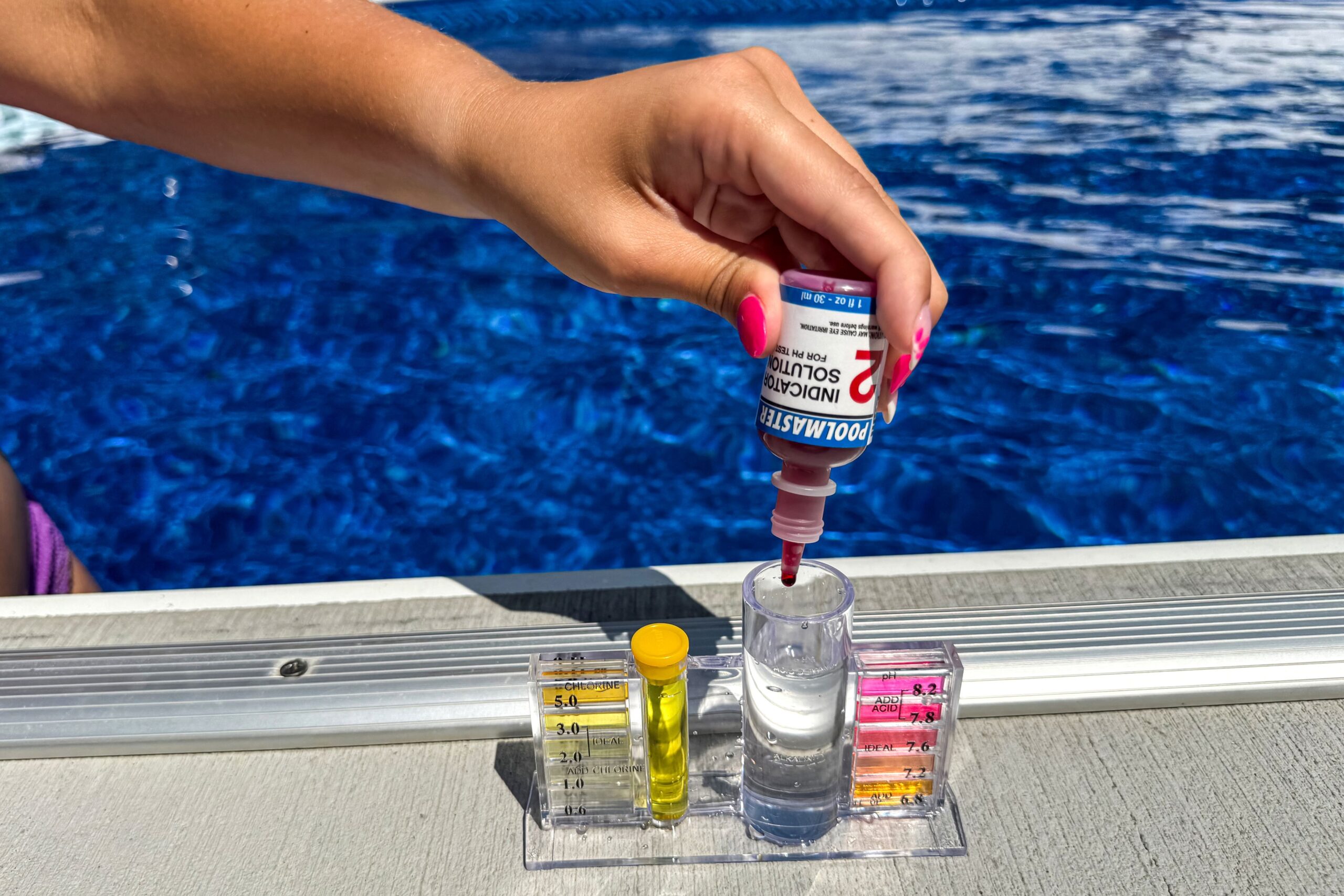
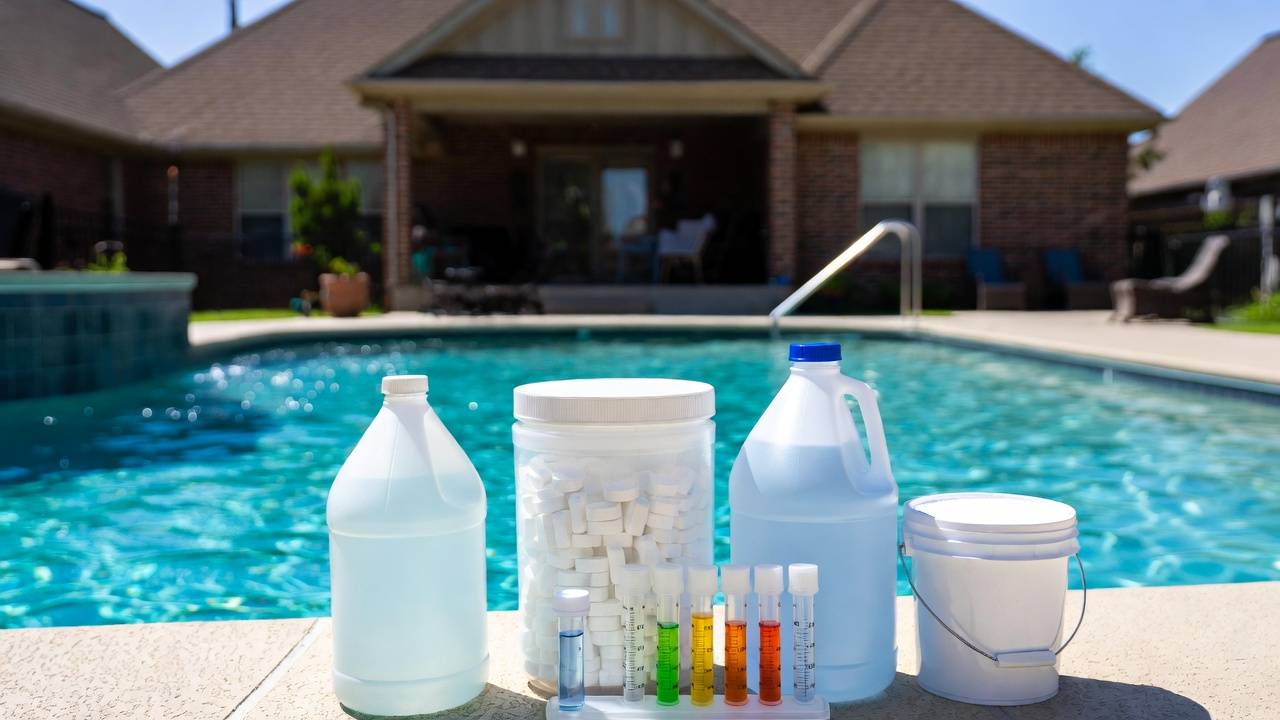
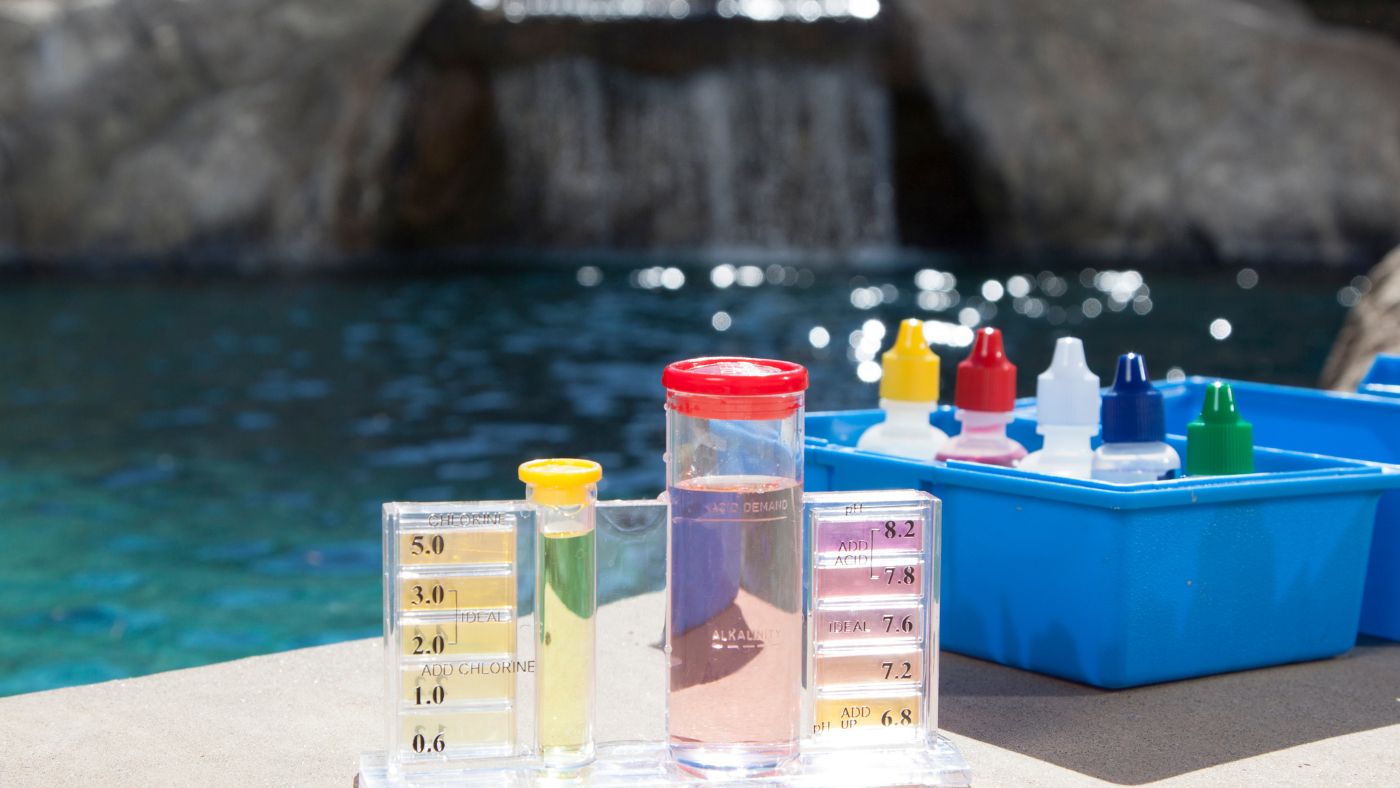
The best way to treat yellow algae in pool surfaces is to slow down and do it in the right order. First, test the full chemistry, not just chlorine. Check free chlorine, combined chlorine, pH, alkalinity, stabilizer, and filter pressure. If stabilizer is high, chlorine has a harder job. If pH is out of range, sanitation becomes less predictable.
Next, brush aggressively. Not a cute little once-around-the-pool brush either. Brush the walls, corners, steps, behind ladders, around lights, benches, and every spot where yellow pool algae has been hiding. If you want a deeper breakdown, PoolBurg already has a helpful guide on how to kill algae in pool water, and it pairs well with this issue.
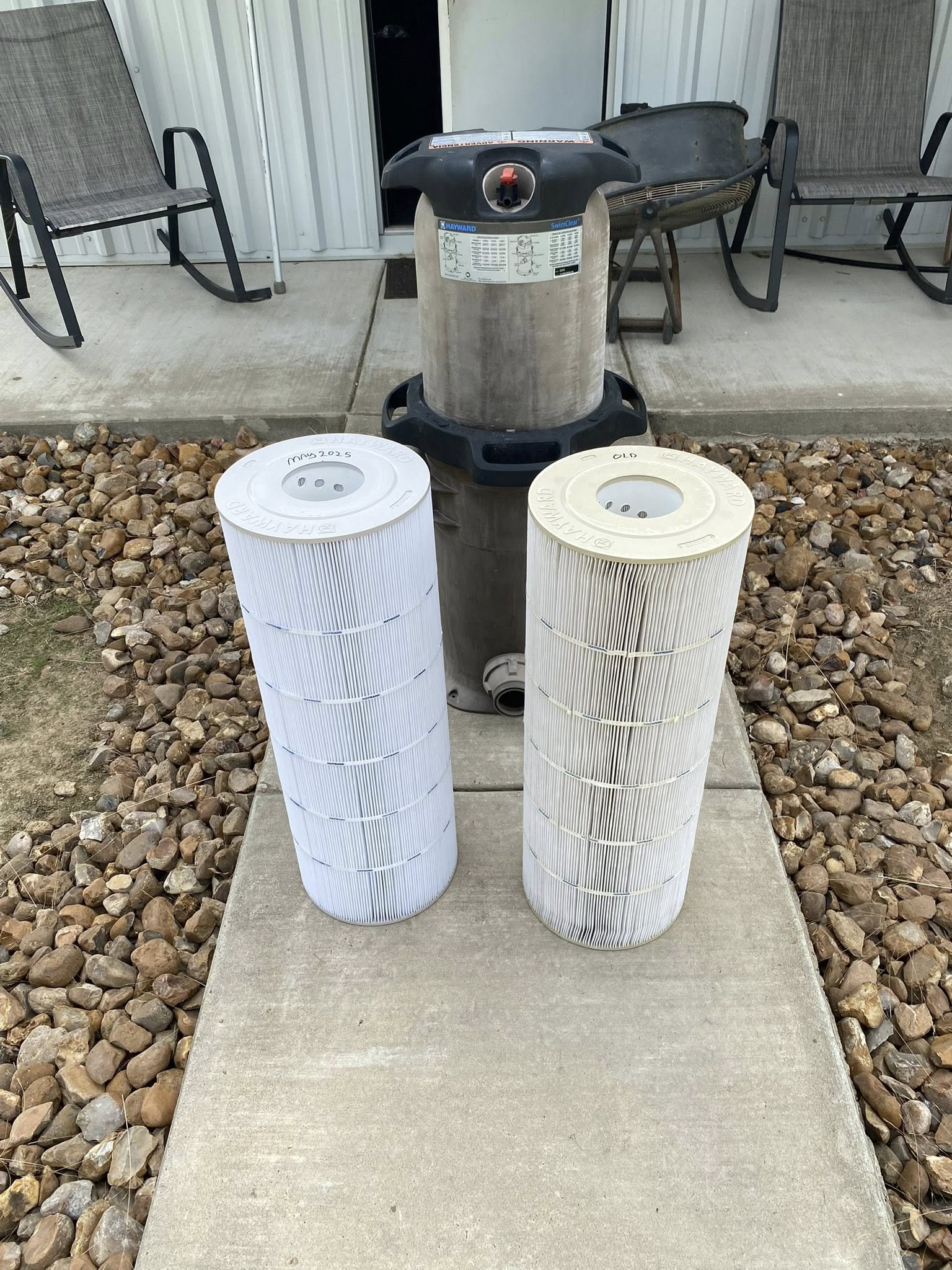
After brushing, clean or backwash the filter so loosened algae does not keep circulating. Then shock the pool based on accurate testing and the product instructions. Keep the pump running, retest, brush again, and do not declare victory just because the pool looks better the next morning. Yellow algae in pool trouble often needs repeated brushing and sustained sanitation before it truly gives up.
Also clean the extras: vacuum hoses, brushes, floats, toys, tablet feeders, and anything else that sits in the water. Recurring algae on pool walls can come from something being reintroduced over and over. That one pool float nobody suspects? Little backyard villain.
Why Normal Shock Sometimes Fails
Normal shock sometimes fails because yellow algae in pool surfaces can hide in protected areas and because the pool may not have enough active chlorine for its stabilizer level. If CYA is high, you may need a different plan than “just dump in another bag.” PoolBurg’s articles on pool phosphate remover, pool algae treatment, and normal pool filter pressure gauge reading can help homeowners understand why algae keeps finding weak spots.
Phosphates can feed algae, but phosphate remover is not a substitute for sanitizer. Filter time helps the water look clean, but filters do not kill algae by themselves. Brushing, chemistry, and circulation all have to show up to work. Very rude of them, but true.
People Also Ask
What is yellow algae in a pool?
Yellow algae in pool water is a mustard-colored algae growth that often clings to shaded walls, steps, ladders, and low-circulation areas. It can look like pollen or dust but usually returns after brushing.
How do I get rid of mustard algae?
Start with complete water testing, correct pH, brush every affected surface, clean the filter, shock at the proper level, clean pool tools and toys, and keep circulation running until tests and surfaces stay clean.
Is yellow algae dangerous?
Yellow algae itself is usually more of a water quality warning than an emergency, but it means the pool is not properly controlled. Avoid swimming until the water is clear, balanced, and properly sanitized.
Why does yellow algae keep coming back?
It often comes back because of low chlorine, high stabilizer, weak circulation, dirty filters, poor brushing, or contaminated pool accessories that keep reintroducing algae.
Is it algae or pollen?
Pollen usually floats, drifts, or collects in skimmers. Yellow algae in pool surfaces tends to stick to walls or steps, brush away, then return in the same place.
Do I need to clean pool toys after algae?
Yes. Toys, floats, brushes, vacuums, and hoses can carry algae back into the water. Clean them during treatment so the pool does not get reinfected.
PoolBurg Can Help Stop Yellow Algae From Coming Back
If yellow algae in pool walls keeps returning after brushing and shocking, the issue is usually bigger than one bottle of algaecide. PoolBurg can test the water, check circulation, inspect the filter, brush the problem areas, and build a pool algae treatment plan that makes sense for your actual pool.
For homeowners in Frisco, Plano, McKinney, Allen, Carrollton, Farmers Branch, Keller, Southlake, and nearby DFW areas, PoolBurg can help get the pool clear and keep it from turning into the same weekend headache again. Contact PoolBurg and let the algae drama retire early.