While it is easy to ignore a single rocking brick, a small crack, or a widening gap because your backyard still looks great and the pool functions normally, pool coping repair often begins with these subtle warning signs. Coping is far more than just a decorative border. As the finished edge of your pool, it provides a safe grip and step for swimmers, directs water away from the structure, and plays a vital role in protecting the bond beam.
For homeowners in Frisco, Plano, McKinney, Allen, Southlake, Keller, Grapevine, and Prosper, pool coping repair matters even more because North Texas soil movement, hard storms, and hot summers can be rough on pool edges. A few loose stones today can become tile damage, deck movement, or a bigger pool edge repair later.
What Pool Coping Does
Pool coping is the cap around the top edge of an inground pool. It creates the transition between the pool shell and the surrounding deck, and it helps protect the upper pool structure from water intrusion. Better Homes and Gardens explains pool coping as both a functional and visual part of the pool edge, not just a trim piece.
Good coping also improves comfort and safety. It rounds off the pool edge, gives swimmers a clean handhold, and helps splash water drain the right way instead of sneaking behind the tile. The Spruce notes that coping should direct water away from the pool, which is one reason damaged coping should not sit ignored for months.
Signs Pool Coping Needs Repair
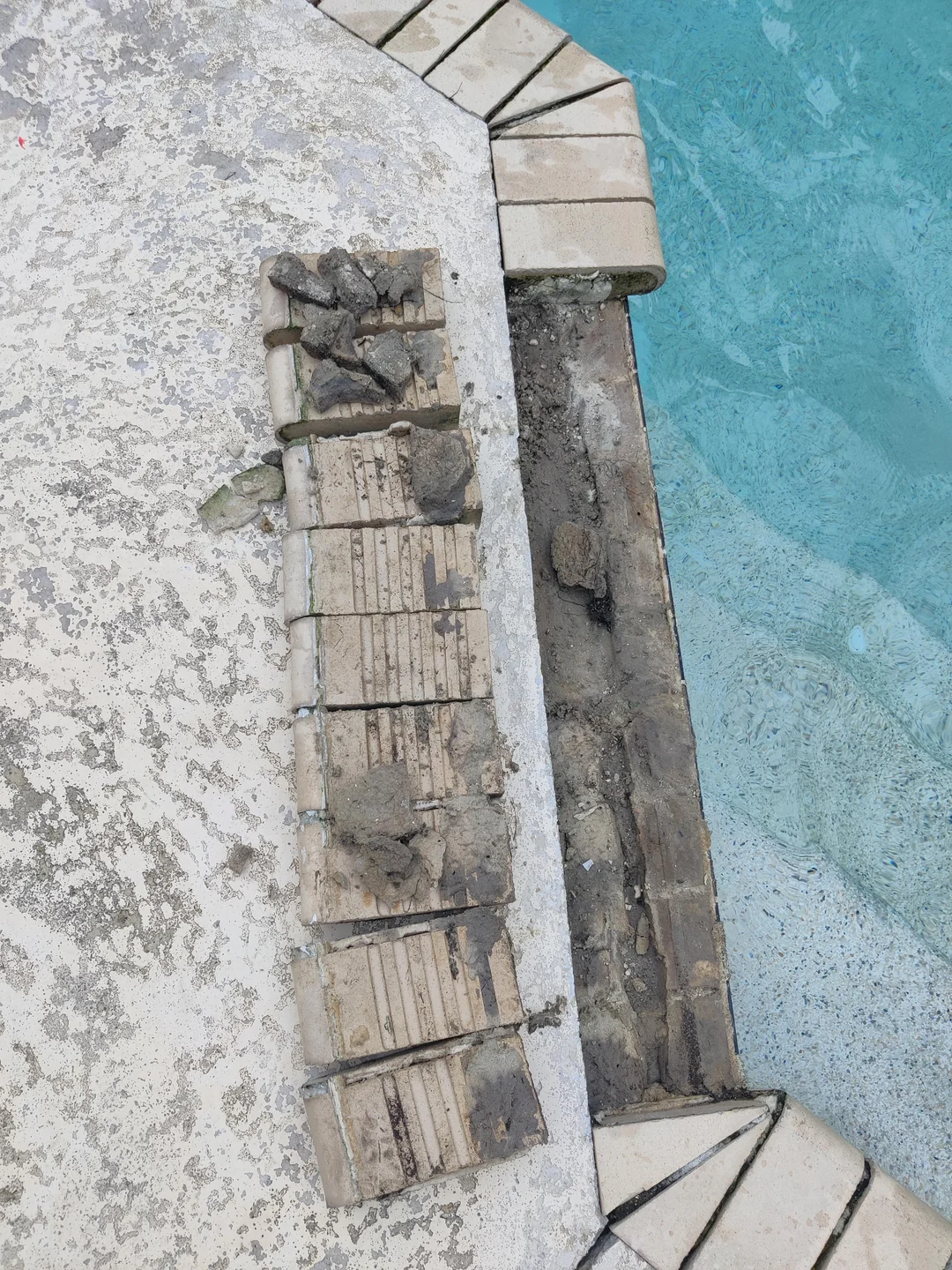
You may need pool coping repair if you notice loose stones, cracked pool coping, missing mortar, sharp edges, or gaps between the coping and deck. Another big clue is movement. If a coping stone shifts when you step on it, rocks when you pull on it, or sounds hollow underneath, the mortar bed may already be failing.
Look closely at the waterline too. If the tile below the coping is separating, the grout is missing, or calcium is building up around open joints, the coping and tile may be connected problems. That is where PoolBurg may recommend checking pool tile grout missing and pool tile calcium buildup at the same time.
What Causes Pool Coping Damage?
The usual suspects are soil movement, freeze/thaw stress, deck movement, water intrusion, poor installation, aging mortar, and tree roots. North Texas pools deal with a lot of moisture swings. When soil expands after rain and shrinks during dry stretches, the pool deck and pool edge can move at slightly different speeds. Shrink and swell soil movement can damage hard surfaces, and pool coping often shows the first visible symptoms.
Mortar failure is another common reason for loose pool coping. If the old setting bed is crumbly, dirty, or uneven, simply smearing new material over the top is a short-term patch at best. Masonry repair depends on clean surfaces and the right mix. Mortar mix guidance is a good reminder that too much water or the wrong material can weaken the bond.
Why Coping Damage Should Not Be Ignored
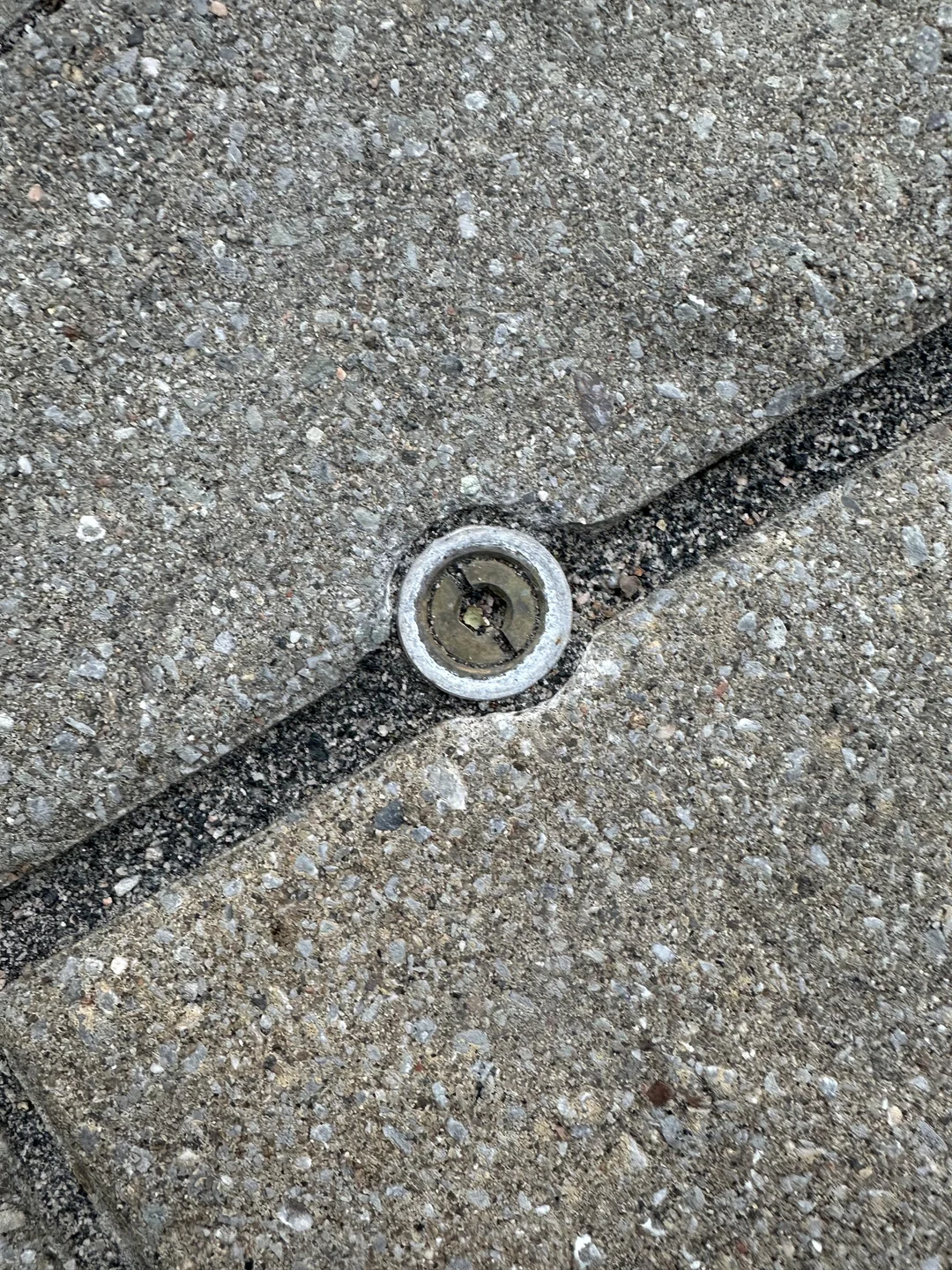
Loose pool coping is not just ugly. It can become a trip hazard, a sharp edge, or a weak spot where water gets behind the pool edge. Once water gets under coping, it can loosen more mortar, affect nearby tile, and make cracks spread faster. That small “I’ll fix it later” stone can turn into a much larger pool deck coping project.
This is especially true when coping damage appears beside pool plaster stains, waterline tile problems, or recurring issues after storms. If the same edge keeps shifting after every heavy rain, the repair may need more than a quick reset.
Repair vs Replace Pool Coping
Small pool coping repair may involve resetting a few loose stones, cleaning the bond area, replacing missing mortar, and matching the existing joints as closely as possible. If only one section has failed and the surrounding coping is solid, a targeted repair may be enough.
Replacement starts to make more sense when the coping is cracked in many places, the deck edge has moved, the old material no longer matches, or the bond beam area is damaged. A full renovation may also make sense if coping repair is happening alongside tile replacement, resurfacing, or a larger pool edge repair.
One note: caulk is not a magic fix for loose coping. Sealant has a place in movement joints, but loose coping usually needs proper cleaning, bedding, leveling, and joint work. If nearby anchors or cover hardware are also moving, it is smart to inspect pool cover anchors loose before the deck edge gets worse.
People Also Ask
What is pool coping?
Pool coping is the finished cap around the top edge of an inground pool. It covers the bond beam, creates a transition to the deck, and helps protect the pool edge.
When should pool coping be repaired?
Pool coping repair is needed when stones are loose, cracked, uneven, sharp, missing mortar, or allowing water behind the pool edge.
Can loose coping stones be reset?
Yes, loose coping stones can often be reset if the stone is still usable and the bond area is sound. The old loose mortar should be cleaned away first.
What causes pool coping to crack?
Cracked pool coping can come from soil movement, deck movement, water intrusion, freeze stress, aging mortar, tree roots, or poor installation.
Is cracked pool coping dangerous?
It can be. Cracked or loose coping may create sharp edges, trip hazards, and places where water can enter behind the pool structure.
Should coping repair be done with tile repair?
Often, yes. Coping, grout, tile, and the pool edge work together, so it is smart to inspect them at the same time.
PoolBurg Can Inspect the Whole Pool Edge
A good pool coping repair should solve the reason the coping failed, not just make the loose piece look better for a few weeks. PoolBurg can inspect coping, waterline tile, grout, deck-adjacent movement, and storm-related wear so you know whether a small repair is enough or a larger fix is coming.
If your pool edge is shifting, cracking, or starting to feel unsafe, contact PoolBurg and let us take a look before minor edge damage becomes a bigger repair.