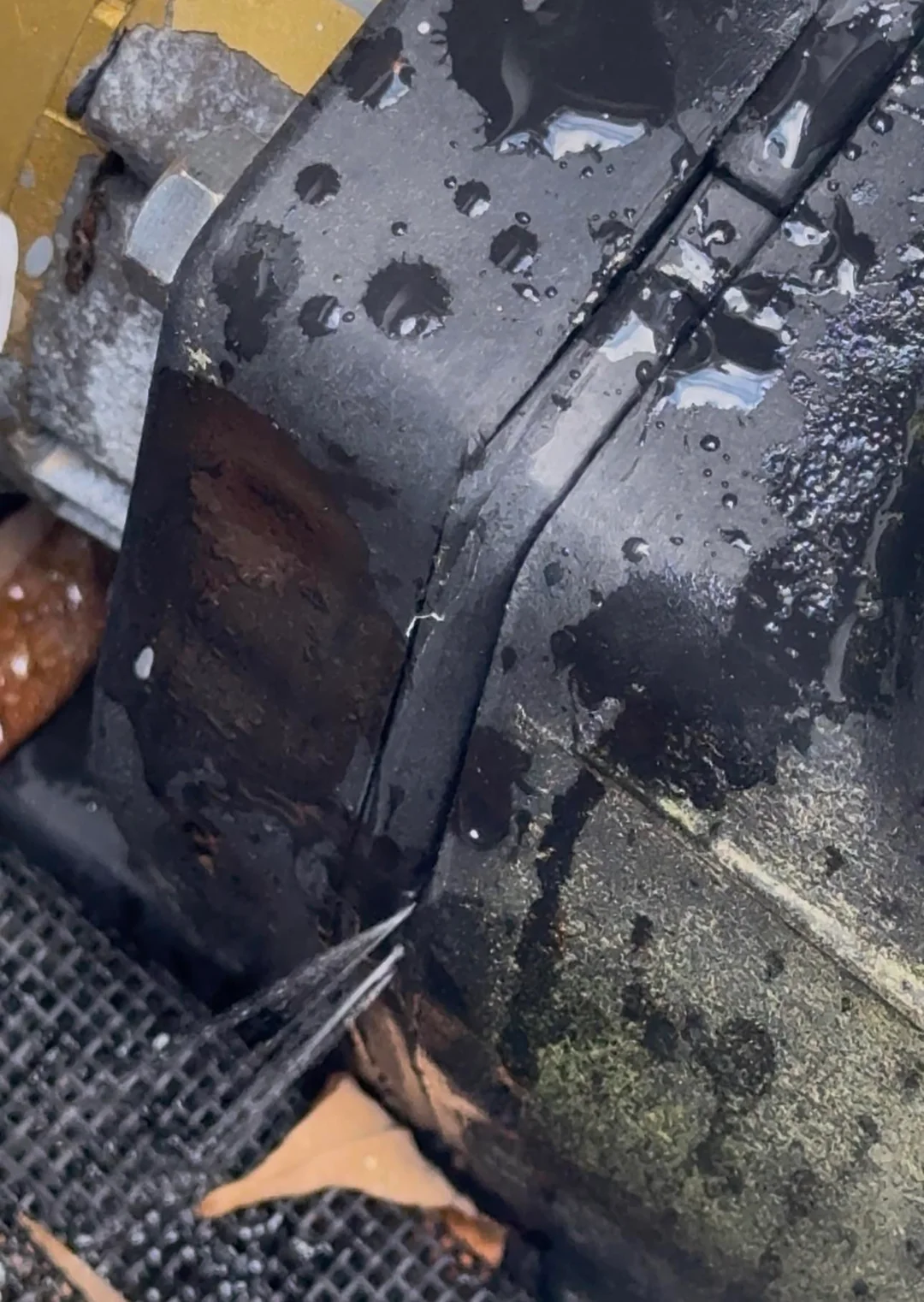
Discovering pool cover mold is a frustrating warning sign that can quickly turn your backyard investment into a nasy surprise. Whether it smells musty, leaves stains on your hands, or releases slimy debris into the water, it is a common headache for residents in Plano, Garland, and across DFW. It usually starts when a cover is stored while damp or folded away before it has a chance to dry completely.
The good news is that most pool cover mold can be cleaned if the material is still strong. The bad news is that if you ignore it, mildew on pool cover fabric can keep coming back, and the cover may start looking older than it really is. Here is how to clean it, prevent it, and know when the cover is telling you it is done.
Why Pool Covers Get Mold or Mildew
Pool cover mold usually shows up for one boring reason: moisture got trapped and stayed there. A cover that is folded while damp, stored in a stuffy shed, or left with leaves and dirty water sitting on top becomes a little blanket burrito for mildew. Warm North Texas weather just makes it move faster.
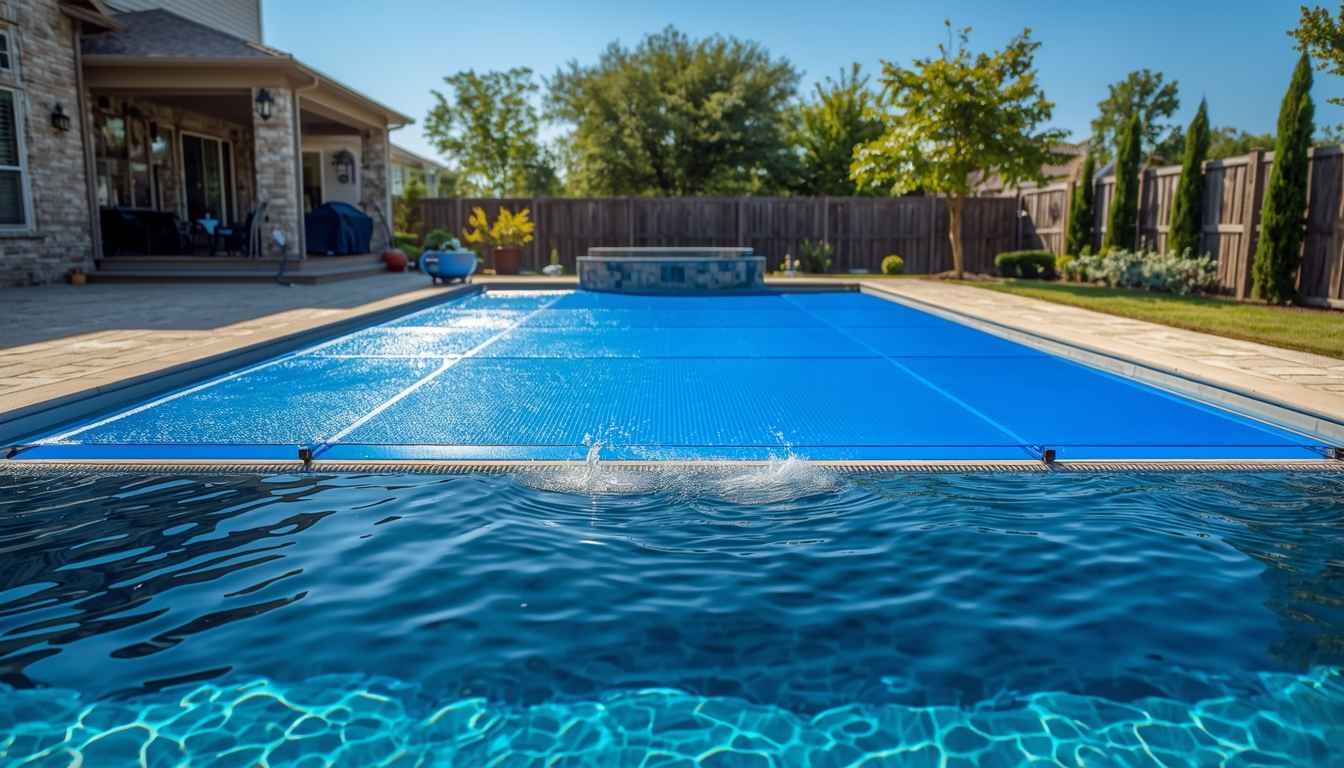
Solar covers can be especially sneaky. They hold heat, sit directly on the water, and can trap pollen, sunscreen residue, bugs, and organic film. Sometimes what looks like mold on pool cover material is actually pollen, salt residue, or slimy organic buildup from the water surface. Either way, the fix starts the same: clean the cover, check the water, and stop storing it wet.
Is Mold on a Pool Cover Dangerous?
A little pool cover mold is not the same as a full-blown home mold problem, but it is still not something you want to ignore. The cover can smell musty, stain, feel gross to handle, and dump debris back into the water the next time you drag it across the pool. If someone in the house has allergies or asthma, moldy material is even more annoying because mold exposure can bother sensitive people.
The bigger issue is what pool cover mold is telling you. It usually means water is sitting too long, air is not moving, or the cover is being put away before it is truly dry. If the cover also has weak seams, brittle fabric, sagging spots, or loose straps, pair the cleanup with a quick pool cover maintenance check before the next storm season.
How to Clean Mold From a Pool Cover
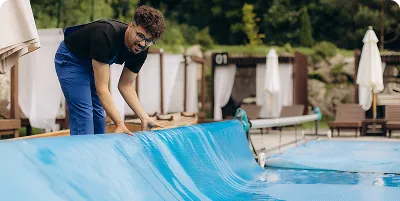
Start simple. Pull the cover to a flat, safe area where dirty runoff will not drain straight back into the pool. Remove leaves, sticks, bugs, and slimy debris first. Then rinse both sides with a garden hose. Do not attack the cover with a pressure washer unless the manufacturer says it is safe; older covers can tear faster than you think.
Next, use a pool-cover-safe cleaner or mild soap and water. Scrub gently with a soft brush, especially around seams, folds, and strap areas. The EPA generally recommends scrubbing mold from hard surfaces with detergent and water, then drying completely, and that same common-sense idea applies well to cover care. Harsh chemicals can weaken fabric, fade material, or damage stitching, so avoid turning a small mildew job into a cover replacement bill.
If you are considering bleach, slow down. Check the cover label first, use only a properly diluted solution if the material allows it, rinse extremely well, and never mix bleach with other cleaners. CDC bleach safety guidance is very clear about that. For many covers, mild cleaner plus patience is the smarter route.
How to Prevent Pool Cover Mold From Coming Back
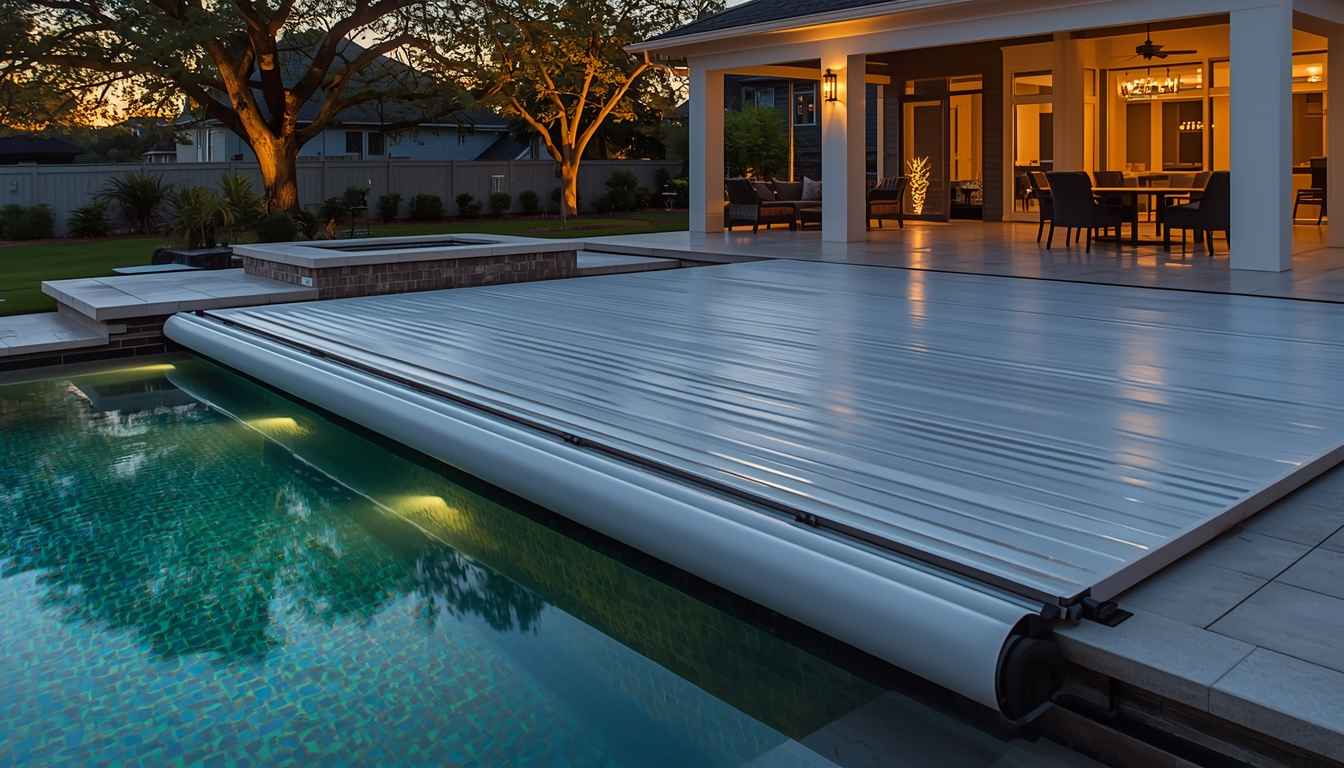
Prevention is mostly about habits. Remove standing water after rain, clear leaves before they decompose, and do not let a wet cover sit folded in a bag like laundry forgotten in a washer. If water keeps collecting in one area, that may point to pool cover sagging, weak tension, or a drainage problem.
Before pool cover storage, spread the cover out, rinse it, let it dry fully on both sides, and fold it loosely. Store it in a clean, dry, ventilated place away from sharp tools, fertilizer, chlorine buckets, and rodents. If you use a solid winter cover, check whether your pool cover pump not working is part of the problem. If rainwater sits there for days, mildew on pool cover material gets a nice little vacation home.
Good covers are worth taking care of. The Department of Energy notes that covers help reduce evaporation and heating loss, which is one reason they are so useful. But a cover only helps when it is clean, fitted, drained, and not slowly rotting in the corner of the garage.
When Mold Means the Cover Is Near the End
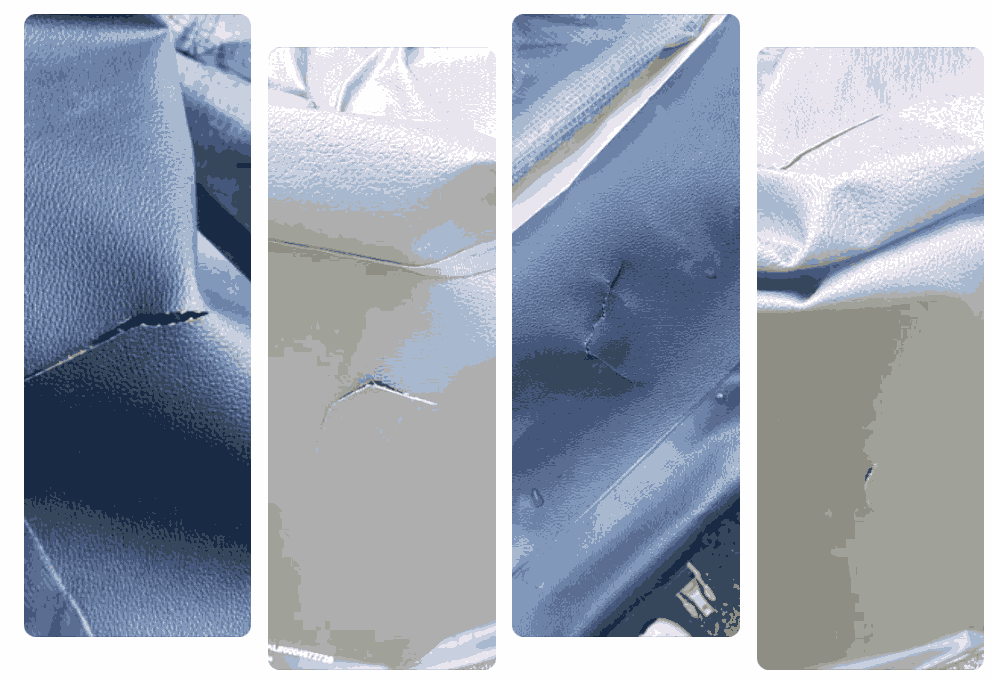
Sometimes you can clean pool cover stains and move on. Other times, pool cover mold is just the loudest symptom of an aging cover. Watch for brittle fabric, cracking, frayed straps, weak seams, cloudy plastic, missing hardware, or stains and odor that return right after cleaning.
Safety covers deserve extra attention. If mold is paired with loose straps, torn panels, or failing pool cover anchors loose, do not treat it like a cosmetic issue. A cover that no longer holds tension can sag, shift, collect water, and let debris slide into the pool. PoolBurg can inspect the cover, check tension, handle pool cover water removal issues, and help you decide whether the cover can be saved or should be replaced.

People Also Ask
How do you remove mold from a pool cover?
Remove loose debris, rinse the cover, scrub gently with mild soap or pool-cover-safe cleaner, rinse again, and dry both sides completely before folding or storing.
Can mildew damage a pool cover?
Yes. Mildew can stain the material, create odor, weaken neglected seams over time, and make the cover unpleasant to handle.
Should a pool cover be dry before storage?
Absolutely. Pool cover storage should always start with a clean, fully dry cover. Folding it wet is one of the fastest ways to invite mildew.
Can I use bleach on a pool cover?
Only if the cover manufacturer allows it, and only in a safe dilution. Never mix bleach with other cleaners, and always rinse thoroughly.
Why does my pool cover smell bad?
A bad smell usually means moisture, leaves, dirty water, algae film, mildew, or trapped organic debris has been sitting on the cover too long.
How do I store a pool cover properly?
Clean it, dry it fully, fold it loosely, place it in a breathable storage bag or clean bin, and keep it in a dry area away from chemicals and pests.
PoolBurg Can Help With Pool Cover Mold Before It Gets Worse
If your cover smells bad, keeps growing mildew, sags after rain, or looks rough after storage, PoolBurg can help. We can clean and inspect the cover, check drainage and tension, and help you decide whether the cover is worth saving. For friendly help with cover issues around DFW, contact PoolBurg and let us take a look before a small mess turns into a bigger replacement decision.