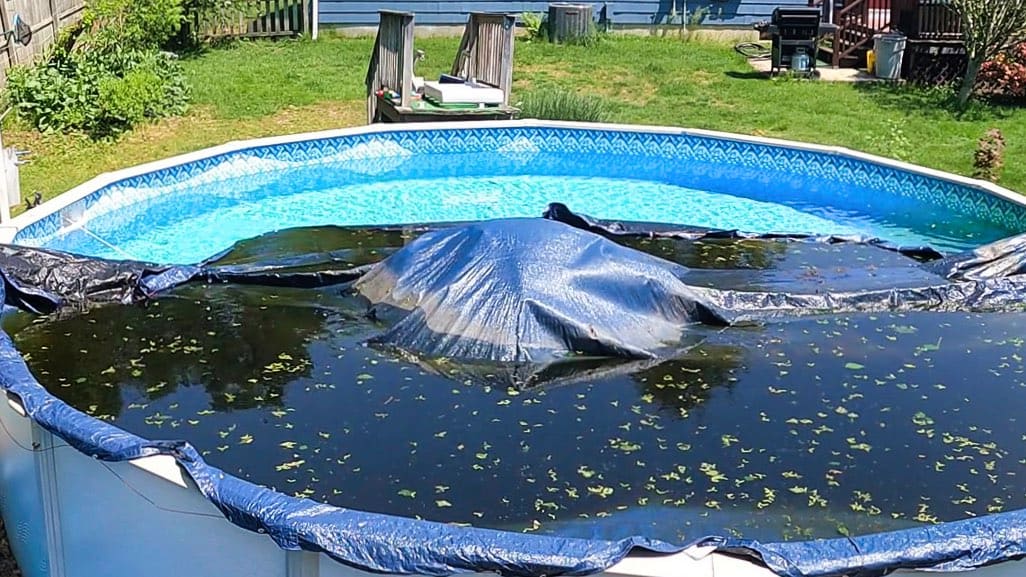
Regular maintenance like pool cover water removal often seems trivial until DFW rainstorms transform your protection into a massive, straining basin. While a minor amount of water on pool cover surfaces is expected, stagnant accumulatiaon that blends with organic debris creates significant stress. This extra weight risks early failure, forcing the system to support a heavy burden beyond its original design specifications.
For DFW homeowners in Plano, Garland, Mesquite, Wylie, Carrollton, Farmers Branch, and The Colony, pool cover water removal matters most after fast rain, fall leaves, and winter cold snaps. The goal is simple: protect the cover, keep dirty water out of the pool, and avoid turning spring opening into a muddy surprise.
Is Water on a Pool Cover Normal?
Yes, some water is normal. Rainwater, melting ice, and sprinkler overspray can all collect on a solid or winter cover. Even automatic covers can hold puddles if water gathers in the middle. The problem is not one shallow puddle. The problem is excess standing water that adds weight and keeps pulling on seams, straps, tracks, or anchors.
That is why Latham’s automatic pool cover maintenance guidance recommends removing standing water whenever it accumulates. Pool cover water removal is not about making the cover look pretty. It is about preventing sagging, stretching, and dirty runoff.
Why You Should Remove Excess Water
Excess water does three annoying things at once. First, it weighs the cover down. Second, it traps leaves, acorns, pollen, and roof grit in one nasty soup. Third, it makes cover removal harder because that dirty water wants to slide straight into the pool.
Regular pool cover water removal helps protect seams, reduce strain around anchors, and keep the cover from dipping deeply into the pool. It also makes opening day cleaner. Nobody wants to spend good money on a cover only to dump months of brown leaf water into clean pool water.
If the pool was recently hit by storms, pair cover cleanup with basic pool after a storm recovery so debris, chemistry, and equipment checks are not ignored.
How to Remove Water From a Pool Cover
The safest tool is usually a pool cover pump placed where the water naturally pools. Remove leaves and branches first so the pump does not clog, then route the discharge hose away from the pool, the cover anchors, and the house foundation.
Do not use sharp tools, metal rakes, or anything that could tear the material. A soft leaf rake, pool pole, leaf blower, or gentle broom is usually safer. The Automatic Pool Covers owner manual also stresses using a cover pump with a GFCI-protected outlet and inspecting the cord. Water plus electricity is not the place to improvise.
If you are trying to remove water from pool cover areas during winter, work slowly. Ice, frozen leaves, and heavy debris can damage fabric if you drag everything across the surface at once.
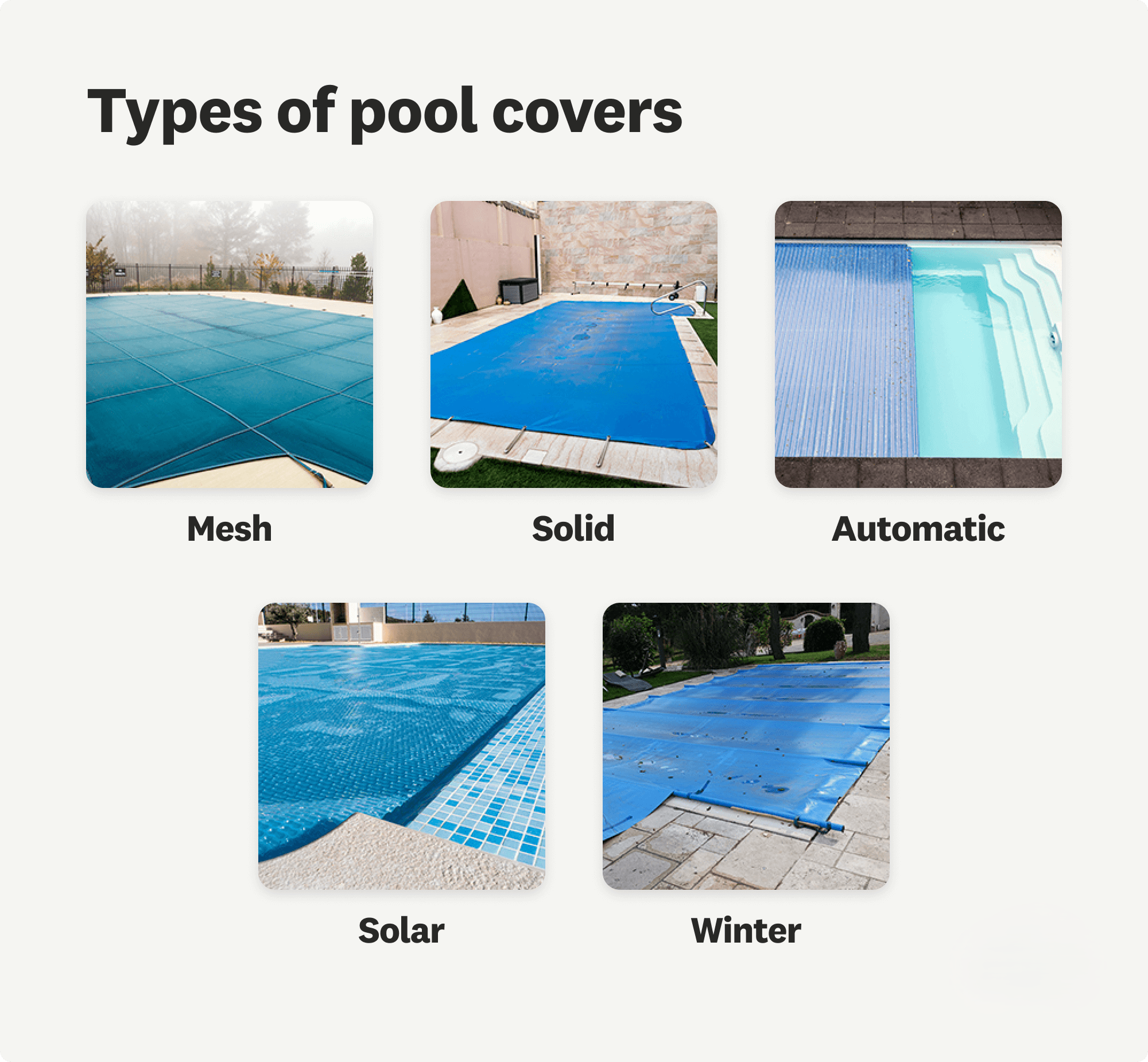
Mesh Cover vs Solid Cover Water Issues
| Cover Type | What Usually Happens | What to Watch |
| Mesh safety cover | Water drains through instead of pooling heavily. | Fine dirt can still pass into the pool. |
| Solid winter cover | Holds water, leaves, and debris on top. | Needs regular pool cover water removal. |
| Automatic cover | Can collect puddles in low spots. | Do not run the cover with heavy water on it. |
| Safety cover | Protects access when properly installed. | Inspect anchors, straps, and sagging. |
If you are unsure which cover you have, PoolBurg’s guide to pool cover types can help you compare mesh, solid, automatic, solar, and winter cover options. For safety planning, the safety pool cover vs solar cover guide explains why not every cover should be treated as a barrier.
When Pool Cover Water Means a Bigger Problem
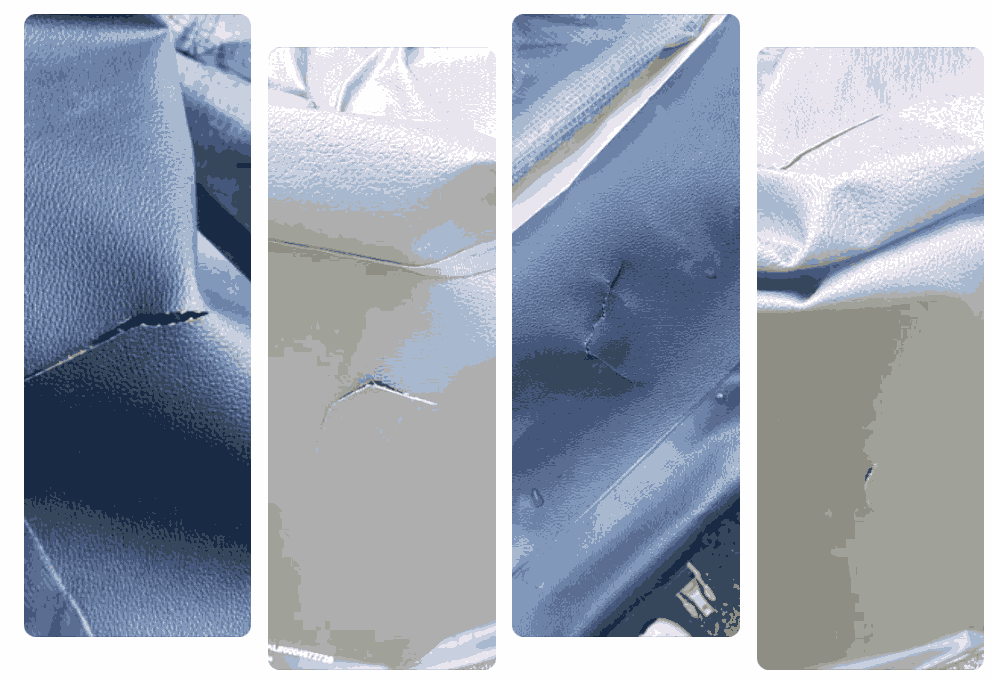
Pool cover water removal should be routine, not a rescue mission every time it rains. If the cover is sagging deeply, holding water in one corner, pulling anchors loose, tearing near seams, or refusing to track correctly, something else may be wrong.
Winter pool cover water can also expose a water-level issue underneath. If the pool level is too low under a cover, the cover may lose support. If it is too high, rain and debris can wash where they do not belong. A seasonal pool winterizing check can help catch those problems before cold weather makes them worse.
Safety matters too. Loop-Loc’s cover care advice says debris can be cleared with long-handled tools, but walking on the cover is not recommended. If the cover looks stretched, torn, or unstable, stop treating it like a DIY chore and have it inspected.
People Also Ask
Should I remove water from my pool cover?
Yes. Remove excess standing water so the cover does not sag, stretch, collect debris, or dump dirty water into the pool when opened.
How much water is too much on a pool cover?
Any water that creates a deep puddle, pulls the cover down, or sits for days should be removed. A shallow wet surface is normal after rain, but heavy pooling is not ideal.
Can standing water damage a pool cover?
Yes. Standing water adds weight, strains seams and anchors, and can shorten the life of solid covers, winter covers, and automatic cover systems.
Can I use a sump pump on a pool cover?
Use a pump designed for cover water and follow the manufacturer’s instructions. It should be plugged into a GFCI-protected outlet, and the cord should be checked for damage.
Should a pool cover touch the water?
Some covers may rest close to or lightly on the water, depending on type and water level. Deep sagging or unsupported dips should be checked.
What happens if leaves sit on a pool cover?
Leaves break down, clog pumps, stain material, and create dirty water that can spill into the pool during opening.
PoolBurg Helps Protect the Cover Before It Fails
Pool cover water removal is one of those small maintenance jobs that prevents a bigger headache later. If your cover is sagging, packed with leaves, holding winter pool cover water, or making you nervous after a DFW storm, PoolBurg can inspect the cover, check the water level, remove problem debris, and help you decide whether the issue is simple maintenance or early cover damage.
Need help before the next rain makes it worse? Contact PoolBurg and let us protect the cover before it becomes the expensive part of pool ownership.