Preparing your pool for winter, through pool winterizing is far more than a seasonal task for northern states. For North Texas homeowners, a single hard freeze event can shatter pump pots, burst outdoor plumbing, ruin heater manifolds or transform a simple spring startup into an expensive series of repairs. The objective remains straightforward: stabilize your water chemistry, secure your plumbing lines, remove water from sensitive equipment during freezes, and apply a winter cover that aligns with your specific setup and the local DFW climate.
For PoolBurg homeowners in Frisco, Plano, McKinney, Allen, Garland, Mesquite and nearby DFW cities, pool winterizing usually does not mean abandoning the pool for months. PoolBurg’s Pool Closing vs Winterizing Texas guide explains the difference well: a northern closing is a shutdown, while Texas winterizing is protection, timing and knowing what to do when the forecast changes.
Why Pool Winterizing Matters Before the First Freeze
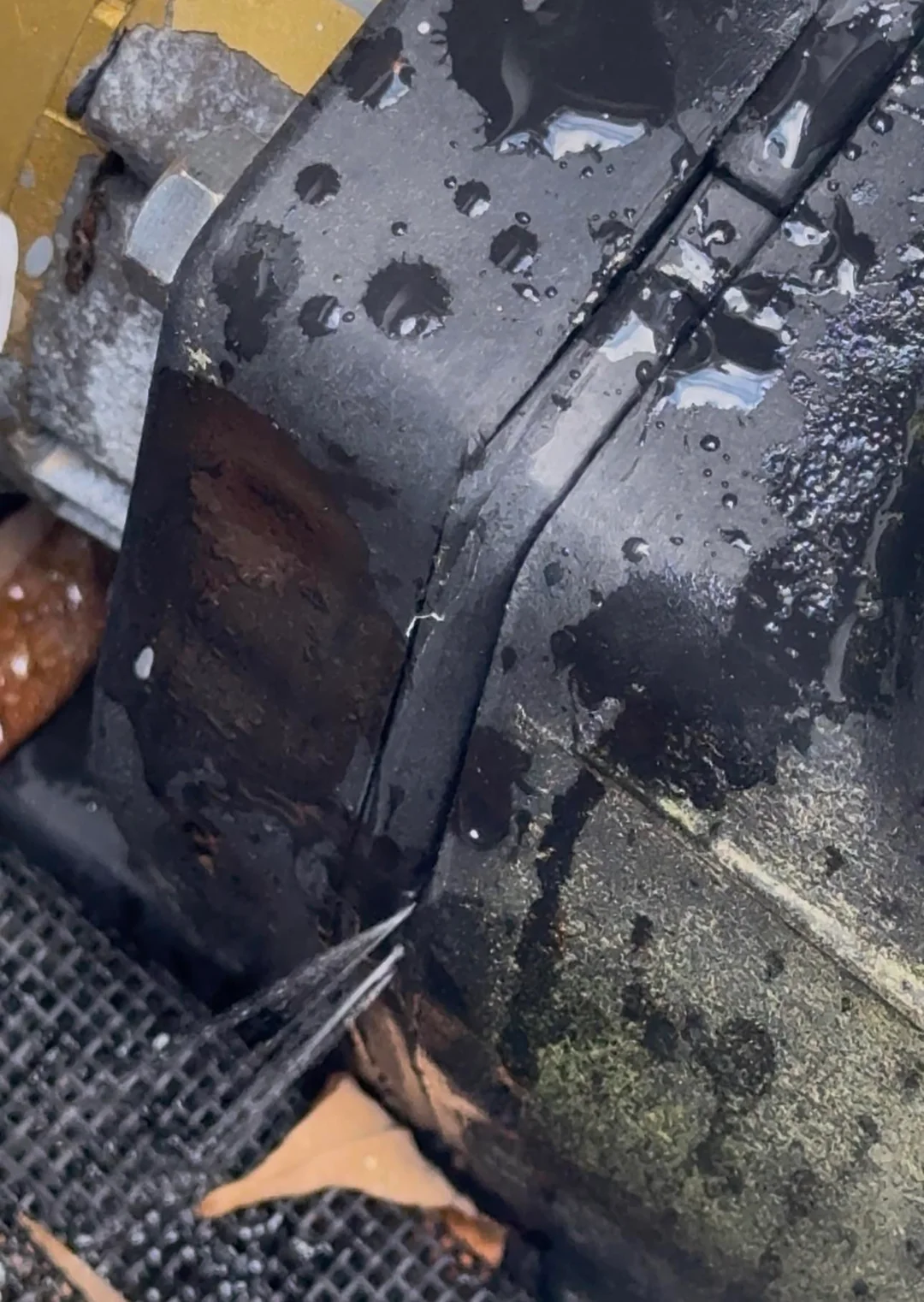
The big risk is not the surface water getting chilly. The real risk is trapped water expanding inside small spaces: pump pots, filter tanks, heater manifolds, chlorinators, valves, autofill lines and exposed pipes. Ready.gov winter weather guidance reminds homeowners to prepare for freezing weather and possible power outages before the storm arrives, which matters because pool freeze protection depends on electricity unless the system is fully drained.
If the pool will still be used through winter, you may not need a full close. If the pool will sit unused, the closing pool steps become more important. Either way, waiting until the night before a hard freeze is when good plans get messy.
The Pool Winterizing Checklist
- Clean the pool first. Remove leaves, brush walls, vacuum debris and empty skimmer and pump baskets. Closing dirty water under a cover only gives algae and staining a head start.
- Balance the water. Test pH, alkalinity, calcium hardness and sanitizer before you winterize pool equipment. Balanced water protects plaster, liners, heaters and metal parts during the off-season.
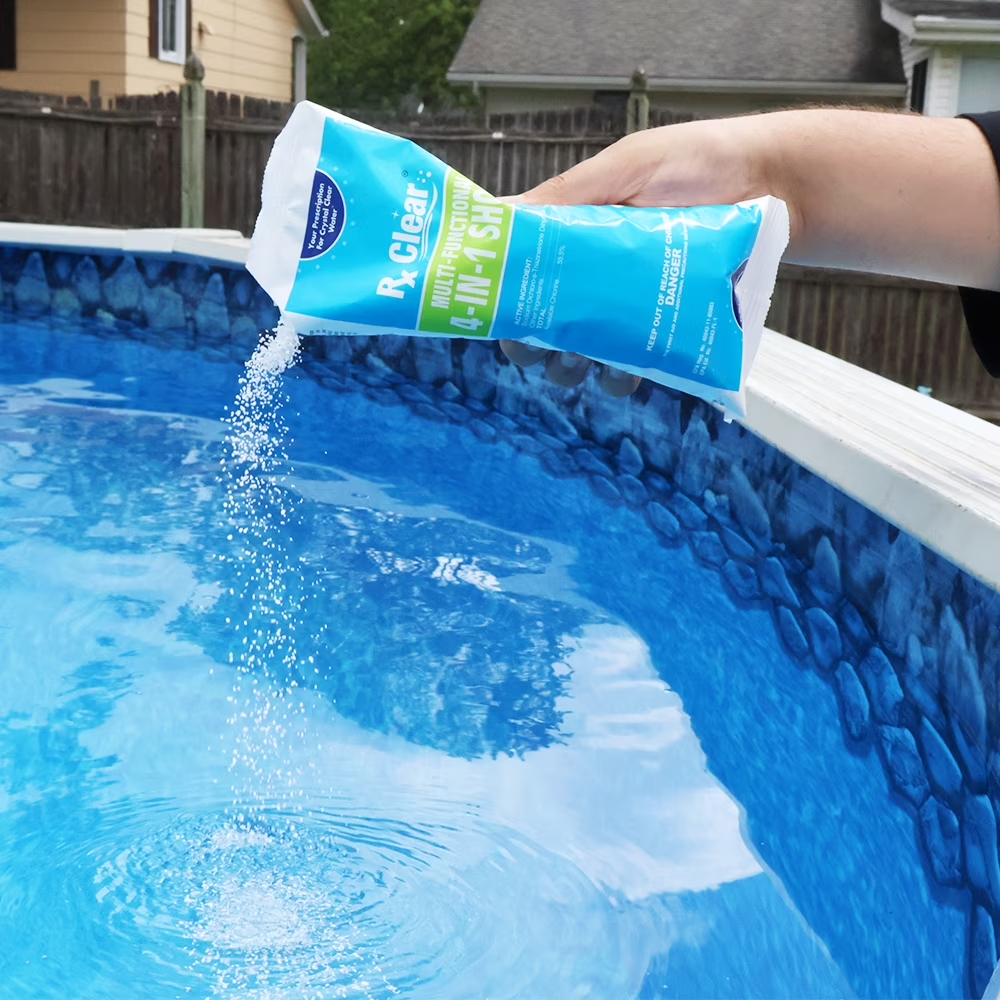
- Shock and add winter treatment. Use shock and algaecide based on label directions and your test results. The goal is clean, stable water, not a random chemical dump.
- Lower water only as needed. The right level depends on the cover, pool type and freeze plan. Some covers need water support under them; others require the water below the skimmer.
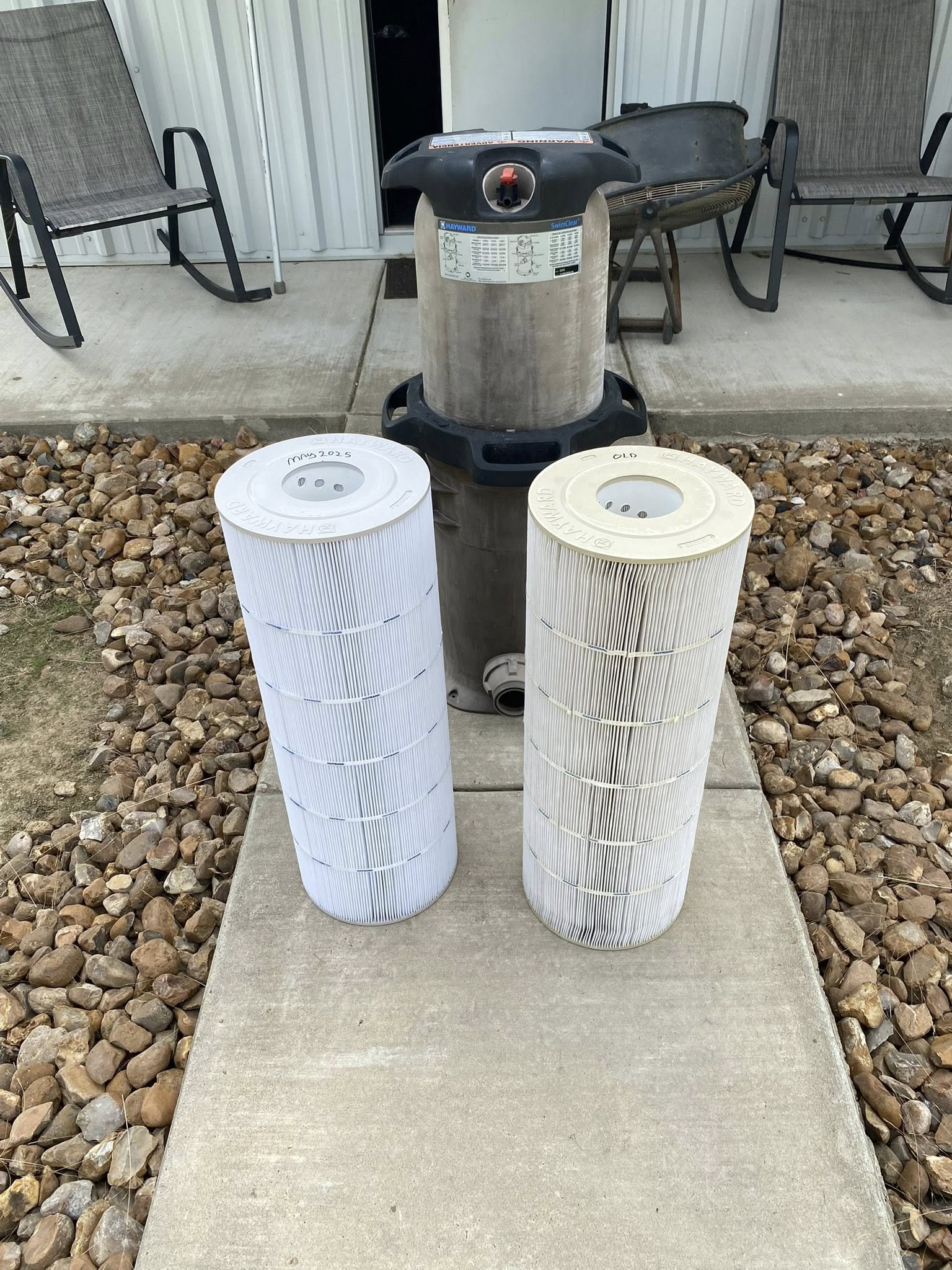
- Drain equipment. Remove drain plugs from the pump, filter, heater and chlorinator where applicable. Store plugs together so spring startup does not become a scavenger hunt.
- Blow out and plug lines when freezing is a real risk. This step removes water from plumbing so it cannot expand and crack pipes. It is the part many homeowners prefer to leave to a service tech.
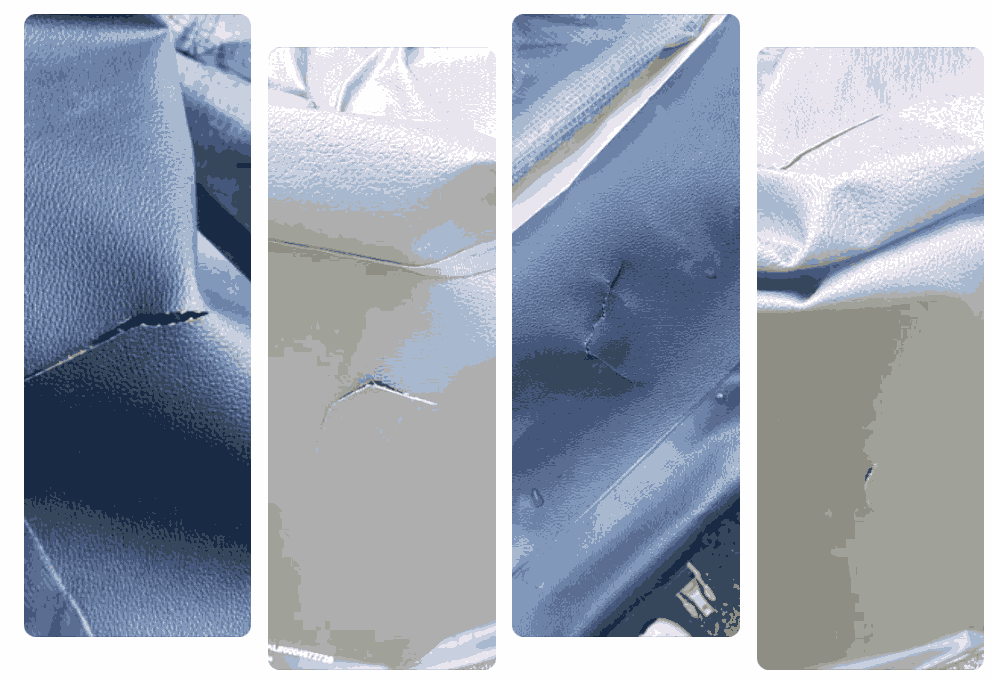
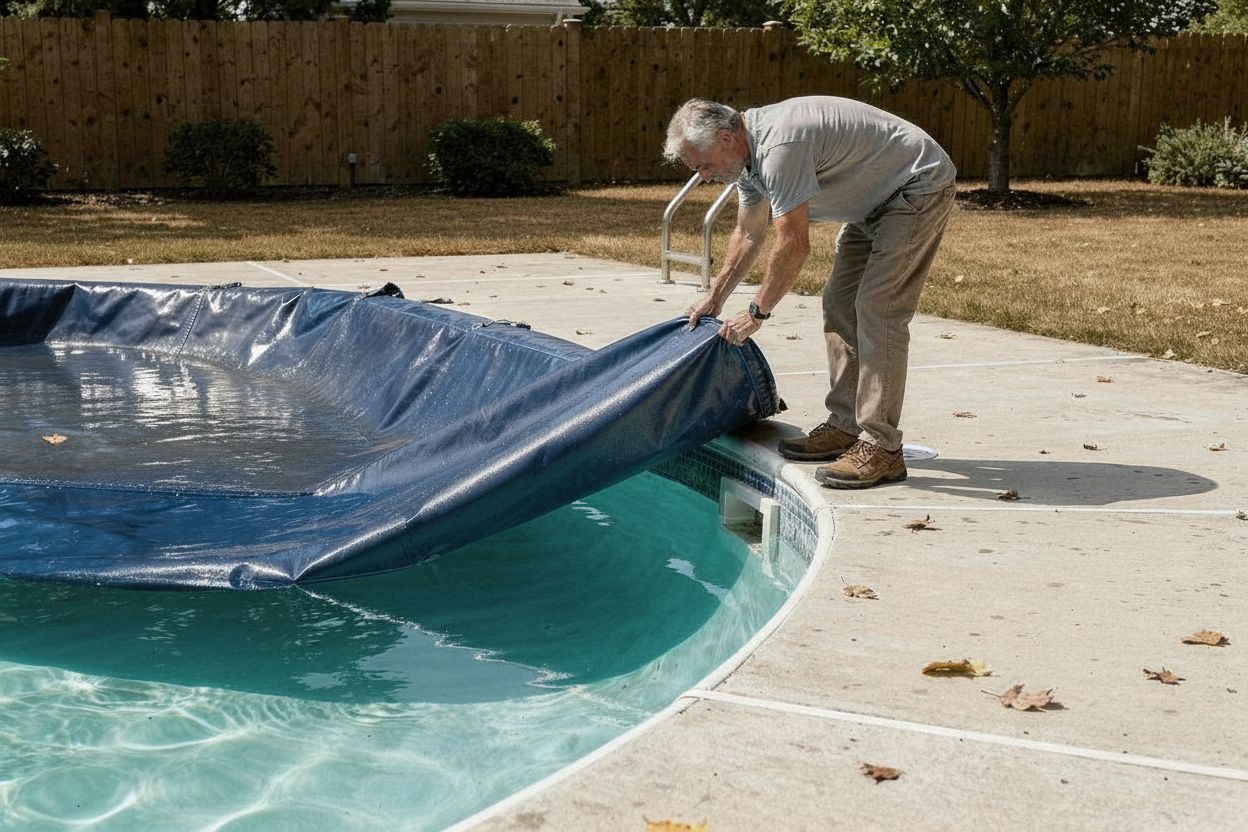
- Secure the cover. A winter pool cover or safety cover keeps debris out, limits sunlight and helps the spring opening start cleaner.
Hayward’s pool closing guidance specifically calls out draining the pump, filter, heater and chlorination equipment because trapped water can freeze and crack equipment. SwimmingPool.com’s freeze-damage winterizing guide also lists balancing water, lowering water level, clearing pipes, using plugs and adding pool antifreeze to lines where appropriate.
Where Pool Antifreeze Fits and Where It Does Not
Pool antifreeze is not the same as automotive antifreeze, and it should not be poured into the pool as a shortcut. In pool winterizing, pool antifreeze is normally used inside winterized plumbing lines after water has been blown out or drained, and only according to label directions. Its job is to protect isolated lines from freeze expansion, not to treat the whole pool.
If you are unsure which lines were blown out, which valves feed the spa, or whether a water feature has a low spot holding water, stop before guessing. That is exactly when a professional winterize pool visit earns its money.
Texas Pool Winterizing Is Different From a Northern Shutdown
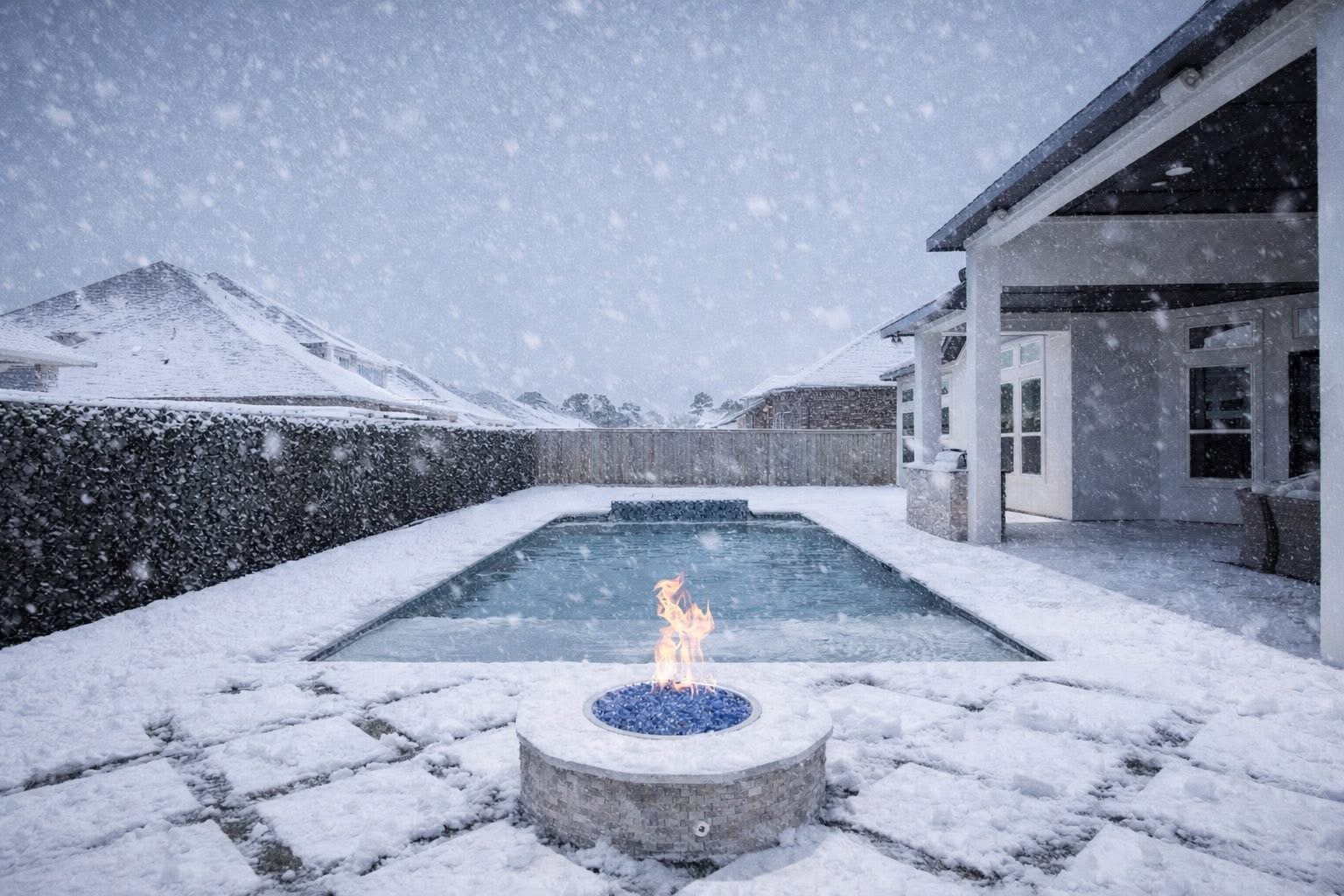
In DFW, some pools stay open with reduced run time until a freeze warning shows up. During short freezing periods, Pentair pool freeze protection guidance notes that pool automation can run equipment until normal temperatures return. PoolBurg’s Pool Closing in Texas guide makes the same practical point: keep water moving during short freezes, but know what to drain if power fails or a longer event is coming.
That is why how to winterize pool equipment in Texas depends on your setup. A simple pool with no spa, no water features and reliable freeze protection may need lighter prep. A pool with an attached spa, booster pump, heater, raised water feature, exposed pad or vacant home deserves a more serious plan.
Common Pool Winterizing Mistakes
- Closing too early while the water is still warm enough for algae to grow.
- Trusting freeze protection without testing whether the pump actually turns on.
- Forgetting heater drain plugs, booster pumps, autofill lines and water features.
- Using pool antifreeze in the wrong place or using the wrong type of antifreeze.
- Dropping the water too low for the cover or pool structure.
- Skipping the post-storm inspection before restarting the system.
Pentair’s winter storm pool protection guidance also warns that pool equipment may need extra space for ice expansion during severe winter weather. That is a good reminder that freeze prep is not only about water chemistry. It is also about physical pressure inside equipment.
PoolBurg Can Winterize the Pool Without the Guesswork
If you want the safest version of pool winterizing, have PoolBurg check the equipment pad before the first serious cold snap. We can review the pump, filter, heater, valves, drain plugs, water level, cover choice and freeze plan. If you need a full close, we can handle the closing pool steps. If your DFW pool only needs freeze prep and monitoring, we will tell you that too.
When winter weather has already passed, PoolBurg can also help with Pool Opening After Winter Storm inspections so cracks, leaks, heater errors and weak flow are caught before they become spring surprises.
People Also Ask
Do I really need pool winterizing in Texas?
Yes, but it may be lighter than a northern shutdown. Many DFW pools need freeze prep, working circulation, equipment checks and a plan for power loss rather than months of full closure.
What are the basic closing pool steps?
Clean the pool, balance water, shock if needed, add winter treatment, lower water if required by the cover, drain equipment, blow out and plug lines in freezing climates, then secure the cover.
Should I use pool antifreeze?
Use pool antifreeze only where appropriate inside winterized plumbing lines, and follow the product label. Do not use automotive antifreeze and do not pour pool antifreeze into the pool as a water treatment.
How do I winterize pool equipment?
Turn off power, remove drain plugs from the pump, filter, heater and chlorinator, open relief valves where appropriate, clear trapped water and protect exposed plumbing. For complex pads, hire a pro.
Should I run the pump during a freeze?
If the pool is not fully winterized and power is available, running circulation during a short freeze can help protect the system. If power fails during a hard freeze, equipment may need to be drained quickly.
Should pool water be low or high for winter?
It depends on the cover and pool type. Some winter covers require the water below skimmers or returns, while safety covers often need proper water support underneath. Do not drain too low without guidance.