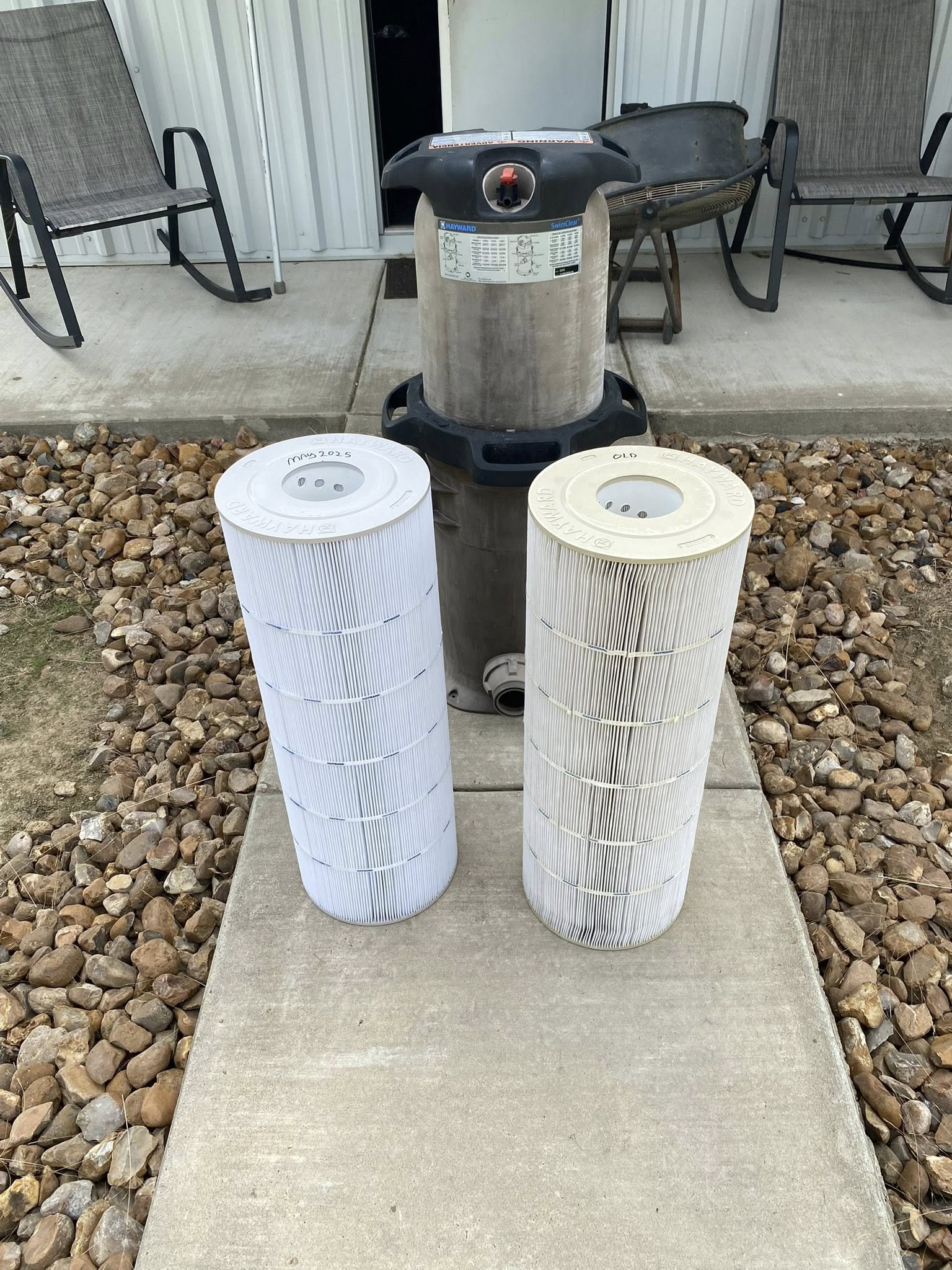

Pool closing vs winterizing Texas is one of those questions that sounds simple until North Texas weather does its usual trick: 68 degrees on Tuesday, ice on Thursday, sunny again by Sunday. Up north, people close pools for months. In DFW, that usually is not the move. The smarter approach is to keep the pool alive through winter, but prepare it properly for each freeze event.
The Great Texas Pool Debate
A full northern-style pool closing usually means blowing out lines, adding antifreeze, covering the pool, shutting off equipment, and waiting until spring. That makes sense where pools are buried under winter for four or five months. But Texas winter is too inconsistent for that kind of shutdown.
Here, the real question is not just “do you need to winterize a pool in Texas?” It is how much protection your pool needs before a serious freeze. Most DFW pools should keep circulating, stay chemically balanced at a lighter winter pace, and have a freeze plan ready before temperatures drop hard.
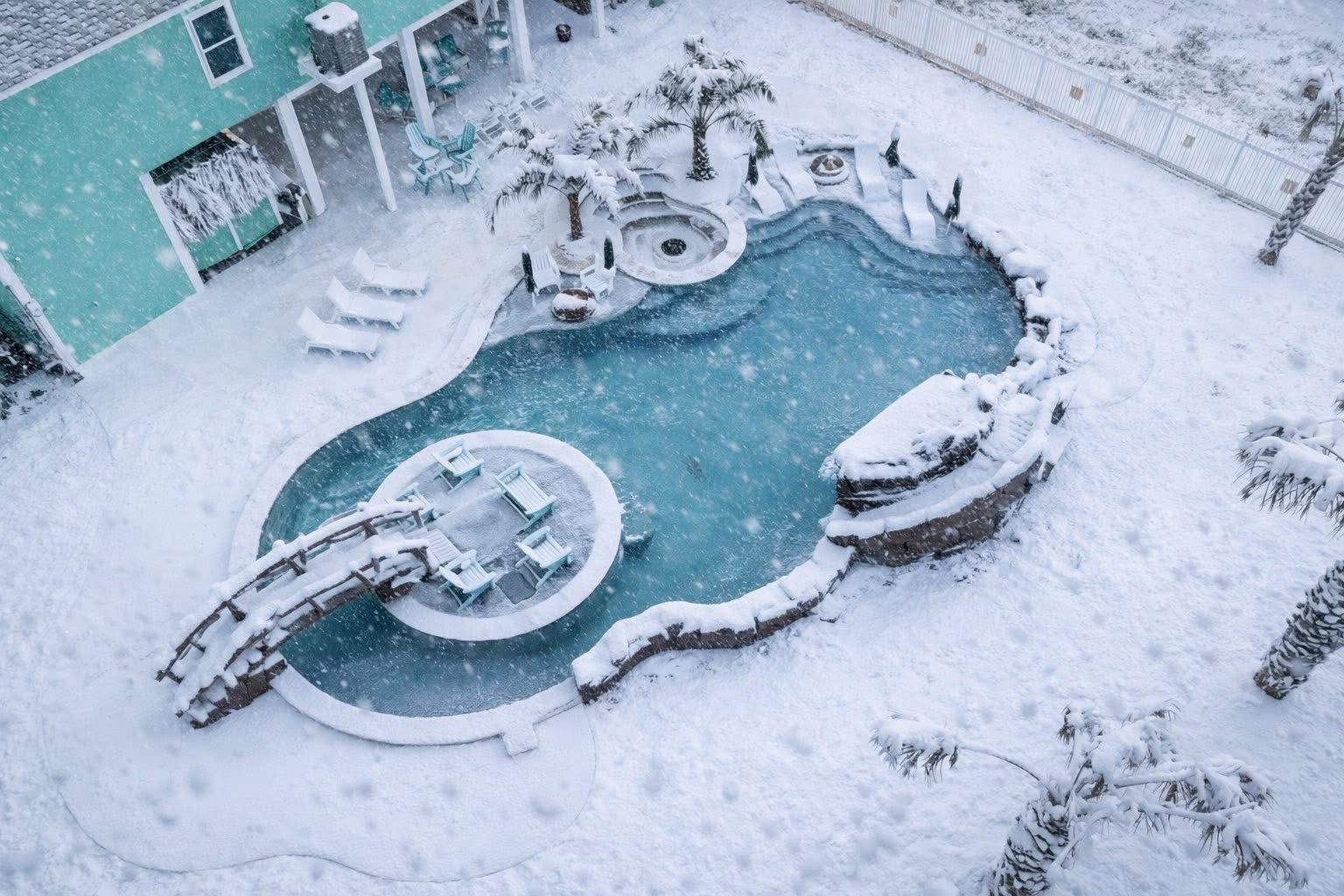
Pool Closing vs Winterizing Texas Means Two Different Things
The phrase pool closing vs winterizing Texas matters because homeowners often mix the two together. A closing is a seasonal shutdown. Winterizing is protection. PoolBurg normally recommends winterizing, not abandoning the pool until March.
- Northern pool closing means draining lines, shutting equipment down, and using a winter cover for a long off-season.
- Texas winterizing means maintaining water, watching the forecast, protecting equipment, and running the system when freezing weather arrives.
- A mild week may only need reduced pump run time, while a hard freeze may require continuous circulation and emergency draining if power fails.
That is why residential pool maintenance in North Texas should change with the season. Less sun means lower chemical demand, but colder weather adds a different kind of risk.
DFW Winter Is Mild Until It Is Not
DFW does not freeze like Minnesota, but it absolutely freezes. Recent winters have reminded homeowners that pool equipment can crack fast when water sits still inside pumps, filters, heaters, valves, and exposed PVC. The February 2021 Texas freeze was the loudest warning, but smaller freezes can still be expensive.
The safest winterize pool Texas mindset is simple: prepare before the freeze, act during the freeze, inspect after the freeze. The pool does not need panic. It needs a plan.
PoolBurg’s Practical Winterizing Protocol
A good pool closing vs winterizing Texas plan starts before cold weather hits. In November, equipment should be checked, timers reviewed, freeze protection tested, baskets cleaned, and the homeowner should know what to do if power drops.
During a freeze, PoolBurg recommends strong water movement through the whole system. That usually means running the pump continuously when temperatures get near freezing, keeping valves open for flow, and making sure skimmers are not blocked by leaves. If the power fails during extended freezing weather, the game changes. Equipment may need to be drained quickly so trapped water does not expand and split housings.
After the freeze, do not just flip everything back on and hope. Look for leaks, cracks, odd motor sounds, heater errors, low filter pressure, and salt cell problems. If anything looks off, pool repair near me support is a lot cheaper than letting a small crack become a soaked equipment pad.
What Freeze Damage Looks Like
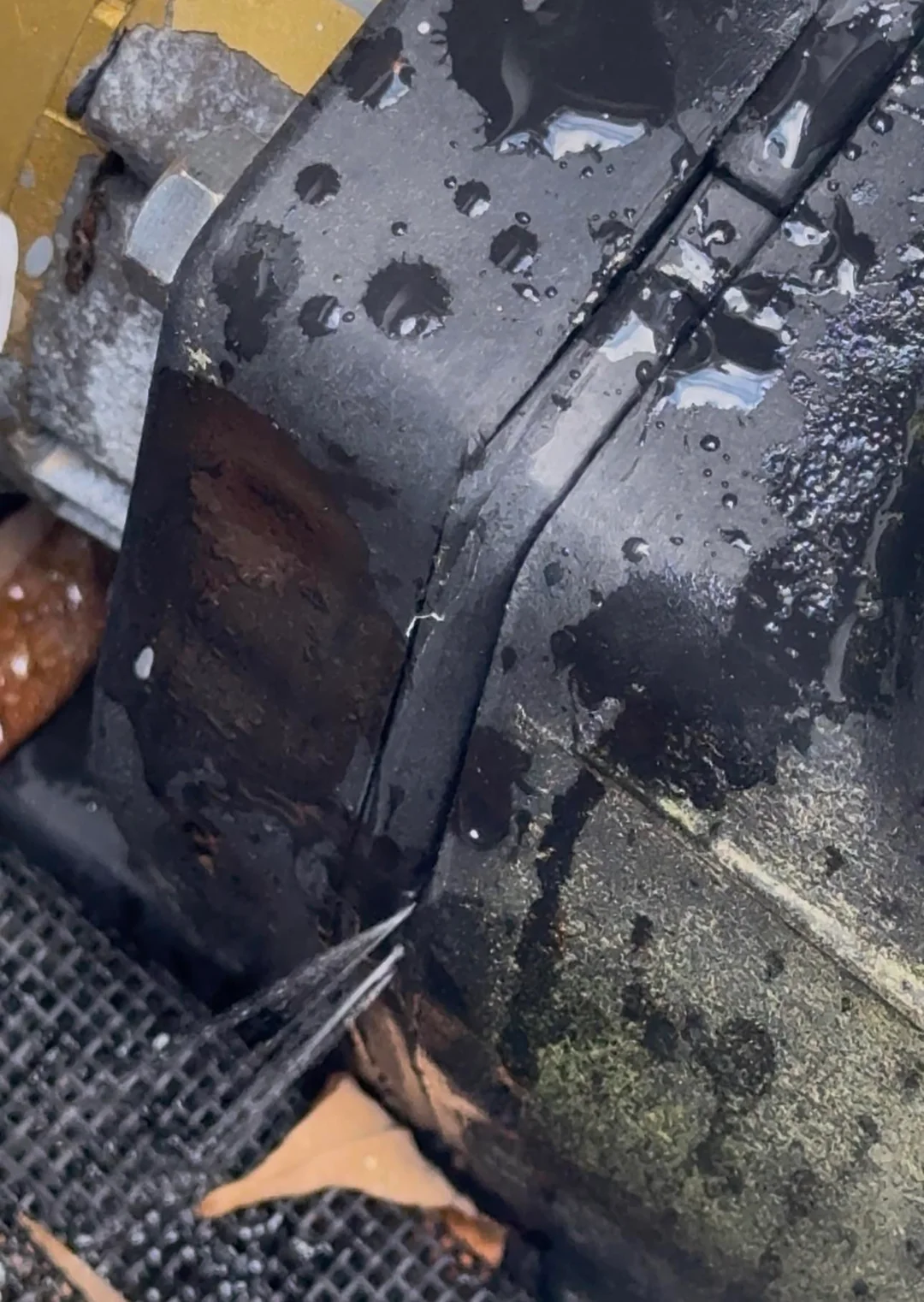
Freeze damage is sneaky because it often starts inside equipment. The common hits are cracked pump lids or housings, split PVC fittings, damaged heater headers, cracked filter tanks, and salt cell issues. A neglected freeze event can turn into a repair bill that feels wildly unfair, especially when the pool looked perfectly fine the week before.
This is also where pool after power outage planning matters. Moving water protects equipment. No power means no movement. When a freeze and outage happen at the same time, homeowners need a fast drain-down plan, not guesswork.
The Cost Difference Is Not Close
Professional winter prep is usually small compared with freeze repair. A cracked pump housing, split plumbing, or heater damage can quickly climb into hundreds or thousands of dollars. Add a filter tank or heater replacement, and the cost jumps again. If you already track the cost to maintain a pool in North Texas, winter protection should be part of that budget, not an emergency surprise.
People Also Ask
Do you need to winterize a pool in Texas?
Yes, but not always like northern states. Most DFW pools need winterizing for freeze events, not a full months-long shutdown.
Should I drain my pool for winter in Texas?
Usually no. Draining the pool can create other problems. The focus is protecting plumbing and equipment, not emptying the entire pool.
Do I need to run my pool pump in winter?
Yes, at reduced hours in mild weather and continuously during freezing conditions, unless a professional gives different instructions for your system.
Can pools freeze in DFW?
Yes. Exposed equipment and plumbing are especially vulnerable when water stops moving during freezing weather.
PoolBurg Helps DFW Pools Get Through Winter
Pool closing vs winterizing Texas comes down to one practical truth: DFW pools should not be ignored just because winter is shorter here. They need steady care, smart freeze preparation, and quick response when the weather gets ugly.
PoolBurg can help with pre-freeze preparation, seasonal maintenance, post-freeze inspections, and repairs if cold weather has already caused trouble. If you are not sure whether to winterize pool Texas style, fully close it, or adjust your routine, contact PoolBurg before the next cold front shows up.
For more local guidance, you can also read do you close a pool in Texas and build a winter plan that fits how North Texas actually behaves.