New pool care first year is where a gorgeous backyard investment either settles in beautifully or starts collecting little problems that get expensive later. If you just got a new pool in DFW, the first year is not the time to “see how it goes.” New plaster, new equipment, new water, new plumbing, and fresh construction dust all need careful attention from day one.
That does not mean owning a pool has to feel scary. It simply means the early routine matters. A smart new pool maintenance plan protects the finish, helps equipment break in properly, and gives you documentation before builder or manufacturer warranties start slipping away.
Your New Pool Is Beautiful Now Keep It That Way
The biggest surprise for many homeowners is that new pool care first year requires more attention, not less. The water looks fresh. The tile looks perfect. The equipment pad looks brand new. But underneath that “new pool smell,” everything is still stabilizing.
For plaster pools, the first 30 days are especially important. The finish is curing, plaster dust is releasing into the water, and pH usually wants to climb. In North Texas, fill water often comes with enough minerals to make calcium management a real thing, not a tiny detail. If the chemistry drifts too far for too long, the surface can scale, discolor, or feel rough much earlier than it should.
New Pool Care First Year Starts With the First 30 Days
During the first few days, let the pool fill completely before adding chemicals, then start circulation as soon as the water reaches the skimmer and the system can run safely. This is also when your builder, startup technician, or service company should begin testing pH, alkalinity, calcium hardness, and sanitizer levels.
For a new plaster startup, brushing is the boring job that saves the pool. Brush the entire surface twice daily early on to move plaster dust and reduce the risk of rough spots or calcium nodules. Keep the pH toward the lower safe range because fresh plaster tends to push it up. In many DFW pools, muriatic acid is used often during this stage, while calcium increaser is usually something to be careful with unless testing clearly proves it is needed.
- Avoid automatic cleaners for about 30 days so wheels or tracks do not mark a soft surface.
- Avoid heating the pool during the early curing window unless your builder gives specific approval.
- Do not rush salt system startup too early if your plaster warranty has a waiting period.
- Keep notes, photos, and test results because the first month can protect your warranty conversation later.
After day 30, new pool care first year shifts from startup mode into steady care. Brushing can usually reduce, pump schedules can normalize, and cleaners or heaters may be introduced if chemistry is stable and the builder guidelines allow it.
Common New Pool Problems in DFW
Plaster dust and a light haze are common in the early weeks. That cloudy look does not always mean something is defective; it often means the pool needs brushing, filtration, and chemistry control. What you do not want is pH running high for days while calcium is also elevated.
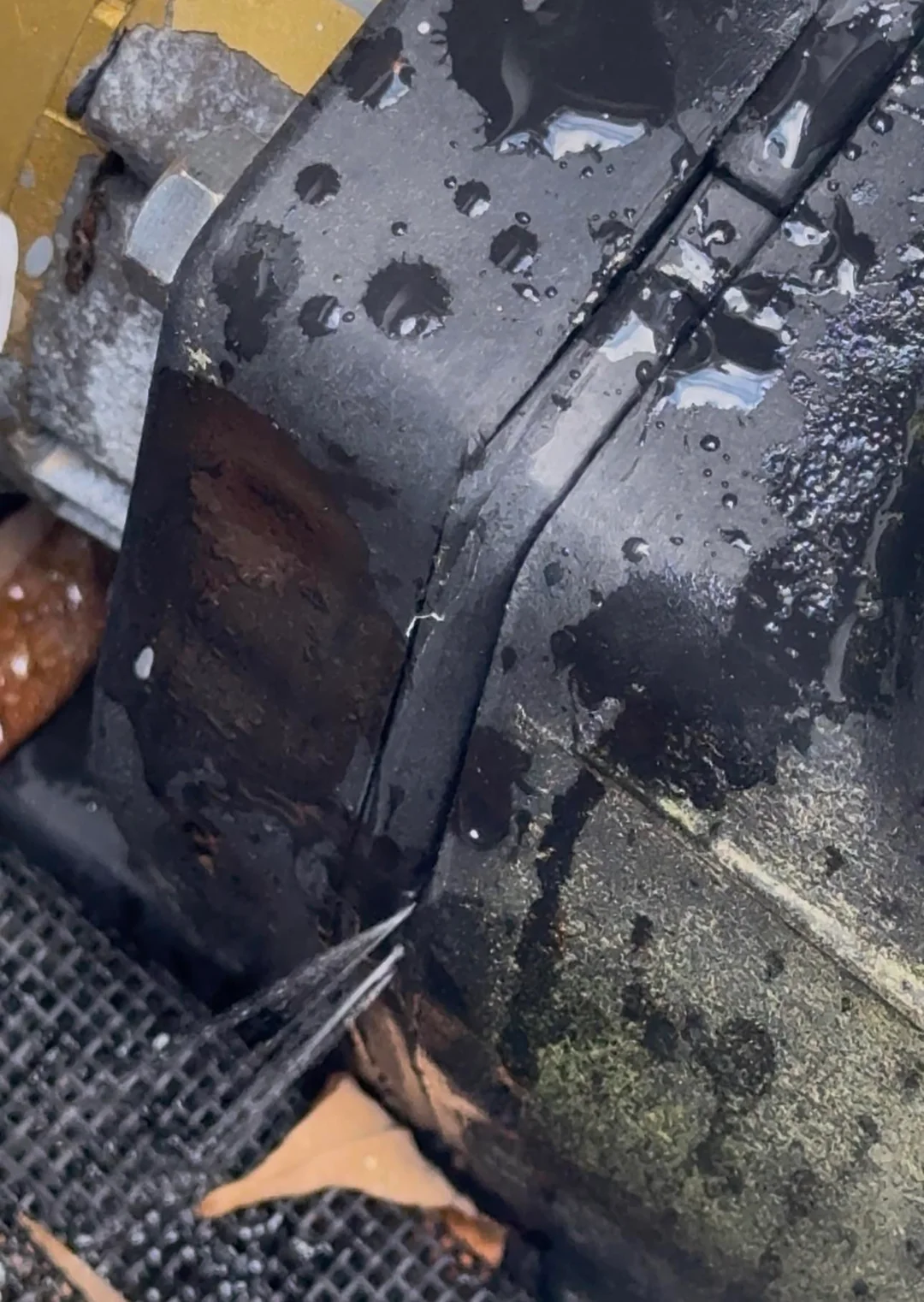
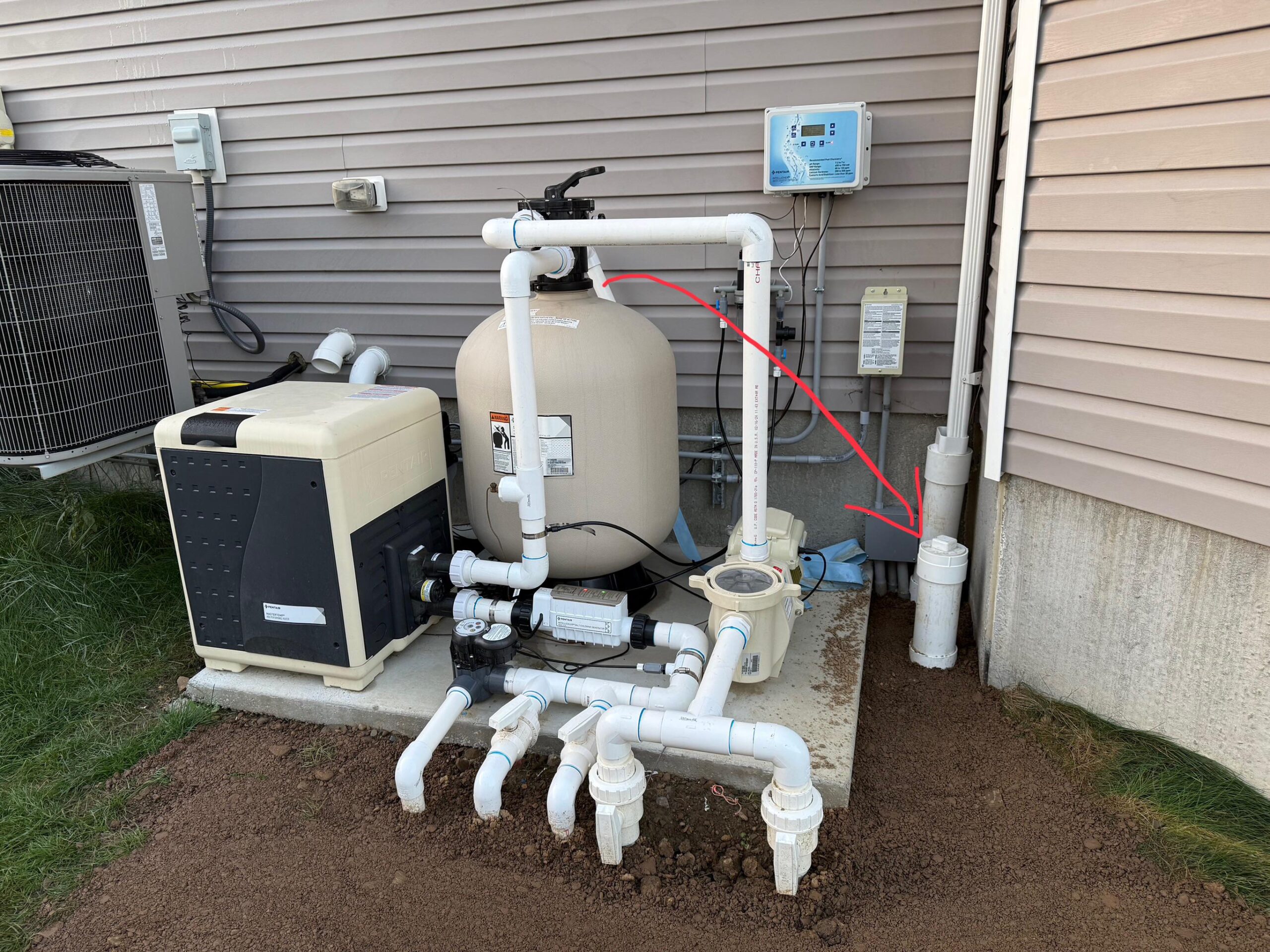
Other first-year issues include calcium nodules, metal staining from fill water, construction debris stains, salt cell calibration issues, automation programming problems, and small equipment leaks. A new pump seal may weep briefly, a heater may smell a little on first fire, and automation may need fine tuning. But “new” should never be an excuse to ignore weird noises, leaks, error codes, or cloudy water that will not clear.
This is where weekly pool service in North Texas is helpful, especially for homeowners who just got a new pool and are still learning what normal looks like. A technician who sees pools every day can often spot a small startup issue before it turns into a surface complaint or equipment repair.
Swimming Pool Construction and Maintenance Are Connected
A lot of homeowners think construction ends when the water goes in. In real life, swimming pool construction and maintenance overlap for months. Your builder may handle the handoff, but the pool still needs water balance, filter care, brushing, and equipment checks after the excitement of the first swim fades.
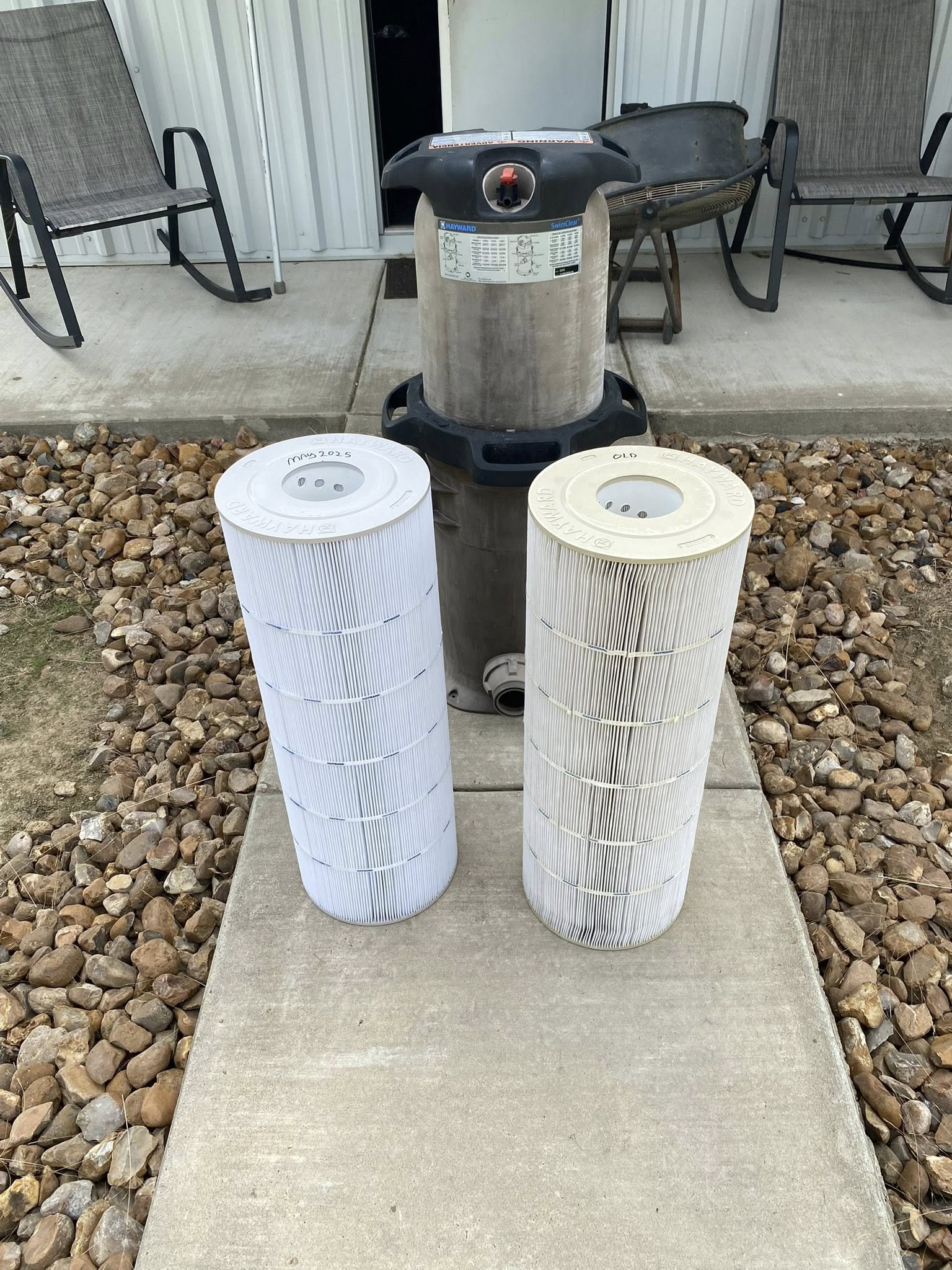
Before your builder warranty expires, document everything: surface cracks wider than hairline, tile movement, plumbing leaks, equipment failures, lighting issues, automation problems, and drainage concerns around the deck. Good service records make those conversations much cleaner. PoolBurg also recommends reviewing your system early through a pool inspection if something feels off or if you inherited a newly built pool with limited guidance.
New Pool Maintenance Cost in the First Year
New pool care first year usually costs more than a normal maintenance year because startup chemistry is more demanding. In DFW, professional weekly service often lands around $1,560 to $3,000 per year depending on the pool, route, chemicals, and service level. First-year chemical needs can also run higher than normal, especially during plaster curing and hot months.
A practical first-year budget is often $2,500 to $5,000 when you include service, chemicals, filter care, equipment adjustments, and small warranty follow-ups. That may sound like a lot, but it is still far cheaper than correcting preventable scale, staining, or equipment damage. For broader ownership planning, PoolBurg’s guide on how much a pool costs in Texas is a good companion read.
People Also Ask About New Pool Care First Year
How do I take care of a brand new pool?
Test the water often, brush aggressively during startup, keep pH controlled, run the pump consistently, clean baskets and filters, and follow builder warranty guidelines.
How often should I brush a new plaster pool?
Early on, twice daily is common for plaster startup. After the first month, brushing usually reduces as the surface cures and water stabilizes.
When can I swim in my new pool?
Only after the pool is full, circulation is working, the water is balanced, sanitizer is in range, and your builder or startup professional says it is safe.
Is cloudy water normal in a new pool?
A little plaster dust haze can be normal, but cloudy water that lingers needs testing, brushing, filtration, and sometimes professional troubleshooting.
Should I hire a pool service for a new pool?
If you are new to pool ownership, yes. The first year is the easiest time to prevent expensive habits from forming.
PoolBurg Protects New Pools From Day One
New pool care first year is not about being dramatic. It is about protecting the finish, the equipment, and the money you just poured into the backyard. PoolBurg helps DFW homeowners with new pool startup, weekly maintenance, chemistry management, equipment checks, and first-year documentation.
If you just got a new pool, do not wait until the water turns cloudy or the surface feels rough. Start with a real plan. Contact PoolBurg and let the first year work in your favor.