The term “pool chlorine lock” often sounds alarming to homeowners, but it typically describes a situation where chlorine is detectable during testing yet fails to sanitize the water properly. Even if the pool appears clear and smells fine, the underlying chemistry may be significantly out of balance, leaving the water unprotected.
In Frisco, Plano, McKinney, Allen, Prosper, Keller, and Southlake, Texas sun makes stabilizer useful because outdoor chlorine burns off quickly. But too much stabilizer can create the classic pool chlorine lock complaint: “I added chlorine, so why is the pool still green with chlorine?”
What People Mean by Pool Chlorine Lock
Most homeowners use pool chlorine lock to describe a pool where chlorine is present but not working effectively. Technically, chlorine is not frozen forever. The better explanation is that something is keeping the active sanitizer from doing its job.
The Reddit discussion attached to this brief had the same pattern: a clear-looking pool, very high CYA, low free chlorine, and confusion over whether the pool was actually safe. That kind of homeowner worry is exactly why proper testing matters before adding more products blindly.
Why Chlorine Might Not Be Working
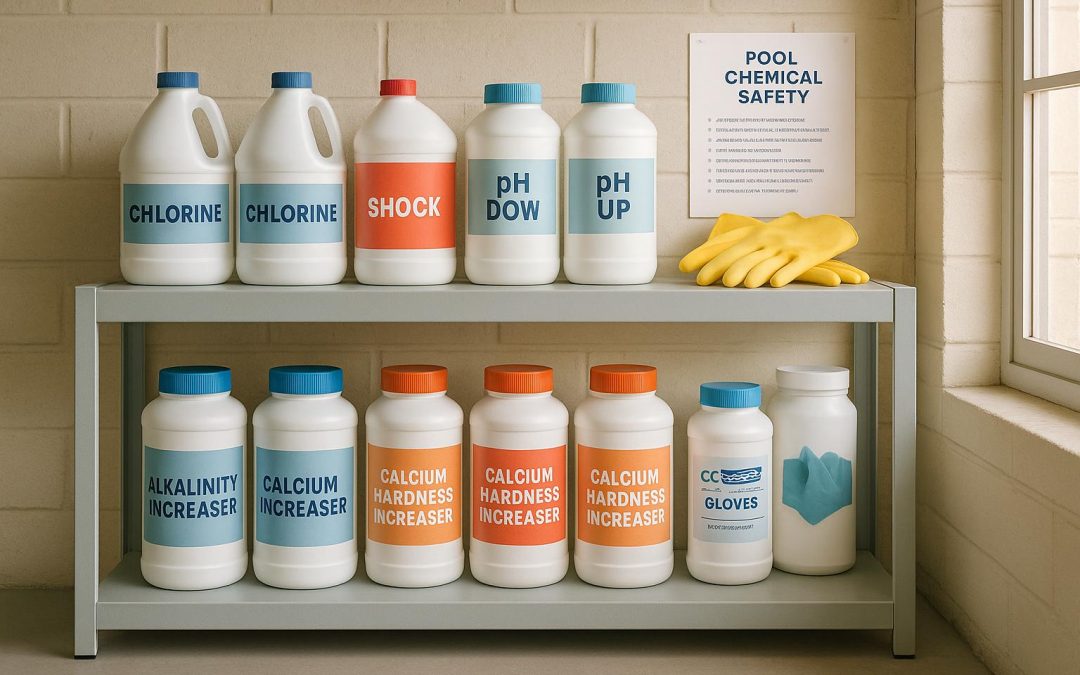
The biggest suspect behind pool chlorine lock is often cyanuric acid, also called CYA, conditioner, or stabilizer. CYA protects chlorine from sunlight, but if it climbs too high, the pool needs more free chlorine to stay effective. The CDC residential pool guidance also notes that pools using cyanuric acid or stabilized chlorine products should maintain a higher minimum chlorine level than pools without CYA.
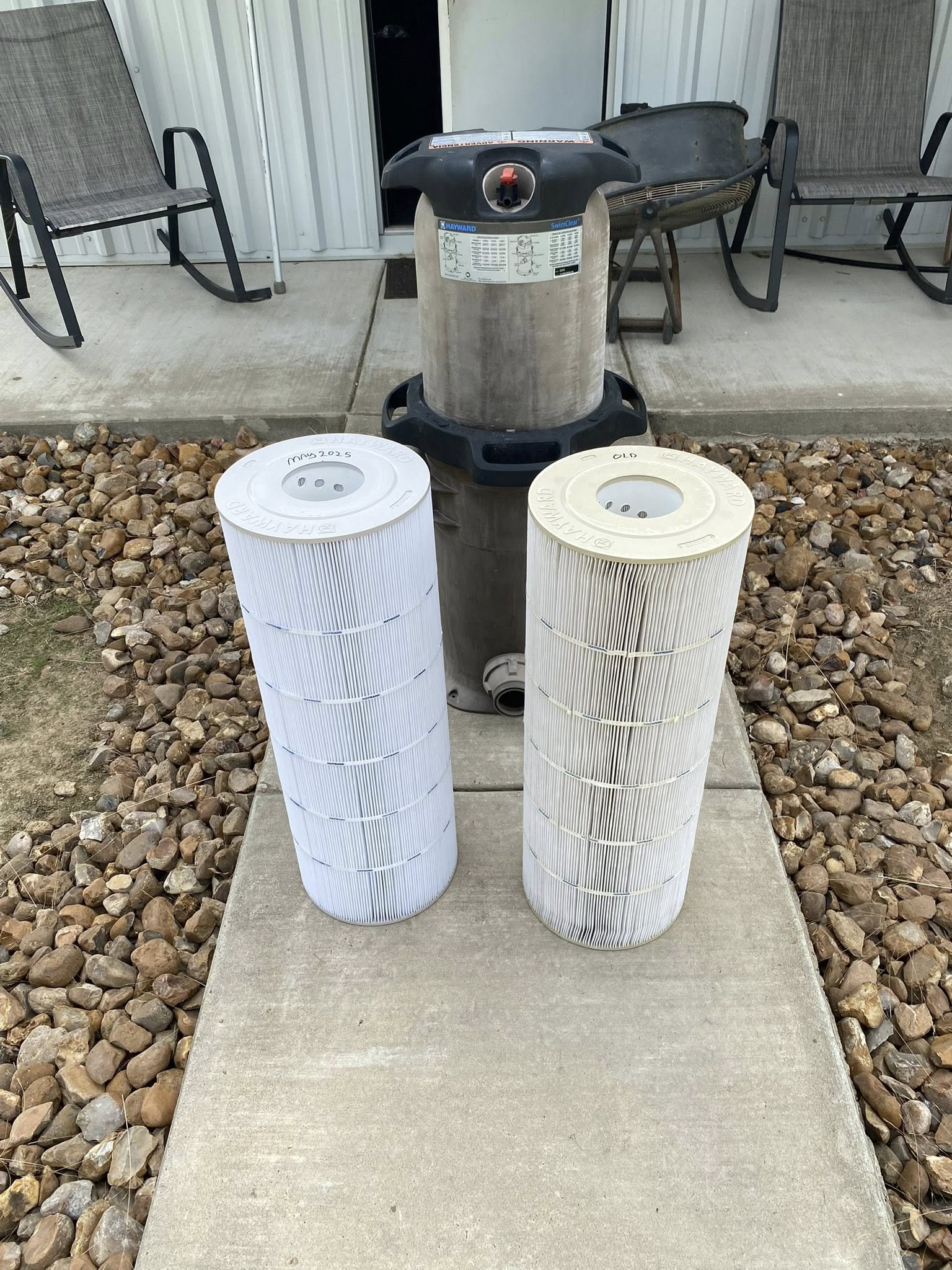
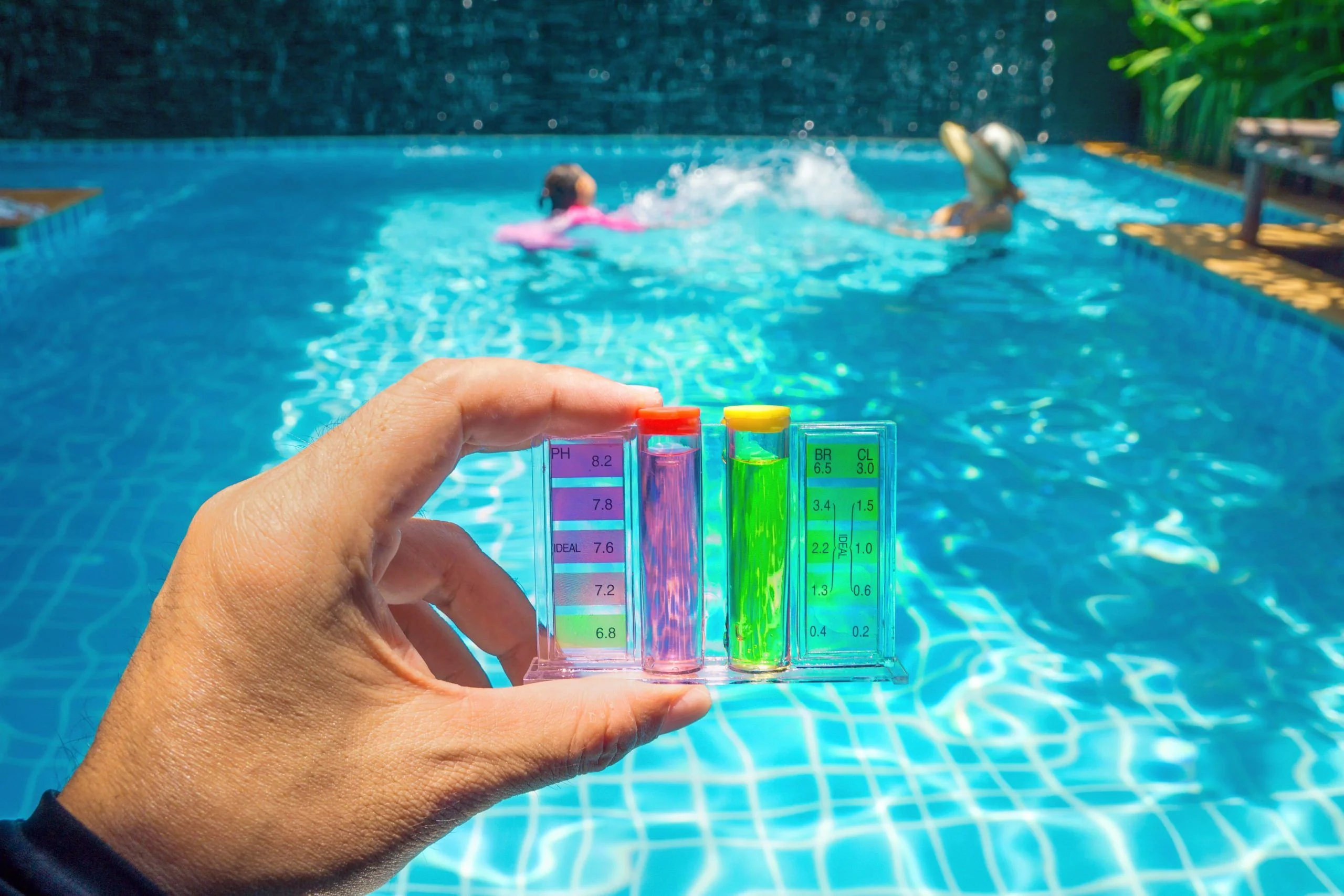
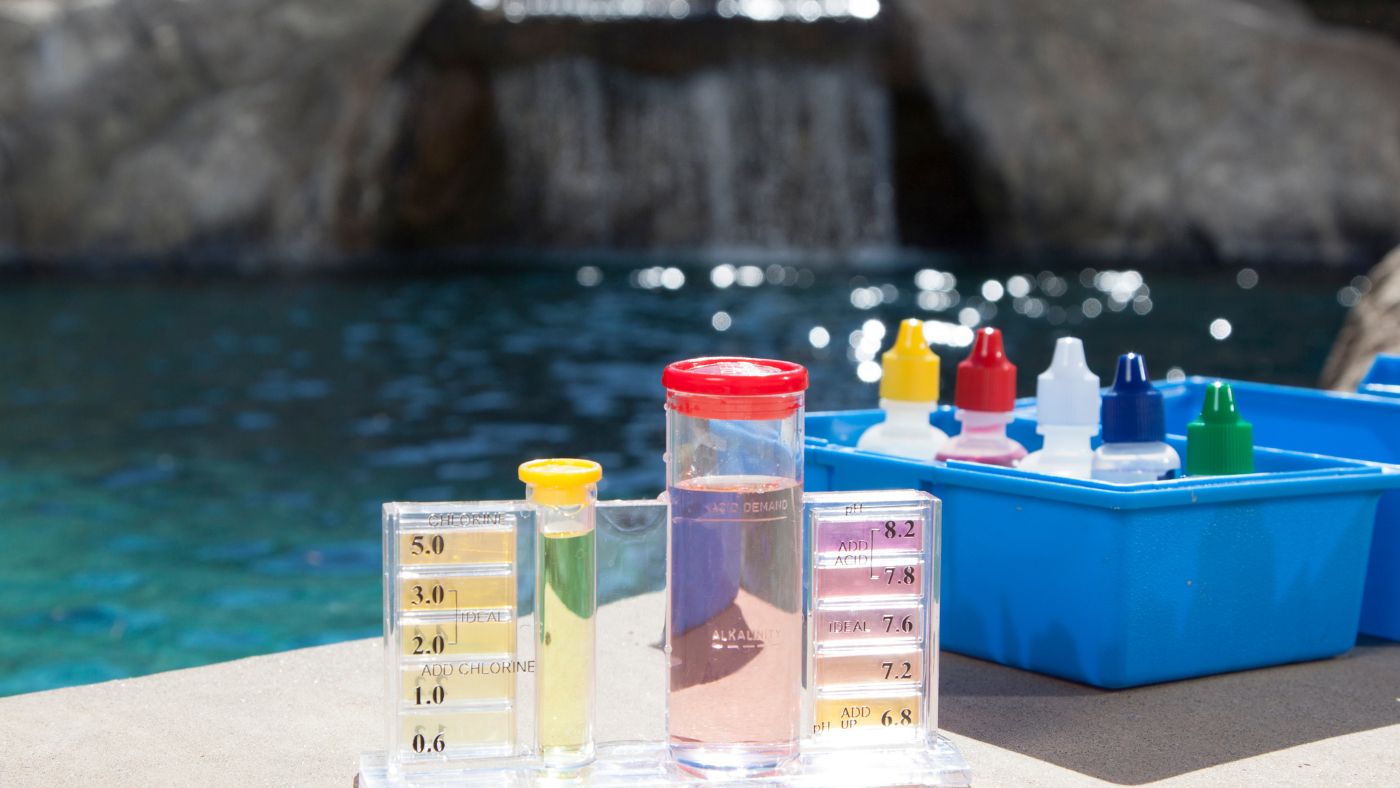
Other causes matter too. High pH can make treatment feel weaker. Heavy algae, sunscreen, sweat, leaves, poor circulation, and weak filtration can all create high chlorine demand. So if you have chlorine not working, do not assume one magic “lock in pool” problem. Test free chlorine, combined chlorine, pH, alkalinity, and CYA together. PoolBurg’s pool water testing kits guide is a helpful next read if your numbers keep fighting each other.
Chlorine Lock vs High Chlorine Demand
Pool chlorine lock and high chlorine demand get mixed up all the time. High demand means contaminants are chewing through chlorine quickly. High stabilizer pool trouble means the chlorine level may be too low for the amount of CYA in the water. Both can leave you frustrated, but they are not fixed the exact same way.
The free chlorine and cyanuric acid relationship is why a pool can test with “some chlorine” and still behave like chlorine is not working. Orenda’s chlorine, pH and CYA relationship explanation also breaks down why CYA changes how active chlorine behaves in stabilized outdoor water.
| Chlorine Source | What It Adds | Why It Matters |
| Trichlor tablets | Chlorine plus cyanuric acid | Convenient, but steady tab use can create a high stabilizer pool. |
| Dichlor shock | Chlorine plus cyanuric acid | Can make a suspected pool chlorine lock problem worse if CYA is already high. |
| Cal hypo shock | Chlorine plus calcium | No CYA, but calcium hardness can climb if overused. |
| Liquid chlorine | Chlorine without CYA | Often useful when chlorine not working is tied to too much stabilizer. |
How pH Affects Chlorine Performance
pH still matters because it affects swimmer comfort, surface protection, scaling, and overall water balance. The Pool and Hot Tub Alliance fact sheet lists an acceptable pH range of 7.2 to 7.8, which is the same practical range many techs use in the field. If pH is too high, treatment often feels sluggish. If pH is too low, water can become irritating and aggressive.
If pH is part of the problem, read PoolBurg’s swimming pool pH levels guide before dumping in more shock. A balanced pool responds better than a pool that is being bullied with random chemicals.
How to Fix Suspected Pool Chlorine Lock
Start with a full test, not a guess. If CYA is high, stop adding stabilized tablets or dichlor shock until you know the numbers. Brush the pool, run the pump, clean the filter, and confirm whether algae is still active. If the pool still green with chlorine problem keeps coming back, the chlorine level may simply not match the stabilizer level.
If stabilizer is extremely high, the most reliable fix is dilution. Portage County’s high cyanuric acid guidance explains that CYA remains in the water and is commonly reduced by partial draining and refilling. Nova Scotia’s aquatic water quality guidance also notes that dichlor and trichlor are stabilized chlorine products and that reducing cyanuric acid often involves replacing water.
One warning: never freestyle large chemical corrections, and be careful with major drains, especially on fiberglass pools or pools with groundwater concerns. If algae is part of the issue, PoolBurg’s kill algae in pool article can help explain why testing, brushing, shocking, filtering, and vacuuming all work together.
People Also Ask
What is chlorine lock?
Chlorine lock is a common phrase for a pool where chlorine is present but not sanitizing effectively. It is often tied to high stabilizer, high chlorine demand, or poor water balance.
Why is my pool still green with chlorine?
The chlorine may be too low for the CYA level, algae may still be active, pH may be out of range, or the filter may not be removing dead algae fast enough.
Can too much stabilizer stop chlorine?
Too much stabilizer can make normal chlorine levels feel weak because the pool needs more free chlorine relative to the CYA level.
How do I break chlorine lock?
Test the full chemistry, stop adding stabilized products, correct pH if needed, brush and filter, shock at the proper level, and lower CYA through dilution if it is too high.
Why does my chlorine disappear overnight?
Algae, organics, ammonia, heavy debris, or high bather load can consume chlorine quickly. Overnight chlorine loss usually points to demand, not sunlight.
Should I drain my pool if CYA is too high?
A partial drain and refill may be needed if CYA is extremely high, but the safest approach depends on pool type, water table, weather, and local conditions.
PoolBurg Can Fix the Real Chemistry Problem
Pool chlorine lock is not solved by panic-dumping more tablets into the skimmer. The smart move is to find out whether the real issue is high stabilizer, high demand, pH imbalance, algae, or weak circulation. PoolBurg can run a full water test, explain the numbers clearly, and fix the actual chemistry issue instead of making your pool more confusing.
If your DFW pool has chlorine not working, cloudy water, or a stubborn green tint that keeps coming back, contact PoolBurg and let us help you get the water back under control.