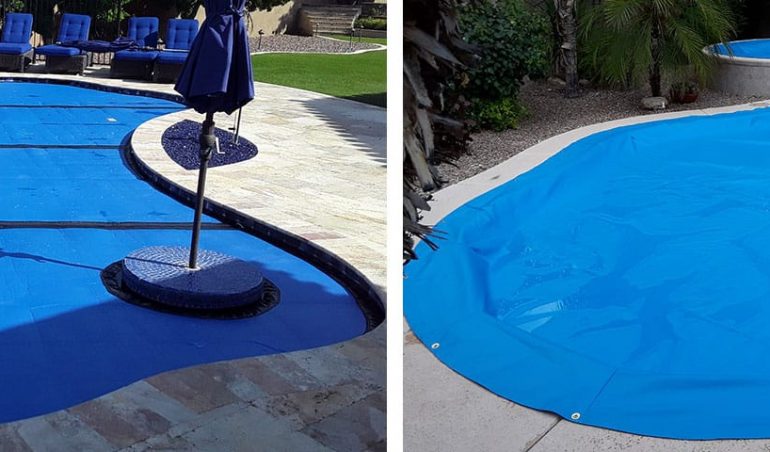
Safety pool cover vs solar cover is one of those backyard decisions that sounds simple until you start thinking about kids, pets, heating bills, wind, leaves, and how often you actually want to wrestle with a cover. For homeowners in Southlake, Grapevine, Keller, Las Colinas, and Prosper, the right answer is not always the cheapest one. A solar cover helps with heat and evaporation. A real safety cover helps limit accidental access. Those are not the same job.
The Real Difference Between a Safety Cover and a Solar Cover
Safety function
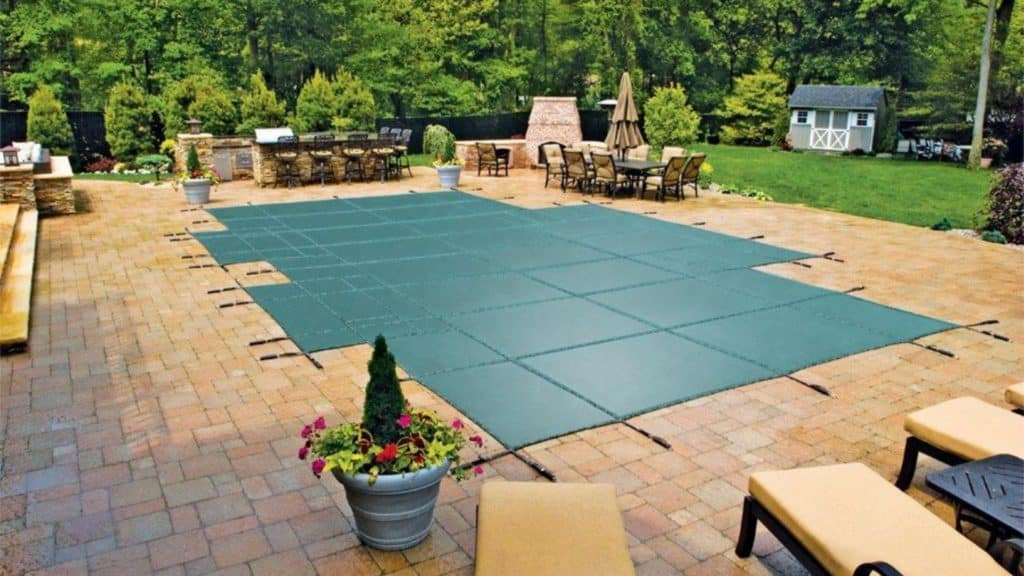
A safety cover is designed to create a secured barrier over the pool when it is closed and properly installed. If you are asking about the best pool cover for safety, this is the category to study first. The ASTM F1346 pool cover standard establishes performance requirements for safety covers, including how they are intended to reduce access to the water when used correctly.
Heat-retention function
A solar cover is mostly about comfort and savings. It floats on the water, reduces evaporation, and helps hold warmth overnight. The Department of Energy explains pool cover savings by noting that covering a pool when it is not in use is the single most effective way to reduce pool heating costs.
Debris-control function
Both can help with debris, but in different ways. A solar blanket catches light debris on the water surface. A safety cover, especially during winter or longer closures, can keep leaves and larger debris out more consistently when it is anchored and maintained. PoolBurg also covers this in its pool cover guide for North Texas pools.
Safety Pool Cover vs Solar Cover Comparison
| Feature | Safety Cover | Solar Cover |
| Main purpose | Barrier-style protection, debris control, winter closure | Evaporation reduction and heat retention |
| Child safe pool cover use | Yes, when properly rated and installed | No, not a safety barrier |
| Heating help | Some, especially solid covers | Strong day-to-day heat and evaporation help |
| Best fit | Families, pets, winter closing, liability concerns | Budget heat retention and warmer shoulder-season water |
What a Safety Cover Is Better At
Preventing accidental access
When the conversation is safety cover vs pool cover, the big point is access control. A child safe pool cover should be a rated safety cover, not a floating bubble blanket. The CPSC safety barrier guidelines explain that barriers give families extra layers of protection, but they do not replace adult supervision.
Winter closure and liability concerns
For homes that close the pool or leave it unused for stretches, a safety cover can reduce debris, help with cleaner startup, and make the backyard feel more controlled. That matters if you have children, visiting relatives, pets, or neighbors nearby.
What a Solar Cover Is Better At
Lower upfront cost
Solar covers usually win on price. If your main goal is the cheapest entry point for warmer water, solar cover vs safety cover is often an easy call. A solar cover is lighter, less expensive, and easier to add without major deck work.
Day-to-day evaporation and heat retention
Evaporation is a huge reason pools lose heat, especially when wind moves across warm water. That is why solar covers are popular with homeowners who run heaters or want to stretch swim season without burning through extra energy. The catch is simple: a solar cover is not the best pool cover for safety.
Where Each Cover Fits in Texas
Families with children or pets
For families, safety pool cover vs solar cover should start with risk, not price. The CDC drowning prevention guidance reminds homeowners that drowning can happen quickly and quietly, and children still need close supervision around water. If access protection is the priority, choose a safety-rated cover and keep fences, gates, alarms, and supervision in the plan.
Homeowners focused on heating bills
If your biggest headache is heat loss, a solar cover can be a smart first step. It pairs well with heater planning, especially if you are also comparing systems in PoolBurg’s heat pump vs gas pool heater guide.
Pools used for long shoulder seasons
In North Texas, many pools are not truly “summer only.” A cover can help during spring and fall, when warm afternoons turn into cool nights. A safety cover may make sense for longer closures, while a solar cover may fit daily or weekly swim routines.
Manual, Semi-Automatic and Automatic Options
Cost versus convenience
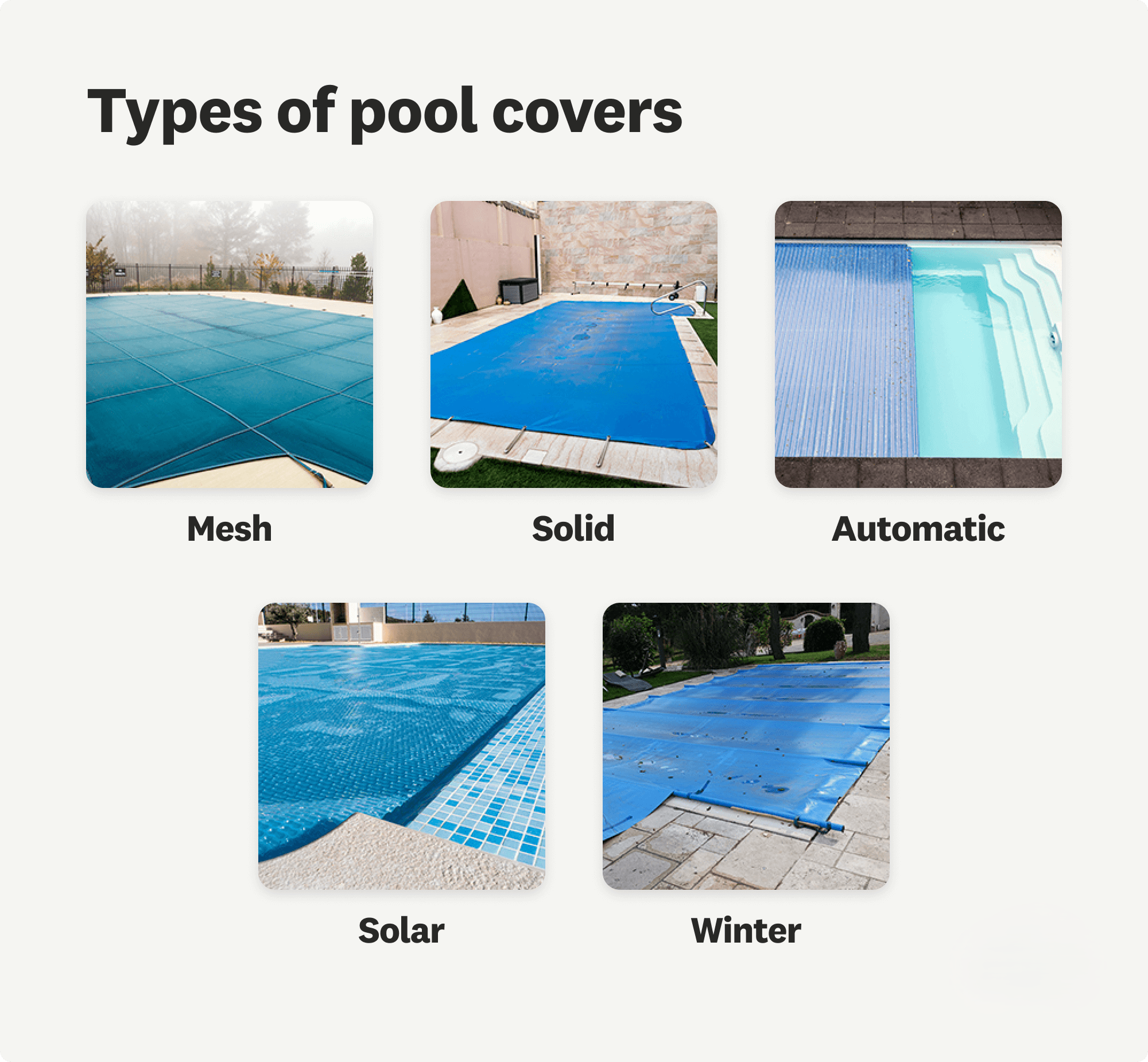
Manual covers cost less, but they only help when someone actually uses them. Automatic covers cost more, but they are easier to close consistently. Energy.gov makes the same practical point: a cover does not save energy if you never use it.
Why the best cover is the one actually used
The best cover is not always the fanciest one. It is the one your household will close after swimming, open without drama, store correctly, and maintain. PoolBurg’s pool cover maintenance guide is a good reminder that covers need care too, especially with leaves, standing water, track debris, and storms.
Which Questions Decide the Right Choice
Before buying, ask five questions: Is safety the main reason? Are you trying to cut heating costs? Do you close the pool for winter? Do you have storage space? Will your family actually use it every time? Safety pool cover vs solar cover becomes much easier when you answer those honestly.
If you need a cover consultation, PoolBurg can look at your pool shape, backyard layout, safety needs, budget, and swim habits. From there, we can help you choose between a solar cover, manual safety cover, or automatic option without guessing.
People Also Ask
What is the difference between a safety cover and a solar cover?
A safety cover is built to limit access to the water when properly installed. A solar cover mainly helps reduce evaporation and heat loss.
Can a solar cover keep children out of the pool?
No. A solar cover should not be treated as a child safe pool cover. It floats on the water and is not designed as a safety barrier.
Do safety covers reduce evaporation?
Some safety covers can reduce evaporation, especially solid designs, but solar covers are usually chosen specifically for heat retention and evaporation control.
Is a safety pool cover worth the money?
For families with children, pets, long closure periods, or liability concerns, a properly rated safety cover can be worth the higher upfront cost.
Which cover helps more with heating costs?
A solar cover is usually the better low-cost option for day-to-day heat retention, especially when the pool is heated regularly.
Can a safety cover hold weight?
Rated safety covers are designed to meet performance standards when installed correctly, but homeowners should still follow manufacturer rules and never use the cover as a walking surface.
Do solar covers reduce chemical use?
They can help reduce evaporation and UV exposure, which may reduce some chemical demand, but they do not replace testing, balancing, or sanitation.
Should I choose manual or automatic operation?
Choose automatic if convenience will make you use the cover more often. Choose manual if budget matters more and you are confident someone will handle it consistently.
PoolBurg Helps You Choose the Right Cover Without Guessing
A pool cover should match the way your family actually uses the backyard. If you are comparing safety pool cover vs solar cover in Southlake, Grapevine, Keller, Las Colinas, Prosper, or nearby DFW areas, PoolBurg can help you weigh safety, heating costs, debris, storage, and convenience.
Contact PoolBurg to request a cover consultation and get a practical recommendation based on your pool, your budget, and your real swim routine.