Pool chemical storage safety is not the exciting side of owning a pool, but it is one of the most important. In Frisco, Plano, Allen, McKinney, Mesquite and Prosper, a lot of pool chemicals end up in hot garages, small sheds, laundry rooms or random corners of the backyard. That seems harmless until chlorine gets damp, acid fumes build up, a lid is left loose, or two products accidentally mix. The pool may be outside, but the safety habits start wherever those bottles, buckets and tabs are stored.
Why Pool Chemical Storage Is a Real Safety Topic
Fumes, fire risk and accidental mixing
Pool products are useful because they are reactive. That is also why CDC pool chemical safety guidance tells owners to keep chemicals dry, separate incompatible products, and store them according to label directions. Chlorine products, acids, shock, algaecides and cleaners should never be treated like ordinary household supplies. Bad storage can lead to fumes, heat, corrosion, fire risk or toxic vapor release.
Child and pet exposure
Pool chemical storage safety also matters because curious kids and pets do not understand warning labels. A bright bucket or bottle can look harmless. The safest setup is boring: locked, labeled, dry, upright and out of reach.
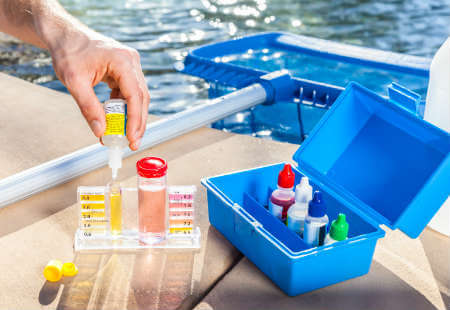
Where Pool Chemicals Should and Should Not Be Stored
Dry, ventilated spaces
To store pool chemicals safely, choose a clean, dry, cool and ventilated spot. The EPA pool chemical safety alert warns that pool chemical hazards can include fires, toxic vapors and injuries when products are handled or stored poorly. A storage area should also keep chemicals off damp floors and away from sprinklers, hoses, rain leaks and direct sunlight.
Why hot garages and damp sheds create avoidable risk
A Texas garage can get brutally hot. A shed can be worse if it has no airflow and traps humidity. Heat can degrade products faster, and moisture can trigger reactions in dry chemicals. Pool shed safety is not about buying a fancy cabinet; it is about preventing heat, water and incompatible products from turning a simple storage shelf into a problem.
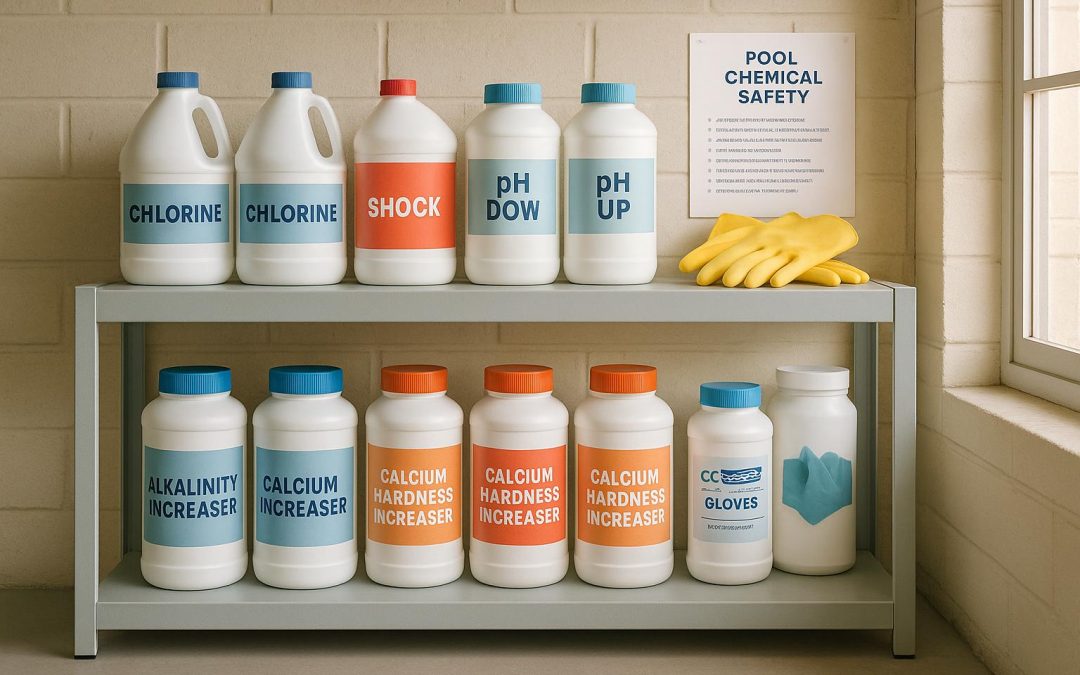
What Must Be Stored Separately
| Chemical Group | Safe Storage Habit |
| Chlorine products | Pool chlorine storage should be separate from acid, oils, fuel, paint, fertilizer and cleaning products. Keep different chlorine types apart too. |
| Acid products | Muriatic acid storage should be away from chlorine and oxidizers. Acid fumes can also corrode nearby metal, so do not park it beside tools, heaters or pump motors. |
| Liquid versus dry products | Store liquids below dry products if they must share a general area, and never stack leaking liquids above dry chlorine or shock. |
Handling and Labeling Basics
Keep original containers
One of the simplest pool chemical safety tips is this: keep chemicals in the container they came in. The New York State Department of Health pool chemical guidance warns against using chemicals from unlabeled containers and recommends storing chemicals separately to prevent accidental mixing if a container leaks. Do not pour chlorine into a drink bottle, food container, coffee can or mystery jug.
Close lids and clean spills immediately
Loose lids invite moisture. Powder on the floor gets tracked around. A small spill near another product can become a bigger reaction. Use clean, dry tools, close containers tightly, and never use the same scoop for different chemicals.
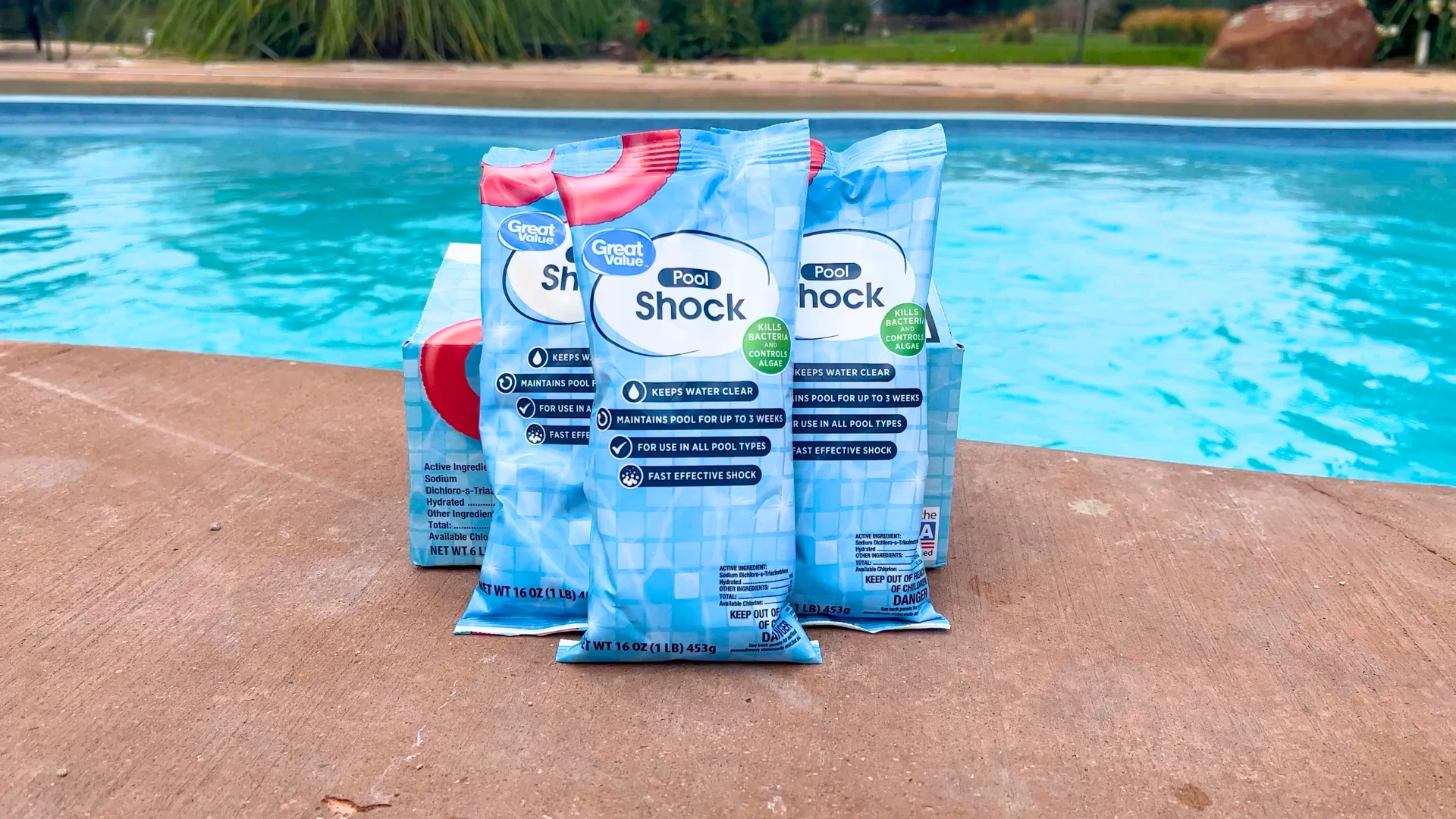
What Never to Do With Pool Chemicals
Never mix chemicals
Never mix pool chemicals together in a bucket, bottle, feeder, skimmer or storage bin. The CDC storage poster is blunt about keeping chemicals dry and not mixing different products. That includes different types of chlorine. Mixing pool chemicals is one of those shortcuts that can go wrong fast.
Never add water the wrong way
If a label tells you to dilute a product, follow the label exactly. A classic safety rule is to add chemical to water, not water to chemical. The wrong order can splash concentrated product back at you or create heat too quickly.
Never let products get wet in storage
Water is a major storage enemy. The EPA pool chemicals disaster fact sheet notes that pool chemicals should be stored in a clean, dry and well-ventilated area and kept elevated from the floor because even small amounts of water can trigger reactions with some products.
Disposal and When to Call for Help
Expired chemicals and damaged containers
Do not gamble with old, clumped, leaking or mystery chemicals. If the label is unreadable, the container is swollen, the lid is crusted shut, or the product smells unusually strong, stop handling it like a normal pool chore. Check local disposal rules instead of dumping it into the trash, drain or pool.
Strong smells or visible reaction
If you see smoke, bubbling, heat, leaking acid, strong fumes or a visible reaction, leave the area. Keep children and pets away and call the proper local emergency or hazardous waste resource. This is not a “let me rinse it off real quick” moment.
People Also Ask
Can pool chemicals be stored in a garage?
Sometimes, but only if the garage stays dry, ventilated, secure and not extremely hot. In North Texas, many garages get too hot for ideal storage, so always follow the product label.
Can I store chlorine and acid together?
No. Chlorine and acid should be stored separately. Muriatic acid storage near chlorine products can create dangerous fumes if containers leak or products mix.
What happens if pool chemicals get wet?
Some pool chemicals can react, heat up, release gas, clump or become unstable when wet. Keep containers sealed and stored away from rain, hoses and damp floors.
How should I store muriatic acid?
Store muriatic acid upright, tightly closed, ventilated, away from chlorine, metal equipment, children, pets and direct heat.
Is it safe to keep pool chemicals outside?
Only if they are protected from rain, heat, sunlight, moisture and unauthorized access. A random open shelf outside is not safe storage.
How long do pool chemicals last in storage?
It depends on the product and storage conditions. Heat, humidity and poor sealing shorten shelf life. Follow the label and avoid using degraded or unlabeled chemicals.
What should I do with leaking chemical containers?
Do not move them casually or mix them with other products. Keep people away and contact local hazardous waste or emergency guidance if there is a reaction, strong smell or unknown spill.
Why do pool chemicals smell strong in storage?
Strong smells can mean poor ventilation, a loose lid, corrosion, moisture exposure or a leaking container. Treat that as a warning sign, not normal garage odor.
PoolBurg Helps Families Avoid Chemical Guesswork
Good pool chemical storage safety is part habit, part setup and part knowing when not to DIY. If your family would rather avoid juggling chlorine, acid, shock and testing supplies every week, PoolBurg can help. Our weekly pool service handles water testing, balancing, baskets, filter checks and routine maintenance so your pool stays safer without turning your garage into a mini chemical room.
For more help with swimmer comfort and home pool care, read PoolBurg’s guides on family safe pool chemicals, pool chlorine rash, sunscreen in pool water, and pool opening after winter storm.