Pool skimmer basket cleaning frequency sounds like one of those tiny chores nobody wants to think about. Then a windy North Texas afternoon fills the basket with leaves, the pump starts sounding different, and the pool surface suddenly looks lazy. For homeowners in Southlake, Grapevine, Carrollton, Farmers Branch, Garland, and Wylie, this simple habit can be the difference between steady circulation and a weekend of weak skimmer suction.
Why the skimmer basket matters more than people think
The skimmer is the mouth of your pool circulation system. It pulls floating leaves, bugs, pollen, seed pods, and surface debris toward the opening before that mess sinks to the floor. The Spruce explains what a pool skimmer does, and the short version is this: it catches debris early so your pump, plumbing, and filter do not have to fight everything later.
Protecting flow to the pump
A clean pool skimmer basket helps water move freely to the pump. When the basket fills up, water has less room to pass through. That can create poor suction, air draw, lower circulation, and sometimes pump priming problems. A clogged skimmer basket is not dramatic at first. It just quietly makes the whole system work harder.
Keeping leaves and bugs out of the plumbing
The basket is also a debris shield. It keeps large debris from traveling deeper into the suction line or pump basket. If you remove the basket or let it overflow constantly, leaves can slip where they do not belong. That is when a two-minute habit can turn into a service call.
How often the basket should be emptied
For a normal-use pool with light debris, pool skimmer basket cleaning frequency should be at least once a week. In heavy leaf season, after storms, or when the pool is being used hard, check it every day or every couple of days. PoolBurg mentions in its own pool skimmer problems guide that normal conditions usually call for weekly cleaning, while storms and fall debris may require more frequent checks.
| Pool Situation | Smart Basket Check | Why It Matters |
| Normal weekly routine | Once per week | Keeps basic debris from restricting flow |
| Tree-heavy yards | Every 1 to 3 days | Leaves can fill the basket fast |
| Spring pollen | Several times per week | Fine debris can stack up and reduce skimming |
| After storms or parties | Same day or next morning | Debris, bugs, sunscreen, and organics load the system |
The warning signs your skimmer basket is too full
The easiest clue is weak skimming. If leaves drift past the skimmer opening instead of getting pulled in, check the basket first. Debris spinning in place, a gurgling skimmer, air bubbles coming from the returns, or a pump basket that does not stay full can also point to a clogged skimmer basket or low water level.
Weak skimming and air draw
When the basket is packed tight, the pump may start pulling air instead of a steady stream of water. That can sound like a gurgle at the skimmer or a strained sound at the equipment pad. If you empty pool skimmer basket debris and the sound improves, you caught the problem early.
Skimmer basket versus pump basket
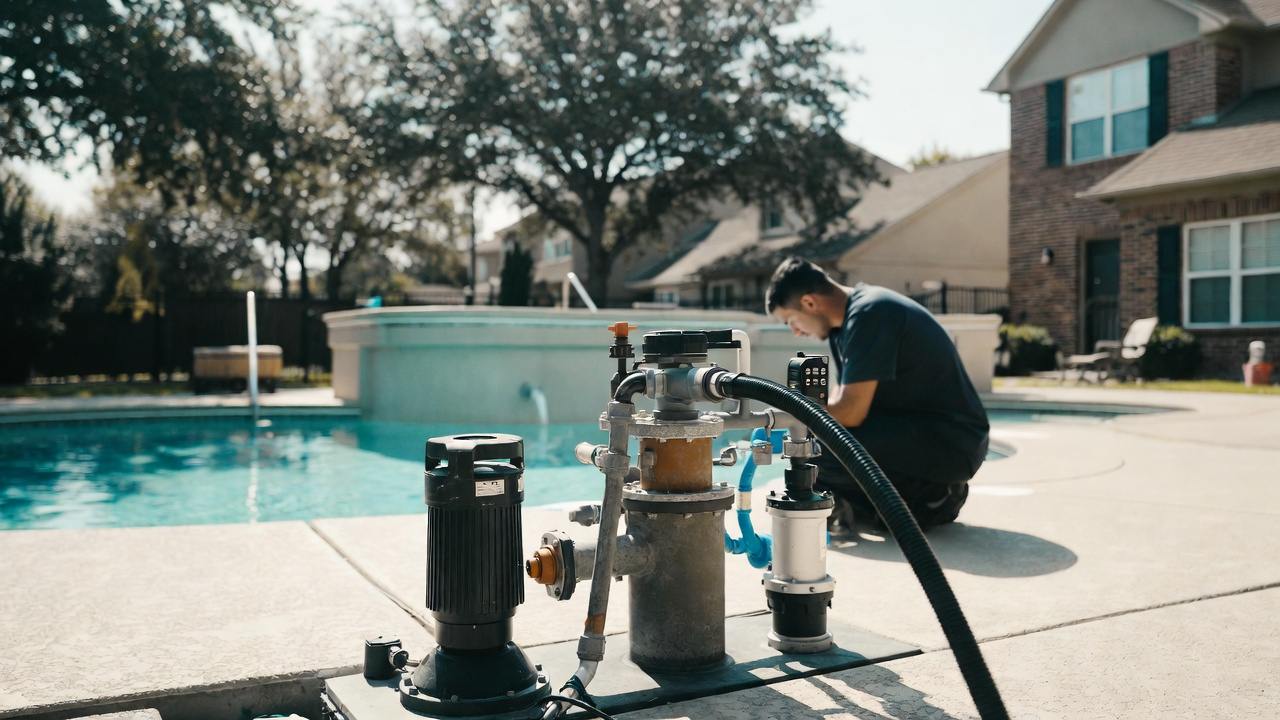
The skimmer basket catches debris at the pool wall. The pump basket catches debris that makes it past the skimmer. Check the skimmer first because it is faster and usually fills first. The pump basket still matters, though. SwimmingPool.com skimmer and pump basket cleaning steps recommend turning the pump off before removing and emptying baskets, which is a smart safety habit.
Which one to check first
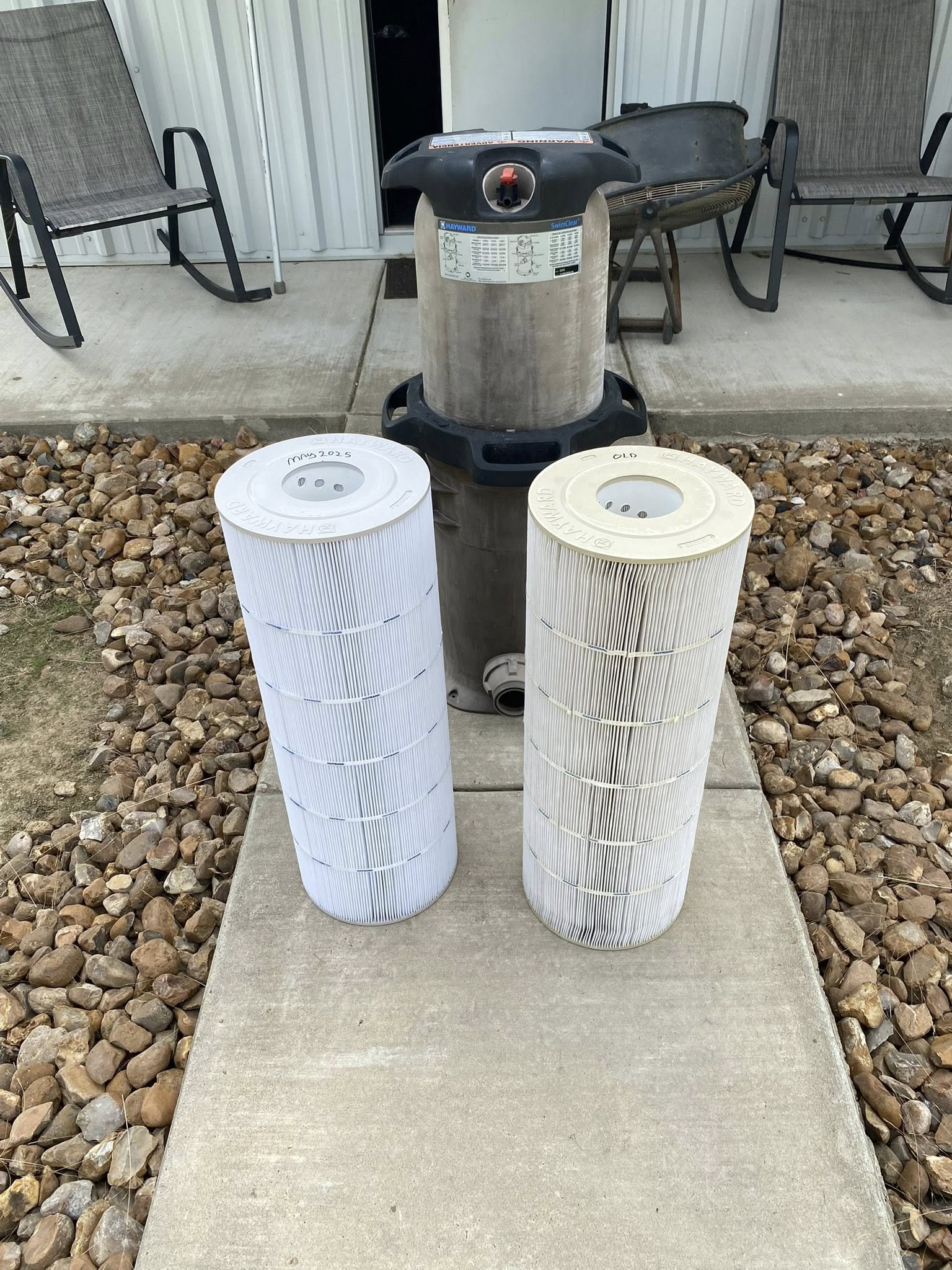
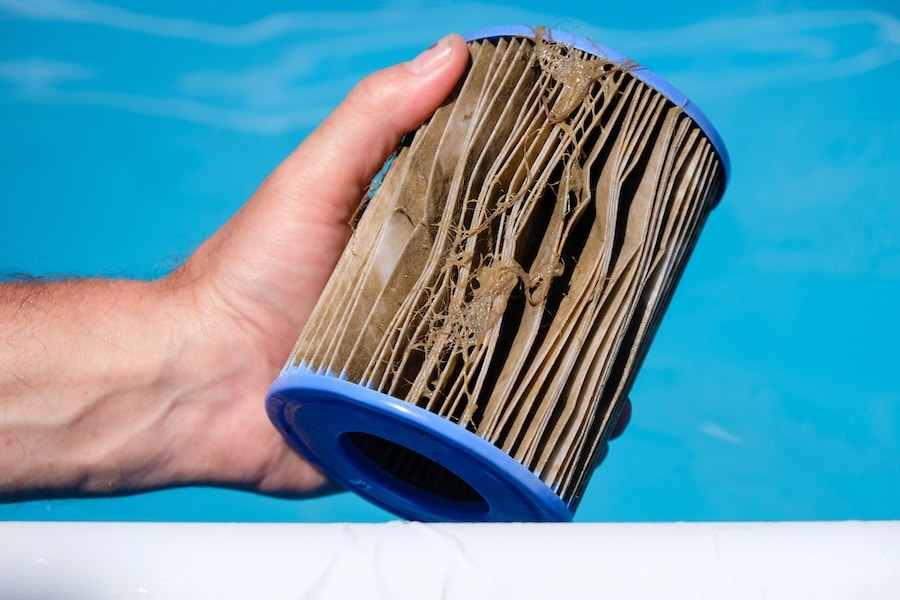
If surface debris is not moving, start at the skimmer. If the skimmer is clean but flow is still weak, check the pump basket, filter pressure, valve position, and water level. A dirty cartridge can also stack onto the same problem, which is why PoolBurg ties basket care into cartridge pool filter cleaning frequency and routine system checks.

The order to recover a cloudy saltwater pool
Good saltwater pool troubleshooting starts with testing, not dumping chemicals. Check free chlorine, pH, alkalinity, stabilizer, salt level, calcium hardness, and filter pressure. Then correct chlorine and pH first. Clean or backwash the filter if pressure or flow says it needs help. Inspect the cell for white scale, flakes, or warning lights. PoolBurg’s salt cell scale buildup guide is a good internal reference when the cell looks crusty or production keeps dropping.
Shock only when the diagnosis says it is needed. Sometimes shocking is the right move, especially after algae, heavy use, or a serious chlorine crash. But if the real issue is a dirty filter, low runtime, high pH, or a scaled salt cell, shock may clear the pool for a minute and then the same cloudy saltwater pool problem comes right back. PoolBurg’s weekly pool service includes testing, balancing, equipment checks, filter care, and salt cell cleaning when needed.
When cloudiness suggests algae or cell failure
If the water is cloudy with slippery walls, green tint, low chlorine, or a filter that keeps clogging after cleaning, algae may already be starting. If chlorine stays low even after the chemistry, runtime, salt level, and flow are corrected, the cell may be aging or failing. Repeated service lights, strange salt readings, and low output after cleaning are all red flags. PoolBurg has a separate guide on saltwater pool not producing chlorine that fits this exact situation.
For homeowners in Frisco, McKinney, Allen, Prosper, Keller, and Las Colinas, the smart move is simple: do not let cloudy water sit. A fast saltwater-system inspection can check cell scale, chemistry balance, filter pressure, circulation, and output settings before a small haze turns into a weekend-killing algae cleanup.
People Also Ask
How often should I empty a pool skimmer basket?
At least once a week in normal conditions. During heavy leaves, spring pollen, storms, or windy weeks, check it every day or every few days.
Can a full skimmer basket damage the pump?
It can stress the pump by restricting water flow and increasing the chance of air draw or priming trouble. One full basket will not always ruin a pump, but repeated neglect is bad for the system.
Why is my skimmer not pulling debris well?
Common causes include a full basket, low water level, blocked weir door, dirty filter, valve position issues, air leaks, or a pump problem.
Should I empty the basket after every storm?
Yes, it is smart to check it after storms. Wind and rain can fill baskets with leaves, mulch, bugs, and roof debris fast.
How full is too full for a skimmer basket?
If debris is blocking water movement through the basket or floating debris is no longer being pulled into the skimmer, it is too full.
Do I need to clean the pump basket as well?
Yes. The skimmer basket is first in line, but the pump basket should also be checked regularly, especially if suction is weak after the skimmer is cleaned.
Can a clogged skimmer basket cause air bubbles?
Yes. A clogged skimmer basket can restrict water flow and may cause air draw, which can show up as bubbles at the return jets.
Why does debris stay on the surface even when the pump is on?
The basket may be full, the water level may be too low, the weir door may be stuck, or the pump and filter system may not be moving enough water.
PoolBurg Keeps Small Pool Habits From Becoming Big Repairs
Pool skimmer basket cleaning frequency is not glamorous, but it protects the stuff that matters: flow, filtration, pump health, and clear water. If you are tired of guessing when to clean baskets, check pressure, or balance chemistry, PoolBurg can keep it all on a routine.
For homeowners in Southlake, Grapevine, Carrollton, Farmers Branch, Garland, Wylie, and nearby DFW areas, contact PoolBurg to ask about recurring pool service that keeps skimmer baskets, pump baskets, filter pressure, and chemistry in check together.