Salt cell scale buildup is one of those sneaky saltwater pool problems that does not always announce itself loudly. The pool may still run. The control panel may still glow. The water may even look okay for a few days. Then suddenly chlorine drops, the water turns dull, and the salt system starts acting like it has a personal grudge against your weekend plans. For DFW homeowners in Prosper, Frisco, McKinney, Southlake, Keller, and Grapevine, hard water makes this issue even more common.
What Is Salt Cell Scale Buildup?
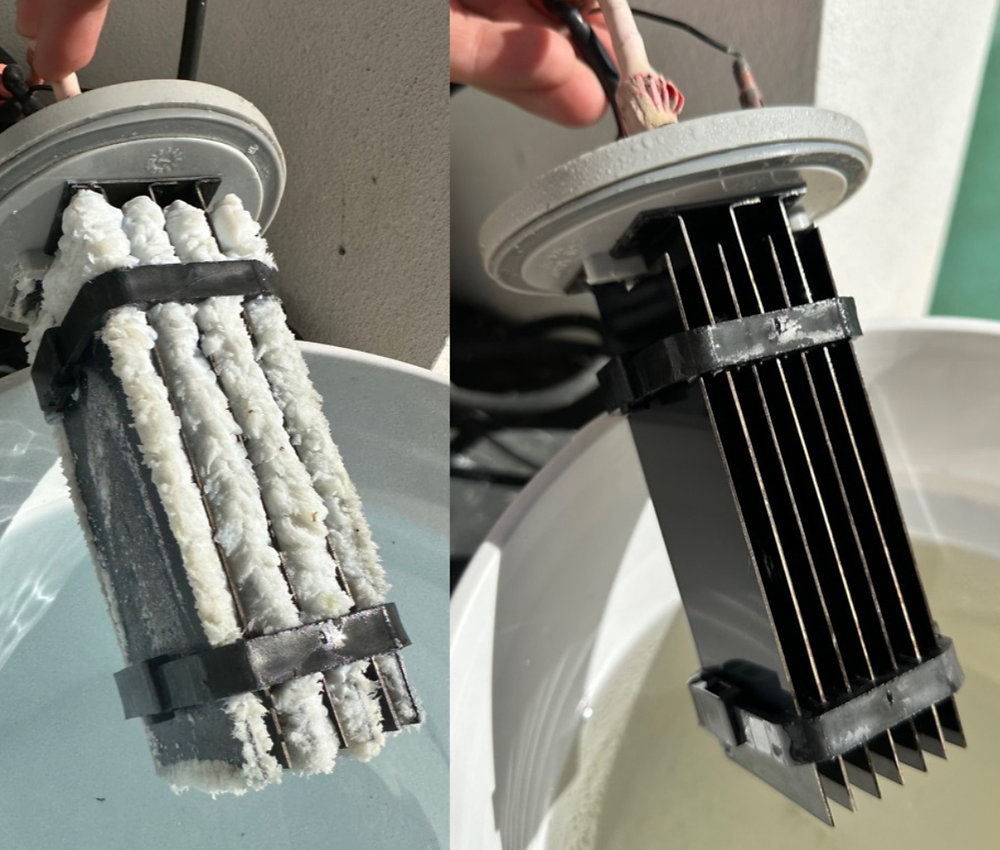
Salt cell scale buildup is calcium scale that collects on the metal plates inside a salt chlorine generator. Those plates help convert dissolved salt into chlorine. When they get coated with white crust, the cell has a harder time producing sanitizer. In plain homeowner language, the pool still has salt, but the system cannot use it as efficiently.
That is why salt cell scale buildup can feel confusing. You may test the salt and see a decent number, but chlorine stays low. You may clean the pool, brush the walls, and still see cloudy water. The cell is not just dirty; it is being blocked. Good salt cell cleaning matters because scale can interrupt chlorine production before the pool looks obviously neglected.
Why Salt Cells Build Up Scale
Most saltwater pool scale starts with water balance. High pH, high calcium hardness, high alkalinity, and warm water all encourage calcium to fall out of solution and stick to surfaces. The CDC recommends keeping pool pH in a proper operating range because pH affects sanitation and swimmer comfort. In North Texas, that pH target becomes even more important because hard fill water already brings extra minerals into the pool.
Salt systems can also nudge pH upward over time, which is why salt cell maintenance cannot stop at checking the salt level. You still need regular pH testing, alkalinity control, calcium hardness awareness, and real water balance. If pH keeps drifting high, salt cell scale buildup is not a maybe; it is usually just waiting its turn.
Signs Your Salt Cell Has Scale
The easiest sign is visible white crust on the cell plates, but many homeowners notice the symptoms first. Watch for low chlorine readings, a salt system warning light, cloudy water, white flakes in the pool, or reduced output even when the equipment is running. Some systems may show salt chlorine generator problems even when the actual salt level is not the main issue.
The Hayward Aqua Rite manual recommends visually inspecting the cell every few months or after filter cleaning, which is a good reminder that the cell should not be treated like a sealed mystery box. The sooner scale is caught, the less dramatic the repair conversation usually becomes.
Can Scale Damage a Salt Cell?
Yes, saltwater pool scale can shorten cell life if it is ignored. A scaled cell works harder, produces chlorine less efficiently, and may trigger warnings or error codes. That does not mean every warning light equals a ruined cell, but it does mean the system needs attention. Running a scaled cell for weeks while adding random chemicals is like driving with the parking brake half on. It might move, but it is not happy.
Many modern systems try to reduce calcium buildup with self-cleaning cycles. For example, the Pentair IntelliChlor guide describes polarity reversal as a feature that helps reduce buildup. Helpful? Absolutely. Magic? No. Water balance still wins.
How to Prevent Salt Cell Scale Buildup
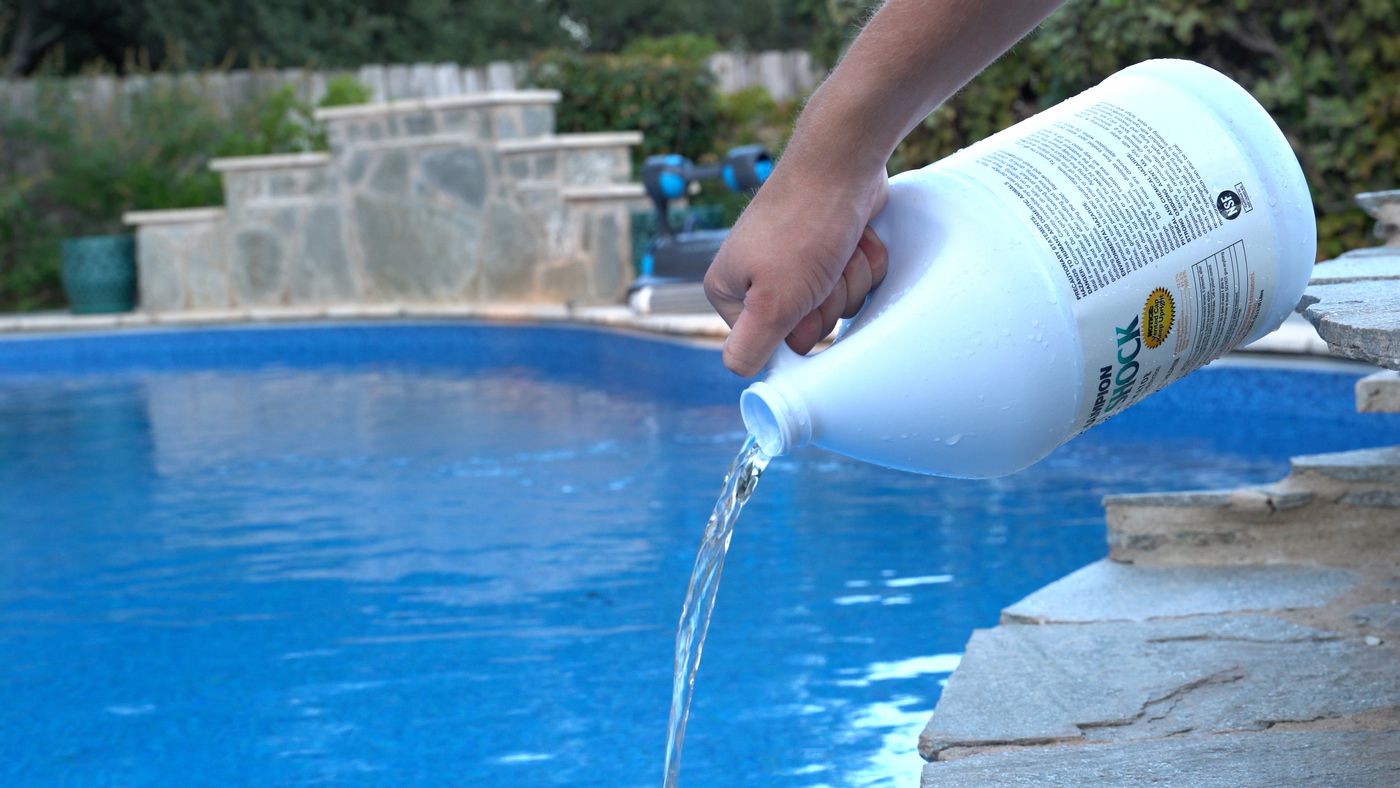
Preventing salt cell scale buildup starts with keeping pH from living too high. Test weekly, adjust carefully, and do not guess with acid. Watch calcium hardness, keep alkalinity in a reasonable range, and inspect the cell before the pool starts losing chlorine. If your pool already has scaling tendencies, a professional water test can show whether the issue is pH, calcium, alkalinity, salt level, stabilizer, or a combination of everything being slightly off at once.
PoolBurg’s pool water testing kits guide is helpful for homeowners who want to understand what they are actually testing. For a more complete routine, our saltwater pool maintenance schedule breaks down weekly, monthly, and seasonal care so salt cell maintenance does not become a once-a-year panic project.
One more thing: do not over-clean the cell with acid. Acid cleaning can be necessary, but too much acid, too often, can wear down cell coatings. The goal is not to attack the cell every time you see a speck. The goal is to prevent scale through balance, then clean only when needed.
PoolBurg’s Salt Cell Inspection Process
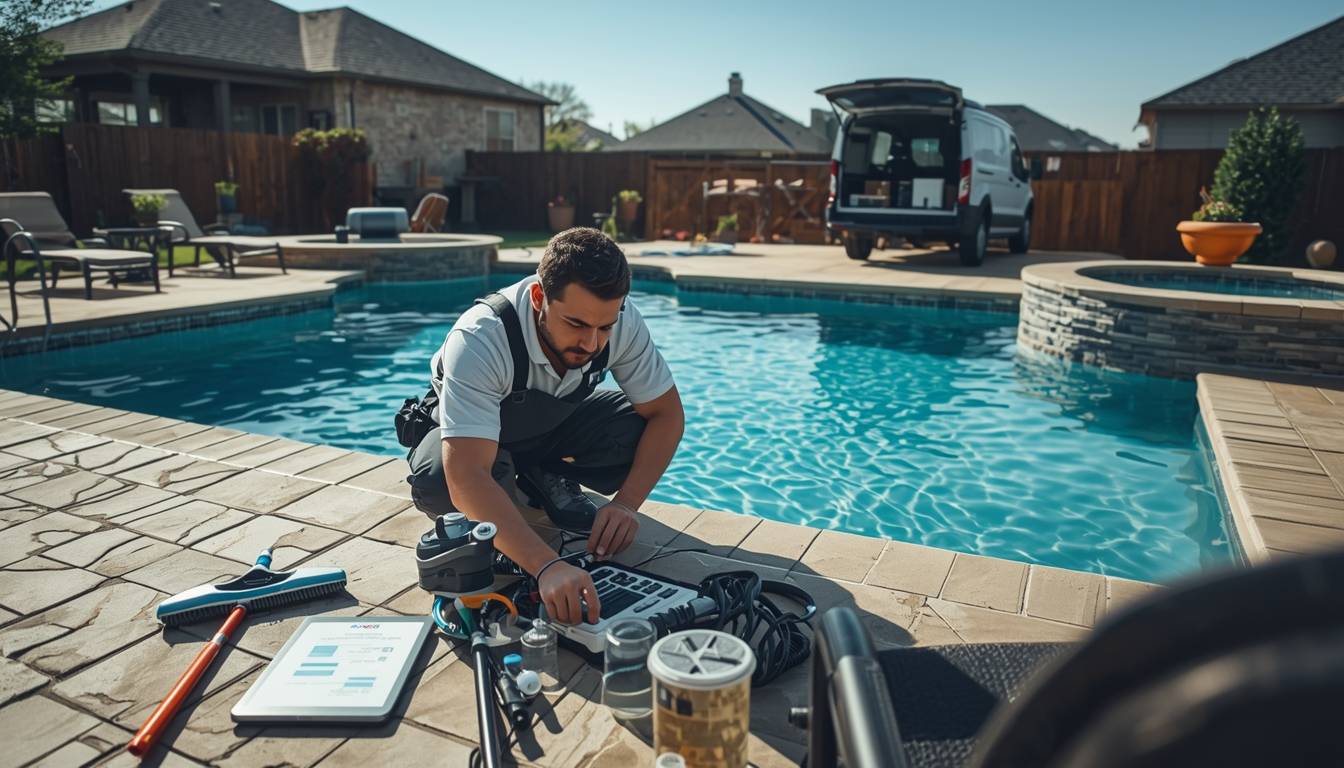
When PoolBurg checks salt cell scale buildup, we look at the whole story. We check the system reading, inspect the cell condition, verify water chemistry, look for saltwater pool scale, and decide whether the cell needs cleaning or whether the chemistry needs correction first. That matters because a clean cell will scale again fast if pH and calcium are still out of line.
Our weekly pool service includes water testing, chemical balancing, equipment assessment, and salt cell care when needed. We can also help with related salt chlorine generator problems through our cost of saltwater pool maintenance guide and our practical article on salt water pool chemicals.
People Also Ask
How do you prevent scale buildup on a salt cell?
Keep pH controlled, monitor calcium hardness and alkalinity, inspect the cell regularly, and clean only when scale is visible or performance drops.
What causes white flakes in a saltwater pool?
White flakes are often calcium scale breaking loose from the salt cell or other surfaces, especially when pH and calcium hardness run high.
How often should a salt cell be cleaned?
It depends on water balance and local hardness. Many DFW pools need regular inspection every few months, but cleaning should be based on visible scale and system performance.
Can high pH damage a salt cell?
High pH encourages scale, and scale can reduce chlorine production, create warning lights, and shorten the useful life of the cell.
Why is my saltwater pool not making chlorine?
Possible causes include scale, low salt, poor flow, low stabilizer, old cell age, bad water balance, or a salt chlorine generator problem that needs troubleshooting.
How long should a salt cell last?
Many cells last several years, but hard water, high pH, heavy use, and neglected maintenance can shorten that timeline.
Salt cell scale buildup is not a small detail in a saltwater pool. It is the quiet layer that can block chlorine production, frustrate homeowners, and turn clear water into a cloudy headache. If your salt system keeps flashing warnings, your chlorine keeps dropping, or you see white flakes in the pool, contact PoolBurg. We can inspect the cell, test the water properly, and clean it the right way without damaging expensive equipment.