
Cost of saltwater pool maintenance is one of those topics where pool owners get ten different answers from ten different people. One neighbor says salt pools are cheaper. Another says the salt cell ruined the whole budget. The real answer sits somewhere in the middle, especially here in DFW where heat, hard water, evaporation, and long swim seasons all play a part.
For most North Texas homeowners, the cost of saltwater pool maintenance is usually about $150 to $280 per month for professional weekly care. That is often a little higher than a standard chlorine pool, but the difference is not as scary as people make it sound. A good salt pool is still a chlorine pool. It simply makes its own chlorine through a salt chlorine generator, which means the service approach has to include salt cell checks, pH control, and scale prevention.
How Much Does Salt Water Pool Service Cost in DFW?
In DFW, salt water pool service cost usually lands around $150 to $280 per month for weekly service. Traditional chlorine service may run closer to $130 to $250 per month, depending on pool size, debris load, equipment condition, and how many features the pool has. So yes, the cost of saltwater pool maintenance can be slightly higher, but not wildly higher.
Why the premium? A technician is not just testing chlorine and brushing walls. With professional salt pool care, the salt system needs to be monitored, the cell should be inspected, and the water balance needs tighter attention. That is exactly why PoolBurg includes salt cell care in its Weekly Pool Service visits.
Salt Water Pool Monthly Cost Breakdown
The cost of saltwater pool maintenance is easier to understand when you split it into pieces:
- Professional service fee: $150 to $280 per month for cleaning, balancing, brushing, basket cleaning, equipment checks, and salt system monitoring.
- Salt: usually $30 to $80 per year because salt is added only when levels drop from splash-out, dilution, or draining.
- Salt cell replacement: about $300 to $800 every few years in many cases, which works out to roughly $5 to $22 per month when spread over time.
- Other chemicals: salt pools still need pH reducer, stabilizer, alkalinity control, and calcium management.
- Electricity: the generator and pump schedule can add operating cost, especially when the system is over-producing chlorine.
A salt system does not remove the need for pool chemistry. The CDC notes that pool pH affects chlorine performance and swimmer comfort, which is one reason pH control matters so much in salt pools. You can use this as an external link: CDC guidance on pool pH and chlorine.
Salt Water Pool Cost vs. Chlorine Pool Cost
Here is the honest comparison: the cost of saltwater pool maintenance is often $20 to $50 more per month for professional service, but salt pools use less purchased chlorine. That can save roughly $30 to $60 monthly during the busy season. Then the salt cell replacement brings some of that savings back into the cost column.
So what is the real difference? Convenience and water feel. Salt pools can feel smoother, smell less harsh, and require less manual chlorine handling. But they are not “set it and forget it.” If the salt cell scales up or the pH drifts high for weeks, the pool can get expensive fast. For owners comparing service options, PoolBurg’s guide to pool maintenance cost is a useful internal link to add beside this topic.

Why Salt Water Pool Service Costs More in North Texas
DFW Hard Water Is Tough on Salt Cells
The cost of saltwater pool maintenance in North Texas is not the same as it is in softer-water markets. Dallas Water Utilities publishes water quality reports that help homeowners understand local water characteristics, and hard water is one reason calcium scale becomes such a regular pool conversation here. Add Texas heat, evaporation, and salt generation, and you get a perfect little recipe for scale. External link text: Dallas Water Utilities water quality reports.
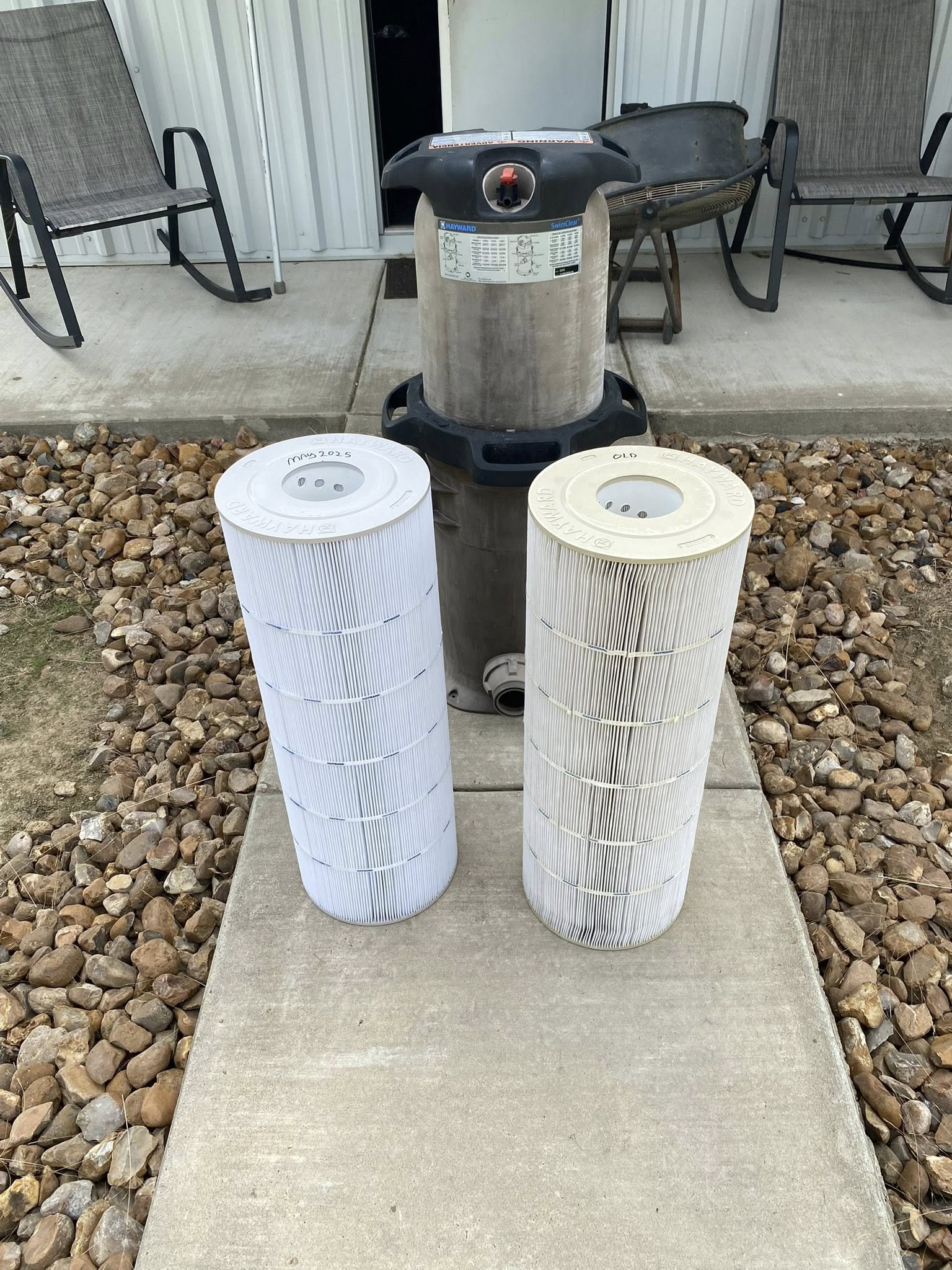
Hayward recommends inspecting a TurboCell about every three months or 500 hours of operation, and says pH and calcium hardness are major factors in cleaning frequency. That is a strong outside source to link on the phrase salt cell inspection every three months. Pentair also explains that its IntelliChlor systems use polarity reversal to reduce calcium buildup, which is helpful, but not magic. Link the phrase Pentair salt system calcium buildup if you want a manufacturer reference.
pH Management Is More Demanding
Salt systems commonly push pH upward over time. When pH runs high, chlorine becomes less efficient, water can feel irritating, and scale forms more easily. That is why the cost of saltwater pool maintenance includes more than just adding salt. It includes watching the trend before it turns into cloudy water, rough tile, or a struggling cell.
Calcium Management Adds Complexity
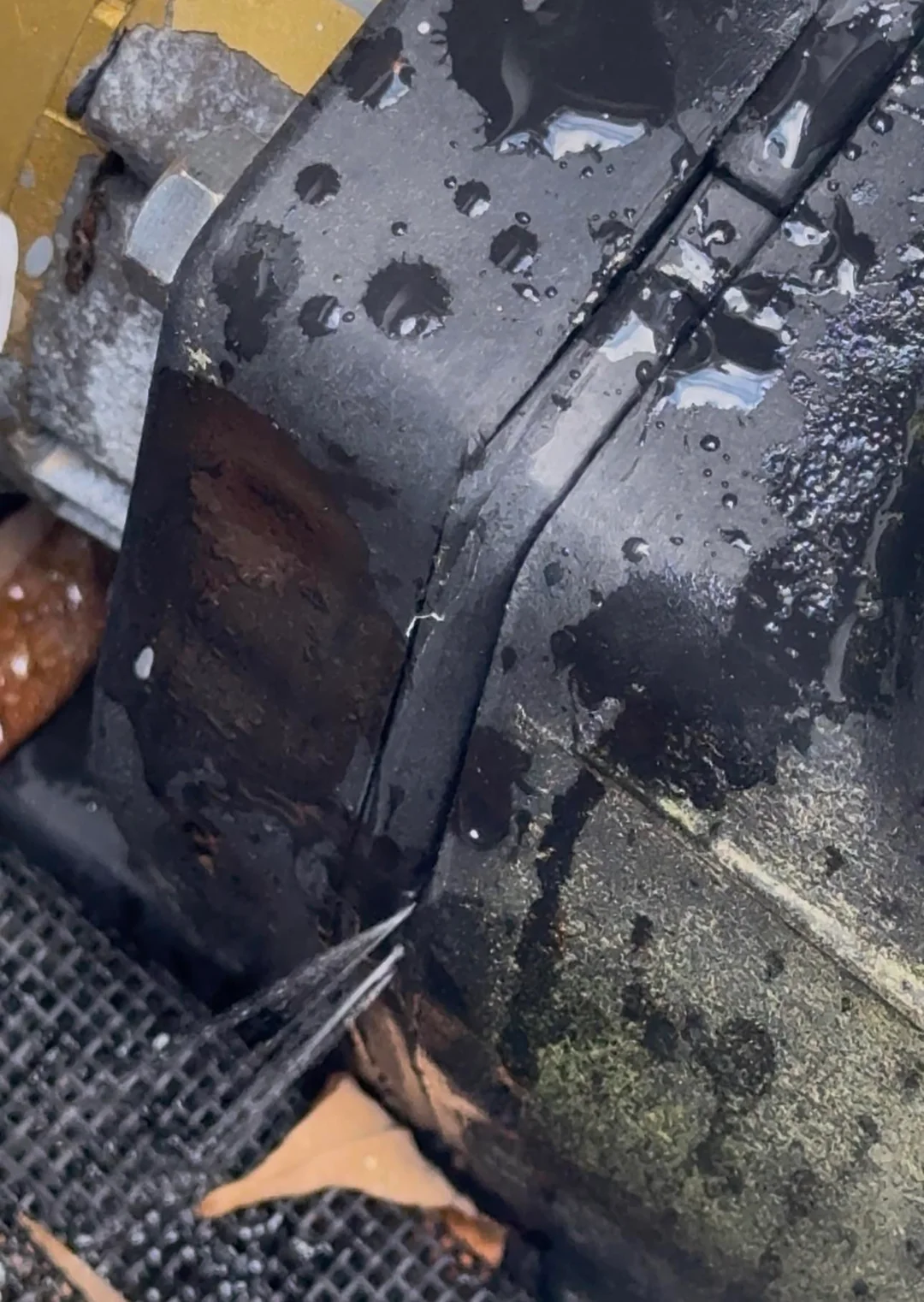
DFW pools already fight calcium. Salt systems can make that battle more noticeable because scale likes warm surfaces and high-pH conditions. If you see white flakes, cloudy returns, or a salt system that keeps throwing warnings, it may be time for a system check through PoolBurg’s Pool Equipment Repair team.
How to Reduce Salt Water Pool Maintenance Costs in DFW
- Inspect and clean the salt cell regularly, especially in hard water areas.
- Keep pH under control instead of waiting until the pool feels “off.”
- Avoid running the generator at 100% unless the pool truly needs it.
- Use a quality salt cell instead of chasing the cheapest replacement.
- Schedule professional maintenance before small issues turn into repairs.
If you are planning a salt conversion or updating older controls, PoolBurg’s Smart Automation & Saltwater Conversions page is a natural internal link. If your salt pool also has a heater or chiller, add the Pool Heating and Cooling page too.
People Also Ask
Is a salt water pool more expensive to maintain than chlorine?
Usually a little. The cost of saltwater pool maintenance is often higher for service, but lower for purchased chlorine. Over time, many DFW pools end up close to even.
How much does salt water pool service cost per month in Texas?
Most DFW homeowners should expect about $150 to $280 per month for weekly professional service, depending on pool size, debris, equipment, and salt system condition.
How often do you replace a salt cell in North Texas?
Many salt cells last about three to five years in hard-water conditions, though lifespan depends on chemistry, run time, brand, and cleaning habits.
Are salt water pools worth the extra maintenance cost?
For many owners, yes. The value is not always lower cost. It is comfort, convenience, and fewer chlorine trips to the store.
Can DFW hard water ruin a salt water pool system?
It can shorten cell life if scale is ignored. That is why balanced water and regular salt cell inspections matter.
PoolBurg Salt Water Pool Service Built for DFW Water
The cost of saltwater pool maintenance should be clear, fair, and based on your actual pool, not a random guess. PoolBurg helps DFW homeowners manage salt levels, pH drift, calcium scale, cell performance, and the weekly cleaning work that keeps the pool looking easy. Salt water pool maintenance cost gets much easier to handle when small problems are caught early.
Salt water pool owner? Get a custom quote from PoolBurg and ask for a salt system assessment with your service visit. Start here: Contact PoolBurg today.
Quick Cost Recap for DFW Salt Pool Owners
If you only remember one thing, make it this: the cost of saltwater pool maintenance is not just the monthly visit price. It is the combined cost of cleaning, chemistry, salt cell care, scale prevention, and equipment protection.
For a healthy DFW salt pool, the cost of saltwater pool maintenance usually stays predictable when the cell is checked, pH is managed, and calcium scale is handled early.
The cost of saltwater pool maintenance climbs when a pool is ignored for weeks, the generator is overworked, or hard water scaling is allowed to choke the cell.
That is why the best way to control the cost of saltwater pool maintenance is simple: keep service consistent and treat the salt system like real pool equipment, not a background gadget.