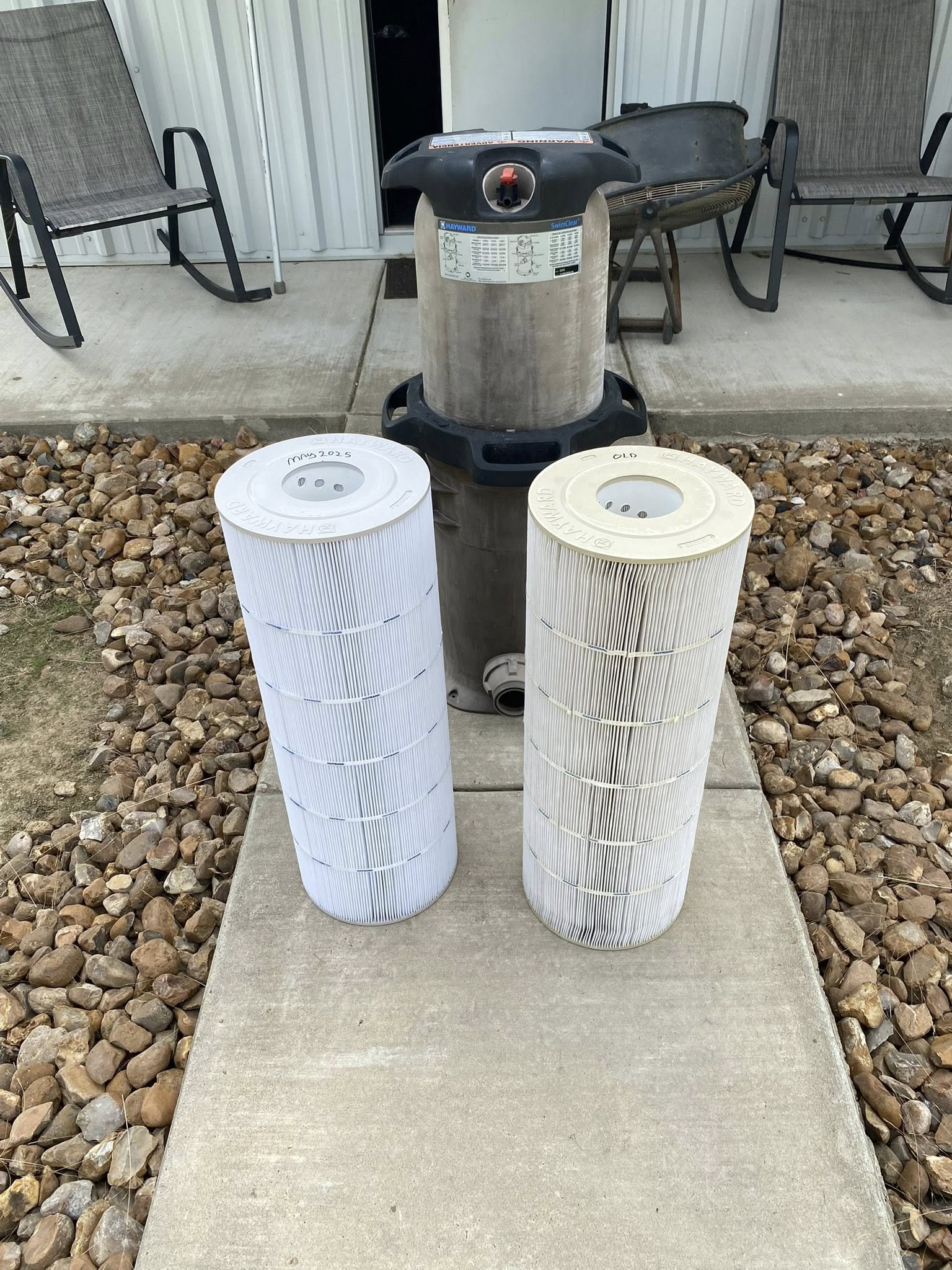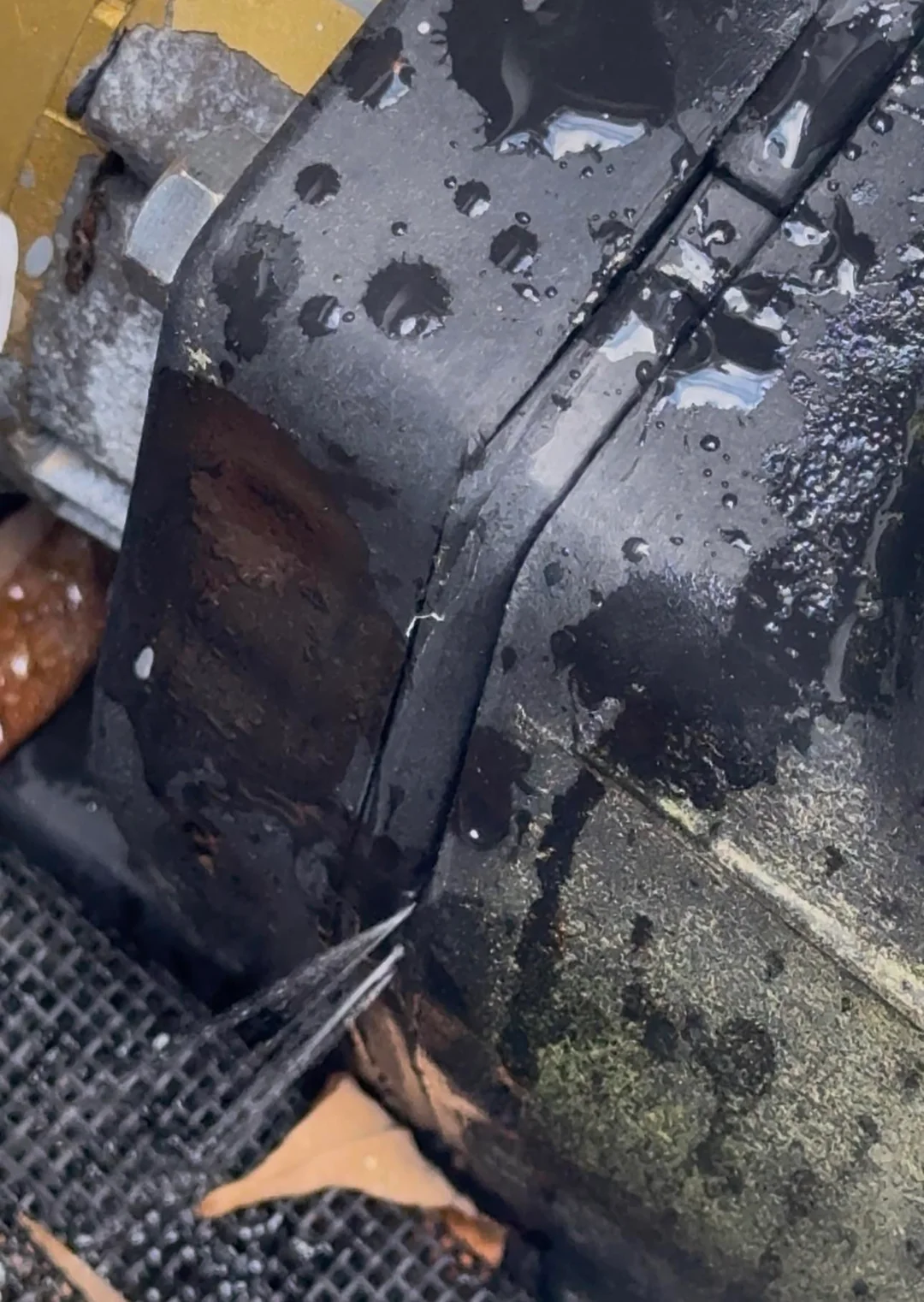
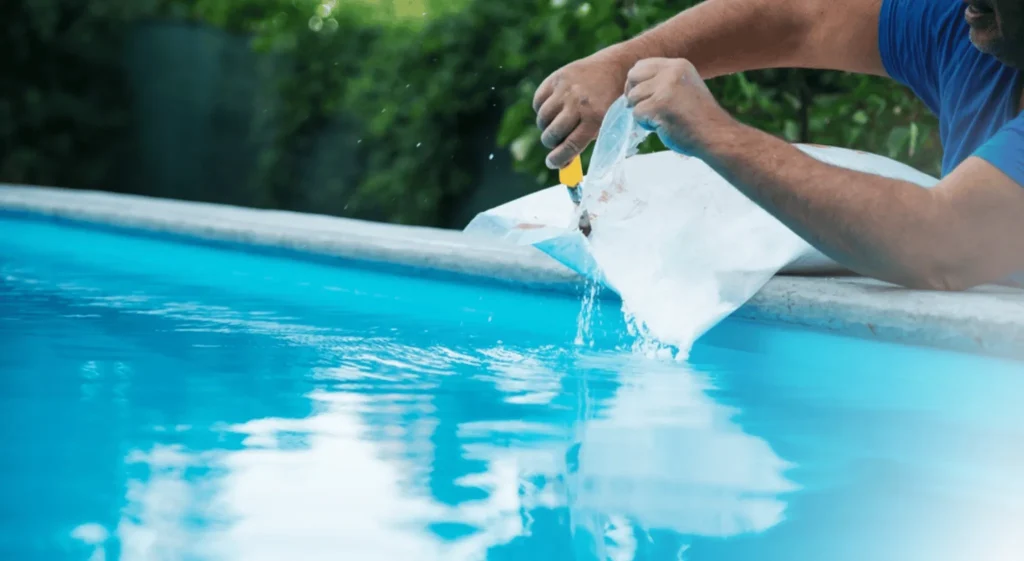
Saltwater pool pH problems can sneak up on a homeowner because the water may look fine for a while. Then suddenly the tile has white scale, the salt cell throws an error, or the water gets cloudy even though the system has been running every day. The tricky part is that a salt pool still needs testing, brushing, filtration, and chemical balance. Saltwater does not mean maintenance-free. It means your pool makes its own chlorine, and that process has to be managed correctly.
Why Saltwater Pools Often Have pH Problems
Saltwater pool pH problems are common because a salt chlorine generator naturally tends to push pH upward over time. Hayward’s AquaRite salt chlorinator manual lists pH balance as a regular chemistry requirement, and that is not just fine print. When pH climbs too high, chlorine becomes less effective. The CDC explains that as pH rises, the ability of chlorine to kill germs drops, especially above 8.0. That is why PoolBurg keeps a close eye on pH and disinfectant balance during saltwater pool maintenance.
In North Texas, the issue gets even more annoying. Heat, evaporation, hard fill water, and constant summer use all stack together. If the pool already has high calcium hardness, saltwater pool high pH can encourage scale on tile, plaster, heaters, and salt cell plates.

Signs Your Saltwater Pool pH Is Too High
The early signs are usually small, but they matter. Watch for:
- Cloudy water that does not clear after normal runtime
- White flakes coming from the returns or sitting on the floor
- Scale on tile, spillways, or waterline features
- A rough feeling on pool surfaces
- Eye or skin irritation after swimming
- Salt cell buildup or “check cell” style warnings
These symptoms do not always mean the salt cell is bad. Sometimes the cell is simply fighting water chemistry that has drifted out of range. This is where proper salt water pool chemicals matter. Adding random acid, shock, or clarifier without a full test can make the next problem worse.
How High pH Affects the Salt Cell
The salt cell is one of the first places scale likes to show up because the chlorine-making process happens right on the cell plates. Aqua Magazine’s discussion of saltwater scale explains how scale can form inside electronic chlorine generators and reduce performance. Once the plates get coated, chlorine production drops, the system works harder, and the cell may not last as long.
PoolBurg also sees this pattern during salt cell cleaning: the pool owner thinks the cell failed, but the real villain is usually pH, alkalinity, calcium hardness, or all three working together.
What Chemicals Help Control Saltwater Pool pH?
For most salt pools, the main pH-lowering chemical is muriatic acid. But acid should be used carefully, measured properly, and added only after testing. The EPA’s pool chemical safety guidance is a good reminder that pool chemicals deserve respect, especially acids and chlorine products.
Alkalinity also matters. If alkalinity is too high, pH may keep climbing no matter how many times you knock it down. Stabilizer, salt level, calcium hardness, and pump runtime also affect the bigger picture. That is why PoolBurg’s saltwater pool maintenance schedule focuses on full water balance, not just the salt reading.
Common Mistakes Saltwater Pool Owners Make
- Assuming saltwater means no chemical testing
- Only checking the salt level and ignoring pH
- Letting alkalinity drift too high
- Waiting until the water turns cloudy before acting
- Cleaning the salt cell too aggressively or too often
- Ignoring scale until the cell starts giving errors
Another mistake is treating North Texas like a soft-water market. Dallas Water Utilities publishes water quality reports, and local pool owners already know our fill water can be stubborn. Add summer evaporation, and minerals concentrate fast.
How PoolBurg Manages Saltwater pH in DFW
PoolBurg manages saltwater pool pH problems by looking at the whole system. That includes weekly pH checks, alkalinity control, salt cell inspection, scale prevention, calcium awareness, and proper chemical adjustments. If the pool already has scale or cloudy water, PoolBurg does not just dump more chlorine and hope. The team checks why the water is misbehaving in the first place.
For homeowners in Frisco, McKinney, Allen, Prosper, Keller, Southlake, and Las Colinas, this matters because saltwater pool high pH can move from “minor chemistry issue” to “expensive equipment issue” surprisingly fast. If your pool pH keeps rising every week, PoolBurg can help you figure out whether the issue is normal salt system behavior, high alkalinity, hard water, poor testing habits, or a salt cell that needs attention.
People Also Ask
Why does pH keep rising in a saltwater pool?
pH often rises in a saltwater pool because the salt chlorine generator process, aeration, high alkalinity, hard fill water, and evaporation can all push the water upward on the pH scale.
What chemicals do I need for a saltwater pool?
Most salt pools need regular testing plus the right salt water pool chemicals, including acid for pH control, alkalinity adjusters when needed, stabilizer, and occasional scale prevention depending on water conditions.
Is high pH bad for a salt cell?
Yes. High pH can encourage calcium scale on the salt cell plates, which can reduce chlorine production and make the system work harder.
How often should I add acid to a saltwater pool?
There is no perfect calendar answer. Add acid based on accurate testing, pool volume, alkalinity, pH level, and manufacturer guidance.
Why is my saltwater pool cloudy?
Cloudy saltwater can come from high pH, low chlorine, high calcium, poor filtration, algae pressure, or a dirty salt cell.
Does hard water affect saltwater pools?
Yes. Hard water adds calcium to the pool, and when calcium combines with high pH and heat, scale becomes much more likely.
PoolBurg Can Help Before pH and Scale Damage the System
If you are tired of chasing saltwater pool pH problems every week, PoolBurg can inspect the water, salt cell, chemistry history, and equipment before the issue becomes expensive. Schedule service through PoolBurg weekly pool service and let the team manage the chemistry before scale starts bossing your pool around.