Saltwater pool maintenance schedule planning is where a lot of pool owners either win early or quietly create expensive problems. A salt system is helpful, no doubt. It makes chlorine for you. But it does not brush the steps, clean the filter, correct high pH, prevent calcium scale, or magically understand North Texas weather. Around Frisco, McKinney, Allen, Prosper, Southlake, Las Colinas, and Keller, salt water pool maintenance needs a real weekly rhythm because heat, hard water, evaporation, and storms keep changing the pool.
For a deeper look at the chemicals behind this, see PoolBurg’s guide to salt water pool chemicals.
Saltwater Pools Still Need a Schedule
A good saltwater pool maintenance schedule keeps the salt chlorine generator from doing all the work alone. The cell produces chlorine, but the pool still needs circulation, filtration, cleaning, and balanced water. Even CDC pool safety guidance points homeowners back to the basics: disinfectant levels, pH, and clean water all matter.
The biggest mistake is treating saltwater like a “set it and forget it” system. That is how pH drifts high, calcium builds on the cell, chlorine output drops, and the pool owner wonders why the water looks dull even though the salt system says it is running.

Weekly Saltwater Pool Maintenance
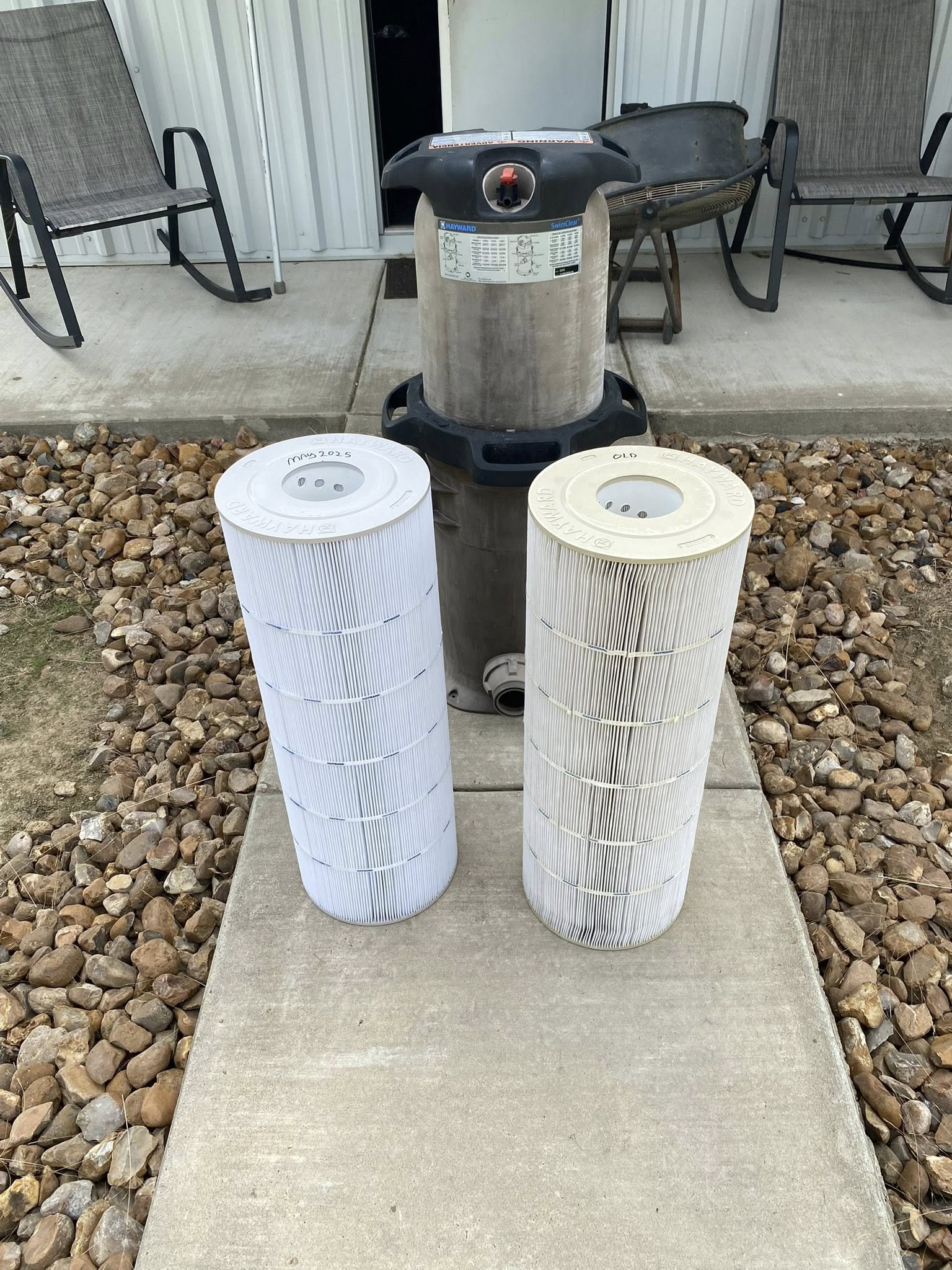
Your weekly saltwater pool maintenance schedule should be simple enough that you can actually follow it. Test free chlorine and pH first. Check water level, empty skimmer and pump baskets, skim the surface, brush walls and steps, and look at filter pressure. Then check the salt system display for warning lights, low salt alerts, inspect-cell messages, or odd output settings.
This is also the right time to look for early warning signs: bubbles at the returns, weak flow, cloudy water, scaling at the tile line, or a cell that is producing less chlorine than usual. PoolBurg’s weekly pool maintenance routine article breaks down the basic rhythm for homeowners who want a clean, predictable system.
- Test free chlorine and pH
- Empty baskets and skim debris
- Brush steps, benches, and corners
- Check filter pressure and return flow
- Inspect the salt system screen for alerts
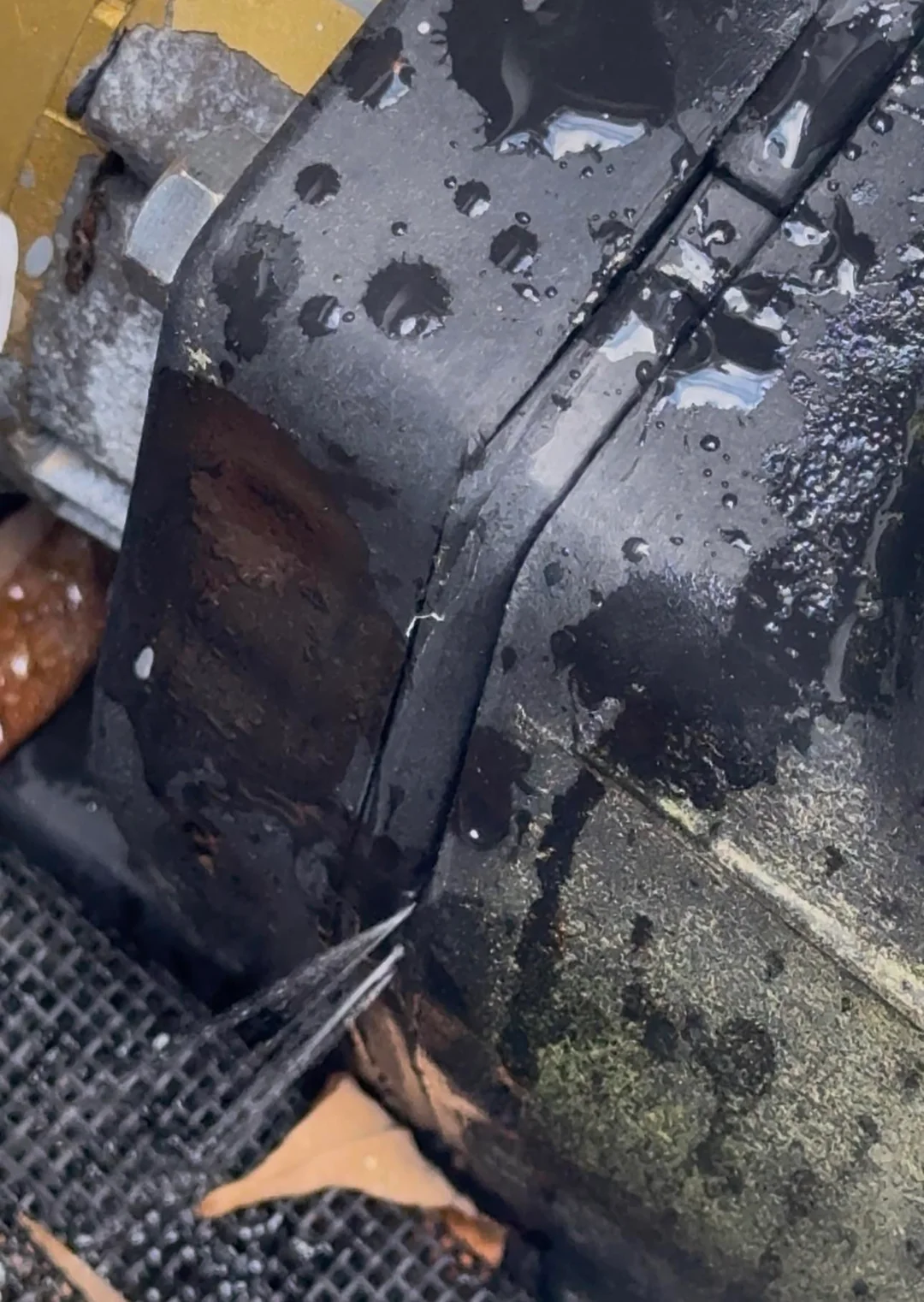
- Look for scale around the cell, tile, and waterline
Monthly Saltwater Pool Maintenance
Once a month, the saltwater pool maintenance schedule should go deeper. Check salt level, calcium hardness, cyanuric acid, total alkalinity, and the salt cell itself. Test strips are okay for quick checks, but a proper pool water test gives better context when the water keeps drifting.
Salt cells are especially sensitive to scale. Manufacturer support pages for Pentair salt chlorine generator care and Hayward salt system troubleshooting both point homeowners toward correct operation and maintenance rather than guessing. In DFW, that matters because hard water can make calcium deposits show up faster than expected.
Seasonal Saltwater Pool Maintenance
Seasonal adjustments are where a saltwater pool maintenance schedule really earns its keep. In summer, chlorine demand rises because of heat, sun, kids, pets, parties, and longer pump run times. After storms, the pool may need debris removal, water testing, and salt level correction because rain can dilute the water. During colder months, the salt system may reduce or stop chlorine production depending on water temperature.
Because North Texas weather likes drama, checking your pool after big heat waves, wind events, and freeze alerts is not overkill. It is smart ownership. The EPA WaterSense pool cover guidance is also useful for understanding evaporation control, which affects water level, salt concentration, and overall pool upkeep.
Common Saltwater Maintenance Mistakes
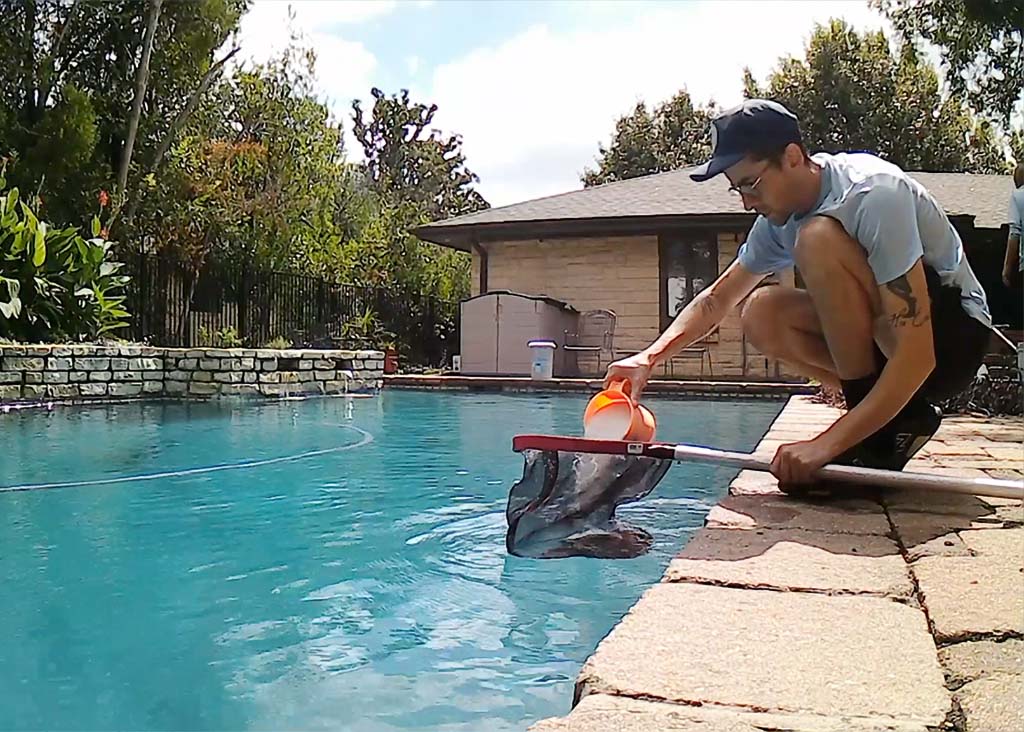
The most common salt water pool maintenance mistake is assuming the cell replaces all chemical care. It does not. Another mistake is ignoring pH because the water “looks fine.” High pH can make chlorine less comfortable, encourage cloudy water, and contribute to scale. If calcium is already high, poor balance can make scaling worse. Tools like the Orenda pool dosing calculator can help homeowners understand water balance, but a professional test is still helpful when things get stubborn.
A weak saltwater pool weekly maintenance habit usually shows up as the same problems over and over: low chlorine, scale on the cell, cloudy water, rising acid demand, or a salt system that keeps asking for attention.
PoolBurg’s Saltwater Service Approach
PoolBurg treats a saltwater pool maintenance schedule like a protection plan for the whole pool, not just the water. The visit is about testing, brushing, checking the cell, watching scale, looking at filter pressure, and catching equipment issues before they turn into expensive repairs. That is especially valuable in Southlake, Prosper, Frisco, McKinney, Allen, Las Colinas, and Keller, where salt systems and more advanced equipment pads are common.
If you are comparing service options or budgeting for ongoing care, PoolBurg’s guide to pool upkeep cost can help you think beyond chemicals and look at the full cost of clean water.
People Also Ask
What maintenance is required for a saltwater pool?
A saltwater pool needs weekly testing, brushing, skimming, basket cleaning, filter checks, pH adjustment, salt level monitoring, and salt cell inspection.
How often should a saltwater pool be serviced?
Most saltwater pools should be checked weekly during the swim season, especially in Texas heat.
How often do saltwater pools need chemicals?
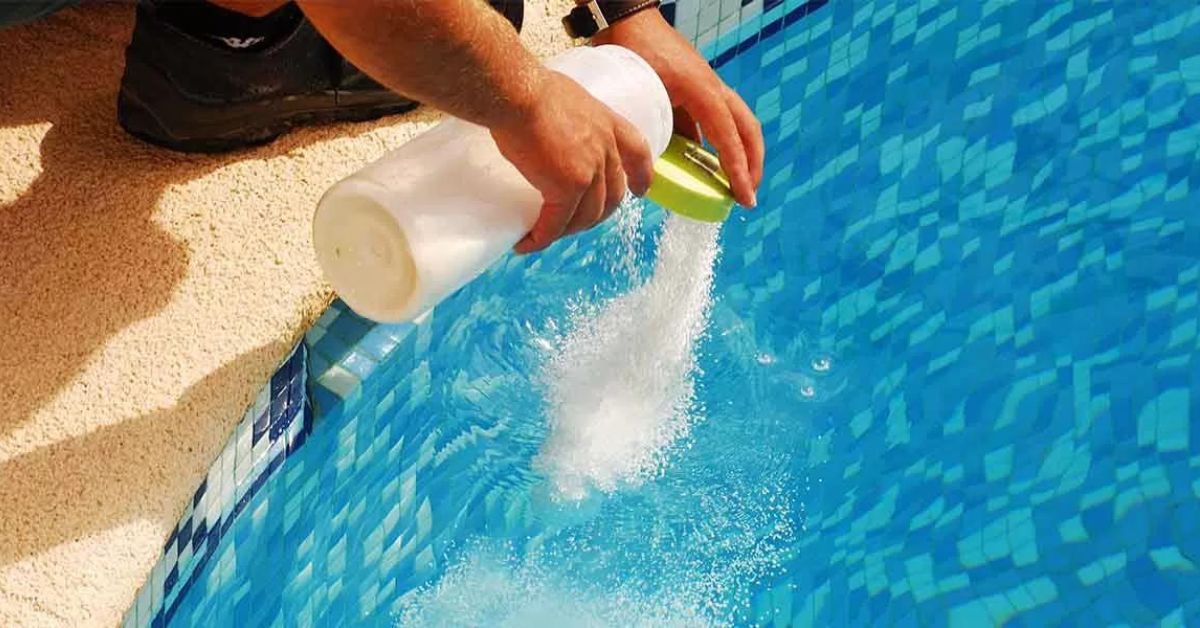
They need chemicals whenever testing shows the water is out of range. Salt systems make chlorine, but they do not balance pH, alkalinity, calcium, or stabilizer.
Is a saltwater pool harder to maintain?
Not harder, just different. The water can feel great, but the salt cell and pH need consistent attention.
What is a good saltwater pool maintenance schedule?
A good saltwater pool maintenance schedule includes weekly water testing and cleaning, monthly salt cell and balance checks, and seasonal adjustments for heat, storms, and colder weather.
Final Word From PoolBurg
A saltwater pool maintenance schedule protects the water, the salt cell, the pump, the filter, and your wallet. If your salt pool keeps showing alerts, drifting high on pH, scaling the cell, or looking cloudy even when the system says it is running, PoolBurg can help. Contact PoolBurg and we will keep your saltwater pool on a schedule that actually fits North Texas conditions.