Salt water pool chemicals are still part of owning a saltwater pool, even when the system is working perfectly. That surprises a lot of DFW homeowners because the phrase “saltwater pool” sounds almost automatic. The truth is simpler: the salt cell helps produce chlorine, but it does not brush the walls, balance the water, protect against scale, or fix high pH. That is why good saltwater pool maintenance matters just as much in Frisco, McKinney, Allen, Prosper, Southlake, Keller, and the rest of North Texas.
Saltwater Pools Still Need Chemical Care
Salt water pool chemicals begin with one basic idea: a salt system generates chlorine from dissolved salt. Chlorine still does the sanitizing work. The CDC explains that chlorine or bromine and pH are the first defense against swimming-related germs, which is why a salt pool still needs testing and balancing.
A salt system does not automatically control pH, alkalinity, calcium hardness, cyanuric acid, metals, phosphates, or debris. It also does not remove pollen after a windy North Texas day. Think of it as a chlorine producer, not a full-time pool butler. Nice idea, wrong job description.
Chemicals Needed for a Saltwater Pool
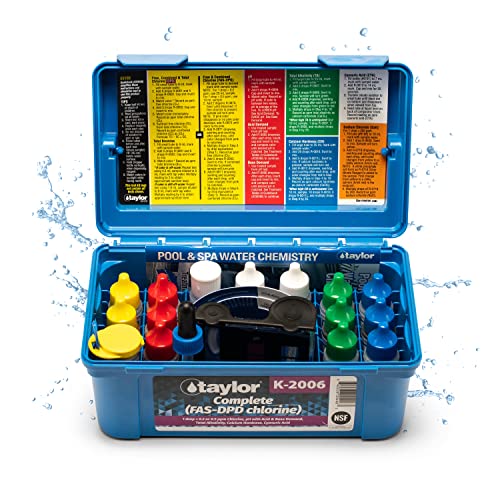
The salt water pool chemicals most homeowners deal with include pool salt, chlorine shock when the water falls behind, muriatic acid for pH control, alkalinity increaser, stabilizer, calcium hardness balancer, scale inhibitor, and sometimes phosphate remover. PoolBurg usually builds a pool care routine around what the water is actually doing, not around a one-size-fits-all chemical shelf.
- Salt to feed the chlorine generator
- Muriatic acid to control high pH
- Stabilizer to protect chlorine from sunlight
- Calcium and alkalinity products to protect plaster and equipment
- Shock or supplemental chlorine when storms, parties, or heat overwhelm the system
Why pH Runs High in Saltwater Pools
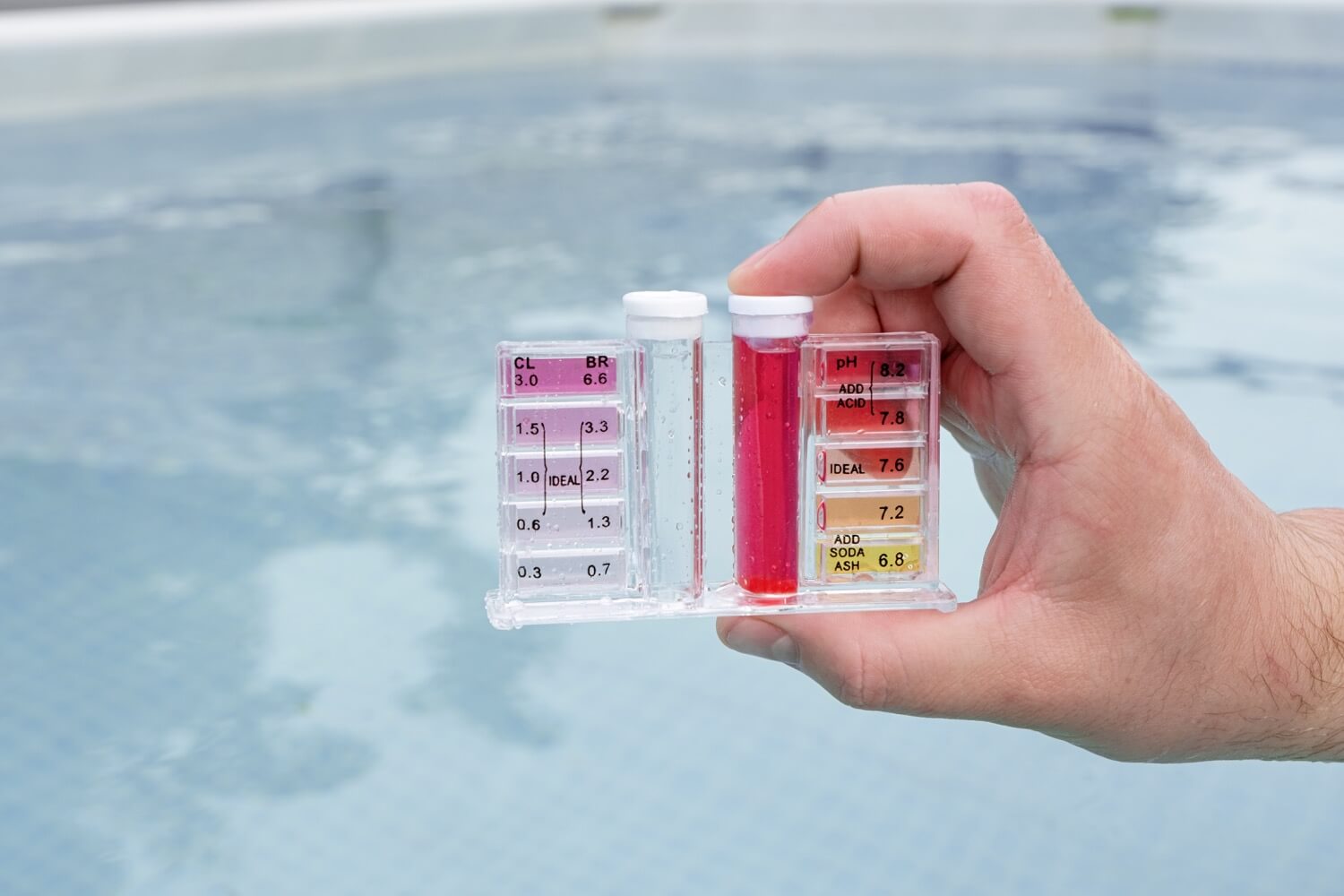
One big reason salt water pool chemicals matter is pH drift. Salt chlorine generation often pushes pH upward, and North Texas fill water can already lean hard and scale-forming. When pH climbs, chlorine works less efficiently, water can look dull, and calcium scale can collect on tile, heaters, and salt cells. The CDC’s home pool guidance notes that keeping pH in the 7.0 to 7.8 range balances germ-killing, comfort, and equipment protection. That is why acid demand is normal in many saltwater pools.
Salt Cell Scale and Chemical Balance
Salt cell maintenance is where chemistry gets expensive if ignored. Calcium scale forms on the cell plates, which reduces chlorine production and can make the system act like it is failing. Pentair recommends checking salt chlorine generator cells for scale buildup and debris regularly, and their IntelliChlor guide explains the cleaning and inspection process. Hayward also notes in the AquaRite manual that an inspect-cell warning can mean cell efficiency has dropped or the cell may need cleaning.
Balanced water protects the cell, heater, plaster, and pump seals. If you have recurring scale, cloudy water, or a low-chlorine reading even though the salt system says it is running, PoolBurg can check the cell and the full chemistry picture during professional pool cleaning or service visits.
Weekly Saltwater Pool Maintenance Checklist
A practical salt water pool maintenance schedule should be simple enough to actually follow. Weekly, test chlorine and pH, check salt level, inspect the salt system status lights, brush steps and walls, skim debris, empty baskets, watch filter pressure, and look for white scale around the cell or returns.
- Test free chlorine and pH first.
- Confirm the salt reading matches the system range.
- Brush areas where algae starts, especially steps and corners.
- Check the equipment pad for leaks, odd noises, or warning lights.
- After storms, test again instead of assuming the cell will catch up.
The EPA notes that pool covers can reduce evaporation and help retain heat, which can also help slow some water-balance swings. That does not replace salt water pool chemicals, but it can make regular pool maintenance more manageable.
People Also Ask
What chemicals do I need for my saltwater pool?
You need salt, sanitizer support when needed, acid for pH, alkalinity products, stabilizer, calcium balance, and sometimes scale or phosphate treatment. Salt water pool chemicals depend on test results, not guesses.
Do saltwater pools still need chemicals?
Yes. A salt system makes chlorine, but it does not balance pH, alkalinity, calcium hardness, or stabilizer. Saltwater pool maintenance is still real maintenance.
How often do saltwater pools need chemicals?
Most saltwater pools need weekly testing and small adjustments. In Texas heat, storms or heavy swimming can create extra chemical demand.
Is a saltwater pool hard to maintain?
Not usually, but it is not “set it and forget it.” The pool still needs brushing, testing, filter care, and salt cell maintenance.
What maintenance is required for a saltwater pool?
Follow a weekly salt water pool maintenance schedule: test water, check salt output, brush, skim, empty baskets, monitor filter pressure, and inspect the cell for scale.
PoolBurg Maintains Saltwater Pools the Right Way
Salt water pool chemicals are not something to fear, but they do need to be managed correctly. DFW hard water, long swim seasons, strong sun, and heavy summer use make saltwater pools behave differently here than they do in softer-water regions. PoolBurg helps homeowners avoid the “set it and forget it” trap with steady testing, brushing, equipment checks, and honest recommendations.
If your saltwater pool is cloudy, scaling, flashing warnings, or just not staying balanced, contact PoolBurg and we will help you get the water back under control without overcomplicating the whole backyard.