Downside of salt water pool ownership is usually not what homeowners expect. The water can feel softer, the chlorine production is convenient, and yes, a salt system can make pool care feel smoother. But the downside of salt water pool systems shows up when people assume “saltwater” means “set it and forget it.” That is where DFW pools get into trouble.
Around Frisco, Southlake, Prosper, McKinney, Las Colinas, and the rest of North Texas, salt systems are popular for a reason. They are comfortable and modern. Still, saltwater pools have real maintenance needs, real equipment costs, and a few surprises that should be explained before someone spends money on a conversion.
Saltwater Pools Are Great, But They Are Not Maintenance Free
The biggest downside of salt water pool ownership is unrealistic expectations. A salt chlorine generator makes chlorine from dissolved salt, but it does not brush walls, remove leaves, balance calcium, clean the filter, or magically fix cloudy water. It is a sanitizer system, not a pool butler. Tiny tragedy, honestly.
That is why PoolBurg often points homeowners toward salt water pool facts before they convert. A salt pool is still a chlorine pool. The chlorine is simply produced on-site instead of added by hand. For healthy water, the CDC still emphasizes proper sanitizer and pH control for swimming pools.
The Main Downsides of Saltwater Pools
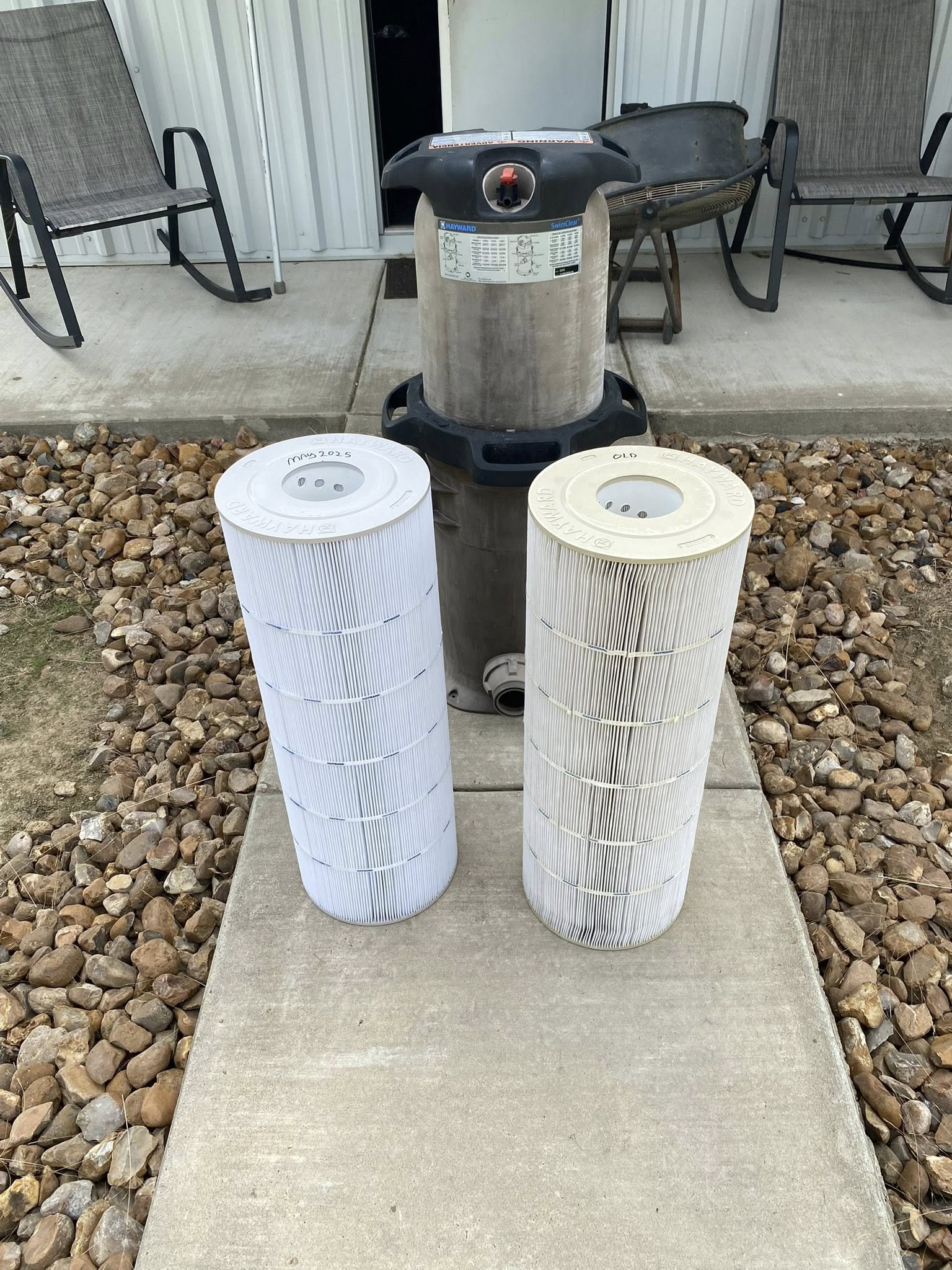
The downside of salt water pool systems comes down to a few practical things: salt cell replacement cost, rising pH, calcium scale, corrosion risk, and more parts to monitor. The cell is the expensive piece. When it ages out, chlorine output drops, warning lights appear, and the pool may suddenly need traditional chlorine until the cell is replaced.
- Salt cell replacement can become a noticeable future expense, especially on larger pools.
- High pH drift can lead to cloudy water, scale, and less effective chlorine.
- Calcium scale can build up on the cell plates and reduce performance.
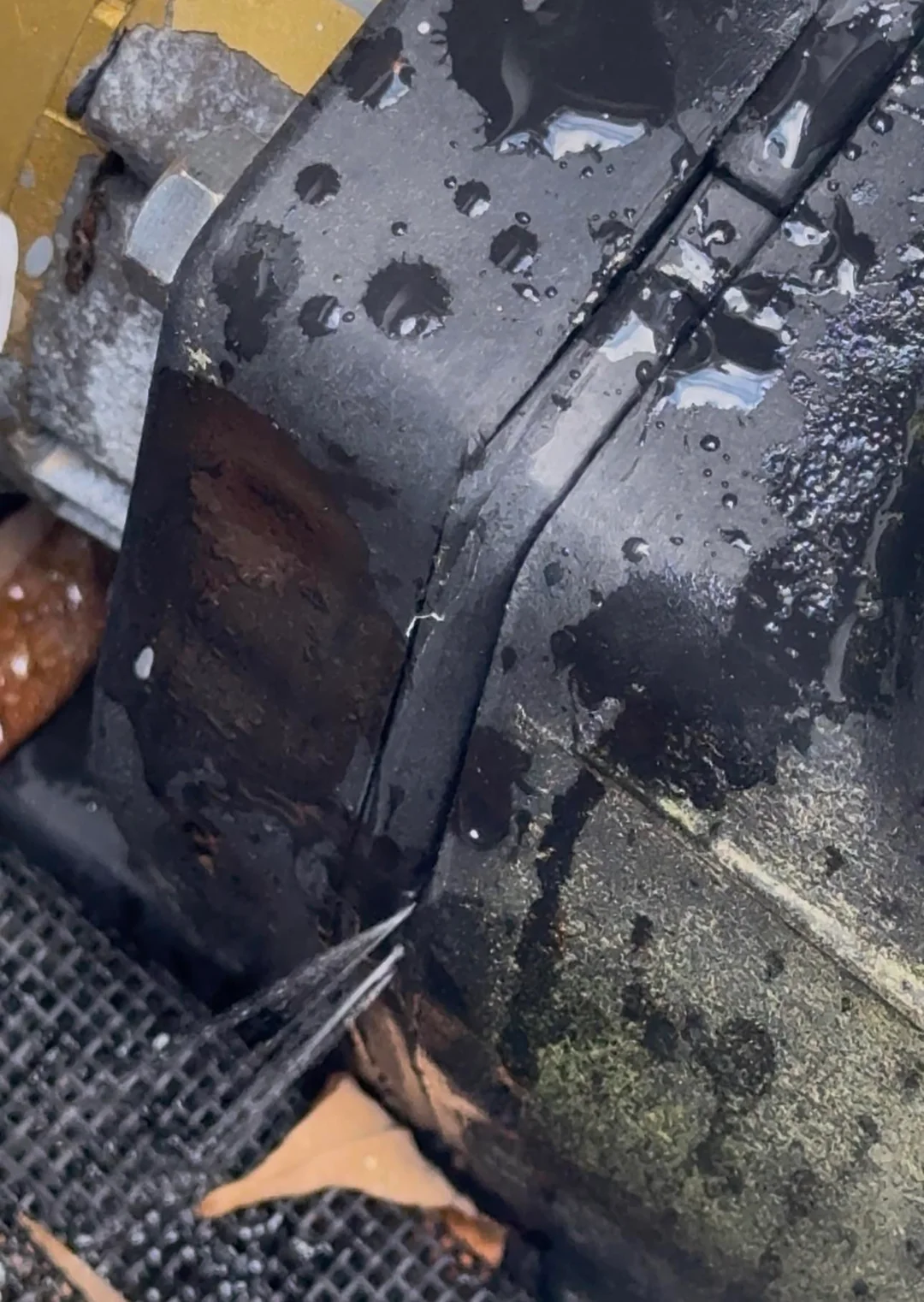
- Salt can be harder on certain metal parts, soft stone, light rings, rail anchors, and older equipment.
If you are budgeting honestly, compare that with PoolBurg’s guide to cost of saltwater pool maintenance. Saltwater can reduce how often you manually add chlorine, but it is not always cheaper long-term once equipment replacement and salt cell maintenance are included.
Why Saltwater Pools Can Be Tricky in North Texas
DFW hard water makes the downside of salt water pool care more obvious. Calcium likes to collect wherever water gets warm, turbulent, or electrically active. Your salt cell checks all three boxes. Add Texas heat, long swim seasons, evaporation, and summer storms, and the chemistry can drift faster than a homeowner expects.
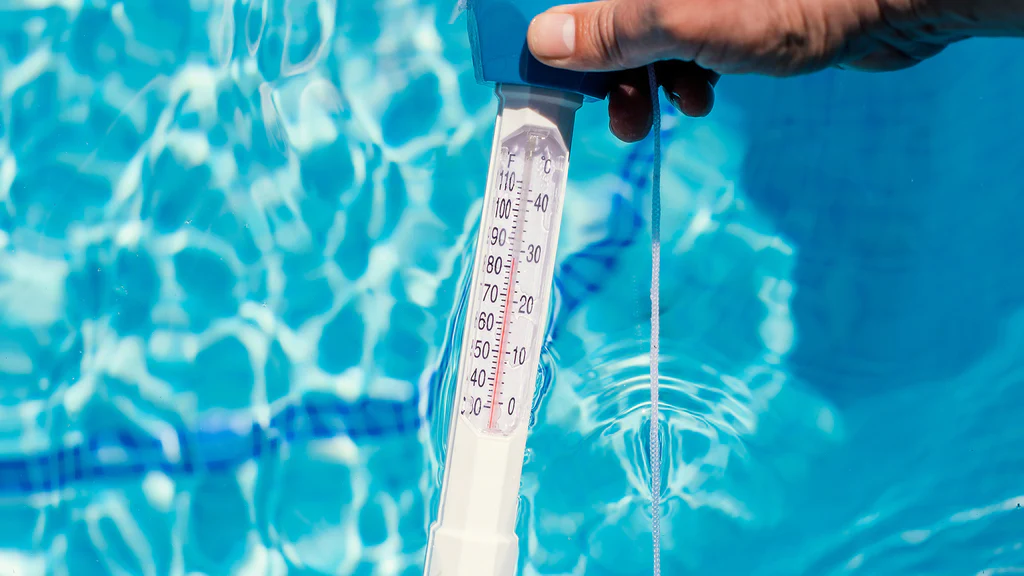
Hot weather also raises chlorine demand. A salt system may need to run longer during peak summer, especially after heavy swimming, rain, or a windy weekend that dumps pollen and debris into the pool. If the cell is scaled or undersized, saltwater pool problems can look exactly like “my pool won’t hold chlorine.”
Saltwater Pool vs Chlorine Pool
Saltwater vs chlorine corrosion is not always an apples-to-apples argument. Traditional chlorine pools can damage surfaces if chemistry is neglected, too. Saltwater pools simply add another corrosion variable, especially if bonding, metal compatibility, stone sealing, and water balance are ignored.
| Category | Saltwater Pool | Traditional Chlorine Pool |
| Water feel | Usually softer and less harsh-feeling | Can feel stronger if dosing is uneven |
| Daily chlorine | Generated automatically by the cell | Added manually or through a feeder |
| Maintenance | Still needs weekly testing and cell checks | Still needs weekly testing and chemical additions |
| Costs | Higher equipment and salt cell replacement cost | More ongoing chlorine purchases |
| Risk | Scale and corrosion if ignored | Chemical swings if ignored |
Who Should Still Choose a Saltwater Pool?
A saltwater pool still makes sense for plenty of homeowners. If you like the water feel, want more automated chlorine production, and are willing to keep up with salt cell maintenance, it can be a fantastic upgrade. It works even better when the equipment is compatible and a professional is watching the chemistry before problems grow teeth.
For homeowners still comparing systems, PoolBurg’s chlorine vs salt water pool guide is a smart next read. If the goal is a smoother pool ownership experience, salt can be worth it. If the goal is zero maintenance, that is where the downside of salt water pool expectations can bite.
Who Should Think Twice?
You may want to pause before converting if the pool has very old equipment, corroded metal features, soft natural stone near the waterline, an aging heater, or a tight repair budget. The downside of salt water pool systems gets bigger when the pool already has weak spots.
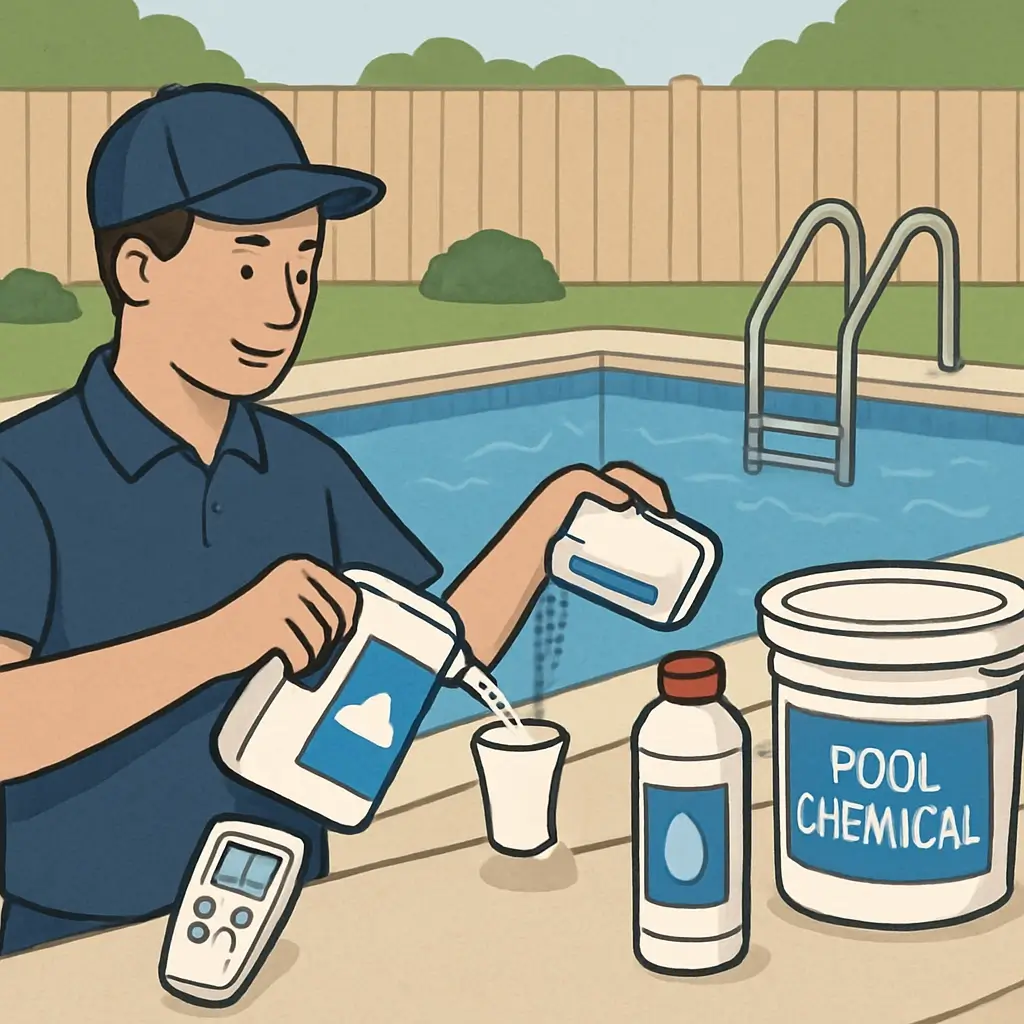
It is also not ideal for homeowners who hate testing water. Saltwater pool maintenance cost stays under control when pH, salt level, calcium hardness, stabilizer, and cell condition are checked consistently. Skip those basics and the “easy” system becomes a mystery box with blinking lights.

People Also Ask
What is the downside of a salt water pool?
The downside of salt water pool ownership is the extra equipment cost, pH drift, calcium scaling, salt cell replacement, and possible corrosion if the water is not balanced.
Is it better to have a saltwater pool or chlorinated pool?
It depends on your priorities. Saltwater feels smoother and automates chlorine production, while traditional chlorine systems are simpler and often cheaper upfront.
Why do people not like saltwater pools?
Most complaints come from surprise maintenance: rising pH, salt cell cleaning, equipment cost, and corrosion around vulnerable metals or stone.
Is a saltwater pool harder to maintain?
Not harder, just different. It still needs testing, brushing, filter care, pH control, and salt cell maintenance.
How long does a saltwater pool last?
The pool can last decades with good care, but the salt cell is a replaceable part that usually wears out long before the pool itself.
PoolBurg Gives Honest Saltwater Guidance Across DFW
The downside of salt water pool ownership is manageable when someone explains it before the sale, not after the repair bill. PoolBurg helps homeowners inspect current equipment, compare saltwater pool problems against real benefits, and decide whether salt fits the pool, budget, and lifestyle. Whether you need weekly pool service, salt system troubleshooting, or a clear second opinion, we help you make the call without pressure.
Thinking about salt or worried your current system is acting weird? Contact PoolBurg and let us look at the whole pool before one small issue turns into a summer headache.