Sand pool filter backwash schedule decisions should not be based on random calendar guessing. In a Texas backyard, the better question is simple: what is your filter pressure telling you? A sand filter works by trapping dirt, pollen, dust, leaves, dead algae, sunscreen residue, and tiny debris inside the sand bed. Eventually, that buildup slows the water down, raises pressure, and makes the pool work harder than it should. That is when backwashing matters.
For homeowners in Garland, Mesquite, Wylie, Plano, and Carrollton, the right sand pool filter backwash schedule can change with storms, pollen, heavy swimming, and dusty North Texas wind. PoolBurg usually recommends watching the gauge first, then using common sense after messy weather or algae cleanup.
Why Sand Filters Need Backwashing
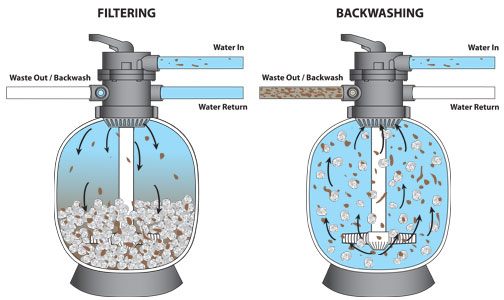
A sand filter catches debris as pool water pushes down through the filter tank and returns cleaner water back to the pool. A sand filter backwash reverses that flow and sends trapped dirt out through the waste line instead of back into the pool. Think of it like shaking out a dirty shop towel, except the water does the shaking.
Backwashing keeps water moving properly, helps your pump breathe easier, and supports better filtration. It is not magic, though. If the pool is cloudy because the chemistry is off, or if the filter sand is worn out, backwashing alone will not fix everything. PoolBurg’s guide on cloudy pool water explains why filtration and chemistry have to work together.
How Often Should You Backwash a Sand Pool Filter?
The best sand pool filter backwash schedule is pressure based. First, know your clean starting pressure after a proper backwash and rinse. Many pool pros use the rule of backwashing when pool filter pressure rises about 6 to 10 PSI above that clean baseline, depending on the filter model and system. Hayward sand filter instructions mention backwashing when pressure rises 6 to 8 PSI above startup pressure, while Pentair Sand Dollar guidance points to about 10 PSI above the clean reading.
That means your pool may not need the same schedule as your neighbor’s pool. One pool may sit clean at 12 PSI, another at 18 PSI. The number matters less than the increase. After storms, algae treatment, heavy leaf drop, or a weekend full of swimmers, you may need to backwash pool filter sooner than usual.
Why You Should Not Backwash Too Often
This is where pool owners accidentally overdo it. A slightly dirty sand bed can actually trap finer particles better than perfectly clean sand. If you backwash every few days for no reason, you can waste water, lower the pool level, dilute chemicals, and make the sand filter less effective for fine debris.
A smart sand pool filter backwash schedule respects the pressure gauge. If pressure is normal, water is clear, and flow feels strong, leave the filter alone. The goal is not to backwash the most. The goal is to backwash at the right time.
Signs Your Sand Filter Needs Backwashing
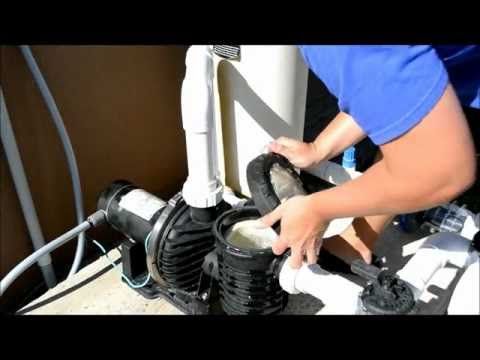
Your sand filter may be ready for backwashing when you notice:
- Weak return jets
- Pool filter pressure higher than the clean baseline
- Cloudy water after normal circulation
- Poor circulation around steps, benches, or corners
- Debris returning faster than normal
- Pressure that stays high even after baskets are cleaned
If these signs keep coming back, the issue may not be the sand filter backwash schedule. You could have bad sand, channeling inside the filter, a broken lateral, a valve issue, or an undersized filter. PoolBurg’s sand filter vs cartridge filter guide is helpful if you are comparing filter types or wondering whether your current setup still makes sense.
Backwashing After Algae or Storms
Texas storms can dump leaves, dirt, pollen, and roof runoff into a pool fast. Algae cleanup can also clog a sand filter quickly because dead algae has to go somewhere. During recovery, your sand pool filter backwash schedule may become more aggressive for a short time. Brush, vacuum, clean baskets, test water, and backwash when the pressure climbs.
After a major storm, PoolBurg’s pool after a storm advice can help homeowners understand why cleanup is more than just scooping out leaves. When pollen is the problem, the pollen in pool guide explains why filters work overtime during North Texas spring.
When Backwashing Does Not Fix the Problem
If you backwash pool filter properly and the water is still cloudy, do not keep repeating the same step all weekend. That can hide the real issue. Sand can become worn, clumped, channeled, or contaminated with oils. A broken lateral can send sand into the pool. A bad multiport valve can let water bypass the filter. A dirty filter is common, but it is not the only answer.
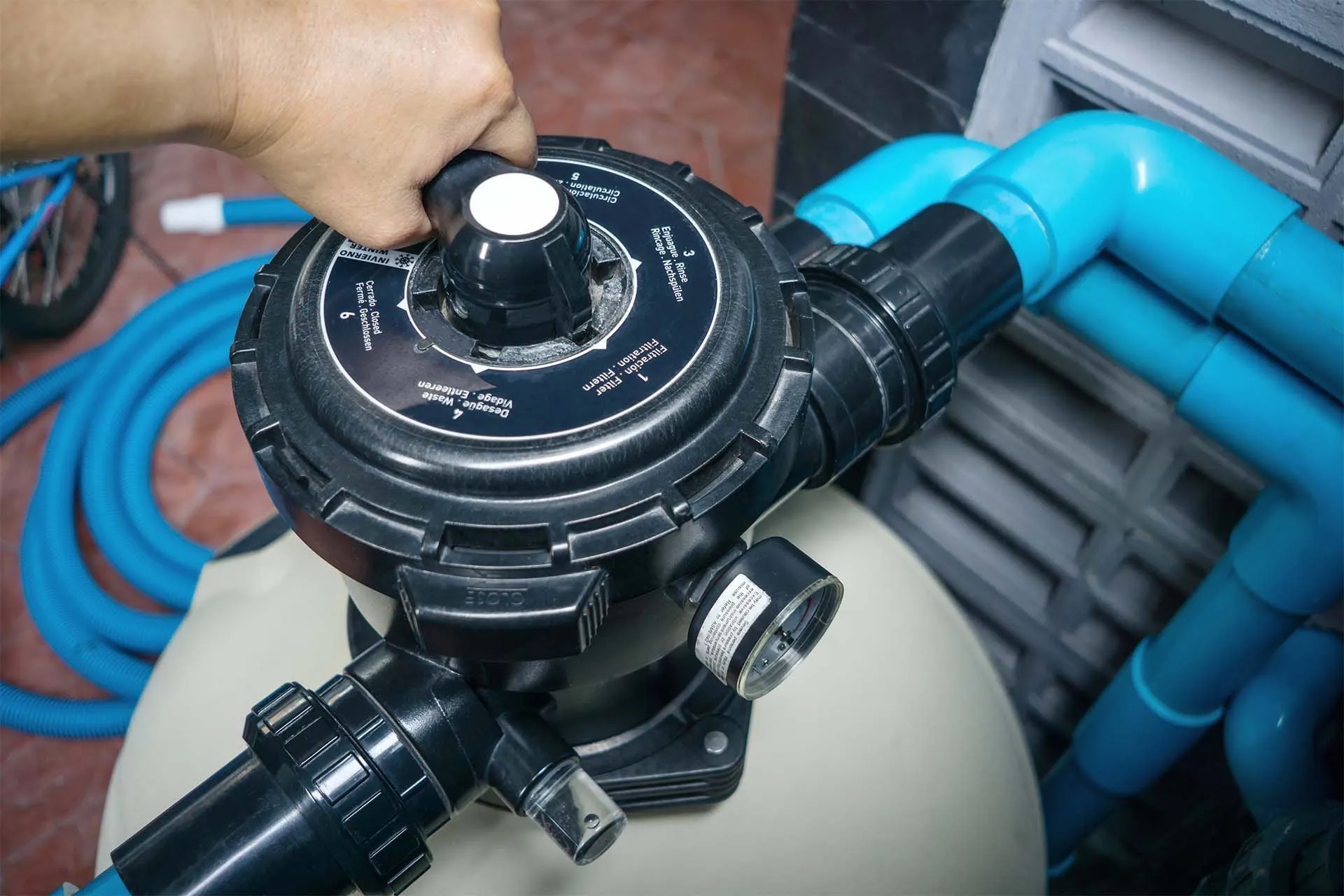
This is where PoolBurg checks pool filter pressure, water flow, valve position, sand condition, pump performance, and water chemistry together. Sometimes the filter needs a proper backwash. Sometimes it needs repair. Sometimes the water needs balancing before the filter can do its job.
People Also Ask
How often should a sand pool filter be backwashed?
Most sand filters should be backwashed when pressure rises about 6 to 10 PSI above the clean starting pressure, or after major debris events like storms or algae cleanup.
Can you backwash a sand filter too much?
Yes. Over-backwashing can waste water, lower chemical levels, and reduce the sand bed’s ability to catch finer particles.
Why is my pool still cloudy after backwashing?
Cloudy water after backwashing can come from poor chemistry, old sand, channeling, broken laterals, low circulation, or a filter that is too small for the pool.
What pressure should my pool filter be at?
There is no one perfect number. Learn your clean baseline after backwashing, then watch for pressure increases above that normal reading.
How do I know if my sand filter is working?
Strong return flow, stable pressure, clear water, and no sand blowing back into the pool are good signs your sand filter is working.
How often should pool filter sand be changed?
Many residential pools can go several years between sand changes, but heavy debris, poor chemistry, channeling, or cloudy water problems may shorten that timeline.
PoolBurg Can Help Set the Right Backwash Rhythm
The right sand pool filter backwash schedule should make your pool easier to own, not more confusing. PoolBurg can check your pool filter pressure, confirm whether the filter is actually dirty, backwash correctly, and spot issues like bad sand, valve trouble, or weak circulation before they turn into a cloudy mess. If your filter keeps acting strange, contact PoolBurg and let us take the guesswork off your equipment pad.